
Discover why conflicts in senior marriages can lead to stronger bonds and deeper emotional intimacy.

Fighting doesn’t always signal a failing relationship—in fact, it can be one of its most transformative tools. For senior couples, conflict often arises not from immaturity or incompatibility, but from evolving needs, past emotional patterns, and changing life circumstances. When viewed through the right lens, disagreements can become powerful opportunities for growth, healing, and renewal.
As couples age together, their priorities, routines, and emotional landscapes shift. What once worked may no longer feel satisfying, and friction can emerge as a result. But instead of fearing these moments, couples can use them to gain insight into each other’s inner world, strengthen trust, and create a deeper emotional connection. Here are 11 meaningful ways that fighting can actually improve a senior marriage.
1. Fighting Defines Personal Boundaries
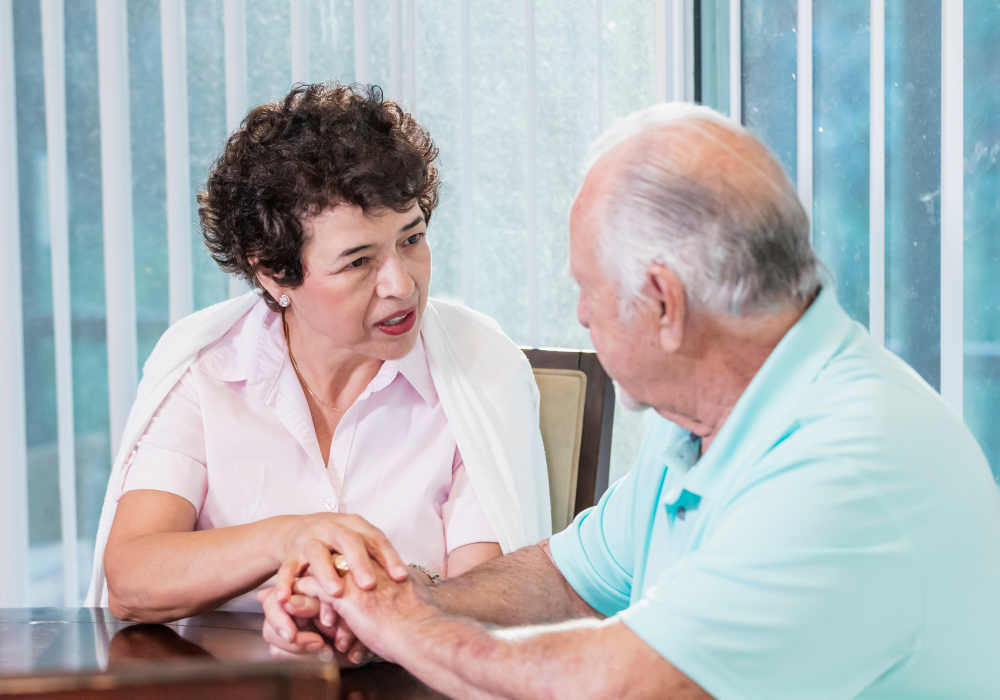
As the years go by, individuals within a relationship continue to change. What felt comfortable at age 40 might feel stifling at 65. One partner might crave solitude, while the other desires closeness. Arguments about these shifts in space and autonomy are normal—and even necessary, as stated by Rachel Miller at Vice.com. They highlight the need to redraw personal boundaries that have shifted over time.
Through respectful disagreements, couples can express where they feel crowded or ignored and set healthy limits that honor both individuality and togetherness. When boundaries are clear, there’s less confusion and frustration, which creates a safer, more affirming environment for both partners to thrive emotionally and relationally.
2. It Addresses Emotional Needs

Emotional needs often evolve as people age. The need to feel valued, heard, appreciated, and emotionally safe doesn’t fade—it deepens. When one partner feels emotionally neglected or misunderstood, it often surfaces during arguments. These fights, while uncomfortable, shine a spotlight on what really matters beneath the surface, as reported by experts at Comprehensive Med Psych Systems.
When couples take the time to unpack the emotional pain behind the conflict, they often uncover long-standing needs that haven’t been fully expressed. This process can lead to more intimate conversations, where both individuals feel safe enough to say what they truly feel. In this way, fighting becomes a bridge to deeper emotional understanding.
3. Clears Built-Up Resentment

Little irritations tend to accumulate over the years. A sarcastic tone here, a forgotten errand there—individually, they may seem minor, but over time, they can fester into resentment. Left unaddressed, these small hurts can grow into a quiet emotional distance that’s hard to reverse.
Arguments can serve as a healthy purge, according to Parmita Uniyal at Hindustan Times. They allow couples to bring old frustrations to light in a way that clears the emotional air. While not always pleasant in the moment, these confrontations can provide relief and restore emotional closeness by breaking down barriers of unspoken disappointment and unresolved tension.
4. Builds Greater Trust
One of the most misunderstood aspects of fighting is that it often reflects a high level of trust. When you feel emotionally secure with your partner, you’re more likely to speak up, even when what you have to say isn’t pretty. That kind of openness is a sign that you believe your partner can handle honesty.
For senior couples, this kind of trust becomes even more meaningful. It reflects a deep confidence that the relationship can weather storms. Knowing you can argue and still be loved reinforces the emotional safety of the bond. It builds an enduring sense of stability that many couples cherish in their later years.
5. Encourages Honest Communication

Couples who never fight often struggle with hidden emotional distance. On the other hand, couples who allow themselves to argue openly tend to get to the root of issues. Fights encourage raw, unfiltered communication—something that can be incredibly healing for partners who have spent years avoiding certain topics.
For older couples, honesty can become the foundation of a new phase in the relationship—one that is less about performance and more about authenticity. Through conflict, partners can finally bring long-suppressed thoughts into the open, forging a path toward deeper understanding and emotional freedom.
6. Sparks Problem-Solving Together

Arguments are often the beginning of change. They highlight what’s not working and bring attention to problems that can no longer be ignored. While conflict can feel disruptive, it’s also a catalyst for teamwork. Senior couples who face issues head-on often find themselves working more collaboratively to create solutions.
This spirit of joint problem-solving builds resilience. Whether navigating health concerns, family drama, or financial stress, the ability to face problems together with honesty and determination enhances the partnership. It reinforces the idea that they are a team, not adversaries—something essential for long-term harmony.
7. Promotes Personal Growth

Each disagreement presents a moment of self-reflection. Maybe one partner realizes they’ve been too dismissive; the other sees they haven’t communicated clearly. Fighting brings these patterns into focus. Over time, conflict invites personal responsibility and the opportunity to grow into a more thoughtful, emotionally mature version of oneself.
Senior couples who embrace this opportunity often experience a renewed sense of vitality. Growth doesn’t end with age. In fact, the emotional maturity that comes from decades of life experience makes it easier to reflect, apologize, and shift behaviors in ways that keep the relationship alive and evolving.
8. Provides a Healthy Emotional Outlet

Bottled-up stress can seep into a relationship, especially when seniors face external pressures like illness, caregiving, or family conflict. Fighting becomes a way to release that pressure valve—an emotional exhale that allows feelings to surface in a safe space where they can be heard and validated.
When handled with mutual respect, these outbursts can clear emotional fog. They remind both partners that they are not alone in their struggles and that their feelings matter. Rather than letting resentment simmer silently, occasional arguments give the relationship a chance to breathe and reset emotionally.
9. Strengthens Emotional Intimacy
The aftermath of a fight can often be more powerful than the fight itself. Apologies, forgiveness, and genuine efforts to understand each other create emotional intimacy that’s hard to replicate through surface-level peace. The willingness to reconnect after conflict signals a deeper emotional bond.
For senior couples, these make-up moments are golden. They often result in holding hands again, sharing vulnerable truths, or simply sitting in silence with a renewed sense of connection. Each resolution deepens emotional trust, reminding both partners that they are still choosing each other—despite, and sometimes because of, the challenges.
10. Teaches Conflict Resolution Skills

Conflict, when approached constructively, teaches partners how to handle disagreements with grace. Over time, couples learn what triggers them, how to de-escalate tension, and how to approach conversations with curiosity rather than defensiveness. These skills don’t just resolve the current issue—they serve future ones.
Senior couples who have learned to “fight well” carry a sense of emotional mastery. They know how to express themselves clearly, listen empathetically, and find common ground. These tools become the scaffolding for a strong, respectful relationship that lasts through the ups and downs of aging.
11. Reinforces Commitment to the Relationship

There’s something powerful about staying when it would be easier to leave. Choosing to engage in difficult conversations—rather than avoiding them—is a form of love. Each time senior couples work through conflict, they’re affirming their decision to keep showing up for each other.
These moments of recommitment are often quiet but deeply significant. They reveal that both partners are still invested, still willing to grow, and still devoted to the life they’ve built. That dedication becomes the heart of the relationship—a steady reminder that love isn’t the absence of conflict, but the courage to move through it together.