
These truths about astrology might just shatter everything you thought you knew.
Think astrology is your cosmic cheat sheet to life? Think again. It’s easy to fall into the habit of checking your daily horoscope for a little reassurance or entertainment, especially when things aren’t going your way. Mercury retrograde becomes the go-to scapegoat, full moons get blamed for bad moods, and zodiac signs offer a sense of belonging or identity. It’s comforting, in a way, to think that the universe is speaking directly to us through the stars.
If you’re willing to challenge your beliefs and explore the deeper layers, you might never look at your star sign the same way again.
1. Astrology Isn’t Based on Real-Time Star Alignments
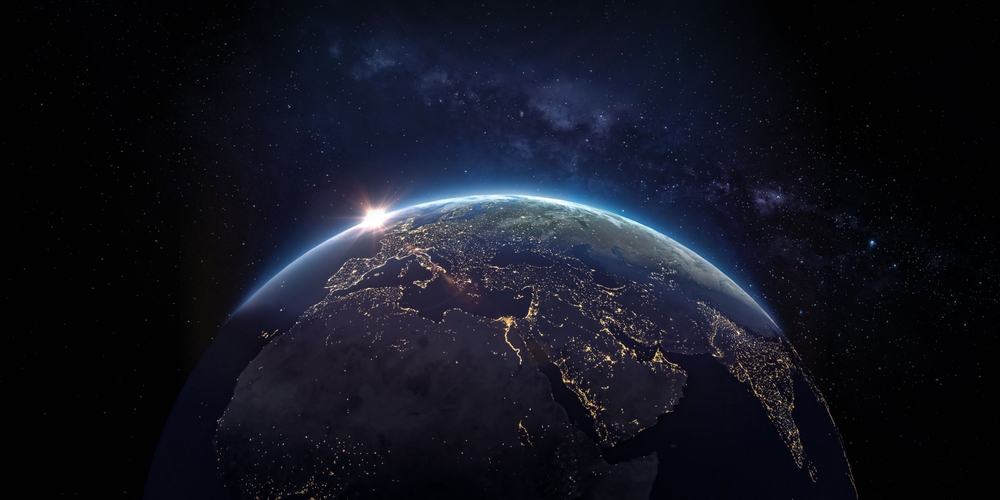
Here’s the kicker: the stars in the sky right now aren’t in the same place they were thousands of years ago when astrology charts were first created. Due to a phenomenon known as axial precession—the slow wobble of the Earth’s rotation—the positions of constellations have drifted. This means the original dates that corresponded with zodiac signs no longer match up with where those constellations are today.
So, when you proudly claim your sun sign, there’s a good chance it doesn’t actually align with the constellation it’s named after. That shift throws a cosmic wrench into the accuracy of modern astrology. What was once a tightly aligned system has drifted so much that it calls into question just how “personal” those horoscopes and natal charts really are. It might be time to rethink how much stock we place in zodiac labels.
2. Horoscopes Are Written to Apply to Everyone
Ever feel like your horoscope just gets you? That’s not a sign of celestial accuracy—it’s psychology at work. Most horoscopes are written with vague, generalized language that could apply to almost anyone. This tactic taps into the Forer effect, a psychological phenomenon where people believe broad, general statements are tailored specifically to them because they want them to be.
Writers carefully choose wording that feels specific without actually being so. You’re not the only one who reads, “You’re searching for direction right now,” and nods in agreement. It’s a trick that works because humans naturally seek patterns and meaning, especially in uncertain times. Enjoy horoscopes if they brighten your day, but remember they’re crafted more for emotional resonance than cosmic truth.
3. There’s Zero Scientific Evidence Supporting Astrology
Here’s the uncomfortable truth: astrology hasn’t stood up to scientific scrutiny. Studies spanning decades have consistently failed to find a credible link between astrological signs and personality traits, life paths, or behavioral tendencies, as shared by Sofia Quaglia at BBC Earth. According to numerous peer-reviewed articles and researchers in fields like psychology and astronomy, astrology doesn’t meet the criteria of a legitimate science.
It falls under the category of pseudoscience—something that presents itself with scientific terminology and structure but lacks empirical support. That doesn’t mean astrology can’t be meaningful on a symbolic or personal level, but using it to make serious decisions about your relationships, career, or health is risky. If you’re looking for certainty, science offers a better foundation than star charts.
4. Astrology’s Origins Were More About Farming Than Fate

Many people assume astrology has always been about personality types, love compatibility, and predicting the future. But historically, astrology was developed by ancient civilizations as a practical tool for tracking seasonal changes. Farmers used the movement of stars and planets to determine planting and harvesting times. It was, in essence, an early form of agricultural forecasting.
The shift toward personal destiny readings came much later and evolved with cultural storytelling. While the night sky was a reliable calendar, it wasn’t originally a cosmic therapist. Remembering astrology’s humble agricultural beginnings puts modern practices into perspective. It started with crops, not crushes—and that’s a big leap we tend to forget.
5. Astrology Mixes Astronomy with Mythology
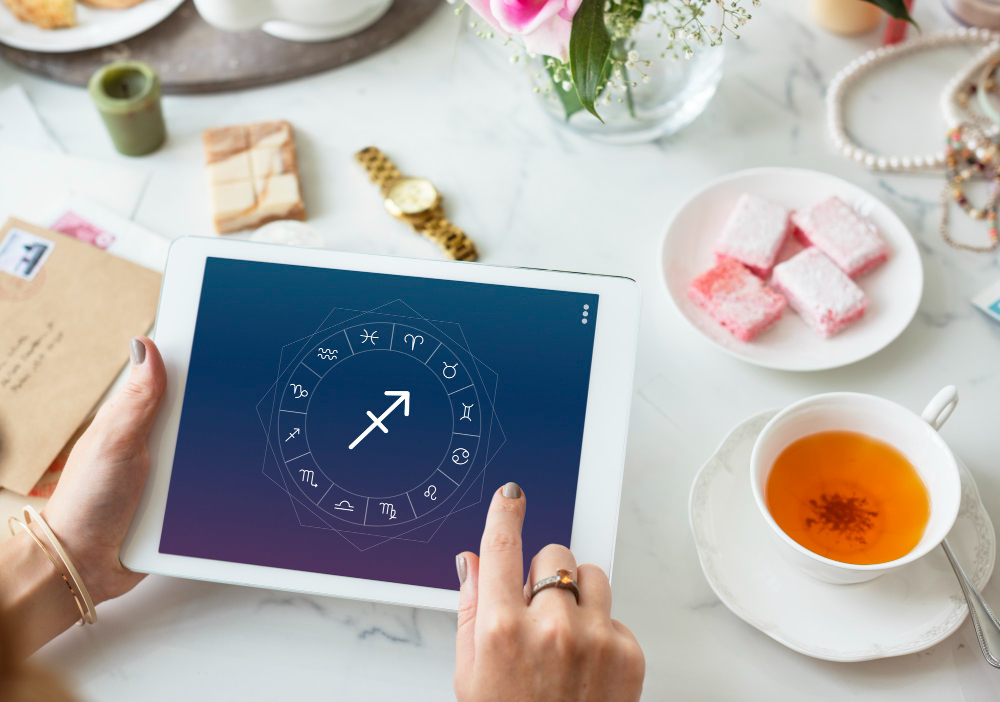
Astrology is often confused with astronomy, but the two couldn’t be more different. Astronomy is a science grounded in empirical observation and mathematical models, while astrology is a blend of star positions and ancient mythological narratives. The zodiac signs themselves are named after myth-based constellations, many of which have no real scientific significance.
What makes astrology appealing—its symbolic depth and storytelling—also makes it unreliable as a factual system. It’s essentially a creative interpretation of the cosmos, weaving together myth, symbolism, and speculation. This mix of reality and fantasy can be enchanting, but it’s also what keeps astrology from gaining scientific credibility. It’s beautiful in theory, but messy in practice.
6. The Planets Can’t Actually Influence Your Life
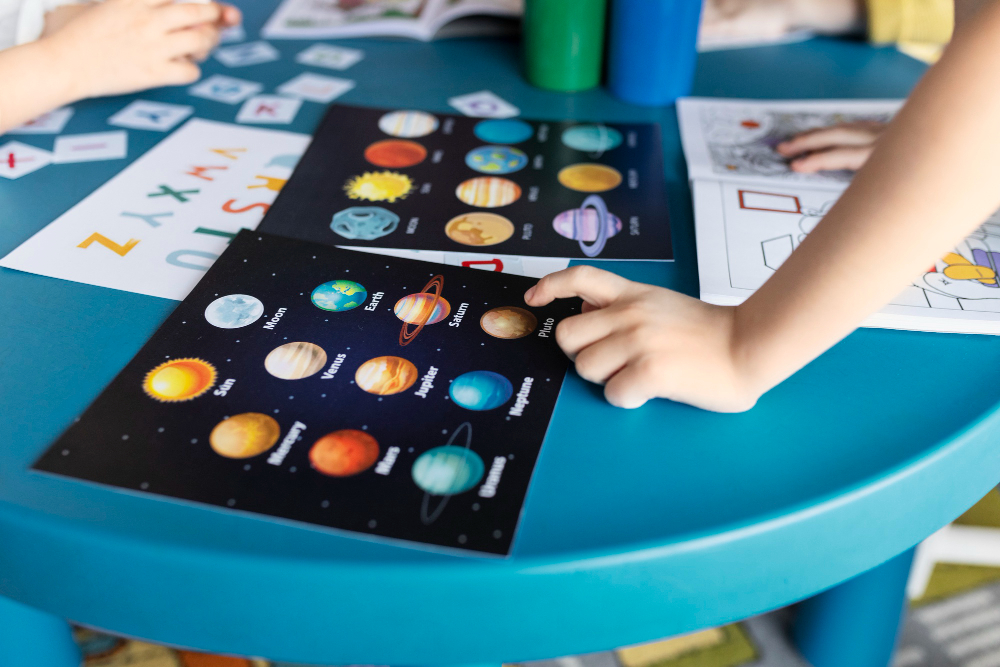
One of astrology’s central claims is that planets like Mars and Venus shape your personality or destiny. But in reality, these celestial bodies have no measurable influence over your behavior. They’re enormous, lifeless objects orbiting the sun, and their gravitational effects on you are negligible compared to things like your phone sitting in your pocket.
The traits assigned to each planet—Mars representing aggression, Venus symbolizing love—are metaphors, not facts. These associations come from ancient storytelling, not observable data. They may reflect human archetypes or emotional tendencies, but they don’t have any actual power over your choices or experiences. The influence is symbolic, not physical.
7. Your Birth Chart Is Just a Snapshot in Time
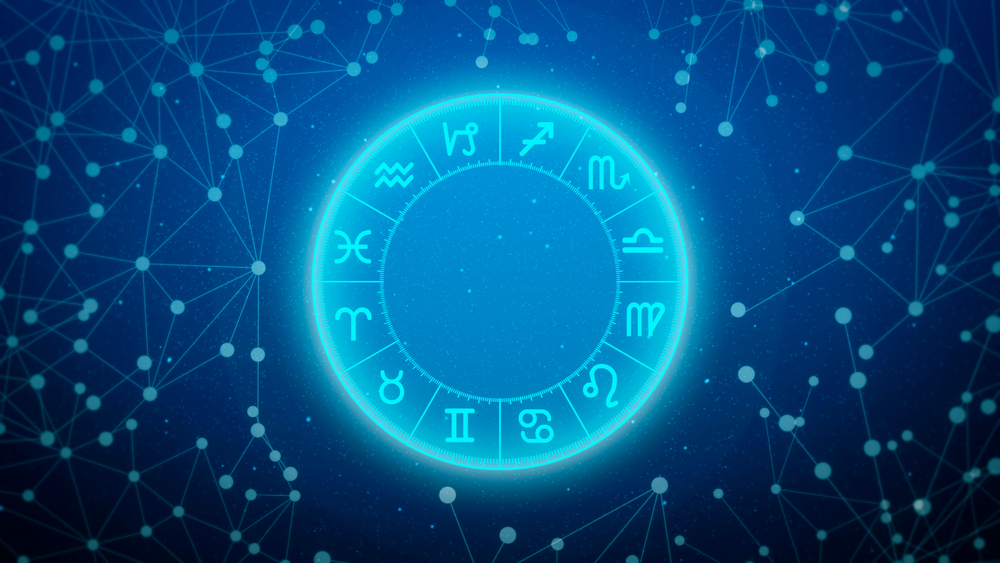
Your birth chart, often described as a celestial fingerprint, is essentially a map of where the planets were positioned at your exact time of birth. It’s detailed and complex, often interpreted to reveal your strengths, challenges, and life path. But ultimately, it’s just a moment frozen in time—not a prophecy etched in stone.
The idea that your entire destiny can be extracted from this single snapshot ignores the ever-changing nature of life and human choice. While birth charts can offer insights or prompts for reflection, they shouldn’t be used as rigid blueprints. Your actions, habits, and decisions play a far bigger role in shaping your journey than planetary alignments ever could.
8. Astrology Ignores the Complexity of Human Behavior
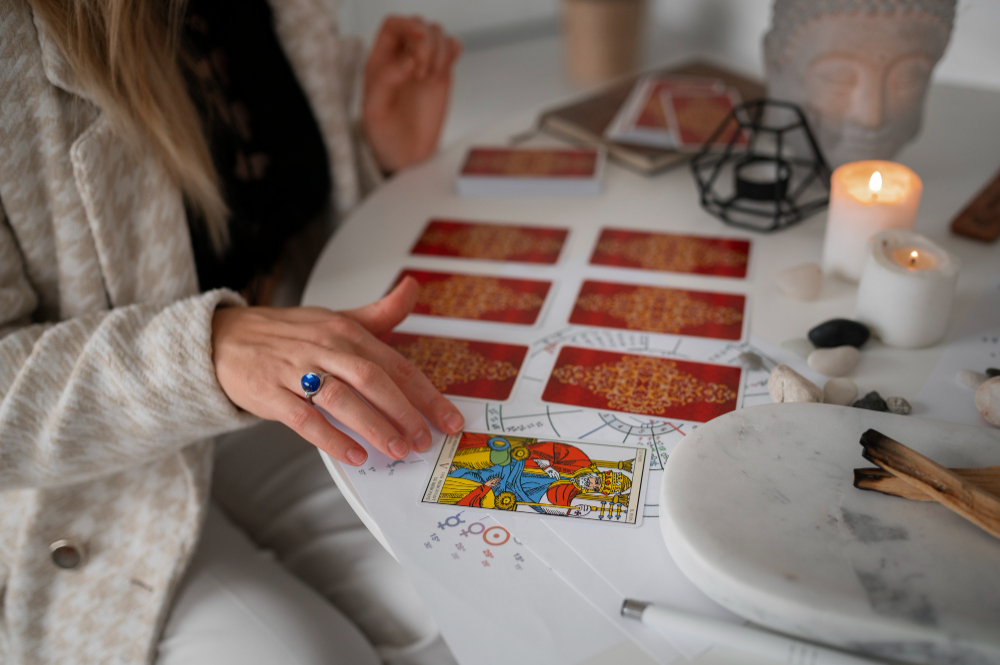
Trying to sum up a person’s personality with a single zodiac sign is like describing a novel using only its cover. Human beings are incredibly multifaceted, shaped by an endless mix of genetics, upbringing, environment, education, trauma, and culture. No twelve categories could ever capture that complexity with any accuracy.
Sure, reading about your sun sign might offer moments of resonance, but it’s an oversimplified lens. Two people born on the same day can live entirely different lives because of the nuanced factors that astrology doesn’t consider. Personality isn’t one-size-fits-all, and astrology tends to overlook the messy, layered reality of who we are.
9. Zodiac Signs Don’t Match the Modern Calendar
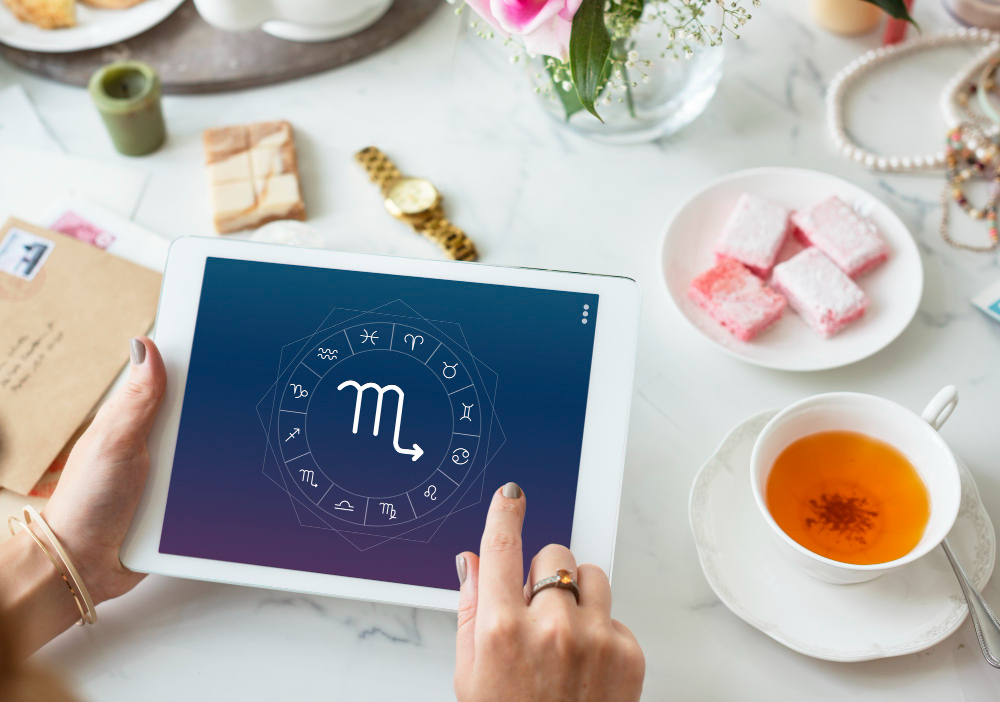
One surprising issue with astrology is how outdated its calendar has become. The zodiac system was established over 2,000 years ago based on where the sun appeared in constellations at specific times of the year. But due to axial precession, those positions have since drifted, meaning the sun no longer appears in the same spots on the same dates.
In other words, your “sign” might not be accurate by today’s sky. The constellations have moved, but the zodiac calendar hasn’t kept up. So while you might read your horoscope as a proud Sagittarius, modern astronomy might classify you under a completely different sign. That discrepancy makes modern astrology feel a bit like reading from an old map in a changing world.
10. Believing in Astrology Doesn’t Make You Foolish
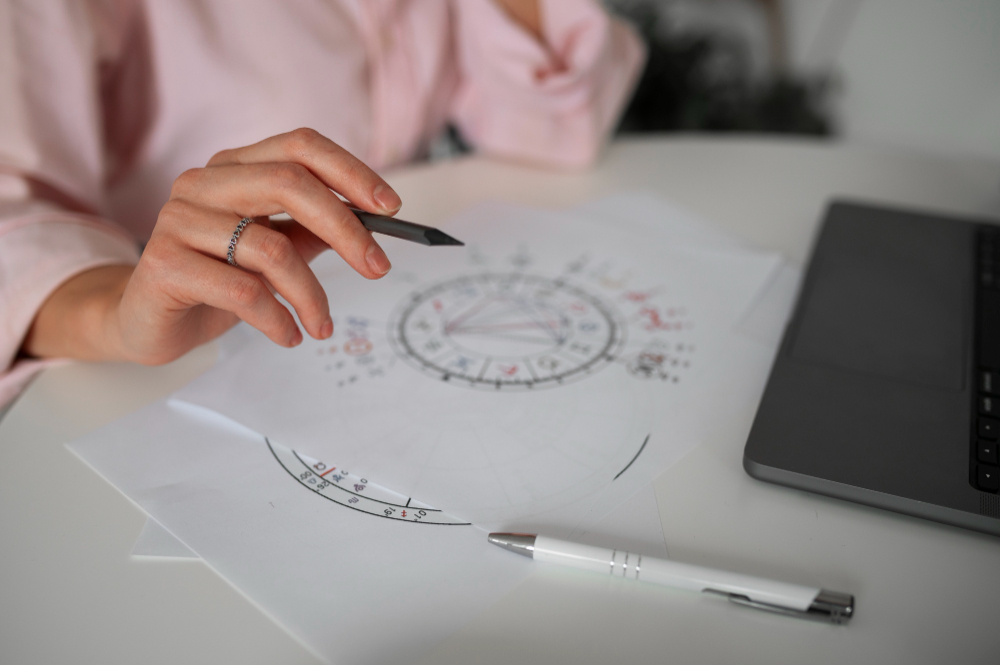
Here’s the twist: just because astrology lacks scientific backing doesn’t mean you’re foolish for finding value in it. Many people use it as a tool for reflection, personal growth, or simply comfort in a chaotic world. There’s something beautiful about drawing meaning from the stars—even if it’s symbolic rather than literal.
What matters most is how you engage with astrology. If you treat it as a fun or thoughtful exercise rather than a fixed rulebook, it can enhance your life without misleading you. Finding comfort in stories, rituals, and symbols is part of the human experience. Just keep in mind where science ends and symbolism begins—and you’ll navigate both worlds just fine.