
Don’t be caught off-guard and unprepared during a disaster or emergency.

Disaster can strike without warning, and when it does, the chaos and confusion can be overwhelming—especially for seniors who may have specific health or mobility concerns. Emergencies don’t wait until you’re ready, which is why preparing ahead of time can give you an enormous sense of security. It’s not about living in fear; it’s about making smart, proactive choices that keep you safe and connected no matter what life throws your way.
You’ve lived through plenty of uncertain moments in your lifetime, and you know the value of being prepared. Now more than ever, having a clear and practical plan can make all the difference. Whether it’s a natural disaster, a sudden evacuation, or a personal health emergency, taking these steps now will help you face any crisis with calm, courage, and confidence.
1. Create a “Go Bag” with Everything You Need

If you suddenly needed to leave your home—whether due to wildfire, flood, or medical emergency—would you have everything you need? A well-prepared “go bag” ensures you’re never scrambling at the last minute. Include essentials like daily medications, important personal documents (such as IDs, insurance cards, and medical directives), some cash, a flashlight, toiletries, and a few days’ worth of clothes. Don’t forget items like phone chargers and copies of prescriptions.
Keep your go bag in an easy-to-reach spot, like near the door or in a coat closet, and check its contents every few months to keep them updated, as mentioned by writers at Westchester County. Think of it as your lifeline during chaos—having it ready means you can focus on getting to safety without the panic of wondering what you’ve left behind. It’s a simple step that offers profound peace of mind.
2. Make Sure Your Emergency Contacts Are Up to Date

Imagine needing to call for help only to realize a phone number has changed or you don’t know who to reach first. That’s why it’s essential to keep a printed and digital list of emergency contacts, including family, friends, doctors, and local emergency services, according to the authors at Organizing With Leslie. Label them clearly in your phone and consider creating a laminated card you keep in your wallet or go bag.
Also, let your loved ones know they’re on your emergency list and talk through any expectations you might have of each other during a crisis. Whether it’s picking you up, calling in to check on you, or helping from afar, clear communication ahead of time avoids confusion and delays when time is critical. Staying connected is one of the most powerful tools you have in any emergency.
3. Prepare a Plan for Evacuating Your Home

A sudden disaster leaves no room for hesitation. Do you know which exits to use? What if the front door is blocked? Make sure you’ve thought through a basic evacuation plan, including how you’ll get out and where you’ll go, as reported by experts at American Red Cross. If you don’t drive, identify a neighbor, friend, or community resource that can help with transportation. Knowing these answers ahead of time is crucial.
Practice your plan periodically so it becomes second nature. Walk through the steps with someone you trust, and keep a written copy of the plan somewhere visible, like on the fridge. A plan that’s familiar is a plan you’ll actually use—and it could save your life. Preparation today means freedom from panic tomorrow.
4. Set Up Medical Alerts That Work for You
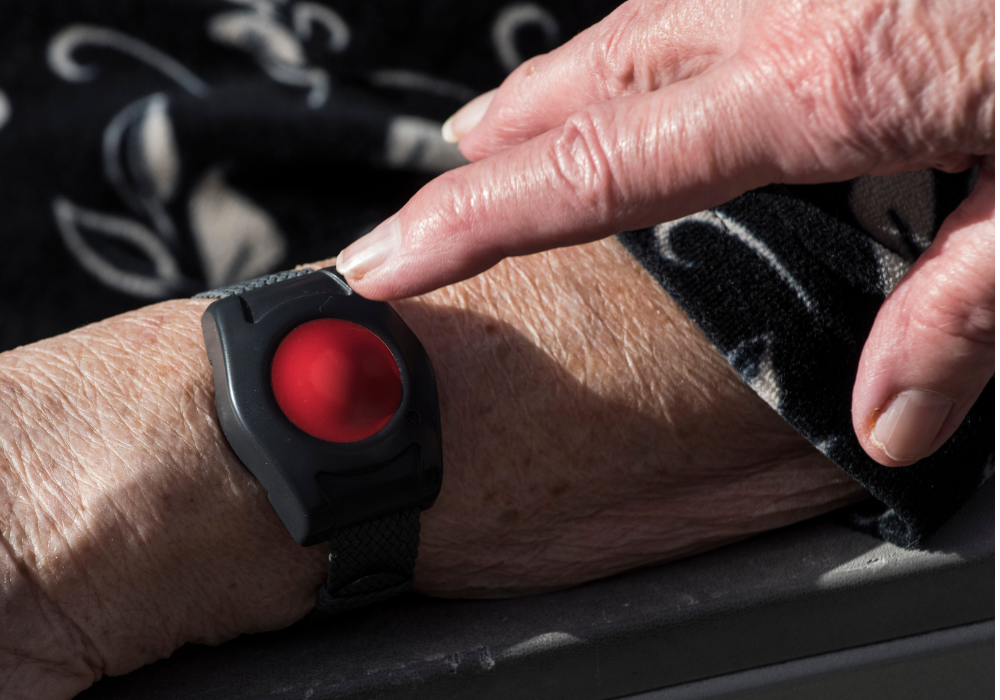
Living alone doesn’t mean being alone in a crisis. A medical alert system can be your direct line to help when you’re unable to reach a phone. From wearable pendants to voice-activated devices, there are options to fit every lifestyle. Choose one that’s easy for you to operate and that gives you confidence it will work when needed.
If you’re not tech-savvy, ask a family member or friend to help you set it up and practice using it. Keep it charged and wear it consistently so it becomes second nature. In an emergency, seconds matter—and with a reliable system in place, you won’t have to wait or worry about being found in time. Peace of mind is worth the investment.
5. Organize and Protect Your Important Documents
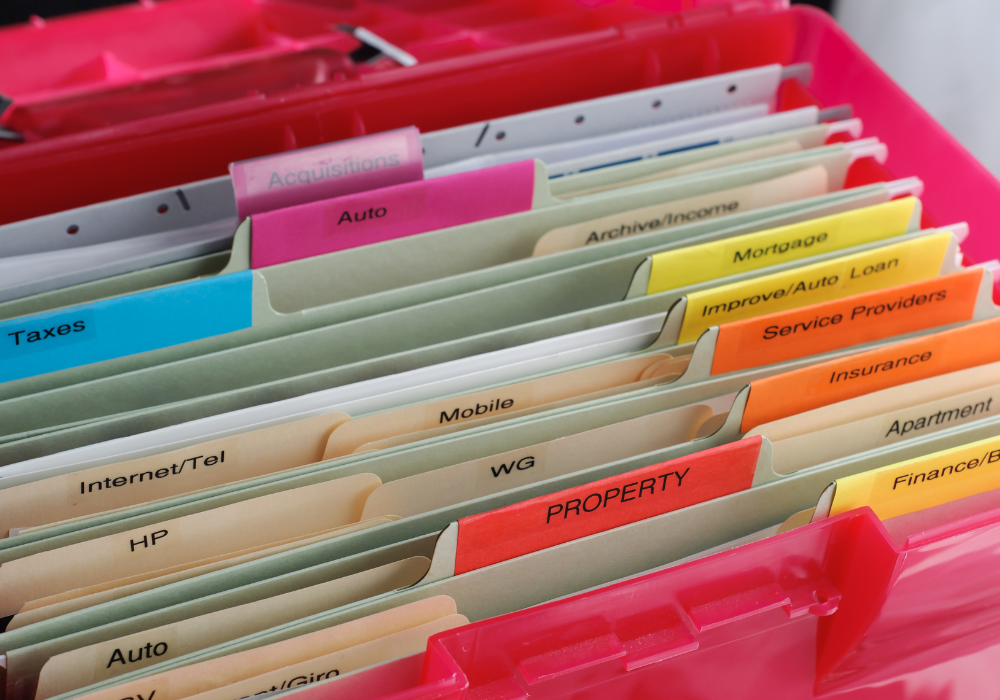
In a disaster, paperwork may be the last thing on your mind—but losing it can make recovery much harder. Store your vital documents—such as birth certificates, passports, insurance policies, wills, and medical records—in a waterproof, fire-resistant box. You might also consider scanning and uploading them to a secure digital cloud service.
Label each document clearly and keep a checklist of what’s included so you don’t overlook anything. When disaster strikes, having access to these files makes it easier to get support, file claims, and make decisions. Rebuilding your life will be far less stressful if you don’t have to hunt down documents or start from scratch.
6. Establish a Communication Plan with Family

During a crisis, your loved ones will want to know you’re safe—but cell towers can go down, and phone lines can be overwhelmed. That’s why it’s essential to have a family communication plan in place. Designate a meeting location and an out-of-town contact everyone can reach to relay updates. Agree on who checks on whom and how.
Write the plan down and give copies to those involved, so no one forgets under stress. You might even run a quick practice drill to see how smoothly it works. A little preparation now can spare a lot of worry later, making it easier to stay calm and focused when your emotions are running high.
7. Know Your Neighbors and Build a Support Network

You might not think much about your neighbors on an average day, but in an emergency, they can be a lifeline. Make it a point to introduce yourself and exchange contact information. If you have mobility issues or live alone, let them know how they can help—or how you might support each other if something goes wrong.
Even small acts of neighborly connection, like checking in during bad weather or knowing who might need help evacuating, can have life-saving impact. Build trust now, so that when disaster strikes, you’re not facing it alone. A strong community starts with a conversation, and it’s never too late to start one.
8. Customize Your Disaster Kit for Your Personal Needs
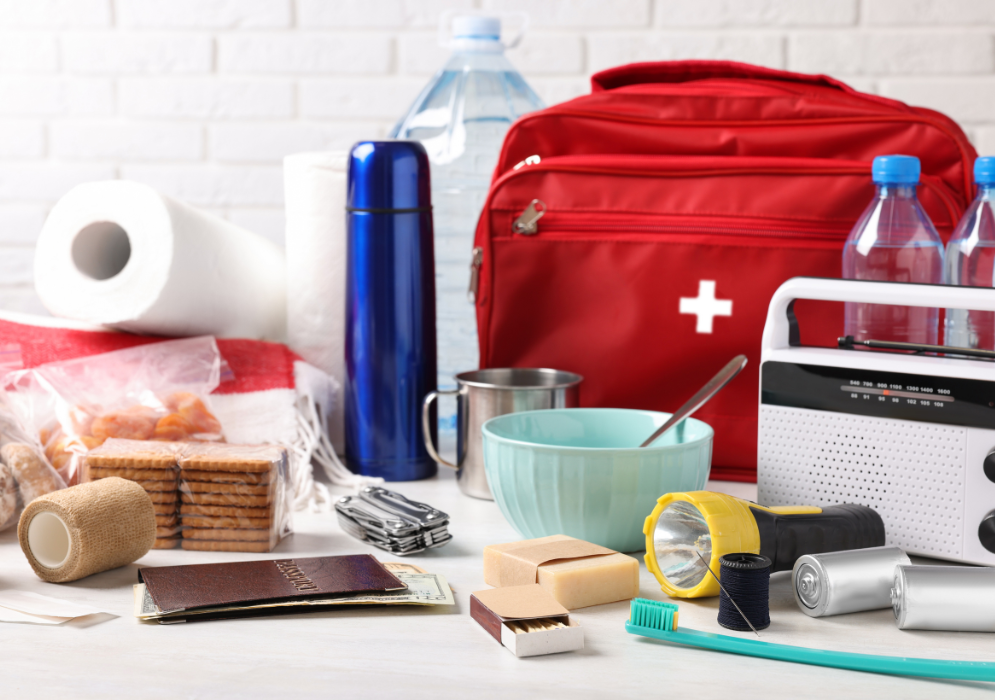
Your emergency kit should be as unique as you are. While everyone needs the basics—water, food, a flashlight—you may also need specialty items like extra hearing aid batteries, contact lens solution, blood sugar monitors, or even comfort items like a favorite book or blanket to help you stay calm under stress.
Think about your daily routine and what you couldn’t go without for 72 hours. Include copies of prescriptions, extra clothes, personal hygiene supplies, and anything else that would be difficult to replace quickly. The more tailored your kit is to your life, the more resilient you’ll be when faced with disruption.
9. Backup Your Health Information Digitally
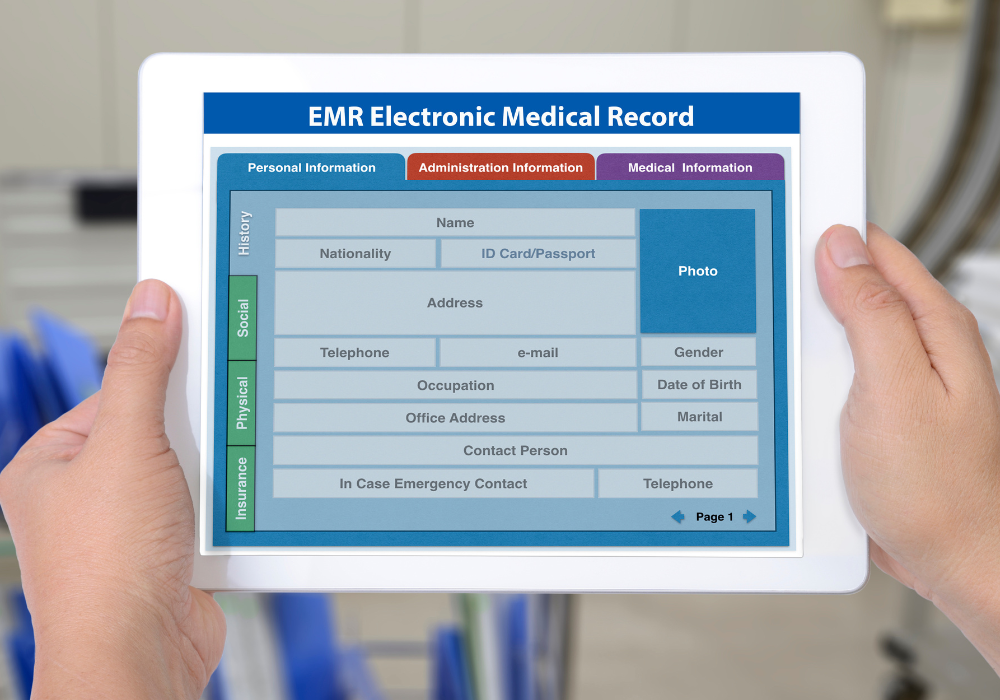
When hospitals and clinics are overwhelmed, having instant access to your health history can be a game changer. Store digital copies of your prescriptions, allergies, diagnoses, and health insurance information on a secure cloud service or encrypted flash drive. Keep login details in a safe place and let a trusted loved one know how to access them.
Apps like Apple Health or MyChart can also help consolidate this data, especially if you move between doctors or travel frequently. A digital backup gives you continuity of care even when records are lost or delayed. You’ll feel more in control of your well-being when you’re not relying on memory alone.
10. Develop a Home Safety Plan for Power Outages
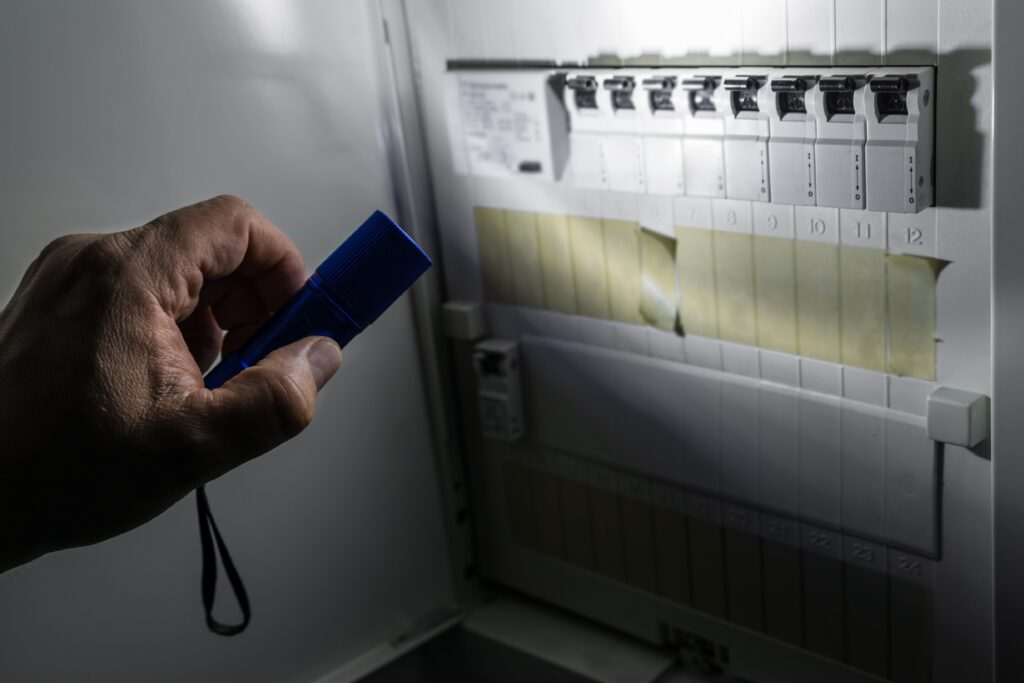
A loss of power can make your home unsafe in ways you might not expect. If you rely on electric medical equipment or refrigerated medication, you need to have a power backup plan in place. This could be as simple as battery backups or as advanced as a generator. Make sure all devices are regularly tested and ready to go.
You’ll also want to stock up on essentials like non-perishable food, bottled water, flashlights, and battery-powered radios. Consider purchasing solar chargers for phones or emergency lanterns. Being prepared means you can continue to function safely even if you’re without electricity for hours—or days.
11. Stay Informed About Local Risks and Warnings
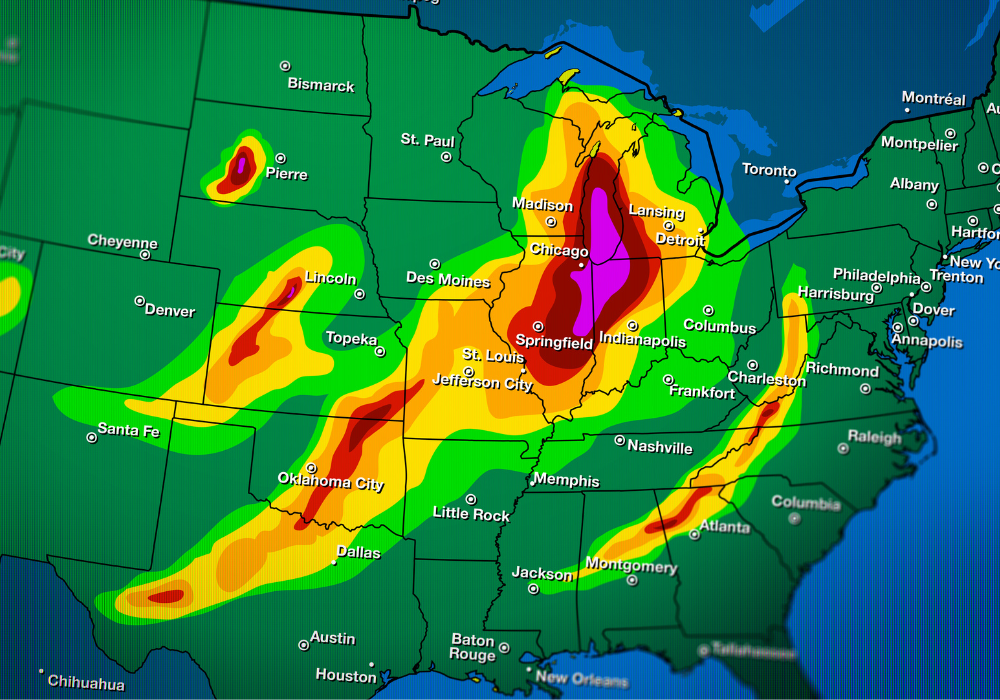
Knowledge is power during a crisis. Sign up for local emergency alerts through text or email, and familiarize yourself with the types of disasters most likely to happen in your area. This might be earthquakes, hurricanes, wildfires, or extreme heat waves. Knowing what to expect helps you prepare for the specific risks you face.
Keep a battery-powered or hand-crank weather radio on hand for updates in case cell service goes out. Understanding what’s happening and how it affects you allows for faster, smarter decisions. Instead of reacting with fear, you’ll move with clarity—and that makes all the difference.
12. Ensure You Have Adequate Insurance Coverage

A surprising number of people discover their policies don’t cover what they assumed they did—until it’s too late. Review your health, home, and auto insurance regularly, especially if you’ve made recent changes like downsizing or adding mobility equipment. Check if you’re protected against flooding, wildfires, or earthquakes.
Speak with an insurance agent if you’re unsure about coverage gaps, and keep all your policies organized and accessible in case you need to file a claim quickly. Protecting your assets isn’t just a financial move—it’s a way to ensure you bounce back faster with fewer setbacks after a disaster.
13. Have a Plan for Your Pets
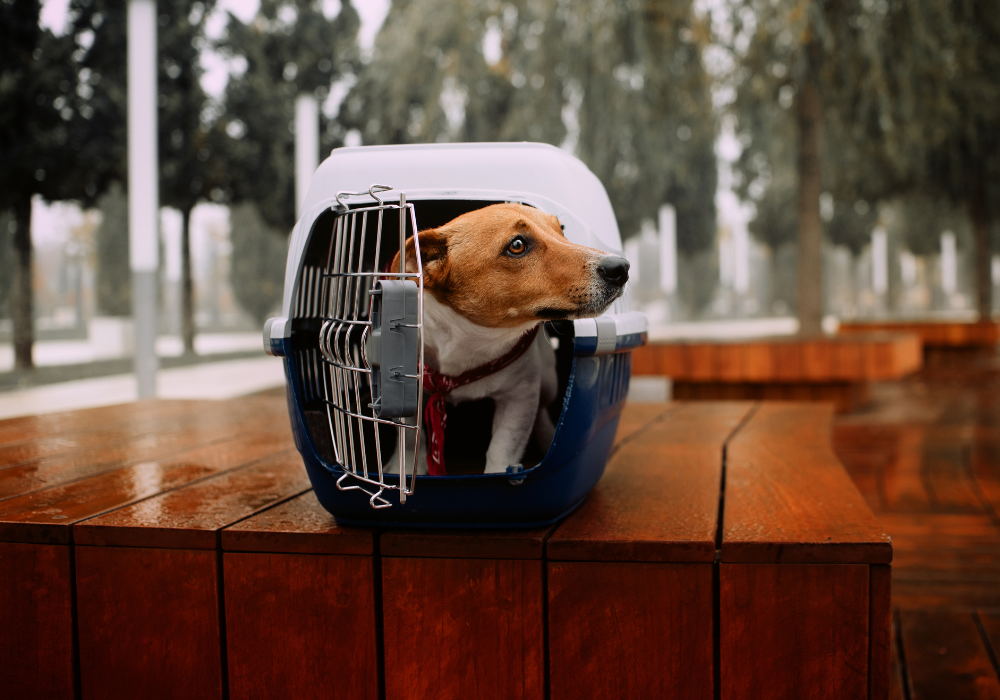
Your furry companions are part of your family, and they deserve a solid emergency plan too. Pack a small pet emergency kit that includes food, water, leashes, medications, and comfort items. Make sure their ID tags are up to date, and consider microchipping if you haven’t already.
Know in advance where you can bring your pet in an evacuation, as not all shelters accept animals. Ask friends or local vets about pet-friendly lodging or foster care options in a pinch. Including your pets in your planning ensures no one is left behind when it matters most.