
A piece of space debris turned a routine Chinese mission into a high-stakes survival story.
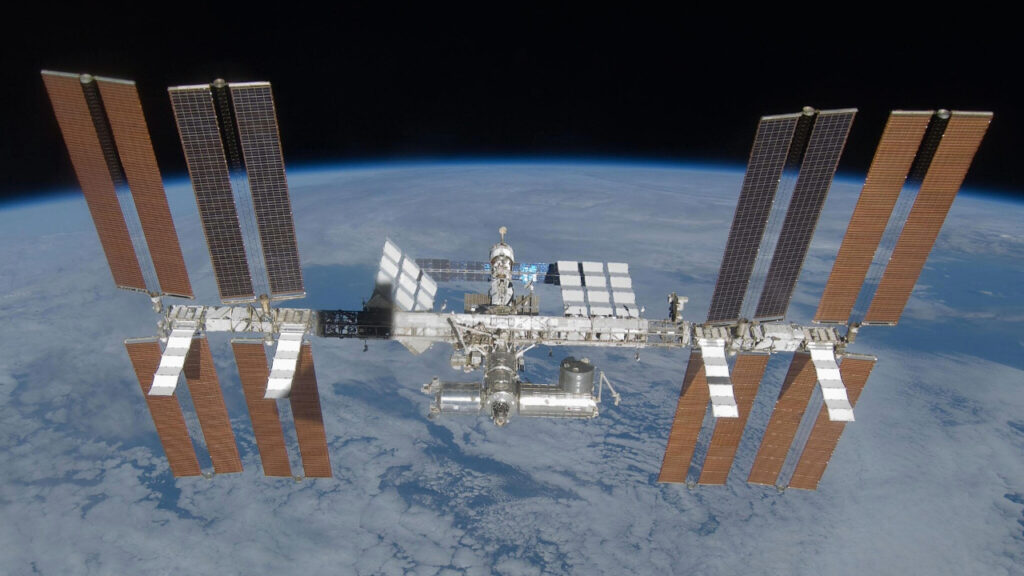
What began as a smooth orbital experiment quickly spiraled into chaos when a fragment of orbital debris struck the Shenzhou return capsule, crippling its reentry system. The crew, three seasoned taikonauts, now find themselves stranded aboard China’s Tiangong space station as engineers on Earth scramble for solutions.
The accident exposes not just a technical failure, but the growing danger of a cluttered orbit that threatens every future space mission.
1. The collision happened in seconds — and changed everything.
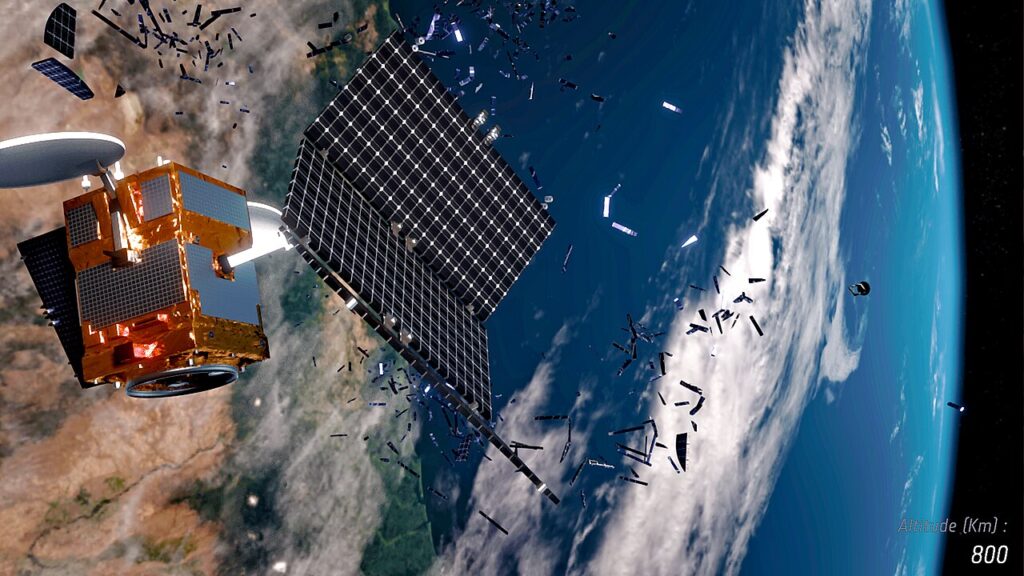
Tracking systems had warned of nearby debris, but it appeared to pose no immediate threat. Then, within moments, a small fragment slammed into the capsule’s service module, damaging critical sensors and part of its heat shield. Though the impact didn’t cause an explosion, it rendered the capsule unsafe for reentry. The crew immediately shifted to emergency protocols as ground control assessed the damage.
Space debris moves faster than bullets, and even tiny particles can tear through metal. The incident underscores just how fragile human life is beyond Earth’s atmosphere. Every second counts when orbital paths cross, and this time, luck ran out. The silence that followed the impact was the kind that only space can deliver — absolute, terrifying, and endless.
2. Engineers on Earth are racing against time.
Mission control in Beijing immediately launched contingency planning. The damaged capsule means the crew cannot safely reenter the atmosphere without catastrophic risk. Specialists are now developing a remote repair plan or, failing that, organizing a rescue mission using the next Shenzhou launch window. Both options are dangerous and complex.
Coordinating a rescue in orbit isn’t like sending a tow truck — every maneuver must be timed to the millisecond. Fuel limits, orbital decay, and unpredictable debris fields complicate every move. Behind the scenes, international teams are quietly offering assistance, proving that space crises can blur geopolitical lines faster than any diplomatic summit.
3. The crew is safe — but under growing strain.
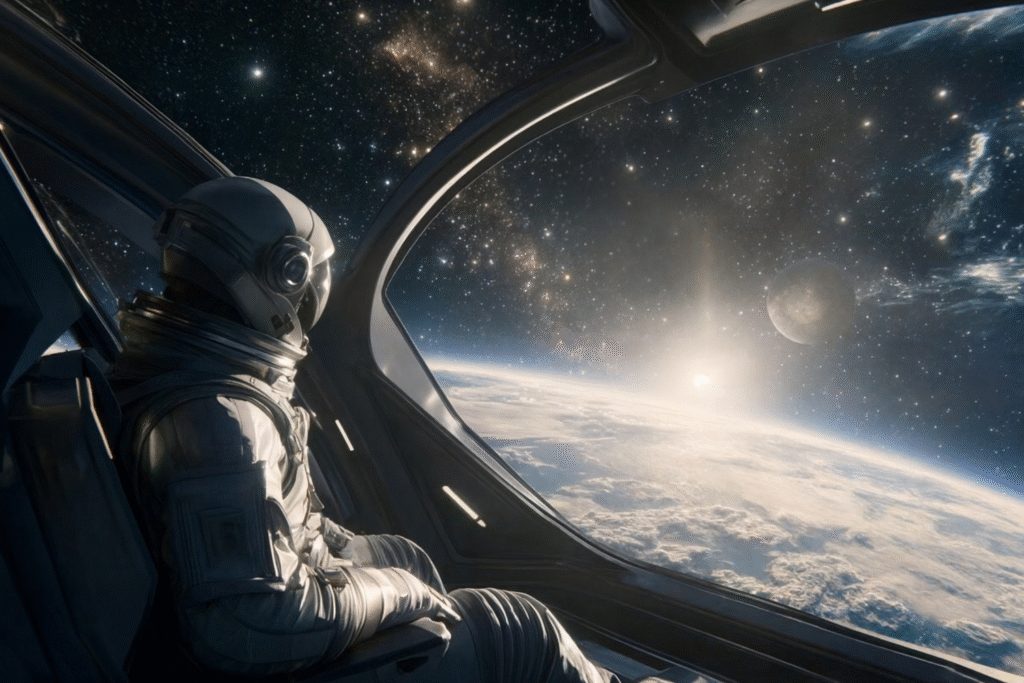
The three astronauts aboard Tiangong are stable and in communication with mission control. They’ve switched to power-saving mode to preserve resources and are rationing supplies while waiting for updates. Official statements describe their morale as “strong,” but prolonged isolation and uncertainty test even the most disciplined crews.
Living in orbit under normal circumstances is challenging; living there indefinitely is something else entirely. Every routine task — sleeping, eating, staying fit — now carries psychological weight. The crew’s calm professionalism masks the silent anxiety of being trapped hundreds of miles above Earth, looking down at a home they currently can’t reach.
4. China’s growing space ambitions face their biggest test.
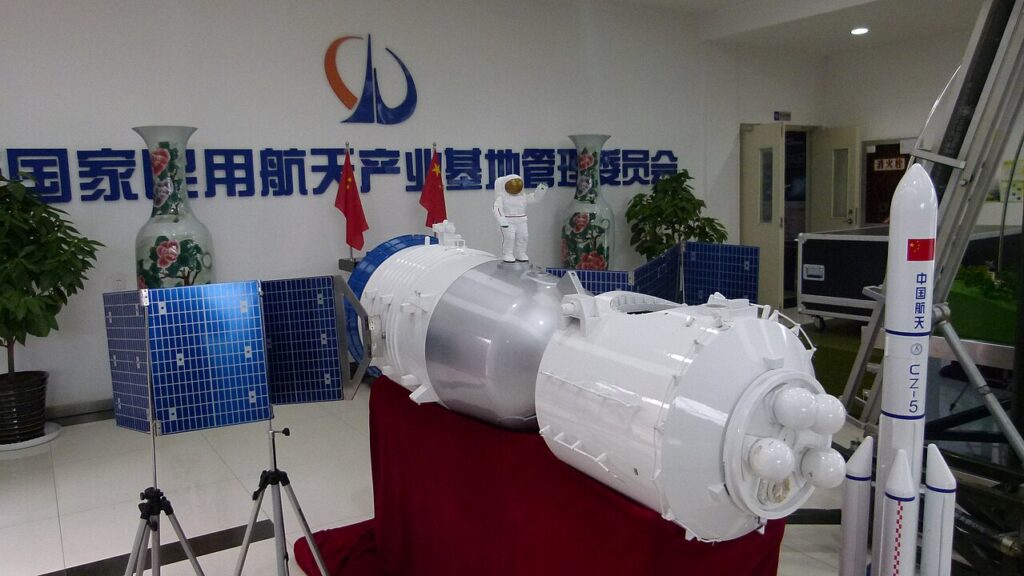
China’s space program has been a source of immense national pride, symbolizing its arrival as a technological superpower. This setback, however, exposes the risks that come with rapid expansion into low Earth orbit. The Shenzhou program has achieved remarkable milestones, but the debris strike highlights how fragile those triumphs can be.
How China handles this moment will shape global perceptions of its capabilities. Success could cement its status as a space leader. Failure could stall years of progress. The nation’s response isn’t just about saving three astronauts — it’s about proving that its space infrastructure can withstand the hazards of a crowded and unpredictable frontier.
5. The growing debris crisis has reached a breaking point.

There are now more than a million pieces of debris orbiting Earth, some as small as paint flakes and others the size of buses. Each one travels at roughly 17,000 miles per hour, turning low Earth orbit into a minefield. The collision with the Shenzhou capsule is the latest and most dramatic example of the problem humanity has created for itself.
Experts have warned for years about a potential “Kessler syndrome,” where one collision triggers a chain reaction of debris that makes space travel nearly impossible. This latest incident might be the wake-up call governments need to start cleaning up orbit before it becomes permanently unsafe. For now, the damage is no longer hypothetical — it’s painfully real.
6. Rescue plans are pushing the limits of technology.
China is considering several unprecedented options to bring the crew home safely. One possibility involves launching an uncrewed Shenzhou craft for an automated docking maneuver — a process with zero margin for error. Another involves using robotic arms on Tiangong to stabilize the damaged capsule for reentry, a feat that has never been attempted in real conditions.
These maneuvers would stretch existing technology to its limits. Every simulation, every calculation carries enormous stakes. If successful, the rescue could become a landmark in human spaceflight. If not, it would serve as a tragic reminder that progress in space often comes one perilous mission at a time.
7. Humanity’s future in orbit depends on what happens next.
This crisis has forced a sobering realization: as space becomes more crowded, every mission carries shared risk. The orbital environment no longer belongs to one nation — its safety depends on global responsibility. The stranded taikonauts have become symbols of both human vulnerability and resilience.
Their ordeal might inspire new international cooperation on debris management and emergency response. Or it could expose how unprepared the world remains for disasters beyond Earth. Either way, the lesson is clear: our reach into space has outpaced our ability to protect it, and now, humanity must confront the consequences of its own ambition.