
Everyone has these unsettling thoughts, but no one dares to talk about them.

Ever had a thought so dark you’d never say it out loud? The kind that sneaks up on you, makes you do a double take, and then disappears just as fast? You’re not the only one. No matter how put-together or kindhearted someone seems, we all have moments where our minds wander into unsettling territory.
It doesn’t mean anything is wrong with you—it just means you’re human. But most people would rather take these thoughts to the grave than admit they’ve had them.
Curious to know what lurks in the back of everyone’s mind? Some of these might hit closer to home than you expect.
1. How much pain could I take before breaking?

The mind has a strange way of flirting with extremes, even when there’s no real intention of testing them. Some people wonder how they would handle intense physical pain, emotional devastation, or complete isolation — there are real consequences to suffering this kind of pain. Would they endure, or would they crumble? The thought isn’t necessarily about wanting to experience suffering, but about questioning personal limits.
It’s a mental rehearsal, a test of resilience that often arises in moments of uncertainty. The unsettling part is realizing that no one truly knows their breaking point until they reach it—and by then, it’s too late to prepare.
2. What would it feel like to do something truly horrible?
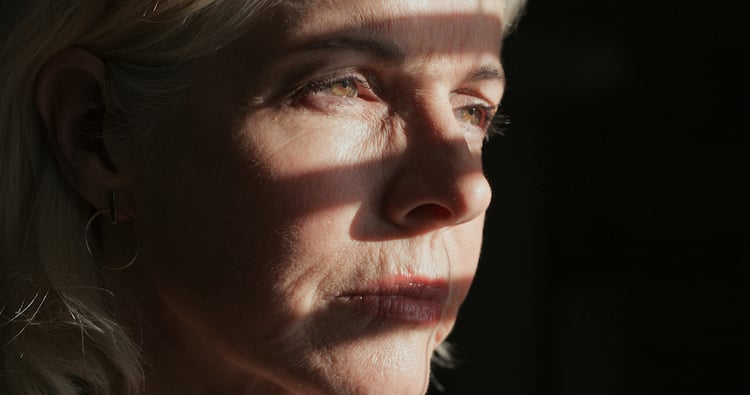
The idea of stepping over an irreversible line is both terrifying and oddly fascinating. Not because there’s an actual desire to cause harm, but because the human mind is wired to explore even the darkest possibilities. Some thoughts arise out of curiosity or a creative mind—wondering what drives people to commit unspeakable acts.
Others come from a deeper, hidden part of the psyche that questions what one is truly capable of. The mere fact that such thoughts exist is unsettling, even though morality keeps most people from ever acting on them. Yet, the question lingers—how thin is the line between thought and action?
3. Just one lie that could destroy someone’s life.
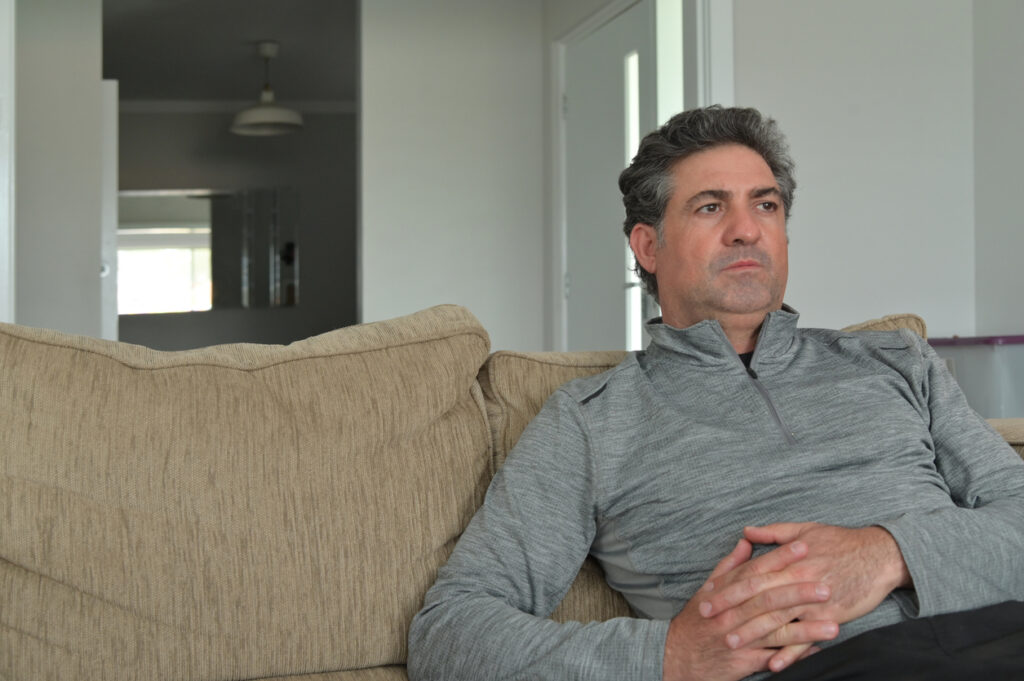
It doesn’t take much—just the right accusation, a twisted version of the truth, or a rumor whispered to the right person. The realization of how fragile reputations are can be unsettling. In an era where public perception can change in an instant, knowing that destruction is just one well-placed lie away is a chilling thought.
Most people would never act on it, but the knowledge of its power remains. The darker side of human nature enjoys control, and nothing grants control quite like the ability to dismantle someone’s world with nothing more than carefully chosen words.
4. If death came today, how much would really change?

There would be grief, tears, and moments of remembrance, but after a while, life would go on. The world doesn’t stop, no matter who disappears. This thought creeps in during moments of existential doubt, forcing a hard look at personal significance. Is a life truly meaningful if its absence changes so little?
People want to believe they matter, that their presence has weight. But the truth is, time moves forward with or without them. While some legacies last, most fade into the background of history, replaced by new names, new stories, and new concerns.
5. There’s something satisfying about watching things fall apart.

Not necessarily personal destruction, but the slow unraveling of people who seemed untouchable. Scandals, betrayals, failures—there’s an eerie fascination in witnessing the downfall of someone who once seemed invincible. Perhaps it’s a reminder that no one is immune to collapse.
Maybe it’s the allure of justice, the feeling that those who rose too high are finally paying the price. It isn’t always rooted in malice, but in a desire to see the illusion of perfection shattered. The unsettling truth? People crave stories of triumph, but they’re equally, if not more, drawn to stories of downfall.
6. Imagining the death of a loved one happens more often than people admit.

The thought is never invited, yet it appears without warning. A sudden accident, a terminal illness, an unexpected tragedy—these scenarios play out in the mind as if rehearsing for something that hasn’t happened. It’s not about wanting it to occur, but about attempting to prepare for the unthinkable.
The human brain seeks control, and one way it does that is by mentally testing out worst-case scenarios. What’s disturbing is not just the thought itself, but the realization that sometimes, when it crosses the mind, it brings a strange emotional detachment rather than fear.
7. Maybe their emotions are just an act.

There’s a difference between feeling something and performing it. People smile when they don’t mean it, laugh when nothing is funny, and pretend to care when their mind is elsewhere. Over time, the line between genuine emotion and social expectation begins to blur. It raises an unsettling question: do people truly feel, or have they just learned to mimic what’s expected?
The ability to mask emotions is often a survival skill, but if the mask is worn long enough, what’s underneath may begin to fade. In the end, authenticity becomes harder to recognize—even within oneself.
8. There are moments when chaos seems more appealing than order.
Monotony is suffocating. Life falls into predictable rhythms, and even stability can start to feel like a prison. The idea of something disruptive—an unexpected disaster, a dramatic turn of events, a total upheaval—carries a strange appeal. Not because destruction is the goal, but because sudden change forces everything into focus.
People crave excitement, and sometimes, even negative chaos feels preferable to endless routine. It’s why disaster movies are thrilling, why breaking news captivates, why some people secretly long for something—anything—to break the cycle of sameness, even if it comes with consequences.
9. In the end, nothing really matters.

Life is temporary. Everything built, everything feared, everything fought for—it all vanishes. Time erases even the greatest legacies, and the weight of existence eventually fades into irrelevance. It’s a thought that either liberates or destroys, depending on the perspective.
Some find peace in the idea, embracing the freedom to live without pressure. Others spiral into despair, questioning the point of anything. But regardless of how one reacts, the truth remains: everything ends. The only thing left to decide is whether that realization will be a reason to give up or a reason to make every moment count.
10. Most beliefs are based on convenience, not conviction.

People claim to have strong morals, deep convictions, and unshakable values, but when tested, many of those beliefs shift. It’s easy to say what’s right when there’s no cost to believing it. But when faced with pressure, loss, or personal stakes, suddenly, principles become negotiable.
The unsettling reality is that people believe what benefits them most. Morality bends when survival is on the line, and loyalty crumbles when self-interest takes priority. It’s a thought that makes trust fragile and raises the question—how many of the people who seem righteous would stay that way if everything was on the line?
11. Without consequences, people would act in ways they never admit.

Fear of punishment keeps society functioning. Laws, social norms, and reputations hold people in place. But if all of that disappeared? If there were no risk, no judgment, no repercussions—how much would change? Would kindness remain, or would selfishness take over?
The uncomfortable truth is that morality is often enforced by fear, not by an inherent sense of right and wrong. The fact that so many unthinkable acts are only prevented by consequences suggests something unsettling—goodness might not be as ingrained as people like to believe.