
A single gene-editing treatment could permanently slash dangerous cholesterol levels without daily medication.

Researchers have achieved remarkable results using CRISPR technology to reduce LDL cholesterol by half in clinical trials. This gene therapy approach targets the liver cells responsible for cholesterol regulation, offering patients a one-time treatment that could replace lifelong statin medications.
The breakthrough represents a fundamental shift in how we might treat heart disease, the leading cause of death worldwide, by addressing the genetic root of high cholesterol rather than just managing symptoms.
1. The CRISPR treatment works by editing a specific gene in liver cells.

Scientists designed this therapy to disable the PCSK9 gene, which normally limits the liver’s ability to clear LDL cholesterol from the bloodstream. By turning off this gene using precise CRISPR editing, the treatment allows liver cells to remove cholesterol more efficiently and continuously. The editing happens directly inside the body after patients receive an intravenous infusion containing the CRISPR components packaged in lipid nanoparticles.
These nanoparticles deliver the gene-editing machinery specifically to liver cells, where PCSK9 is produced. Once inside, the CRISPR system makes a targeted cut in the PCSK9 gene, permanently inactivating it. The entire editing process takes just a few days, but the effects appear to last indefinitely since the genetic change becomes part of the liver cells’ permanent blueprint.
2. Clinical trial participants saw their LDL cholesterol drop by an average of 55%.

The phase two trial enrolled patients with hereditary high cholesterol who struggled to manage their levels despite taking maximum doses of statins. After receiving the CRISPR treatment, participants experienced dramatic reductions in their LDL cholesterol that persisted throughout the six-month study period. Some patients saw their levels drop by more than 60%, bringing dangerously high readings down to normal or near-normal ranges.
These results exceeded researchers’ expectations and proved remarkably consistent across different patients. Blood tests showed the edited liver cells were functioning normally while producing significantly less PCSK9 protein. Participants reported no serious side effects, and many were able to reduce or eliminate their daily cholesterol medications while maintaining healthy levels.
3. High LDL cholesterol remains one of the biggest risk factors for heart disease.

LDL cholesterol, often called “bad cholesterol,” builds up in artery walls and forms plaques that restrict blood flow to the heart and brain. This process, known as atherosclerosis, leads to heart attacks and strokes that kill more people globally than any other cause. Despite decades of statin medications and lifestyle interventions, millions of people still can’t achieve safe cholesterol levels.
Hereditary conditions like familial hypercholesterolemia affect roughly one in 250 people, causing dangerously high cholesterol from birth. These individuals face heart attacks in their thirties or forties without aggressive treatment. Even among the general population, nearly 40% of adults have elevated LDL levels that increase their cardiovascular risk substantially.
4. Current cholesterol treatments require lifelong daily medication with varying effectiveness.

Statins have been the gold standard for cholesterol management since the 1980s, but they come with limitations. Many patients experience muscle pain, fatigue, or other side effects that make long-term adherence difficult. Additionally, statins typically lower LDL by only 30-40%, which isn’t enough for people with severe hereditary high cholesterol or those who’ve already had cardiovascular events.
Newer injectable medications that block PCSK9 work better but cost tens of thousands of dollars annually and require injections every few weeks. The daily pill regimen and ongoing medical expenses of conventional treatment create barriers that leave many people inadequately treated. Roughly half of patients prescribed statins stop taking them within a year, often because of side effects or simply forgetting daily doses.
5. The one-time treatment approach could transform cardiovascular disease prevention.

Imagine addressing a lifelong disease risk with a single medical procedure rather than decades of daily medication. This CRISPR therapy offers that possibility, potentially preventing heart attacks and strokes before they happen in at-risk individuals. The convenience factor alone could dramatically improve outcomes, since patients wouldn’t need to remember pills or schedule regular injections.
Cost analyses suggest that despite a high upfront price, a permanent treatment could prove more economical than purchasing cholesterol medications for 30 or 40 years. Insurance companies and healthcare systems are watching these trials closely, recognizing that preventing cardiovascular events saves enormous amounts of money compared to treating heart attacks, strokes, and their complications.
6. CRISPR technology is rapidly moving from laboratory curiosity to practical medicine.
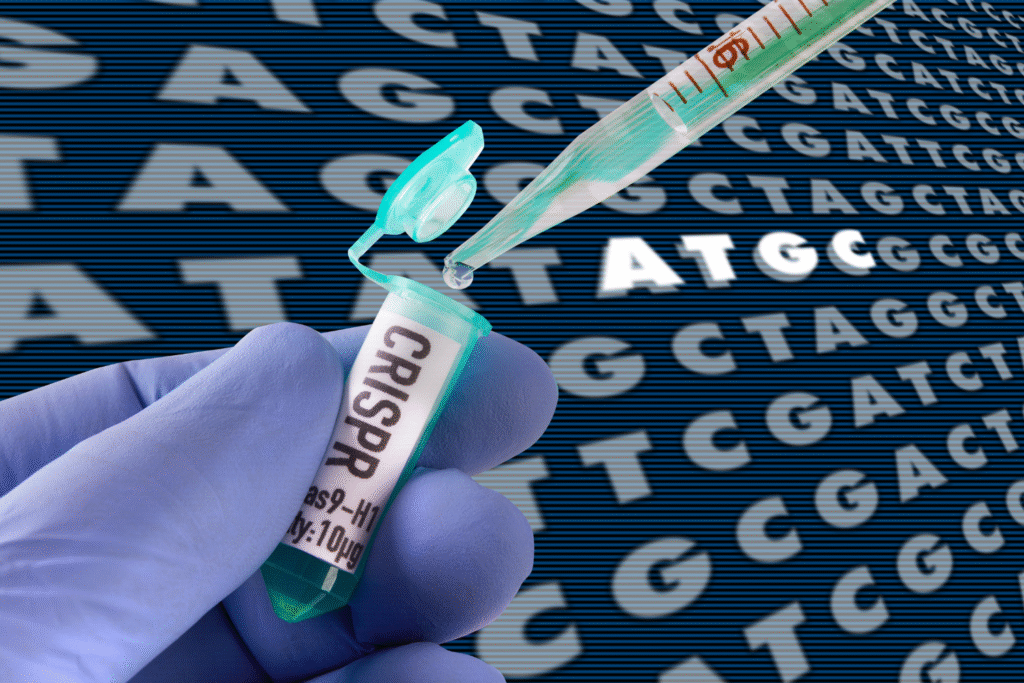
Just over a decade ago, CRISPR was a novel discovery that scientists were still learning to harness. Now it’s delivering real therapeutic results in humans, with this cholesterol treatment joining successful trials for sickle cell disease, beta thalassemia, and certain cancers. The technology’s precision and versatility make it applicable to thousands of genetic conditions that were previously untreatable.
Each successful trial builds confidence in CRISPR’s safety profile and expands our understanding of how to deploy it effectively. Regulatory agencies have approved the first CRISPR therapies, establishing pathways for future treatments to reach patients. The cholesterol application is particularly significant because it targets a common condition affecting hundreds of millions of people rather than rare diseases.
7. Safety monitoring will remain crucial as gene-editing therapies expand to larger populations.

Permanently altering human genes carries theoretical risks that researchers are carefully tracking. Concerns include off-target edits where CRISPR might accidentally modify unintended genes, though improved delivery methods and editing precision have made this increasingly rare. Long-term studies need to confirm that edited cells function normally for years or decades without unexpected consequences.
The trial participants will be monitored for at least 15 years to detect any delayed effects. Scientists are also studying whether the treatment might affect other aspects of metabolism or create unforeseen interactions with other medications. So far, the safety data looks encouraging, but the medical community rightfully demands extensive evidence before gene therapy becomes routine for common conditions.
8. Researchers are already exploring CRISPR treatments for numerous other chronic diseases.

The success with cholesterol has energized efforts to apply gene editing to conditions like Type 2 diabetes, obesity, chronic kidney disease, and neurodegenerative disorders. Scientists are identifying genetic targets that could be modified to treat or prevent these conditions at their source. The liver proves an ideal target organ because it’s accessible through the bloodstream and naturally filters large volumes of blood.
Beyond single-gene edits, researchers are developing more sophisticated approaches that could regulate multiple genes simultaneously or fine-tune gene expression rather than completely disabling genes. These next-generation therapies might address complex diseases involving numerous genetic factors. The cholesterol breakthrough demonstrates that CRISPR medicine works in practice, opening doors to treatments that seemed like science fiction just a few years ago.