
A nationwide recall of a common blood pressure drug has patients scrambling for answers.

The FDA has issued a new recall affecting thousands of bottles of Ziac, a widely prescribed medication used to manage hypertension. Inspectors found that certain lots were contaminated with trace amounts of another drug manufactured at the same facility, prompting concerns about safety and quality control.
While officials say the risk of harm is low, doctors warn that stopping the medication abruptly could be far more dangerous for patients relying on it daily.
1. The recall targets specific lots of Ziac contaminated during production.
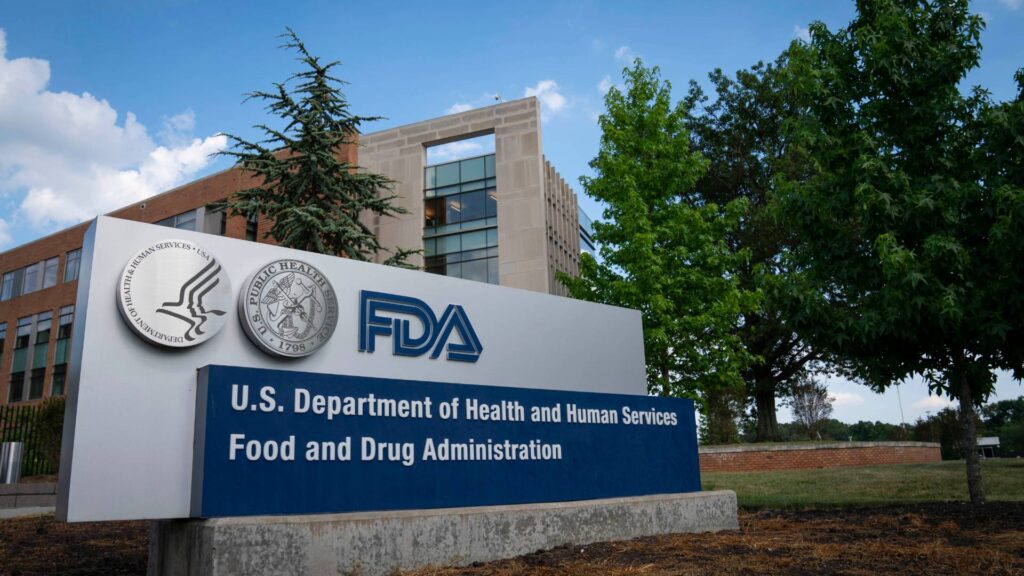
The FDA recall focuses on Ziac tablets in 2.5 mg and 6.25 mg strengths after routine testing detected accidental cross-contamination with a cholesterol-lowering drug. The contamination occurred during manufacturing, where shared equipment or packaging lines likely introduced the error. The issue affects more than 11,000 bottles distributed nationwide.
Though the contamination wasn’t linked to toxicity or incorrect dosing, the FDA requires removal of any medication that doesn’t meet purity standards. Patients taking Ziac are encouraged to check the lot number on their bottle to determine whether their prescription is part of the recall.
2. Experts warn patients not to stop taking their medication suddenly.

Despite the recall, doctors caution patients against halting their blood pressure medicine abruptly. Ziac treats hypertension, a condition that can worsen quickly without consistent treatment. Sudden withdrawal can cause dangerous spikes in blood pressure, dizziness, headaches, or increased risk of heart attack and stroke.
Patients should continue taking their medication until they speak with a healthcare provider. Pharmacists can replace affected lots or offer a safe alternative. The recall’s goal is prevention, not panic, and maintaining stable blood pressure remains the top priority.
3. The contamination triggered a Class III recall considered low risk.

A Class III recall means the defect is unlikely to cause serious harm. In this case, the contaminating drug was not toxic, tainted, or incorrectly formulated. Instead, it was simply not supposed to be present in Ziac tablets at all. Class III recalls usually focus on compliance issues rather than immediate medical danger.
Even so, the FDA requires manufacturers to remove affected lots to maintain high safety and quality standards. For patients, that distinction means the risk of harm is minimal, but the recall still must be taken seriously.
4. Similar recalls have occurred with other blood pressure medications.

Ziac isn’t the first antihypertensive drug to face recall scrutiny. Over the last few years, several ARB medications were pulled off shelves due to impurities such as nitrosamines, which can form during production. These past events pushed regulators to strengthen oversight of factories producing generic drugs.
The newest recall falls into a different category, yet it reinforces growing concerns about manufacturing consistency. Patients dependent on long-term medication are increasingly aware of how easily supply issues can arise.
5. Pharmacies are preparing to replace affected bottles for patients.

Pharmacies across the country are pulling recalled bottles and arranging replacements. Many will contact patients proactively, but some may not, depending on local systems. Pharmacists can verify lot numbers, coordinate returns, and dispense an unaffected batch or a different medication if necessary.
Some patients may experience brief delays in refills as inventory adjusts. However, most pharmacies have alternative supplies ready, and insurers typically approve replacements without additional cost.
6. The recall exposes continued weaknesses in drug manufacturing oversight.

Although contamination risks are supposed to be controlled through strict quality checks, incidents like this highlight vulnerabilities in global pharmaceutical production. Shared equipment, fast-paced manufacturing, and limited FDA inspection resources increase the chance of cross-contamination.
Manufacturers are now reviewing their protocols, but critics argue that more frequent inspections and better separation of drug lines are still needed. Each recall serves as a reminder that even routine medications require vigilant monitoring.
7. Patients are encouraged to review all medications for safety.

Events like this prompt many people to look more closely at what’s in their medicine cabinet. Checking expiration dates, lot numbers, and packaging can help ensure medications are stored safely and aren’t part of any active recall.
Health professionals also recommend keeping a record of current prescriptions, doses, and pharmacy contacts. This makes it easier to manage emergencies like recalls and ensures continuity of care during sudden changes.
8. Doctors may use this moment to reassess long-term hypertension plans.

A recall often leads to conversations between patients and doctors about the best treatment path. In some cases, switching to a different medication might improve blood pressure control or reduce side effects. For others, reviewing lifestyle factors like diet, stress, and activity levels may open new treatment possibilities.
While recalls are inconvenient, they sometimes trigger beneficial check-ins that help patients understand how their medications fit into broader health strategies.
9. The recall shows how easily trust in medications can be shaken.

People rely on prescription drugs with the assumption that every pill is safe and consistent. Even a low-risk recall can erode confidence in the system, especially for individuals who depend on medication daily. Many patients now question how often contamination issues occur and how quickly they are communicated.
Rebuilding that trust requires transparency from pharmaceutical companies and timely, clear messaging from regulators. Patients want reassurance that safety lapses are the exception, not the norm.
10. Regulators frame the recall as precautionary rather than alarming.

The FDA emphasizes that this recall aims to maintain strict quality standards, not respond to a dangerous health threat. No adverse events have been reported, and the contaminant is considered low risk in the amounts detected. The recall’s purpose is to prevent future problems and uphold public confidence in drug safety.
Still, the incident serves as a reminder of how closely modern healthcare depends on reliable medication. For now, the FDA urges calm, steady communication while pharmacies work to replace affected lots and keep treatments uninterrupted.