
Saying any of these thoughtless phrases to someone who just lost a pet will only add to their heartbreak.

Losing a pet isn’t just about losing an animal—it’s about losing a piece of your heart. It’s the quiet absence of paws clicking on the floor, the missing warmth at your feet, and the space on the couch that now feels too big. For many, a pet is a constant presence through life’s highs and lows, offering unconditional love, unwavering loyalty, and comforting companionship that human relationships sometimes fail to provide.
That’s why the grief hits so hard, and why careless remarks can feel like salt in an open wound. When someone is grieving the loss of a beloved pet, your words matter. Support doesn’t always come from knowing exactly what to say—it often comes from understanding what not to say. By avoiding these common but harmful phrases, you give space for someone’s sorrow to exist without judgment, and that’s often the greatest gift you can offer.
1. “It was just a pet.”

Few things sting more than having your grief diminished with this kind of phrase. Saying “it was just a pet” belittles the deep emotional bond many people share with their animals. Pets are confidants, companions, and sources of joy who are there through breakups, moves, illnesses, and everyday moments. To someone mourning their loss, this comment feels cruel and demeaning, as if the years of loyalty, cuddles, and companionship didn’t count.
2. “You can always get another one.”

This may sound like a solution, but it’s really just a way to rush someone past their grief. Yes, people might adopt another pet in the future, but right now, they’re not looking to “replace” the one they lost. Pets are not interchangeable; each has a unique soul, distinct quirks, and a bond that forms slowly over years of shared life. Suggesting that another pet will fix things is both insensitive and dismissive.
Grieving someone—yes, someone—you’ve loved deeply takes time. The idea that a new pet can fill the void left behind overlooks the mourning process and dishonors the pet that was lost. Instead of offering a quick fix, offer presence. Acknowledge their sadness and let them share stories if they want to. You could say, “I know they meant the world to you, and nothing can replace that love.” That shows understanding instead of rushing them forward.
3. “At least they lived a long life.”

This phrase is often intended to be comforting, but it can land as minimizing. Yes, it might be true that their pet lived a full life—but that doesn’t lessen the heartbreak. Whether the pet lived five years or fifteen, the grief is real, raw, and personal. Every moment spent with a beloved animal is precious, and the end always feels like it came too soon, no matter how much time you had.
Saying this can feel like you’re telling the grieving person they should be “done” feeling so much pain. Instead, let them know it’s okay to mourn even after a long life. You can offer comfort without comparison or logic. Try something like, “They were lucky to have you—and I know how lucky you felt to have them.” That allows for gratitude and grief to coexist, which is far more healing than brushing the pain aside.
4. “I know exactly how you feel.”

Even if you’ve experienced a similar loss, the truth is, you don’t know exactly how they feel. Every relationship with a pet is as unique as a fingerprint. You may have also lost a dog or cat, but your pet had different habits, your lifestyle was different, and your grief journey was your own. Saying this phrase unintentionally shifts attention away from their pain and onto your story.
It’s natural to want to connect and show empathy, but it’s more powerful to listen without inserting your experience. Instead of drawing comparisons, validate their specific pain. Say something like, “I can only imagine how much you miss them,” or, “That must be incredibly hard.” These simple acknowledgments help grieving pet owners feel seen and heard, which is so much more valuable than any attempt at emotional equivalency.
5. “It was probably for the best.”

Even if their pet was in pain or had a terminal illness, this phrase can be deeply upsetting. When you’re grieving, logic isn’t comforting—it can even feel cold. Saying it was “for the best” suggests that the pain should be outweighed by reason, which simply isn’t how love and loss work. The heart doesn’t respond well to practicalities when it’s broken.
Instead of trying to reframe the loss as something beneficial, focus on compassion. Acknowledge the hard choice they may have made to end their pet’s suffering, if applicable, but don’t imply they should be at peace already. Try saying, “I know how much you loved them, and how hard this must be.” This offers support without trying to make sense of the heartbreak. Sometimes, it’s enough to just say, “I’m so sorry.”
6. “You should be used to this by now.”

This phrase assumes that repeated loss gets easier—but grief doesn’t work like that. In fact, each loss can feel more intense because it reopens old wounds while carving new ones. Pets aren’t replaceable, and every bond is unique. Suggesting that someone should be “used to it” not only downplays their feelings, it also implies they should have built immunity to sorrow, which is both unrealistic and harsh.
Even if they’ve lost pets before, this one had its own voice, routines, and place in their heart. Their pain is still fresh and valid. Avoid implying emotional fatigue should cancel grief. Instead, say something like, “No matter how many times it happens, it never gets easier, does it?” That shows you understand the enduring weight of loss rather than dismissing it as a pattern they should be used to by now.
7. “At least you don’t have to deal with them anymore.”

This one might be the most tone-deaf of all. Yes, pets come with responsibilities—but to someone who loved their animal, those responsibilities were acts of love, not burdens. The walks, the feeding, the vet visits—those were part of the rhythm of a shared life. Now, instead of feeling relieved, they’re grieving the absence of those very things that made up their daily connection.
This phrase implies that the practical challenges outweigh the emotional benefits of pet ownership, which is rarely the case for devoted pet lovers. Rather than framing the loss as a kind of relief, try acknowledging how much they must miss those everyday moments. A simple, heartfelt statement like, “I know the house must feel so empty now,” can offer a world of comfort compared to the cold finality of “Well, at least that’s over.”
8. “Maybe this happened for a reason.”

This phrase often comes from a place of wanting to make sense of tragedy, but in moments of loss, assigning meaning too quickly can feel hollow—or worse, offensive. What reason could possibly justify losing a beloved pet? Grieving people aren’t looking for philosophical interpretations when they’re still reeling from heartache. This sentiment can feel like an attempt to put a bow on their pain before they’ve had a chance to even open the box.
Sometimes, the most comforting thing you can do is admit there is no answer. Instead of implying fate or divine logic, offer your presence. “I wish you didn’t have to go through this” or “I’m so sorry this happened” are far more comforting. You don’t have to make sense of the loss to be supportive—you just need to honor the pain without trying to tidy it up.
9. “You should focus on the good times.”
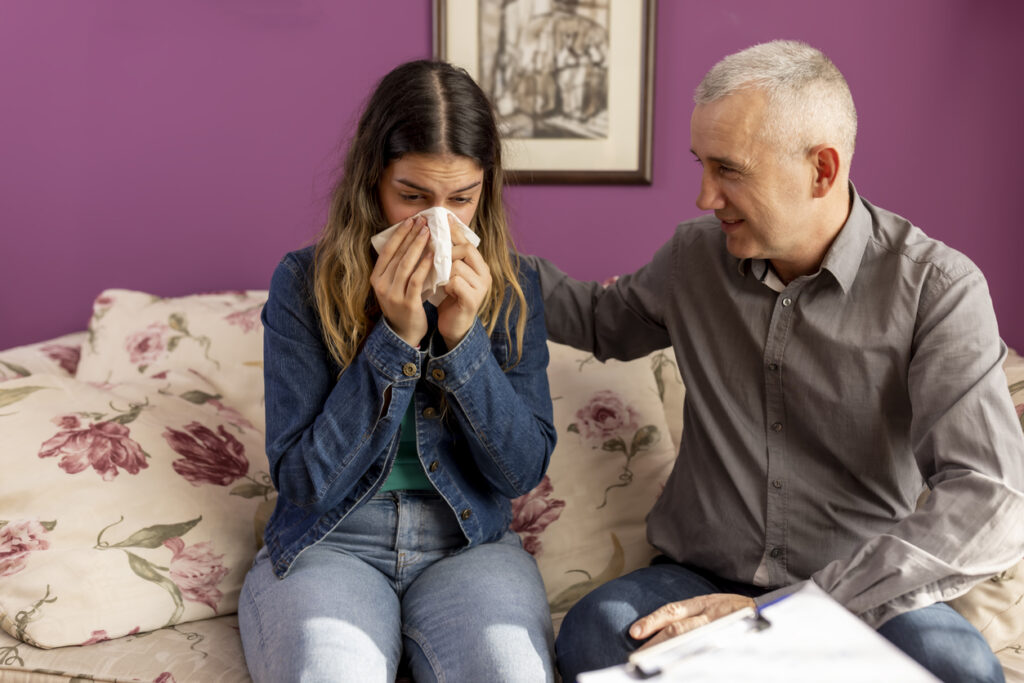
Yes, memories matter. But when someone is grieving, telling them to only focus on the good times can feel like a shortcut to avoiding their pain. While they may smile at certain memories eventually, right now, those memories might just make the loss feel sharper. Being told to look on the bright side can feel like a dismissal of their need to sit with their sorrow.
It’s more compassionate to allow space for both grief and nostalgia. Let them share the good times when they’re ready, without pressure. A gentle prompt like, “I’d love to hear about what made them so special to you,” opens the door for connection without invalidating their grief. Memories are sacred, but they aren’t medicine—they’re part of the grieving process, not a way around it.
10. “It’s not like losing a human.”

This phrase is both hurtful and deeply misguided. For many, the connection they share with their pet is just as strong—sometimes stronger—than the ones they have with people. Pets are nonjudgmental, always present, and full of affection that asks for little in return. Saying it’s not like losing a human implies there’s a hierarchy to grief, as if some losses are more legitimate than others.
What matters is the intensity of the bond and the depth of the love, not the species. Comparing grief doesn’t make anyone feel better—it just adds shame to sorrow. Instead, try saying, “I know how much they meant to you, and I’m here for you.” That tells the person their grief is real, worthy of compassion, and doesn’t need to be justified or compared.
11. “They’re in a better place now.”

Even if someone believes in an afterlife for pets, this phrase might not bring the comfort you think it does. In the moment of deep loss, the better place would be right next to them—on the couch, at their feet, or by the door wagging their tail. Saying their pet is in a better place can unintentionally make it seem like their grief should be consoled by theology, when what they really need is validation.
Rather than spiritual platitudes, offer something grounded. “I can’t imagine how quiet the house must feel without them” acknowledges the reality they’re facing. You don’t have to say much to offer support. Sometimes, the best words are the simplest ones: “I’m so sorry for your loss.” That’s what reaches someone’s heart when they feel most broken.
12. “Are you really still upset about this?”

Grief doesn’t operate on a schedule, and suggesting someone should be “over it” by now only heaps guilt on top of their sorrow. Everyone processes loss differently—some move through it quickly, others revisit the pain for months or even years. Questioning how long they’ve been grieving implies that their timeline is wrong, which can be incredibly isolating.
Instead of questioning their feelings, honor them. Say, “I know this still hurts. I’m here if you want to talk about them.” That shows you’re a safe place to land instead of another source of pressure. Grief doesn’t ask for judgment—it asks for presence, patience, and people who won’t rush it along. Being that person is more powerful than you may realize.
13. “You need to get over it.”

This is perhaps the harshest phrase of all. Grief isn’t something to “get over”—it’s something you carry, something that changes shape over time but never fully disappears. When someone tells you to “get over it,” it’s like they’re saying your love wasn’t worth the pain, or that your sorrow is inconvenient. That only deepens the wound.
The truth is, healing doesn’t happen on command. It happens when people feel safe to express their sadness without fear of being judged or hurried. Instead of demanding closure, offer compassion. “I know how much they meant to you, and I’ll always be here if you want to talk about them,” is the kind of support that nurtures healing. Empathy is what carries people through grief—not commands to move on.