
Classic design details once common in everyday homes now hint at a different way of living.

Walk into a mid-century home and you might spot a few design features that feel like time capsules—sunken living rooms, built-in ashtrays, or walls clad in rich wood paneling. These elements weren’t just stylistic choices, but reflections of social norms, technology, and daily routines from another era. While most have fallen out of fashion or function, revisiting them offers insight into how tastes evolve and how homes shape the way we live.
1. Wood-paneled walls gave many living rooms a cozy, rustic vibe.

Vertical planks of dark wood once lined many living rooms, creating a cabin-like warmth even in suburban ranch houses. They weren’t just decorative—wood paneling helped insulate walls and conceal imperfections, all without the dust-prone fuss of wallpaper or elaborate paint schemes.
In a dim evening light, wood panels caught the golden glow of a floor lamp and made a room feel like a den or lodge. Though some saw them as dated, others valued their earthy texture and modest charm—especially when paired with a shag rug and a console TV.
2. Rotary phones once sat prominently on hallway tables or kitchen counters.
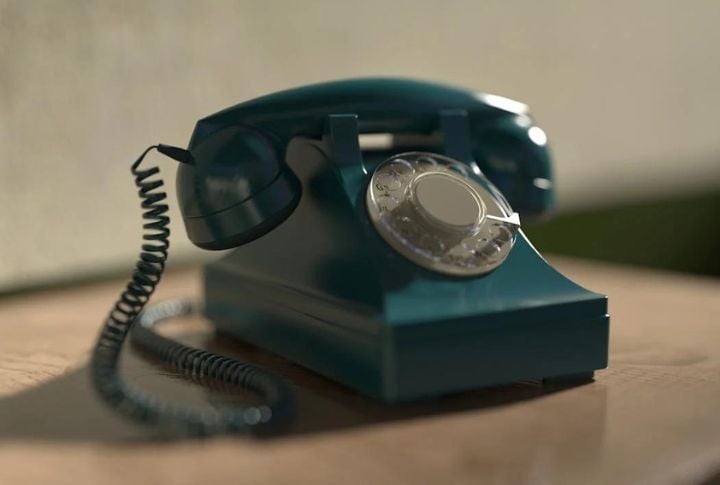
A rotary phone needed two things: a stable surface and patience. Mounted on a hallway shelf or resting near the kitchen sink, these devices demanded a calm hand and deliberate dialing, with a coiled cord looping like a lazy pretzel at your feet.
Conversations happened in place—no walking around while talking, no privacy unless you found an empty room. That stationary quality gave calls a purpose and weight, like reading a letter aloud instead of typing a text on the fly.
3. Shag carpeting added colorful texture to bedrooms and dens everywhere.

Plush and often in hues like burnt orange or avocado green, shag carpet covered bedrooms and dens with inch-long fibers that tickled your toes. Vacuuming took effort, and static shocks came with the territory. But it brought a kind of tactile luxury to everyday rooms.
In basement rec spaces, the texture lent a grown-up playfulness—thick underfoot, lounging-ready, and bold enough to stand against wood-paneled walls. Though its maintenance proved a burden, shag captured a moment when flooring aimed to dazzle, not just function.
4. Intercom systems were a high-tech way to call the kids for dinner.
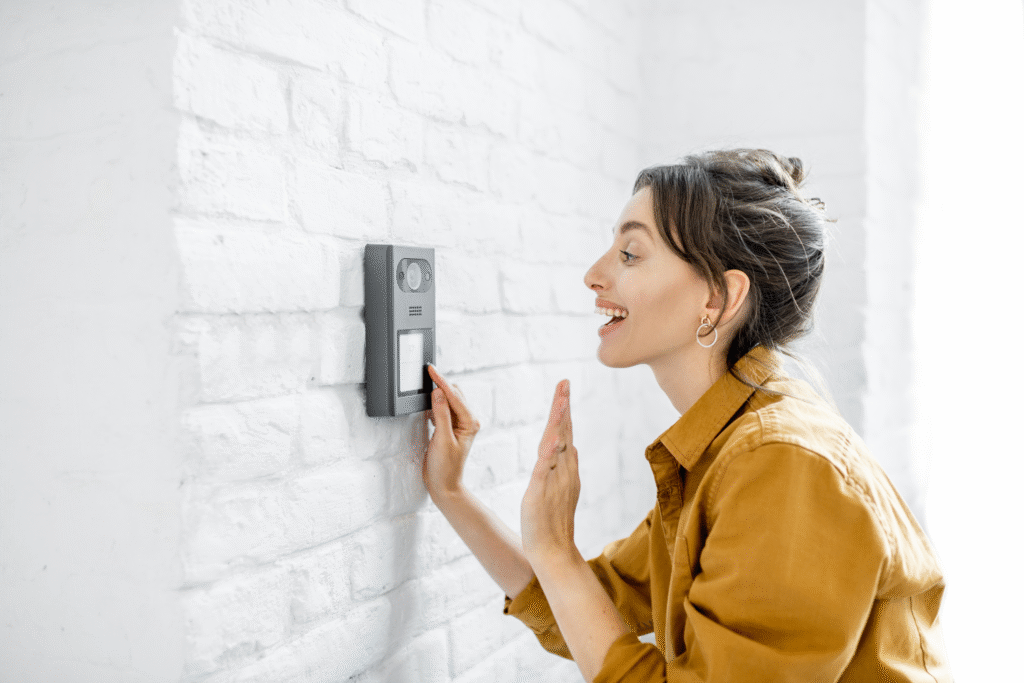
Intercoms were built into kitchen walls and hallway niches, complete with push-to-talk buttons and scratchy speaker grills. Before cell phones or even widespread cordless phones, the intercom was a voice-lifting marvel, promising in-house communication without stair yelling.
In larger homes, especially split-levels, one call to the intercom could summon someone from the garage entry or an upstairs bedroom. The technology rarely aged gracefully, though—dust filled the tiny vents and static often garbled the message before it reached its mark.
5. Popcorn ceilings were a quick fix for builders and a dust trap later.
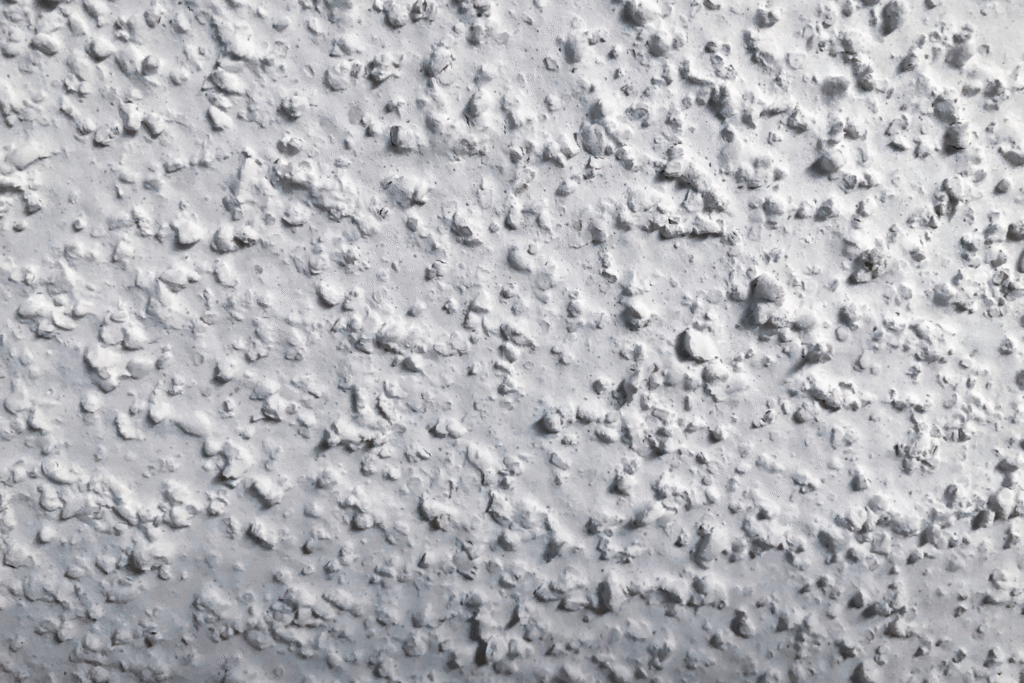
Builders favored popcorn ceilings for their speed and simplicity. The textured spray hid ceiling imperfections and muffled sound, all while saving on sanding and painting labor. Up close, the surface resembled tiny eggshell curds suspended in white wash.
Eventually, the texture fell out of favor—dust clung to the peaks, and any leak turned cleanup into a soft crumble. For many renovating homeowners, scraping off a popcorn ceiling became a rite of passage toward a smoother, quieter home life.
6. Built-in ashtrays appeared in walls, furniture, and even bathroom counters.

Found in homes where smoking was normal and often social, built-in ashtrays came recessed into bathroom counters, armchairs, and hallway walls. Ceramic, brass, or glass-lined, they caught ash mid-gesture without requiring a trip to the kitchen trash.
They now mark a clear line between design shaped by social habits and those from health awareness. Like cigarette lighters in old cars, they linger as fixed reminders of an era when a smoke with coffee or after dinner was routine, not risk.
7. Sunken living rooms created conversation pits with a mid-century modern flair.
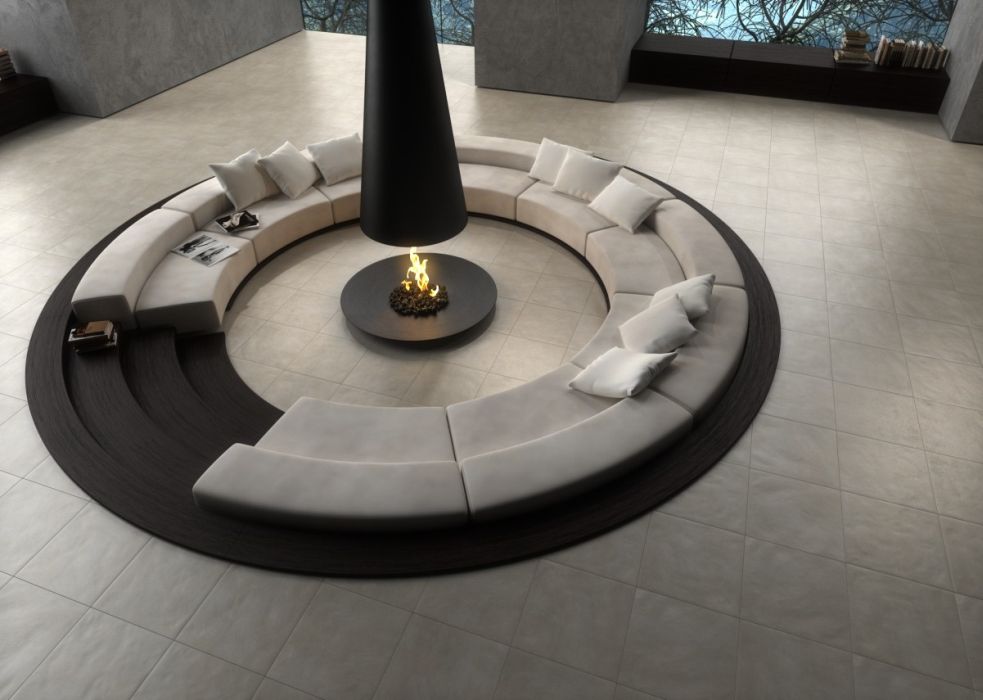
With a single step down, sunken living rooms created a designated gathering point, often ringed with perimeter seating. The drop in floor height wasn’t accidental—it emphasized intimacy and a little drama, pulling conversation and evening cocktails inward.
Though they captured mid-century ideals of open, social design, sunken spaces later frustrated homeowners craving safety and accessibility. A stray step could lead to a stumble; in renovating hands, many pits were filled back in as priorities shifted to continuity and mobility.
8. Green and gold kitchen appliances made bold statements in family homes.
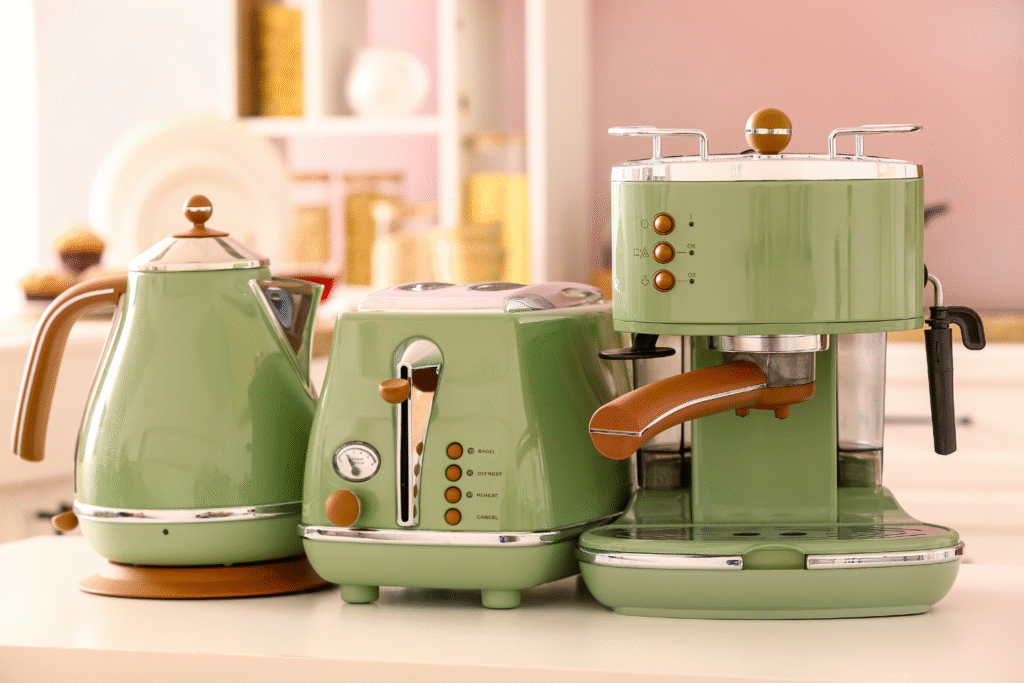
Avocado green and harvest gold were kitchen mainstays, splashed across fridges, ovens, and dishwashers like bold art strokes. The colors exuded a 1970s optimism—cheery yet grounded—and stood in sharp contrast to the white enamel and stainless steel that came later.
Their fade wasn’t due to function so much as changing taste. What once looked rich and earthy began to feel heavy and hard to match. A stove in goldenrod might still work fine today, but it’s more likely to live in a retro cabin than a sleek condo.
9. Fold-down ironing boards were tucked away into kitchen or hallway walls.

Tucked behind latched doors in kitchens or hallway walls, fold-down ironing boards waited compactly for their moment. They flipped out like a school desk through a slot in the wall, secured by a metal scissor arm and often creaked into place.
For homes without large laundry rooms, this setup made practical use of tight spaces. But as portable boards improved and routines changed, these once-clever features began to feel like relics—clever geometry for a lifestyle shifting away from weekly starch and press sessions.
10. Wall-to-wall mirrors made compact dining rooms feel bigger and flashier.

In homes with narrow dining areas, wall-to-wall mirrors created the illusion of extra space and sparkle. They reflected candlelight, chandeliers, and even the meal itself, multiplying modest spreads into banquet-worthy displays.
Mirrors coated entire walls, sometimes bordered with brass strips or beveled edges. Yet that expansiveness came at a cost—every fingerprint showed, and poor lighting turned reflections ghostly. As open layouts gained popularity, the mirrored wall lost favor to natural light and real square footage.
11. Milk chutes in exterior walls let the milkman deliver straight inside.
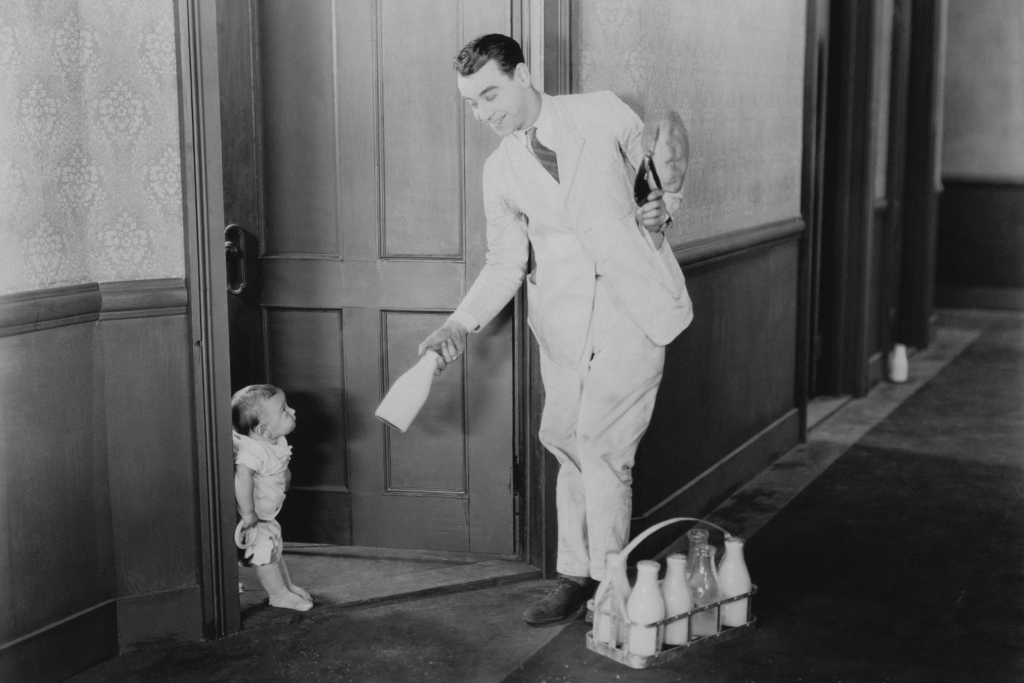
Located near back doors or along side walls, milk chutes featured a small, lockable compartment that connected indoors to out. Milkmen placed glass bottles inside without ever entering, while homeowners retrieved chilled deliveries from a tiny metal door in the kitchen.
As home refrigeration improved and grocery habits shifted, the milk chute became obsolete. In colder climates, some still exist, sealed and painted over—or repurposed as mail slots or cubby holes for curious kids exploring forgotten corners.
12. Pink and mint bathroom tiles defined decades of retro design charm.
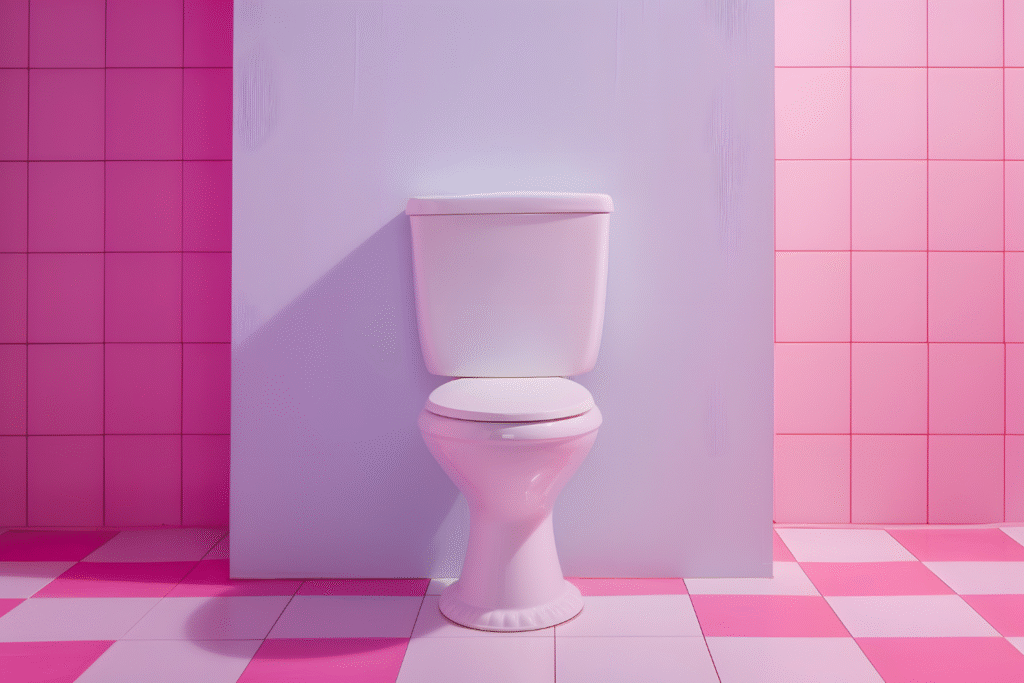
Before minimalist tiling, bathrooms wore candy-colored schemes in pink, mint, buttercream, or pale blue. Ceramic tiles wrapped walls, floors, and tub surrounds with glossy permanence. Pink reigned especially—warm, cheerful, and endorsed in some eras as best for flattering skin tones.
These tiles held up—a well-maintained set still shines decades later—but changing tastes dimmed their popularity. In modern remodels, such colors are often covered or removed, yet retro fans celebrate their charm where others see only a dated palette.