Boomers have spent their whole lives using grammar one way, and no amount of explaining will make them embrace this change.
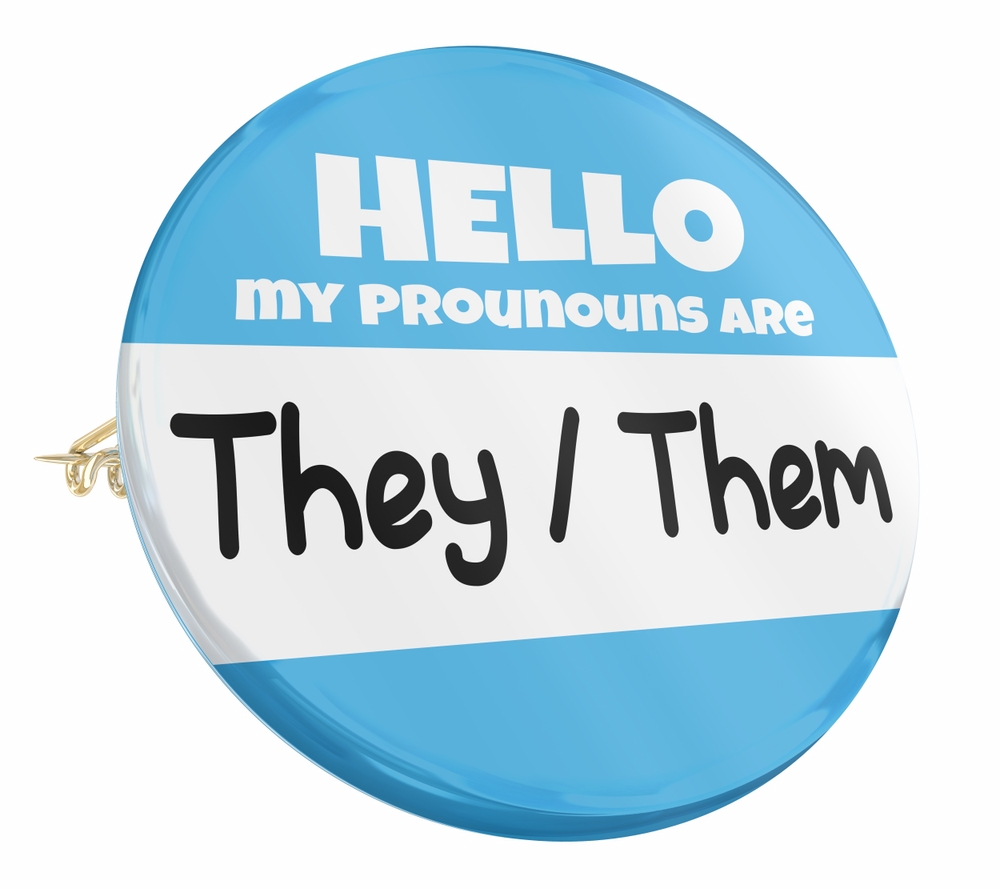
For most Boomers, language was a stable structure they could always rely on. Grammar rules weren’t just suggestions—they were foundational truths drilled into them from grade school on. These rules provided clarity, consistency, and comfort. So when the language started shifting, especially around pronouns like “they/them” being used for a singular person, it felt deeply unsettling. It wasn’t just a small tweak; it was a fundamental rewrite of something they thought was permanent.
And while younger generations might see this as progress or inclusion, Boomers often experience it as disorienting and unnecessary. The more it’s explained, the more frustrated many of them become. It’s not always stubbornness; sometimes it’s simply a generational disconnect that’s hard to bridge. Here’s a closer look at why so many Boomers struggle to wrap their heads around this change.