If You and Your Spouse Have Run Out of Things to Talk About, You’ll Love These 13 Conversation-Starters

These clever prompts will turn quiet nights into deep, engaging conversations that keep your bond strong.

©Image license via Canva

If you and your spouse are finding that quiet evenings have become the norm and conversation feels like an afterthought, you’re not alone. Over time, even the most communicative couples can run out of things to say. Between routines, stress, and the familiarity that comes from years together, it’s easy to fall into silence. But that doesn’t mean the connection is gone—it just needs a little spark.

These 13 thoughtful prompts are designed to reignite curiosity, encourage laughter, and invite vulnerability. They go beyond surface-level chatter and help you rediscover each other, even if you’ve been together for decades. Whether you’re sipping wine after dinner or lying in bed at the end of the day, these questions can open up new paths to understanding—and maybe even bring a few surprises.


Read more

People Who Are Always Complaining Share These 12 Personality Quirks

Complainers tend to have these traits that fuel their constant complaining and whining.

©Image license via iStock

Ever wonder why some people always seem to carry a storm cloud over their heads, no matter how sunny the day? Chronic complainers seem to find fault in everything—from the texture of their toast to the tone of someone’s voice. Their need to express dissatisfaction isn’t just a habit; it’s often a reflection of deeper personality traits that guide how they interact with the world around them.

Understanding these tendencies can help us view complainers not just as nuisances, but as individuals stuck in an emotional loop that they may not even recognize. These personality quirks often prevent them from experiencing joy or connection, even when those things are easily within reach. Here are 12 surprising characteristics that fuel their constant need to vent, gripe, and grumble about nearly everything.

Read more

The Last Generation to Understand Silence: 11 Things We Lost When Noise Took Over

When silence was sacred and enough.

©Image license via iStock

There was once a time when the room didn’t need to be filled with sound, and people weren’t afraid of the quiet. Silence wasn’t awkward or ominous—it was natural, essential, and even reverent. Those who grew up before the digital age understood the subtle power of stillness. It offered space for thoughts to breathe and emotions to settle without being drowned by pings, podcasts, or playlists.

But silence didn’t just vanish. It was steadily replaced by the hum of modern life, sneaking in through devices, car stereos, background TVs, and even hold music. Noise became the new comfort, often disguising itself as productivity, entertainment, or connection. In its place, we lost more than calm—we lost parts of our humanity that only silence could nourish. These aren’t just nostalgic memories—they’re vital parts of a quieter world that may never fully return.

Read more

Feeling Lonely After 60? These 12 Apps and Platforms Will Revolutionize Your Social Life

Digital connections can bloom into meaningful relationships at any age.

©Image license via Shutterstock

Loneliness doesn’t have to be the unwelcome companion of aging. As we navigate life beyond 60, our social circles naturally evolve – children move away, retirement shifts daily interactions, and sometimes we lose loved ones who once filled our days with conversation and laughter.

But here’s the wonderful truth about our modern world: technology has created unprecedented opportunities to forge new connections, revitalize friendships, and discover communities that align with our passions and values. The digital landscape offers a vibrant playground for social exploration that previous generations could only dream of accessing.

With just a smartphone or computer, doors open to friendships across the globe, interest groups that perfectly match your hobbies, and even potential romantic partners who share your life outlook.

Read more

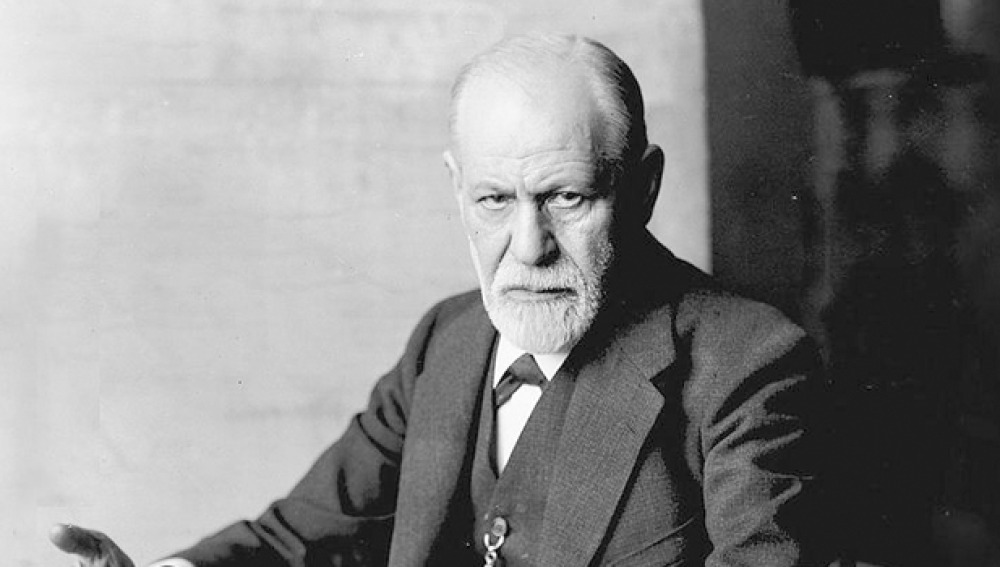
11 Little Known Personal Quirks and Strange Habits of Dr. Freud

Freud’s lesser-known eccentricities.

©Image credits via First Discoveries

Beyond the iconic couch and the labyrinthine theories of the unconscious, Sigmund Freud, the father of psychoanalysis, harbored a fascinating collection of personal quirks and peculiar habits that often escape the popular narrative. These idiosyncrasies, while seemingly minor, offer a unique glimpse into the mind of a man who spent his life dissecting the complexities of human behavior, revealing a more relatable and perhaps even surprising side to the towering intellectual figure.

From his meticulous routines to his unconventional comforts, these lesser-known facets of Freud’s daily life paint a vivid picture of a man deeply immersed in his work, yet undeniably shaped by his own unique predilections. They remind us that even the most profound thinkers are, at their core, individuals with their own set of endearing and sometimes perplexing habits that contribute to the rich tapestry of their personal and professional lives.

Read more

14 Faded Scars Every Boomer Recognizes from a Childhood Without Safety Rules

When helmets were optional and bruises were badges.

©Image license via iStock

No warning signs, no padded corners, and definitely no seatbelts in the back seat—childhood in the Boomer era was a free-for-all by today’s standards. Parents smoked with the windows up, bikes flew down steep hills without brakes, and kids roamed the neighborhood until dark without anyone knowing exactly where they were. What passed for play would now be considered a lawsuit waiting to happen. But for Boomers, it was just another day of scraped knees and questionable decisions.

These memories, though fond in hindsight, are tattooed with faded scars—both physical and emotional. Each one tells a story of improvisation, resilience, and the hard-knock lessons of a world with fewer guardrails. The lack of safety rules didn’t just shape behaviors; it molded entire generations to be independent, self-sufficient, and a little rough around the edges. Some of those battle wounds never healed completely, even if the skin grew over them. Here’s a nostalgic look back at the moments that defined a chaotic, rule-free upbringing—and the quiet reminders that remain.

Read more

Don’t Let Them Get Away with It! 13 Phrases to Shut Down Ageist Remarks

Stand up for yourself with these smart and powerful responses to age discrimination.

©Image license via iStock

Tired of being treated like you’re past your prime just because of your age? If you’ve ever been on the receiving end of a smug smile or a patronizing comment that somehow implies you’re less capable because of the number of candles on your birthday cake, you’re not alone. Age discrimination doesn’t always shout—it whispers, insinuates, and slides its way into everyday interactions where you least expect it.

But here’s the thing: your years are not a burden—they’re a badge of honor. The wisdom you’ve earned, the battles you’ve faced, and the perspective you bring are worth more than most people realize. And the next time someone throws an ageist remark your way, you won’t need to shrink or stay silent. You’ll be ready—with poise, confidence, and the perfect comeback that leaves them scrambling for a better excuse.

Read more

Boomers Are Spilling The Secrets About Falling in Love After 60 and These 13 Take the Cake

You won’t believe these heartfelt secrets boomers are sharing about falling in love after 60 (number 7 will totally change how you see romance).

©Image license via Canva

It’s a common myth that romance fades as we get older, but boomers are out here proving that’s far from true! In fact, many are finding that love after 60 is not only possible but also deeply fulfilling—perhaps even more rewarding than earlier in life. At this stage, relationships carry a special kind of wisdom and authenticity, fueled by life experiences and a clear understanding of what truly matters. Boomers are enthusiastically sharing the truths they’ve discovered about late-in-life romance, providing inspiring insights and refreshing perspectives.

These heartfelt revelations defy stereotypes, showing that love isn’t reserved just for the young. It can bloom beautifully at any age, transforming the later chapters of life into vibrant new adventures filled with warmth, laughter, and passion. Whether rediscovering romance after years alone or exploring it anew, boomers offer us all a hopeful look at what love can become when you embrace it fearlessly and openly. Here are 13 heartfelt secrets that show just how amazing falling in love after 60 can truly be.

Read more

Older Adults Who Want to Make New Friends Need These 14 Classy Conversation Starters

Don’t risk isolation when you can make real connections using these conversational icebreakers.

©Image license via Shutterstock

If you find yourself feeling increasingly isolated or hesitant about making new friends, you’re certainly not alone. As we age, reaching out and forming connections often feels intimidating, and finding common ground seems trickier than ever. But the good news is, starting a conversation doesn’t have to be an uncomfortable ordeal. With the right prompts, you can effortlessly ignite meaningful interactions that transform mere acquaintances into genuine friendships. These thoughtfully crafted icebreakers make it easy to dive into deeper conversations, breaking down barriers quickly and comfortably.

The secret to meaningful connections lies in opening yourself and others up to thoughtful exchanges. By using conversation starters that resonate emotionally, humorously, or nostalgically, you create opportunities for people to share more openly and authentically. Here are fourteen specially designed icebreakers that will help you easily navigate social situations, spark engaging discussions, and build connections that could last a lifetime.

Read more

Seniors With Happy, Secure Marriages Have Likely Read These 10 Books

These books reveal the secrets to lasting love, trust, and connection that senior couples swear by.

©Image license via Shutterfly

If your marriage feels more like a quiet truce than a thriving romance, you’re not alone. Over time, long-term relationships can shift into autopilot. Responsibilities pile up, passions cool, and communication patterns settle into stale routines. For senior couples, the changes brought by retirement, health challenges, and evolving roles can add another layer of complexity. But that doesn’t mean the connection has to fade away. In fact, this life stage can be one of the richest for growth, healing, and rediscovery—if you’re willing to invest the time and heart.

The following ten books have served as a guiding light for countless couples navigating their later years together. They’re packed with practical wisdom, heartfelt stories, and strategies designed to help you rekindle intimacy, tackle challenges with grace, and rediscover the joy of being a team. Whether you’ve been married for 30 years or are navigating a second marriage, these titles offer fresh perspectives and actionable tools to strengthen your bond.

Read more

12 Everyday Phrases That Make People Sound Arrogant Without Realizing It

Condescending know-it-alls often use these statements that push others away.

©Image license via Shutterstock

Have you ever encountered someone who manages to sound smug the moment they start speaking? It’s not always about shouting or making a scene—sometimes it’s the subtle way someone phrases things that makes them seem superior, dismissive, or just plain rude. The problem is, they often don’t recognize how their words impact others, and they might even think they’re just being “helpful” or “honest.”

It’s easy to fall into the habit of using certain phrases that come off the wrong way, especially in moments of stress, disagreement, or when trying to sound confident. But if you want to avoid making people feel small or irritated, becoming aware of these phrases is key. Here are 12 everyday expressions to steer clear of—along with better ways to connect with people without sounding condescending.

Read more

13 Characteristics of People Who Are Happier with Pets Than People

They’d rather cuddle with fur than deal with drama, and these traits explain why.

©Image license via Shutterstock

Let’s face it—people can be downright exhausting. The constant navigating of social expectations, misunderstandings, emotional baggage, and unspoken rules often leaves you feeling drained. Meanwhile, your pets bring something refreshingly pure into your life: joy without judgment, companionship without conditions, and love that doesn’t require explanation. If your idea of a perfect evening includes fuzzy paws and quiet company instead of small talk and social obligations, you’re not alone.

Whether it’s curling up with your dog for a movie night or sharing your secrets with your cat who listens better than most friends, you probably know that your heart leans toward animals more than humans. The traits you carry explain that deep connection. These qualities don’t just define your relationship with pets—they reveal what you truly value in life: honesty, simplicity, and unwavering loyalty.

Read more

14 Shockingly Disrespectful Things People Do Regularly That Just Need to End

If you’re guilty of even one of these, it could be driving people away without you realizing it.

©Image license via Shutterstock

You may think you’re coming across as confident, efficient, or simply busy—but certain everyday behaviors might be silently undermining your relationships. These subtle forms of disrespect often go unnoticed by the person doing them, but they land with a thud on the people around you. And the damage adds up—friendships cool off, colleagues disengage, and loved ones pull away without ever confronting you.

These habits aren’t always intentional, which is why they’re so hard to spot. But once you become aware of them, it’s up to you to make a change. These aren’t just bad manners—they’re signals that you don’t value others. From phone scrolling to chronic lateness, here are 14 shockingly disrespectful things you might be doing without even realizing it.

Read more

13 Soul-Searching Questions to Ask to Help You Know If You Still Love Your Husband

Answer these brutally honest questions now, or risk staying in a loveless marriage forever.

©Image license via Freepik

What if you don’t love your husband anymore—and you’ve just been too scared to admit it to yourself? That kind of self-inquiry can be terrifying. But ignoring your feelings and pretending everything’s fine only keeps you locked in confusion and emotional fatigue. If you’ve been pushing down your doubts or telling yourself this is just a phase, now is the time to stop and examine the truth you’ve been avoiding.

You owe it to yourself—and yes, to him too—to take a clear-eyed look at how you really feel. These 13 brutally honest questions aren’t about blaming or shaming. They’re designed to help you cut through denial and discover whether your heart is still in it. Be brave enough to answer each one honestly, and you might finally get the clarity your soul has been craving.

Read more