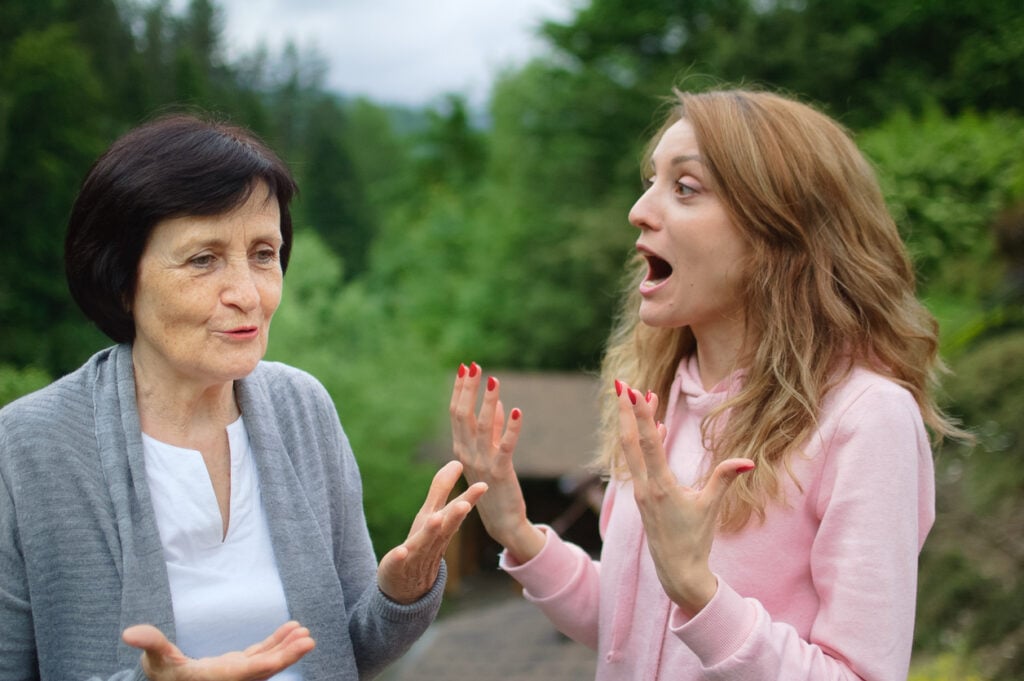
Trust forms the backbone of every long-term marriage, yet small, repeated behaviors can silently damage this essential bond. These subtle quirks often arise unconsciously, eroding emotional intimacy and respect between partners. Understanding these common pitfalls helps identify patterns that might otherwise go unnoticed, allowing couples to nurture their relationship with honesty, consistency, and empathy for lasting trust.
Rethinking traditional retirement can unlock new opportunities for financial growth and satisfaction. Starting a business in your 60s leverages years of experience, allowing for income diversification and continued engagement. Entrepreneurship beyond retirement offers control over finances and time, while promoting mental sharpness and social connections. Exploring this path supports active aging and builds a meaningful legacy for both individuals and families.
They just don’t get it, do they? You’ve dropped hints the size of boulders, yet somehow, they keep missing the point. Maybe they’re oblivious, or maybe they just refuse to take a hint because it benefits them to stay clueless. Either way, it’s beyond frustrating.
When subtlety fails, sometimes the only option left is to be hilariously, brutally direct. If you’re tired of dancing around the truth, these responses will make sure your message finally lands—loud and clear.
Aging is a natural process accompanied by various physical, mental, and social changes. However, many widespread fears about aging—such as inevitable cognitive decline, loss of independence, or overwhelming loneliness—are often based on misconceptions rather than facts. Understanding these myths and realities can help frame a more accurate perspective on growing older.
Recognizing which fears are exaggerated or unfounded empowers individuals to approach aging with confidence and clarity. Embracing a realistic, positive outlook supported by research encourages proactive habits that enhance mental and physical health, promote social engagement, and ultimately support a fulfilling, successful aging experience.
Many Gen Z young people attribute the climate crisis to Baby Boomers because this generation grew up during a period of rapid industrial expansion that heavily relied on fossil fuels. The infrastructure and policies established then prioritized economic growth over environmental sustainability, embedding high carbon footprints in society.
According to experts at the NOAA, understanding the historical context of emissions is essential to addressing climate change effectively. This perspective is also shaped by differences in environmental awareness and education between the generations. Baby Boomers experienced less exposure to climate science in their formative years, which influenced their attitudes toward conservation and resource use. Today, Gen Z’s climate activism reflects a call for systemic change that acknowledges past decisions while pushing for sustainable futures across all age groups.
Communication plays a vital role in maintaining a healthy marriage, yet some everyday phrases can cause unintended harm. Using language that involves blame, sarcasm, or absolutes often deepens conflicts and erodes trust between partners. Recognizing these harmful expressions helps couples foster respect and empathy in their interactions.
Understanding which words hurt and learning alternative ways to express feelings can strengthen relationships significantly. Focused communication, using ‘I’ statements and active listening, builds a supportive environment that nurtures connection and conflict resolution over time.
You might not realize it, but your words could be destroying your marriage. The wrong phrases, repeated over time, chip away at love and trust. Some sound harmless, even logical, but they leave your spouse feeling dismissed, unappreciated, or completely alone. If you keep saying these things, don’t be surprised when your partner starts pulling away. Emotional distance doesn’t happen overnight—it builds slowly, phrase by phrase, until one day, they stop trying.
If you want a healthy, lasting relationship, it’s time to drop these toxic phrases. The longer you wait, the harder it will be to fix.
More and more younger men are waking up to the fact that older women bring something completely different—and way better—to the table. There’s a reason the stigma is disappearing and these relationships are becoming the ultimate power move.
It’s not just about experience; it’s about confidence, emotional depth, and a connection that actually lasts. If you’ve ever wondered why so many guys are making the switch, the answers might just surprise you.
Long-term marriages often face complex challenges that can lead women to reevaluate their commitment. Factors like emotional distance, communication problems, and changing personal priorities contribute significantly to marital dissatisfaction. Understanding these reasons helps illuminate why some women decide to leave despite years of shared history. Insight into these dynamics can offer valuable perspectives on maintaining healthier, more fulfilling relationships over time.
No one warns you what it’s really like to marry an older man—until you’re in it. At first, the age gap might seem like no big deal, but over time, things start to surface that you never expected. Some are frustrating, some are downright shocking, and all of them can change the way your relationship works.
If you think love is enough to bridge the gap, you may be naive. Here are the eye-opening truths no one tells you before you say “I do.”
Boomer parents wanted the best for their children, but in their pursuit of success and security, they created an environment that led to excessive overthinking. Encouraging caution, emphasizing achievement, and prioritizing problem-solving over emotional resilience unintentionally shaped a generation prone to self-doubt and analysis paralysis.
Now, Millennials and Gen Z grapple with the unintended psychological effects of their upbringing, questioning every decision and struggling to trust their instincts.
Retirement brings new opportunities to focus on personal comfort, health, and leisure. Choosing essential purchases wisely can significantly improve quality of life by addressing specific needs related to mobility, safety, and relaxation.
From ergonomic furniture to smart technology, these key items support long-term wellness and ease daily routines. Prioritizing durable, easy-to-use products tailored to individual preferences helps retired boomers maintain independence and enjoy their retirement years to the fullest.
Comfort zone habits refer to routine behaviors that feel safe and familiar but may unintentionally impact your health and well-being. For many Boomers, these habits can influence physical health, mental clarity, and social engagement, shaping overall quality of life. Well-being encompasses physical fitness, mental health, social connection, and lifestyle choices that promote vitality as you age.
Recognizing how certain habits affect your well-being is important because maintaining a vibrant and fulfilling life depends on more than just avoiding discomfort. Over time, staying within comfort zones can limit personal growth, reduce social ties, and increase health risks. By identifying and gradually adjusting these habits, you can enhance your physical and mental health, sustain meaningful relationships, and enjoy continued growth and happiness throughout your later years.