If disco had survived the 1980s backlash, today’s music might sound—and look—very different.
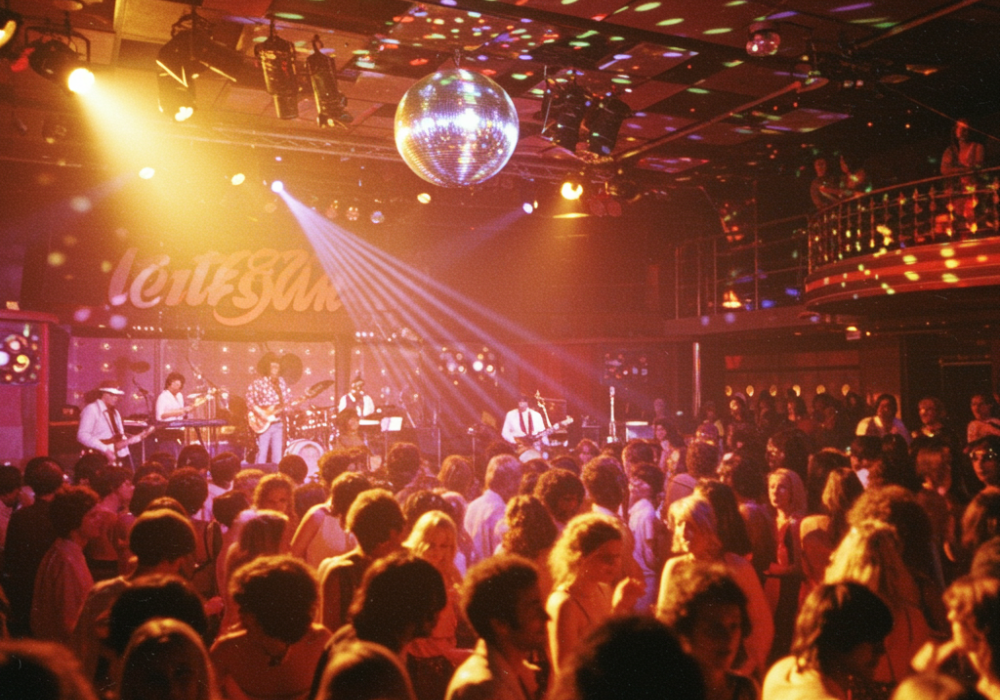
When disco exploded in the 1970s, it wasn’t just a musical movement—it was a social and cultural revolution. Originating in Black, Latin, and LGBTQ+ dance clubs, disco celebrated rhythm, freedom, and inclusivity. By 1978, it dominated radio, film, and fashion, producing global icons like Donna Summer, the Bee Gees, and Gloria Gaynor. But after the “Disco Demolition Night” backlash of 1979, the genre’s mainstream popularity collapsed almost overnight. Still, disco’s influence never truly disappeared. If disco had never died, the global music scene—and much of modern pop culture—might look very different today.