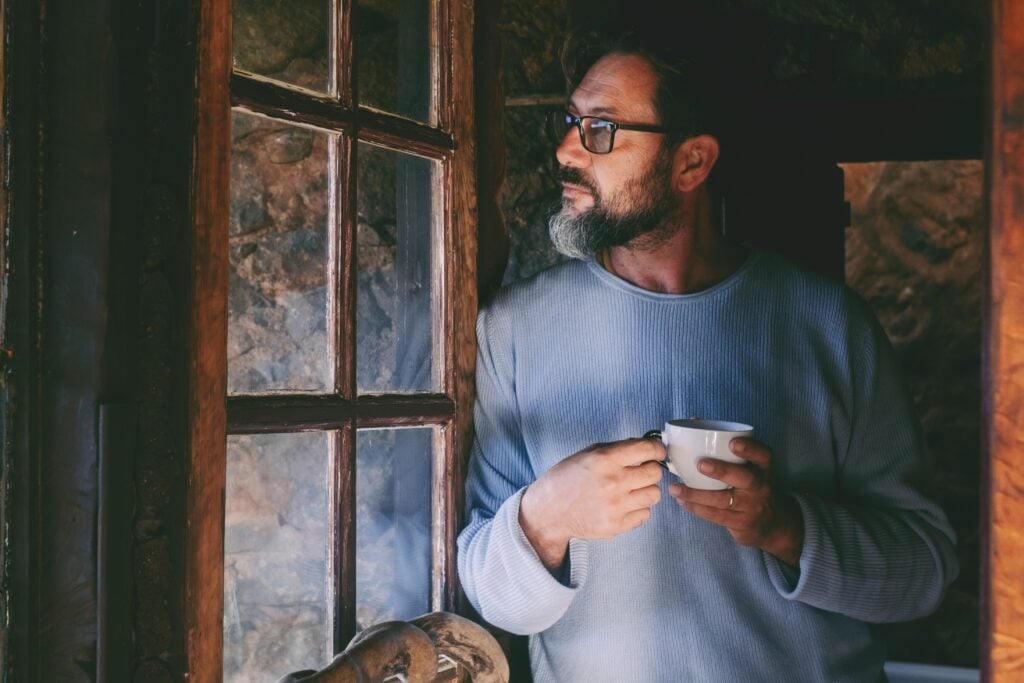
There’s a certain dignity in aging well, and nothing disrupts that quiet confidence faster than habits that scream insecurity or stubbornness. Getting older isn’t just about collecting years—it’s about refining who you are and letting go of behaviors that don’t reflect your wisdom or experience. Class and grace aren’t about appearances alone; they radiate from how you carry yourself, treat others, and show up in the world.
Who knew skipping the parenting marathon could lead to such a blissful finish line? While many Boomers are navigating tricky family dynamics, adult children living at home, or tangled holiday plans that feel more like diplomatic summits, the child-free crowd is cruising through life with fewer complications and more freedom. They’re aging on their terms—gracefully, joyfully, and without needing to referee Thanksgiving dinner or help raise the next generation.
You don’t need a designer wardrobe or a six-figure income to show the world you’re high-class. True elegance isn’t measured by price tags—it’s reflected in the quiet confidence you carry, the warmth you extend, and the unwavering authenticity you bring into every room. It’s about the grace in your gestures and the consistency of your character, even when life throws curveballs at you. These traits aren’t reserved for the wealthy or privileged; they’re open to anyone willing to cultivate respect, empathy, and self-awareness in their daily interactions.
In a world where people share every thought, meal, and struggle online, privacy has become a rare luxury. Oversharing might seem harmless, even therapeutic, but it can backfire in ways you never expected. What feels like an innocent conversation or a heartfelt social media post can quickly become fuel for gossip, judgment, or even manipulation.
Keeping parts of your life private isn’t about being secretive—it’s about protecting your peace. Not everyone who listens has good intentions, and not every personal detail needs to be public knowledge. The more you reveal, the more control you give away.
Turning 50 isn’t just another birthday—it’s a bold punctuation mark in your life’s story. You’ve arrived at a stage that invites both reflection and reinvention. It’s no longer about chasing external validation or living up to someone else’s version of success. This milestone brings with it an invitation to pause, look inward, and ask yourself if the path you’re on still feels right. Because if you’re not careful, the years ahead could slip by just as quickly as the ones behind you—and with them, your chances to live more meaningfully.
You might think that by the time you’ve crossed into your 50s, you’ve gained all the wisdom you need. But age alone doesn’t hand out maturity like a prize at the finish line. Growth is an ongoing process, and some behaviors—no matter how subtle—are clear signs that someone’s still stuck in an earlier phase of emotional development. It’s easy to overlook these traits in ourselves, especially when they’re so deeply woven into the way we’ve lived for years.
Boomers are scratching their heads, wondering what’s gotten into Gen X. The generation that grew up with rotary phones, mixtapes, and Saturday morning cartoons is now making some seriously unexpected moves in the workforce. They’re not chasing the corner office, the 401(k) match, or the gold watch at retirement. Instead, they’re stepping off the treadmill and reevaluating what work—and life—really mean.
Whether it’s the result of years of burnout, a series of layoffs, or a post-pandemic epiphany, Gen X is done playing by outdated rules. They’re leaving traditional jobs in droves and seeking freedom, flexibility, and fulfillment in places no one predicted. It’s not rebellion for rebellion’s sake—it’s a quiet revolution of purpose. Boomers are confused, employers are scrambling, and Gen X is finally taking the wheel. Here’s how they’re flipping the script.
Can our faith can handle a challenge? Atheists pose some hard-hitting questions that even the most devout believers find unsettling. These aren’t the surface-level debates you’ve heard in Sunday school or philosophy class. These are deep, raw inquiries that go right to the heart of what we claim to know about divinity, morality, justice, and the very nature of existence.
Whether you’re a person of faith, agnostic, or simply someone who enjoys questioning big ideas, these thought-provoking questions will press you to examine your beliefs in a new light. Some may leave you with more questions than answers. Others may deepen your convictions. But either way, confronting these challenges could transform the way you see religion—and maybe even the world itself.
A claim so extreme it forces science to draw a hard line.
Credit: Retiredom/ChatGPT
Some stories spread because they feel thrilling, not because they are proven. A former NASA engineer claiming he has broken the law of physics and learned how to defy Earth’s gravity sits squarely in that category, mixing real credentials with ideas that challenge everything we know.
Gravity has survived centuries of scrutiny, testing, and revision. When someone says they have overturned it, the burden of proof becomes enormous, and skepticism quickly becomes the default response.
Seeing a coyote stand its ground on your property triggers a primal alarm in your brain that is hard to ignore. These clever adapters are usually shy, but they are becoming far too comfortable in our neighborhoods. You need to know how to reclaim your space without causing unnecessary harm.
Taking the right steps immediately ensures the animal leaves and learns not to come back. A calm but firm response makes all the difference for your safety.
Household chores were more than routine for many Baby Boomers—they were early lessons in responsibility, follow-through, and attention to detail. From ironing shirts to raking leaves, these domestic tasks demanded consistency and personal investment. For Gen Z, technology and shifting family dynamics have changed how these lessons are passed down. Understanding how traditional chores shaped work habits can help bridge generational perspectives on accountability, effort, and practical life skills.
What sets the world’s most intelligent people apart isn’t just their IQ—it’s their unique personality traits that fuel their ability to innovate, connect, and thrive. While intelligence is often measured through tests and academic success, true brilliance shows itself in how someone navigates life with creativity, emotional depth, and an ever-curious mind. These traits shape how they see the world, handle adversity, and stay open to growth, often putting them in a category all their own.
If the thought of getting older sends a chill down your spine, you’re not alone. Aging is often framed as a slow decline—a series of limitations, losses, and physical changes that can feel more frightening than exciting. The media doesn’t help either, constantly spotlighting youth as the pinnacle of value and beauty. It’s no wonder so many of us start to fear every new wrinkle, ache, or birthday.
But aging doesn’t have to feel like a downhill slide. In fact, it can be one of the most empowering, freeing, and rewarding chapters of your life. With some intentional shifts in mindset and a few practical strategies, you can stop dreading the years ahead and start embracing them as opportunities for growth, joy, and discovery. These game-changing secrets will help you silence your aging anxieties and turn every passing year into your best one yet.
Most people assume that being naturally interesting, cultured, or well-rounded is something you either have or you don’t. But the truth is, anyone can become a more captivating and insightful person—it’s about adopting certain daily habits that spark curiosity, foster growth, and expand your view of the world. Being worldly isn’t about impressing people with trivia or name-dropping books you’ve never read; it’s about having lived, learned, and thought deeply in ways that show up in conversation and connection.