
They took the best, ditched the worst, and completely changed the way kids are raised.

Parenting has evolved through every generation, but Boomers were a tipping point. They didn’t just adjust the settings on the old system—they threw out the outdated pieces and crafted a new blueprint that reflected changing values, emerging knowledge, and deeper emotional awareness. These weren’t minor tweaks; they were foundational shifts that redefined what it meant to raise a child in a world growing more complex by the decade.
Boomers questioned the traditions they grew up with and bravely carved a different path, one that prioritized empathy, individuality, and connection. Their legacy isn’t about perfection, but about courage—the courage to say “we can do better.” What they left behind was a parenting philosophy that deeply influenced Gen X, Millennials, and even today’s Gen Z parents, creating a ripple effect that forever transformed the family dynamic.
1. They ditched the “children should be seen and not heard” mindset.

Boomers weren’t content with raising children who sat quietly in the corner while adults spoke over them. They actively encouraged their kids to be part of the conversation, to ask questions, and to challenge ideas respectfully. Family meals became more engaging, often filled with laughter, curiosity, and stories—sometimes long-winded ones about recess drama or imaginary adventures—but all welcomed with interest.
This approach fostered a sense of self-worth in children who felt heard and validated. It broke the cycle of emotional suppression and gave rise to generations that now champion advocacy and assertiveness. Kids raised by Boomers learned early on that their voice mattered, and that shaped how they approached the world, relationships, and even authority, according to experts at Pew Research Center.
2. They swapped corporal punishment for emotional connection.

Spanking and physical punishment may have been the go-to methods in the past, but Boomers began exploring more compassionate ways to discipline. They weren’t perfect, but many opted for strategies that emphasized understanding over fear. Instead of instilling obedience through intimidation, they tried to create teachable moments through dialogue, boundaries, and consistency, as mentioned by Charise Rohm Nulsen at Family Education.
This change helped children link correction with care instead of shame. It taught them that consequences could coexist with love, and that being held accountable didn’t mean being unloved. This emotional foundation allowed kids to build self-control and empathy, rather than resentment or fear—marking a turning point in how discipline was understood in the home.
3. They prioritized education in a way their parents never did.

For many Boomers, education was the key to unlocking a better life, and they wanted their children to have even more opportunity. Whether or not they had finished college themselves, Boomers made sure their kids had access to the best schooling they could afford, as stated by Julia Corrigan at BuzzFeed. They sat through countless homework sessions, science fairs, and school plays—not because it was expected, but because it mattered to them.
Their commitment to learning wasn’t limited to academic achievement; it extended to personal growth and curiosity. They created homes filled with books, educational shows, and an emphasis on lifelong learning. The message was clear: knowledge was power, and they were willing to support their children every step of the way toward personal and intellectual development.
4. They gave kids room to explore their individuality.

Boomers didn’t want carbon copies of themselves—they wanted original thinkers. Unlike the strict conformity they often grew up with, they welcomed their children’s quirks, passions, and preferences. Whether that meant tolerating a punk rock phase, painting bedroom walls neon green, or signing up for fencing classes instead of football, individuality was celebrated rather than stifled.
By allowing their children the space to explore who they were, Boomers helped build confidence and self-awareness. Kids raised this way learned that it was okay to be different, to make mistakes, and to grow into their own skin. This not only cultivated creativity, but also emotional intelligence and resilience in the face of societal pressures.
5. They made family time a central focus.

Boomers were determined to create bonds that went deeper than duty. They brought intention to family rituals—Sunday pancakes, annual camping trips, and board game nights weren’t just entertainment; they were about togetherness and memory-making. These moments offered kids consistency and belonging in a world that often felt chaotic.
This devotion to quality time laid a foundation of trust and emotional closeness. Even when life got busy, Boomers made it clear that family came first. Their kids grew up knowing that home was a place where laughter was shared, feelings were safe, and love wasn’t just assumed—it was shown in everyday moments.
6. They embraced open conversations about feelings.

Boomers began breaking the emotional silence that had defined earlier generations. Where their parents might have dismissed or shamed emotional expression, Boomers encouraged it. They asked how their kids were feeling, listened to their worries, and tried to validate even the emotions they didn’t fully understand.
By doing so, they created an environment where vulnerability wasn’t seen as weakness. Children learned to name their emotions and work through them, rather than bottle them up. This emotional openness nurtured a more compassionate household and helped kids develop the tools to build healthy relationships outside the family, too.
7. They gave kids more freedom to play and take risks.
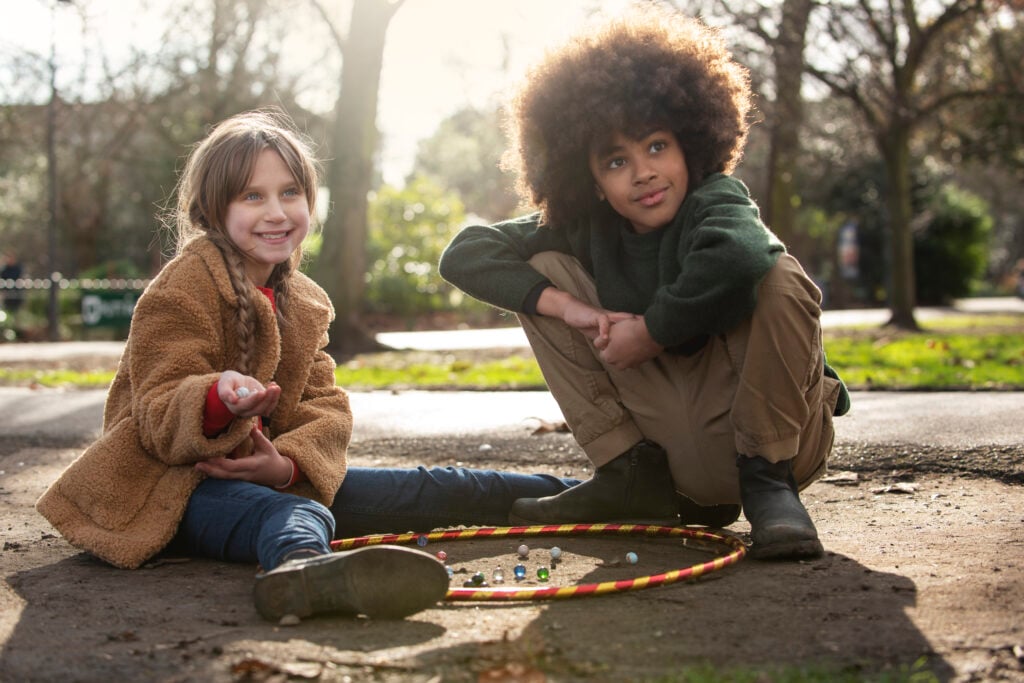
Boomers gave their kids the gift of unstructured play—a freedom that’s vanishing in today’s world. They trusted their children to ride bikes through the neighborhood, climb trees, build forts, and scrape knees in the process. This wasn’t neglect; it was intentional space for growth, imagination, and self-reliance.
This independence taught kids how to navigate challenges, solve problems, and make their own decisions. They learned about consequences, risk, and resilience through lived experience. Boomers believed that some of life’s best lessons weren’t taught—they were discovered by doing, even if it came with a few bruises along the way.
8. They balanced discipline with friendship.

Boomers tried to be more than rule enforcers—they wanted to be a safe harbor for their children. They walked the line between authority and ally, teaching right from wrong while also being approachable. Kids didn’t live in fear of disappointing them; they wanted to earn their respect.
This dual role created a dynamic of mutual trust and communication. Boomers showed their kids that being respected wasn’t about dominance—it was about connection. Over time, this led to deeper bonds, where children felt comfortable turning to their parents in times of crisis, not just in celebration.
9. They made kids’ activities a priority.

Boomers weren’t passive spectators in their kids’ lives—they became their biggest cheerleaders. They enrolled their children in sports, music, scouts, art classes, and more. Even after long workdays, they showed up with snacks, signs, and endless encouragement from the sidelines.
These activities weren’t just about achievement—they were about discovery, discipline, and building confidence. By investing in their children’s passions, Boomers reinforced the idea that interests outside school mattered. It taught kids to pursue goals, handle competition, and experience both failure and success in a supportive environment.
10. They normalized working moms and shared parenting roles.

Boomers ushered in a new era of co-parenting, where moms could work outside the home and dads could change diapers without judgment. It wasn’t without friction—society hadn’t caught up yet—but they forged ahead, balancing ambition with family.
Children growing up in these households saw a more equitable distribution of responsibilities. They witnessed firsthand that partnership, not patriarchy, made a home run smoothly. This shift planted the seeds for gender equality and redefined strength—not as dominance, but as collaboration between equals.
11. They questioned traditional gender roles for kids.

Boomers began tearing down the pink-and-blue boxes their own childhoods were confined to. They let boys cry and girls lead, supporting self-expression over societal expectation. Whether it meant buying dolls for their sons or encouraging daughters in STEM, they challenged gender stereotypes head-on.
This gave children the freedom to explore interests without shame and to define success on their own terms. It helped foster empathy in boys and assertiveness in girls—qualities once discouraged. The result was a generation more comfortable in their own identities and more accepting of others.
12. They embraced technology as a parenting tool.

Unlike their own parents who viewed TV and video games with suspicion, Boomers embraced the digital revolution. They saw educational programming, early computer games, and emerging technologies as ways to engage, teach, and connect with their children.
Technology in Boomer households wasn’t a babysitter—it was a bridge to learning and togetherness. Watching shows together or playing early video games became bonding experiences. More importantly, Boomers helped their kids become adaptable and curious in a world that would soon run on screens, code, and connection.