
Baby Boomers followed distinct household rules that shaped family values and daily routines.

Baby Boomers grew up adhering to specific household rules that emphasized respect, discipline, and resourcefulness in daily life. These guidelines, such as greeting guests formally or mending clothes instead of discarding them, reflect a different era’s approach to family and social expectations. Understanding these traditions reveals how family values have evolved and highlights contrasts with the more relaxed norms often favored by Gen Z today.
1. Always greet guests with a firm handshake and eye contact.

Greeting guests with a firm handshake and eye contact was a sign of respect and maturity in many Baby Boomer households. This expectation instilled confidence and poise, emphasizing the importance of first impressions. A warm smile often accompanied these gestures to set a welcoming tone.
Over time, the formality of such greetings has relaxed, with younger generations occasionally favoring casual nods or waves. This shift may reflect changing social norms where digital communication prevails. A firm handshake suggests a timeless grace, even as traditional boundaries ease.
2. Leave shoes at the door to keep the home clean.

In many homes, shoes left at the door helped maintain cleanliness. This simple rule minimized dirt and protected flooring, signifying respect for shared spaces. Wiping feet on the welcome mat provided an additional measure, underscoring an orderly environment.
Seemingly mundane, this practice emphasized the values of care and discipline within the household. Today’s families might not ritualize shoe removal, yet the underlying message of nurturing home sanctity persists. Cultural and climate differences often inform variations in this routine.
3. Write thank-you notes promptly after receiving gifts or favors.

The ritual of writing thank-you notes fostered gratitude and appreciation. Baby Boomers were expected to express thanks promptly after receiving gifts or favors, reinforcing social bonds. Many appreciated this thoughtful gesture, valuing authentic communication and personal connection.
While digital messages now replace handwritten notes, the essence of gratitude remains. Younger generations may favor speed and convenience, yet thoughtfully composed words still resonate. The act of articulating thanks embodies a timeless gesture of respect and acknowledgment.
4. Keep the television off during meal times to encourage meaningful conversations
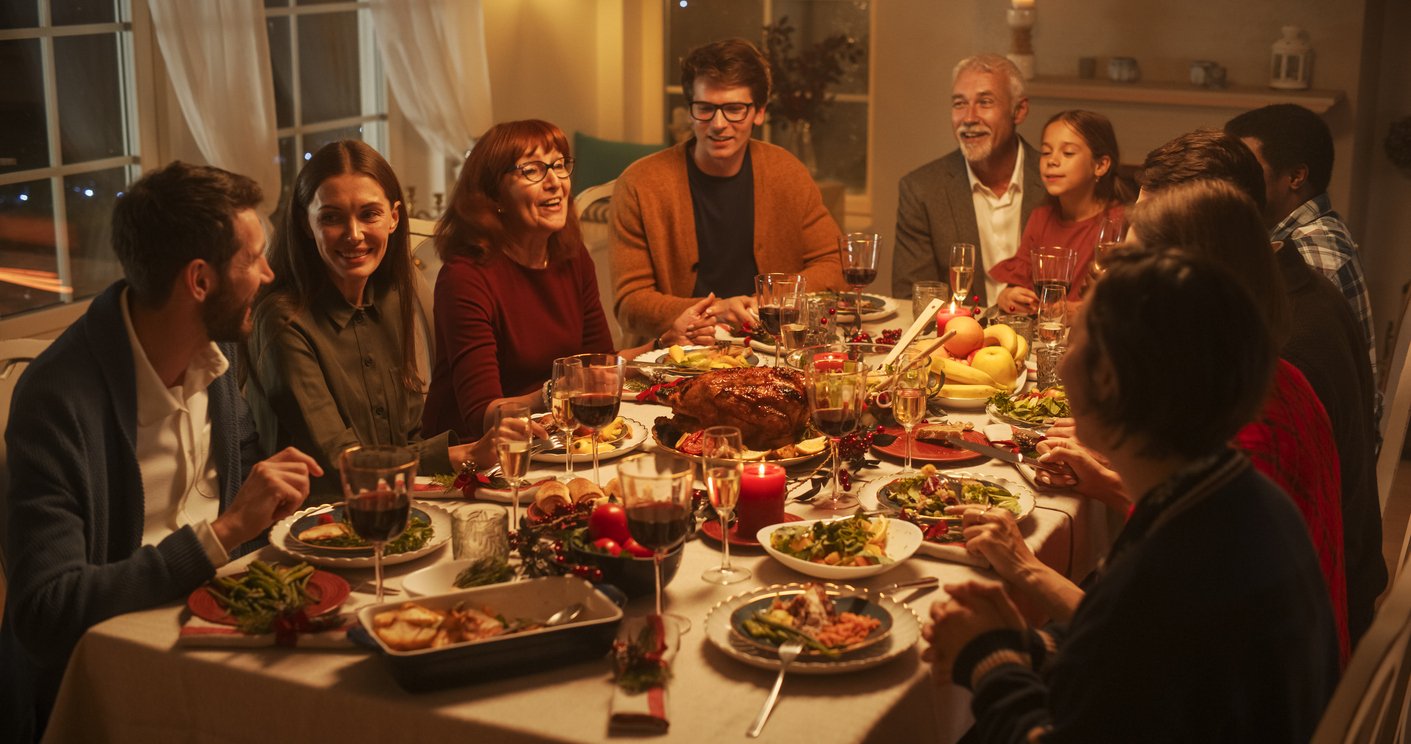
Keeping the television off during meals encouraged meaningful conversation. For many Boomers, mealtime was a sacred family gathering, fostering connection and reflection. It provided an opportunity to discuss the day’s events or share stories over a savory stew.
As screens pervade modern life, this rule offers a glimpse into a past where moments of togetherness were treasured. Some families continue this tradition, valuing distraction-free interaction. Even today, setting technology aside can facilitate genuine engagement around the dinner table.
5. Save the best linens and dishes for special occasions only.
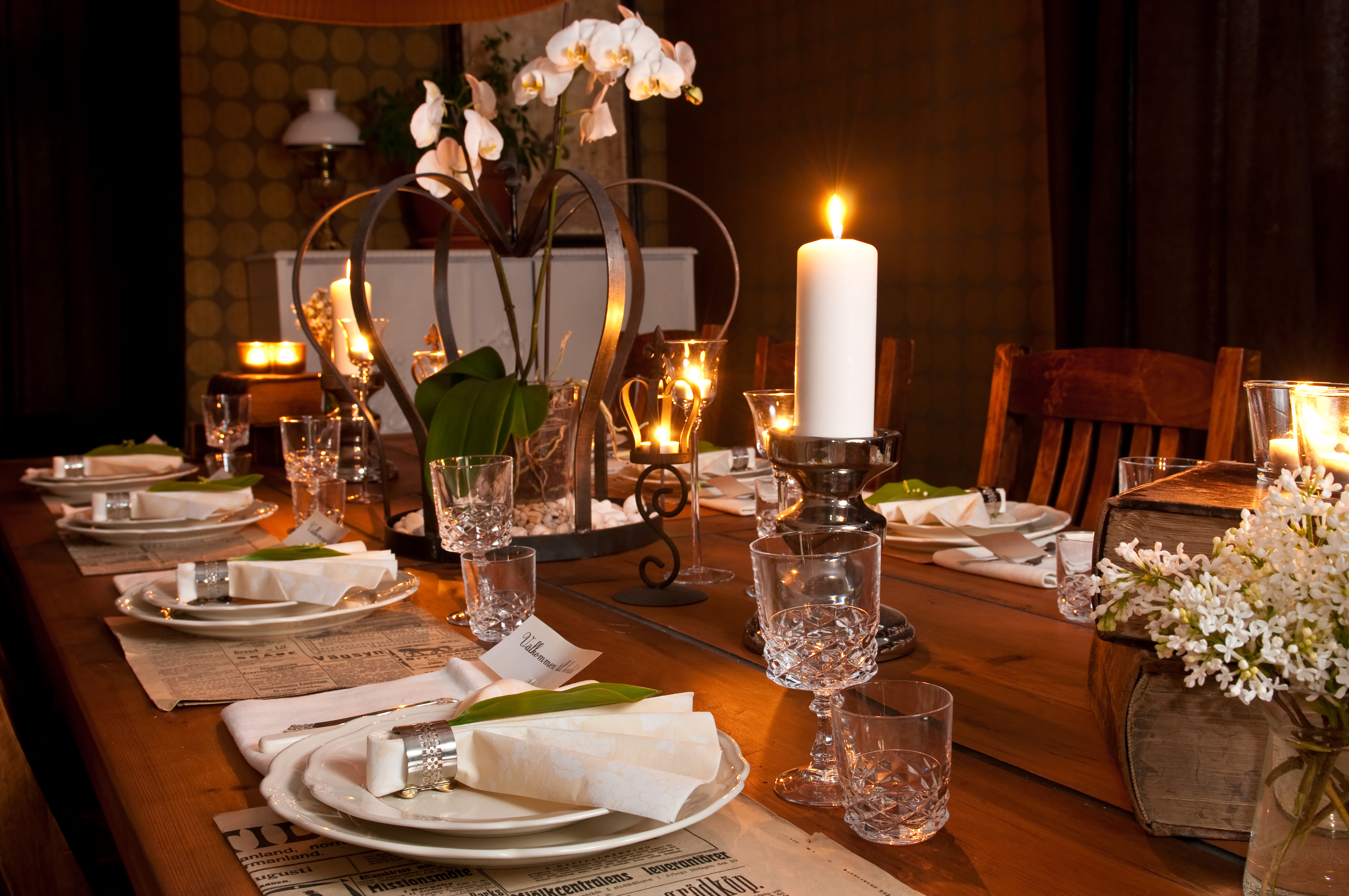
Saving the best linens and dishes for special occasions underscored the concept of cherishing items of value. This practice among Boomers gave celebrations an elevated sense of importance and joy—as napkins were unfolded with care at holiday meals.
While some families today embrace everyday luxury, using beloved pieces regularly, the idea of marking moments with special touches endures. Cherished items evoke memories and stories, reinforcing their sentimental role in creating lasting family traditions.
6. Mend clothing rather than discarding it to extend its life.
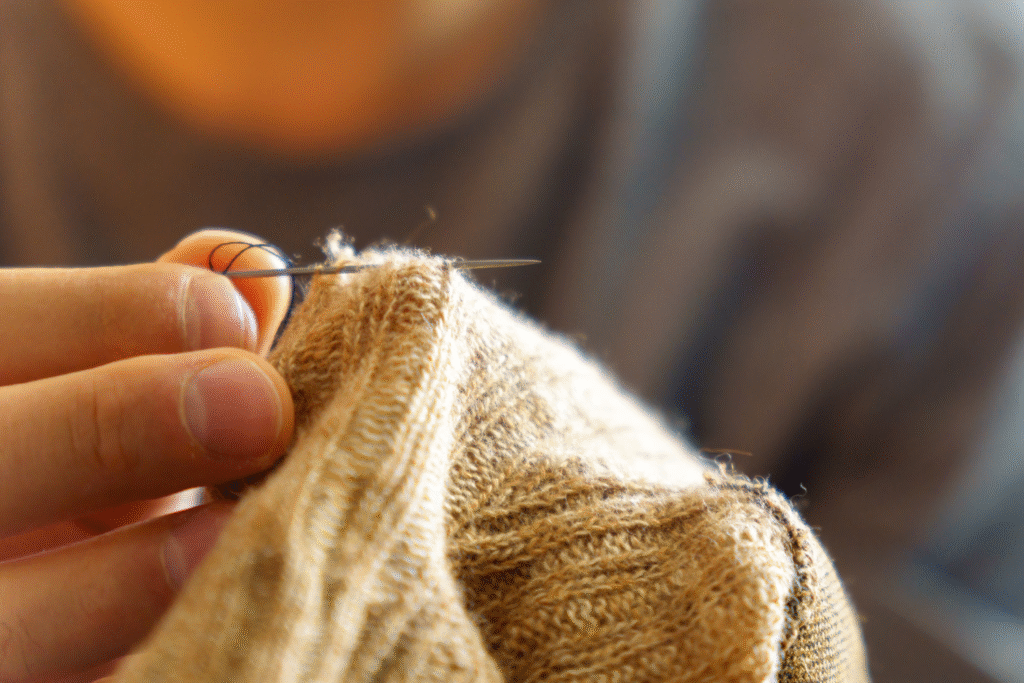
Mending clothing, rather than discarding it, was a common practice for extending a garment’s life. This skill taught resourcefulness, with Boomers often encouraged to fix buttons or sew patches. A needle and thread transformed worn items into wearable treasures.
In today’s fast-fashion world, this tradition highlights a sustainable mindset that continues to gain traction. Preserving clothing not only saves resources but also imparts a meaningful lesson in valuing what one owns. The ethos of repair over replacement remains relevant across generations.