
Smartphone use influences nervous system function through stress, sleep, and cognitive load effects.

Smartphones have become integral to daily life, but their use extends beyond mere convenience, impacting the nervous system in complex ways. From triggering stress responses to disrupting sleep patterns and taxing cognitive resources, these devices interact with our brain and body on multiple levels. Understanding these effects can help us find a balanced approach that supports nervous system health and overall wellbeing, as advised by experts from institutions like the CDC and Harvard T.H. Chan School of Public Health.
1. Smartphones can increase stress levels by triggering the body’s fight or flight response.

When smartphones push our stress buttons, they often activate what’s known as the fight or flight response. This evolutionary mechanism prepares the body to react to threats by increasing heart rate and adrenaline levels. Yet, a sudden alert at midnight doesn’t pose actual danger.
These repeated triggers can leave the nervous system in a heightened state, affecting mental wellbeing. A simple chat notification can unexpectedly spike cortisol levels, a stress hormone, challenging the body to unwind. Thus, soothing routines and boundaries might help buffer these responses in a tech-driven age.
2. Prolonged screen time may disrupt natural sleep patterns and reduce rest quality.

Long hours spent scrolling can interfere with the body’s internal clock, known as the circadian rhythm. This rhythm governs sleep patterns, coordinating sleep-wake cycles with sunrise and sunset. Prolonged screen exposure, especially late at night, may push bedtime much later.
Such disruption can lead to a vicious cycle of fatigue and poor concentration during waking hours. Sleep deprived, the nervous system finds it harder to recuperate, which could alter mood and cognitive function. Quality sleep fortifies the nervous system, reinforcing overall health and endurance.
3. Frequent notifications stimulate constant alertness, preventing the nervous system from relaxing.
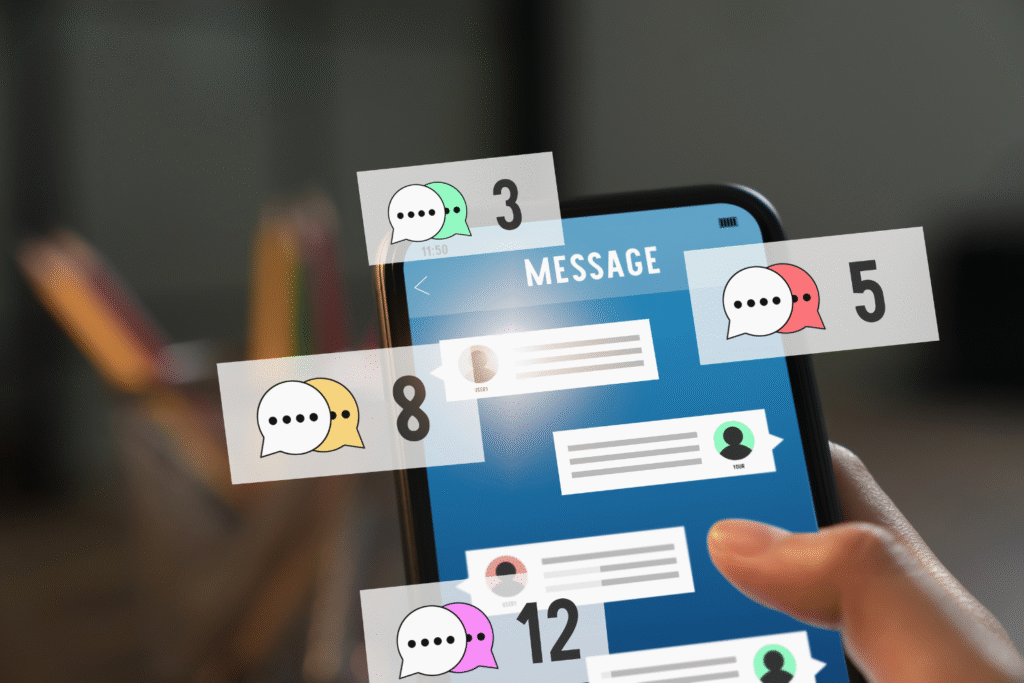
Smartphones bombard users with a constant flurry of notifications, demanding immediate attention. Each ping can snap focus away, keeping the nervous system on high alert. It’s akin to a drip-feed of micro stressors, subtly yet continuously taxing cognitive resources.
Over time, this hyper-vigilance can prevent the nervous system from fully relaxing, resulting in chronic stress. For instance, repeated disruptions during a family meal might hinder genuine connections, impacting emotional health. Reclaiming moments of quiet may allow true mental relaxation.
4. Blue light exposure from screens can interfere with melatonin production and sleep cycles.

Screens emit blue light, which tricks the brain into thinking it’s daytime, thus interfering with melatonin production, a hormone crucial for sleep. By extending artificial daylight effect, blue light exposure disrupts natural sleep patterns and delays sleep onset.
In an age of late-night streaming binges, blue light exposure plays a silent yet disruptive role in sleep cycles. The encroachment of screen time into late hours diminishes melatonin’s effectiveness, potentially leaving one groggier in the morning. Shielding from this light might be key for optimal rest.
5. Overuse of smartphones can lead to heightened anxiety and feelings of overwhelm.

Feeling anxious when glued to a smartphone isn’t just imagined. The barrage of information and constant connectivity can contribute to heightened anxiety levels and a sense of overwhelming stress. Extended use may lead to an endless loop of comparison and worry.
This overstimulation leaves little room for mental quietude, as even downtime becomes plugged into digital chimes and social updates. As anxiety escalates, the nervous system bears the brunt, struggling to process abundant stimuli. A mindful balance in screen interaction could ease these emotional fluctuations.
6. Multitasking on devices taxes cognitive resources and impairs mental focus.

Multitasking on devices divides attention across tasks, demanding more from cognitive resources. Constant toggling between screens can exhaust the brain rapidly, leading to reduced focus and impaired memory retention. This dilutes attention span and hinders efficient mental processing.
Switching among tasks on a smartphone creates cognitive strain akin to juggling several balls without dropping one. Overuse of multitasking might result in dissatisfaction and mental fatigue. Guarding against this practice may improve mental clarity and preserve cognitive energy amidst digital landscapes.
7. The nervous system may become desensitized due to continuous sensory input from phones.

Endless sensory input from smartphones might desensitize the nervous system. As stimuli mesh into background noise, responsiveness dulls, blurring lines between need and excess. The mind might tune out crucial signals, unable to discern between necessary and incidental alerts.
Familiar scenes, like missing a street sign while engrossed in a text, highlight reduced situational awareness due to constant phone engagement. The blurred sensorium challenges pre-existing neural pathways, so recognizing thresholds for input might preserve neural sensitivity and acuity in daily interactions.
8. Physical posture during smartphone use can cause tension in neck and shoulder muscles.

Frequent slumping over a smartphone can create muscular tension, especially in the neck and shoulders. This forward-bent posture forces muscles to support unnatural positions for extended periods, leading to strain and discomfort. It’s like carrying a small yet persistent weight.
Consistent poor posture while texting or scrolling often translates to a stiff neck or lingering backache. Prolonged tension can feed into stress responses, impacting nervous system relaxation. Encouraging posture shifts may mitigate these effects and restore physical comfort over time.
9. Social media interactions on smartphones can trigger emotional highs and lows affecting nerves.

Chatting and scrolling, often through social media, sparks emotional highs and lows that impact nerves. Notifications of likes or comments trigger dopamine release, creating transient pleasure. But the nervous system bears each rise and fall, stretched thin by emotional fluxes.
This can cycle through peaks that feel euphoric and valleys of discouragement, potentially straining emotional resilience. After all, an exhilarating post can quickly shift to anxiety over its reception. Building awareness of these emotional rollercoasters might aid equilibrium in the nervous system.
10. Digital engagement before bedtime often delays the body’s readiness for sleep.

Engaging with digital content before bed disrupts the body’s readiness for sleep. As stimulating material captures attention, it heightens alertness rather than lull towards slumber. The mind stays engaged, postponing the quietude needed for restorative rest.
Such interference prolongs brain activity, setting back the clock for winding down. Flickering screens keep evening alertness elevated, altering natural rhythms of the nervous system. Allowing undisturbed time before bed can enhance sleep quality and fortify the body’s recovery mechanisms.
11. Smartphone dependency can reduce opportunities for mindful breathing and nervous system reset.

Dependence on smartphones often encroaches on moments suited for mindful reflection or calming breath work. Continuous engagement steals periods from the day when the nervous system could reset through simple, undistracted breathing exercises.
This interruption means the deep, slow breaths that calm the vagus nerve might remain unsavored. Rushed breaths tethered to scrolling can hinder nerves from replenishing energy effectively. Recognizing opportunities for these mindful pauses can nurture nervous system health, encouraging inner balance.
12. Interruptions from smartphones hinder the parasympathetic nervous system’s restorative functions.

Constant smartphone interruptions can impact the parasympathetic nervous system’s ability to restore and rejuvenate the body. When messages and alerts occur, they provoke a shift back to alertness, hindering a transition to restful states essential for recovery.
By pulling attention away, these interruptions rob the nervous system of downtime necessary for healing and maintaining balance. Expecting an email during a sunset walk might prevent relaxation and reset. Preserving periods of uninterrupted calm might bolster the reparative functions of this restorative system.