
Boomers had opportunities that younger generations can only dream about—and instead of passing them down, they pulled up the ladder behind them.

Life isn’t getting any easier for younger generations, and it’s not just bad luck. While every era comes with its own challenges, today’s young adults are facing obstacles that didn’t exist when Boomers were coming of age. The cost of living has skyrocketed, wages haven’t kept up, and stability feels like an unreachable dream. Hard work used to be enough to build a secure future, but that equation no longer adds up.
Many Boomers love to give advice about pulling yourself up by the bootstraps, but those same bootstraps used to be a lot sturdier. It’s frustrating to hear older generations talk about how they “had it tough too” when the reality is that many opportunities have disappeared.
The playing field isn’t just uneven—it’s been tilted against younger generations in ways that make success feel like a moving target. Understanding how we got here is the first step in fixing it.
1. They bought cheap houses and then let the housing market spiral out of control.

Back when Boomers were buying their first homes, prices were reasonable, mortgages were manageable, and starter homes actually existed. A single income could cover a house payment, and interest rates didn’t feel like a financial death sentence, as explained by author Frank Victoria in a LinkedIn article.
Fast forward to today, and younger generations are staring down skyrocketing housing costs, bidding wars, and a rental market designed to keep them from ever saving up enough to buy. Instead of pushing for affordable housing policies, Boomers benefited from inflated property values and turned homeownership into an impossible dream for everyone else.
2. They went to college for pocket change and then let tuition costs explode.

Boomers love to tell younger generations to “just work through college” like they did, conveniently ignoring the fact that tuition used to be a fraction of what it is today. Many Boomers paid for school with a part-time job or with minimal loans—then, as they moved into power, they allowed tuition costs to skyrocket while wages stagnated.
Now, says Taylor Medine in an article for Nasdaq.com, Millennials and Gen Z are drowning in student debt, with degrees that cost six figures and jobs that barely pay enough to cover the monthly loan payment. Instead of fighting for affordable education, Boomers let universities turn into financial traps.
3. They destroyed job security but still expect loyalty from younger workers.

Boomers came of age in a workforce where pensions, stable careers, and employer loyalty were the norm, according to Jennifer Morehead writing for Training Mag. Then they climbed the corporate ladder, cut costs, slashed pensions, and introduced an era of mass layoffs, gig work, and unpaid internships.
Now, they criticize younger workers for “job-hopping” and lacking company loyalty—conveniently forgetting that job security is a thing of the past. If a company won’t offer stability, why should younger employees stick around?
4. They made it harder to retire but won’t leave their high-paying jobs.

Retirement was once an expectation—work hard for a few decades, then settle into a comfortable life with Social Security and a pension. But pensions have all but disappeared, retirement ages keep creeping up, and Social Security is constantly under threat, report Tami Lubi and Jeremy Herb for CNN.
Younger generations are being told they should just “invest early” while wages barely keep up with inflation. Meanwhile, many Boomers refuse to retire, holding onto high-paying positions long past retirement age while younger workers struggle to advance in their careers.
5. They benefited from affordable healthcare and then let the system fall apart.

When Boomers were younger, healthcare was far more affordable, employer-sponsored insurance was standard, and medical debt wasn’t a life-ruining sentence. Then they watched as healthcare costs ballooned, prescription drug prices soared, and insurance companies gained more power—without demanding real reform.
Now, younger generations struggle to afford even basic medical care, with high deductibles and insurance tied to jobs that don’t provide real security. Yet, Boomers continue to vote against policies that would make healthcare more accessible for future generations.
6. They got free or cheap childcare, then let costs become unmanageable.

Raising kids used to be expensive—but nowhere near the financial burden it is today. Many Boomers had one parent at home or relied on affordable daycare programs, but those same options are now out of reach for younger parents. Childcare costs now rival rent or mortgage payments, forcing many families to make impossible choices between work and caregiving.
Instead of pushing for better parental leave policies or affordable daycare solutions, Boomers have largely ignored the issue, leaving younger parents scrambling to make it work.
7. They bought cheap cars and let public transportation crumble.

Boomers grew up in an era when buying a reliable car was realistic, and public transportation was at least a functional option in many places. But as they embraced car culture, they let public transit systems deteriorate, underfunding trains and buses while pushing for policies that made car ownership a necessity.
Younger generations are stuck with overpriced cars, predatory auto loans, and cities that are impossible to navigate without a personal vehicle. The result? More financial strain and fewer options for getting around.
8. They took advantage of strong labor unions, then let them decline.
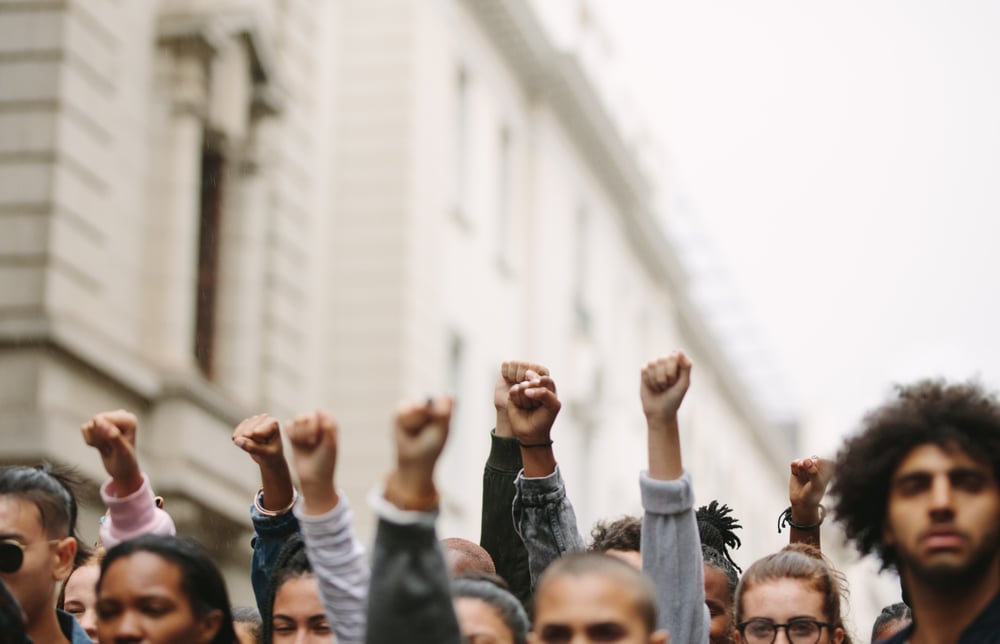
Boomers benefited from unions that fought for fair wages, safe working conditions, and job security. But as they moved into leadership positions, many stood by while corporations waged war on unions and stripped workers of their collective bargaining power.
Today, young adults are trying to rebuild labor movements from scratch, demanding basic rights that Boomers once took for granted. Fair wages and better working conditions didn’t just disappear—they were sacrificed in the name of corporate profits.
9. They had cheap groceries but let food prices become unsustainable.

Boomers could fill a grocery cart for a reasonable price, back when food costs were stable and inflation wasn’t out of control. Over time, they allowed monopolies to dominate the food industry, supply chains to weaken, and small farms to be pushed out by corporate giants.
Meanwhile, millennials and Gen Z are dealing with grocery bills that feel like rent payments, while Boomers shake their heads and tell them to “stop eating out so much.” The reality is, food has become a massive financial burden—and it didn’t have to be this way.
10. They paid taxes that actually funded services, then gutted public programs.

Boomers grew up in a time when tax dollars supported real public services—schools, infrastructure, social programs—but as they gained political power, many pushed for tax cuts that drained funding from the very systems they once relied on.
Schools are underfunded, roads are crumbling, and younger generations are expected to pay more while getting less in return. The burden of fixing what Boomers let fall apart has landed squarely on Millennials and Gen Z.
11. They had strong social safety nets, then criticized younger generations for needing help.

Boomers had access to robust safety nets—affordable housing, unemployment benefits, and social programs that helped them get ahead. But as time went on, those safety nets were cut, making it harder for younger people to find stability during hard times.
When Millennials and Gen Z struggle financially, Boomers call them entitled instead of recognizing that the system isn’t what it used to be. It’s easy to call younger generations lazy when you grew up with more support.
12. They pushed climate change off for future generations to deal with.
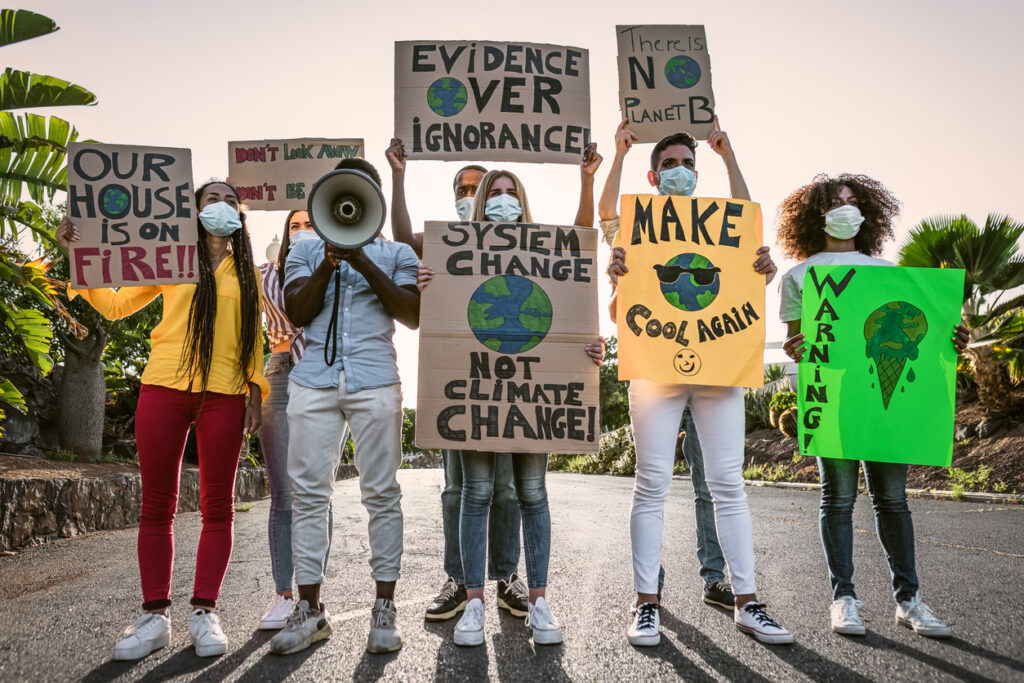
Boomers were the first generation to know about climate change—and largely ignored it. While they built wealth and enjoyed economic prosperity, they left younger generations with rising sea levels, extreme weather, and an environmental crisis that’s only getting worse. Decades of warnings from scientists were met with delays, denial, and half-measures that did little to slow the damage.
Even as younger generations push for urgent action, many Boomers still resist climate policies that could lessen the damage. The burden of fixing the problem has fallen on those who didn’t create it, forcing them to fight for a future that should have been protected long ago.