10 Stubborn Myths Boomers Refuse to Give Up—Even When Proven Wrong

Some ideas are too baked-in to shake loose—even with all the facts in the world.

©Image license via Shutterstock

Boomers grew up in a world that drilled certain ideas into their heads so consistently, it’s no wonder some of those beliefs stuck like glue. These weren’t just personal opinions—they were societal messages, repeated by teachers, neighbors, commercials, and probably your own parents. Over time, though, research, lived experience, and changing times have flipped many of these ideas on their heads. Still, some Boomers hold firm, clinging to myths that have long been debunked.

It’s not always about being stubborn—it’s about familiarity. These ideas are tied to how they were raised and how they’ve interpreted the world for decades. Letting them go means admitting that the rules have changed, or maybe that they were never all that true to begin with. That’s a tough pill to swallow, especially for a generation that was told they had everything figured out. These ten myths continue to hang around like an old tune stuck on repeat—comforting, familiar, and completely outdated.

Read more

11 Gen Z Trends That Prove Politeness Is Making a Comeback

Gen Z is bringing back politeness—but in their own way.

©Image license via iStock

For years, social media and fast-paced digital interactions seemed to erode traditional manners. But Gen Z is proving that politeness is far from dead—it’s just evolving. Unlike previous generations, who often associated politeness with rigid social rules, Gen Z is redefining it through inclusivity, digital awareness, and emotional intelligence.

Their version of respect isn’t about outdated formalities but about being conscious of how words and actions impact others. If you thought politeness was fading away, these Gen Z trends might just restore your faith in good manners.

Read more

12 Household Chores That Look Completely Different Across Generations

What used to be normal now feels like a museum exhibit.

©Image license via iStock

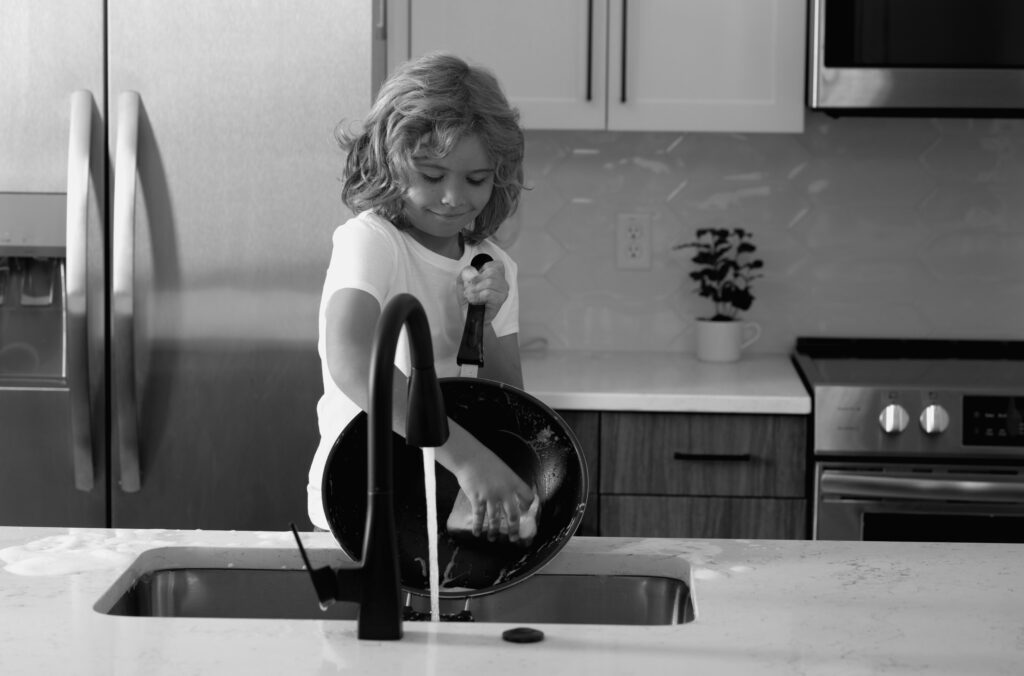
Some chores are eternal—laundry, dishes, sweeping floors—but the way we do them has shifted wildly across generations. What your grandparents did by hand, your parents may have automated, and your kids might never even notice thanks to app-based services or smart tech. These shifts aren’t just about tools; they’re about expectations, attitudes, and cultural norms. The things that once defined a “well-kept” home might feel outdated, excessive, or downright foreign to someone today.

It’s not just the chores that changed—it’s how people talk about them, share the workload, or even value the work itself. One generation might see ironing as a sign of discipline, while another sees it as completely unnecessary. These 12 household chores reveal more than just changes in technology—they reflect how families, time, and traditions evolve.

Read more

Boomers, Think You Know Manners? These 13 New Etiquette Rules Say Otherwise

You might be polite, but that doesn’t mean you’re current.

Serious senior man with funny messy hair wagging his finger at the camera

Manners used to be about saying please and sending thank-you notes. Now, they’re about things like knowing when to leave a group text or how to navigate a Zoom call without committing a social crime. Boomers who still rely on traditional rules of etiquette might find themselves unintentionally out of step in a world that runs on updated social expectations.

If you think you’re still nailing it, it might be time to check yourself against these new standards that are quietly redefining what “polite” really means.

Read more

Buying These 14 Grocery Items? You Might as Well Toss Cash in the Trash

These everyday groceries drain your wallet more than you think.

©Image license via Shutterstock

Grocery stores have mastered the art of making us feel like we’re saving money when we’re actually not. Eye-level shelves, flashy packaging, and “limited-time” labels work together to nudge us into adding items to our carts that don’t deserve the space—or the cost. It’s not always about luxury splurges either. Some of the most wasteful grocery buys are the ones we toss in without a second thought, assuming they’re convenient or necessary when they’re just overpriced fillers.

Most of us are guilty of these purchases at some point, but a little awareness goes a long way. Spotting the traps can help stretch your budget and leave you feeling less annoyed when you open your fridge and realize half of what’s in there never even got touched.

Read more

12 Subtle Money Mistakes That Could Be Early Warning Signs of Dementia

Small financial slip-ups might be pointing to something bigger.

©Image license via Shutterstock

Everyone forgets a bill now and then or makes an impulse purchase they regret. But when financial mistakes become more frequent—or out of character—it might be a sign of something deeper. One of the earliest indicators of dementia isn’t just memory loss, but changes in financial habits. Subtle shifts, like struggling with simple calculations or forgetting where money went, can be easy to dismiss at first. But over time, these warning signs can lead to financial trouble and greater cognitive decline.

If you or someone you love has been making these money missteps, it could be worth paying closer attention.

Read more

Why Classic Rock Is Still Snubbed: 10 Artists Who Deserve Hall of Fame Status

Time hasn’t dulled their sound, but the gatekeepers keep ignoring them.

Classic rock defined a generation, soundtracked countless lives, and laid the groundwork for nearly every genre that came after it. Yet somehow, year after year, some of its most beloved artists remain overlooked by the Rock & Roll Hall of Fame. It’s not about popularity—these acts have decades of fan devotion, chart-topping records, and undeniable influence. They’ve filled stadiums, shaped styles, and inspired entire movements in music. Still, no induction.

Some say the Hall has shifted its priorities, favoring trendier or more diverse picks over legacy acts. Others believe it’s just plain snobbery, turning a blind eye to “dad rock” while celebrating newer names with half the impact. Whatever the reason, it stings to see these icons still waiting for the recognition they clearly earned. These 10 artists have paid their dues many times over—and their absence from the Hall isn’t just surprising, it’s borderline insulting.

Read more

12 Ways To Help A Friend Dealing With the Loss of a Parent

You don’t need the perfect words—just the courage to show up and stay present.

©Image license via iStock

Grief doesn’t follow rules, and when someone loses a parent, it cracks open a space in their life that never fully closes again. You want to be there for your friend, but it’s hard to know what to say or do. Should you offer advice? Keep your distance? Send food? The fear of saying the wrong thing can freeze you into silence, but silence rarely feels like support to someone in pain.

What matters most isn’t finding the magic sentence that makes everything better—it’s finding simple, human ways to stand beside them. Your presence, your patience, and your willingness to sit in the awkwardness of grief are more comforting than any condolence card ever could be. Helping a friend through the loss of a parent doesn’t mean fixing their sadness. It means showing them they’re not alone in it.

Read more

12 Classic Skills That Are Disappearing—But Still Worth Learning

You can still learn these traditions hobbies and skills before they’re gone.

©Image license via Shutterstock

As time moves forward, many traditional American skills are starting to disappear. These skills, once common in daily life, are now rarely practiced or taught. Exploring these old-school talents can help you appreciate the past and maybe even inspire you to learn something new.

Today, you might find yourself more connected to technology than to practical skills. This shift can make it easy to overlook the value of doing things by hand.

Let’s rediscover these skills that could provide you with useful abilities and a deeper connection to your heritage.

Read more

13 Subtle Signs You’re in a One-Sided Marriage and How to Respond

Learn the red flags that your relationship is out of balance.

©Image license via Shutterstock

You know that feeling—something just doesn’t sit right. You care deeply, you try your best, and you’re fully committed, yet the connection in your marriage feels one-sided. It might be subtle at first, like always being the one to start conversations or feeling invisible after you put in the effort to keep things going. If you’ve ever wondered whether your relationship has slipped into imbalance, you’re not alone. It’s incredibly common for couples to fall into patterns where one person gives more while the other remains passive or withdrawn. And when that happens, emotional distance and quiet resentment often take root.

Here are thirteen revealing red flags that suggest your relationship may be out of balance—and what to do about it.

Read more

13 Heartbreaking Signs You’ve Outgrown Your Spouse

The relationship didn’t collapse—it just slowly stopped fitting.

©Image license via Shutterstock

Outgrowing a partner doesn’t always look like fighting or falling apart. Sometimes, it’s much quieter than that. It’s a series of subtle shifts that add up over time—less laughter, fewer shared dreams, and an overwhelming sense that you’re no longer walking the same path. You try to ignore the feeling, chalk it up to a rough patch, or blame it on stress. But somewhere deep down, you know something has changed—and it’s not going back to the way it was.

This isn’t about blame or betrayal. It’s about evolution. People grow, and not always in the same direction or at the same pace. And as painful as it is to admit, love alone doesn’t always carry two people forever. If you’ve noticed these signs, it might mean your heart has quietly moved ahead, leaving the relationship behind.

Read more

12 Road Trip Games Boomers Invented That Still Beat Screen Time

When roads were long and games had no batteries.

©Image license via iStock

Before the glow of tablets and the chirp of notification dings, car rides felt like a challenge to creativity—and Boomers rose to it. Packed into backseats without seatbelts or playlists, they turned boredom into invention, sparking road trip games that somehow made 300 miles feel like an adventure. With only a few snacks, a loose map, and siblings elbowing for space, they filled the hours with clever distractions that still hold their magic today.

These games didn’t require data plans, chargers, or apps. They ran on imagination, wit, and the occasional squabble. Many have been passed down, often forgotten in the rush of modern entertainment, but their charm remains. They brought out laughter, taught patience, and sometimes led to philosophical debates over whether a cow counted if it was lying down. These old-school favorites still beat screen time, mile after mile.

Read more

Get Closer With These 13 Relationship-Building Activities For Senior Couples

You don’t outgrow connection—you just get better at choosing what really matters.

©Image license via iStock

At this stage of life, you’ve already seen how quickly the years can pass and how easy it is to drift apart if you’re not intentional about staying close. It’s not about grand gestures or starting over. It’s about choosing each other again, every day, in ways that feel meaningful. The spark may look different than it did decades ago, but the fire still matters—and it needs fuel. Shared experiences, laughter, challenges, and quiet moments can bring a deeper kind of closeness than anything flashy ever could.

You don’t need a relationship coach to reconnect—you need small, consistent ways to lean in, learn, and laugh together. The goal isn’t perfection. It’s presence. And when you’re both present and open to building something richer, even after all these years, beautiful things can happen. These activities aren’t just date night ideas—they’re invitations to rediscover each other in ways that feel honest, fun, and grounding.

Read more

10 Supportive Ways to Respond To Someone Who’s Coming Out as Lesbian

You don’t need perfect words—you just need to make them feel safe being themselves.

©Image license via Shutterstock

When someone opens up about their sexuality, especially for the first time, it’s a huge moment. Coming out as lesbian isn’t always easy, and no matter how confident they may seem, there’s often a swirl of fear and uncertainty behind their words. They’ve probably imagined a thousand versions of how people might react—some good, some awful. What they need most is reassurance that your relationship won’t change in any negative way and that they can trust you to treat them with the same care, respect, and love as always.

Your response can set the tone for how safe they feel going forward—not just with you, but possibly with others too. A supportive reaction doesn’t have to be elaborate. It just needs to be sincere, grounded, and free of judgment. Even if you’re surprised or unsure what to say in the moment, keeping your focus on affirming their honesty and bravery goes a long way.

Read more