States Where Layoff Rates Are the Highest in the US

A closer look at why certain states experience higher layoff rates than others.

©Image license via Canva

Layoff rates vary significantly across U.S. states, shaped by each region’s dominant industries and economic conditions. States with heavy reliance on volatile sectors, such as technology, manufacturing, or energy, often face higher job displacement. Understanding these patterns involves considering both temporary and permanent layoffs, as well as how local economies adjust to downturns. Expert data from sources like the Bureau of Labor Statistics helps reveal which states tend to have the most layoffs and why.

Read more

The Most Dangerous Cities in America Aren’t the Ones You’d Expect

The real danger zones in America aren’t where most people think they are.

©Image license via Canva

When you picture dangerous cities, you probably imagine the biggest ones—New York, Chicago, Los Angeles. But the latest crime data paints a different story. The most violent crime rates are showing up in smaller, lesser-known cities that rarely make national headlines.

These aren’t just statistical flukes—they’re snapshots of how economics, policing, and social decline shape local safety. Here are the cities topping the danger list for reasons few expect.

Read more

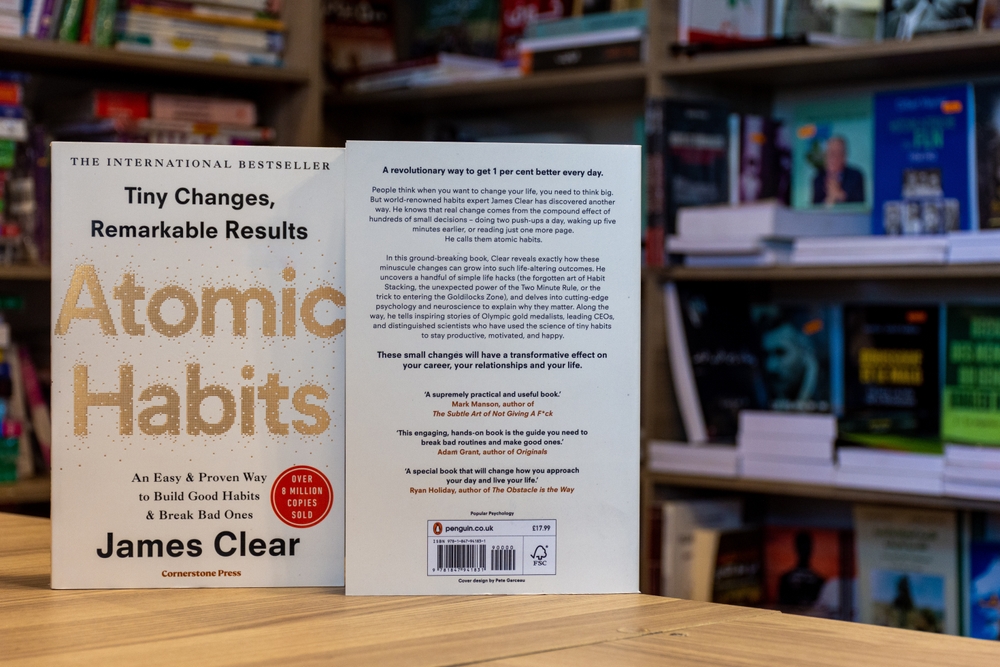
Takeaways From Bestseller “Atomic Habits” That Will Create Lasting Personal Changes

By implementing small, consistent actions, you can leverage the principles of atomic habits.

©Image license via Shutterstock

If you’re ready to make 2025 your most productive year yet, Atomic Habits by James Clear offers proven strategies to create lasting change. By focusing on small, actionable steps, you can transform your habits and, ultimately, your life. The power lies in consistency and aligning your actions with the person you want to become.

Here are 11 steps inspired by Clear’s insights to help you build better habits and achieve your goals this year.

Read more

States Where Affordable Senior Housing Is Hardest to Find

Affordable senior housing availability varies widely due to market and policy factors in these states.

Credit: Image license via Shutterstock

Finding affordable housing suitable for seniors is increasingly difficult in certain parts of the United States. Factors such as high housing demand, rising costs, and restrictive state policies contribute to shortages that disproportionately affect older adults on fixed incomes. While some states have made progress, others continue to face significant challenges in balancing growth with affordability, leaving many seniors with limited and costly living options.

Read more

Retirees Are Trading Florida’s Beaches for Greece’s Islands — Here’s Why

The sunshine’s the same, but the lifestyle costs half as much.

©Image license via Canva

A surprising wave of American retirees is skipping Florida’s beaches and heading for Greece’s islands. The shift isn’t just about scenic views—it’s about value, simplicity, and a slower rhythm that’s becoming harder to find in the U.S. For many, this move feels less like a gamble and more like a return to balance.

Here’s why so many retirees are trading palm trees for olive groves and discovering their best years abroad.

Read more

These Online Memory Workouts Turn the Clock Back 10 Years

Scientists say your brain might be younger than you think—with the right kind of training.

©Image license via Canva

A groundbreaking study has found that a 10-week online memory program can reverse up to 10 years of brain aging. Participants didn’t need pills, surgery, or expensive therapies—just structured digital exercises that trained attention, working memory, and processing speed.

The results hint at something profound: the aging brain is far more adaptable than we’ve assumed. Here’s how this digital workout delivers such remarkable results.

Read more

Research Says Skip Short Strolls – Turns Out That Longer Daily Walks Are Better For Your Heart

Longer, steadier walks give your heart what short strolls can’t.

©Image license via Canva

Recent findings from a study led by University of Sydney and Universidad Europea show that walking in longer, continuous bouts—rather than brief, scattered strolls—reduces the risk of cardiovascular events and death. Participants who walked for at least 10–15 minutes in one stretch had markedly lower risks compared with those whose walks were under five minutes.

It turns out the body thrives on momentum: extending a walk into the 30-45-minute zone keeps the heart in a sustained training state, strengthens blood vessels, and teaches your metabolism to burn fuel more intelligently. Short strolls feel good—but longer walks reshape your cardiovascular baseline.

Read more

First Things to Go—Boomers Stop Paying For 10 Things When the Market Crashes

What goes first when the market crashes for boomers—and it’s not just stocks.

Home office, two seniors reading documents, papers and tech on table, daytime natural light, documentary style, with people.
©Image license via iStock

Many baby boomers are tightening belts ahead of market alarms, and tracking what disappears from their budgets reveals a pattern. Analysts suggest that older retirees tend to stop paying for non-essentials first when portfolios wobble. According to a recent article analyzing boomer spending habits, they become “pretty stingy” about personal luxuries when economic anxiety hits.

Here are ten expenses boomers often abandon early when the market turns—and what you should watch if your own nest egg is at risk.

Read more

Born After 1964? Your “Normal” Social Security Retirement Age Got Pushed Back

Born after 1964? Your “normal” Social Security retirement age just moved.

©Image license via iStock

If you were born in 1960 or later, you’ll need to wait until age 67 to claim full Social Security Retirement Benefits, a shift from the traditional age 65. According to official data from the Social Security Administration, full retirement age now varies by birth year—and for younger generations the threshold continues to rise.

These changes matter more than you think. They affect how much you’ll receive, when you should retire and how you should plan your savings and work years going forward.

Read more

Health Symptoms Over-40s Should Never Ignore—Latest Life-Saving Breakthroughs

Your body whispers before it screams—if you listen, you can change everything.

©Image license via Canva

Hitting your forties doesn’t mean slowing down, but it does mean paying closer attention. Small aches or unusual fatigue can signal much more than just getting older. The good news is that modern medicine is catching up fast, offering new ways to detect and prevent disease before it takes hold.

Understanding the warning signs—and the breakthroughs behind them—can literally add years to your life, not just days to your calendar.

Read more

Sweden’s “Aging in Place” Model for Seniors is Brilliant

Independence doesn’t fade with age—it’s built into the system.

©Image license via Canva

Sweden has quietly perfected a model of senior living that keeps people in their homes longer, healthier, and happier. Instead of pushing older adults into institutional care, the country designs communities that support autonomy and connection. It’s not luck—it’s planning, policy, and respect for aging as a natural part of life.

Their approach redefines what it means to grow old, blending compassion with practicality in a way few nations have managed to match.

Read more

Social Security’s 24% Cut Is Getting Closer — Here’s What Lawmakers Might Do

Congress has fewer than ten years to act before Social Security’s “haircut” becomes law.

©Image license via Canva

The beleaguered Social Security program is now projecting insolvency around late 2032, setting the stage for an automatic cut of roughly 24 percent in benefits unless lawmakers intervene. That looming drop could wipe out tens of thousands of dollars a year for couples retiring soon, turning what many assumed was a bedrock entitlement into a significant financial risk.

Here are the six most likely paths Congress might consider—and how they could reshape retirement for generations.

Read more

10 Topics Guaranteed to Start an Argument at Any Boomer Family Dinner

Everyone thinks they’re right, but nobody’s actually listening.

Plain backdrop, older man facing younger man, tense eye contact, even lighting, documentary style photograph, people.
©Image license via iStock

There’s something magical about a boomer family dinner—until someone mentions politics, taxes, or that one cousin who “doesn’t work.” Suddenly, the roast gets cold while voices rise and eye rolls become the evening’s soundtrack. Everyone at the table has a story, an opinion, and a memory that’s somehow more accurate than anyone else’s version.

The topics might sound innocent at first, but they’re time-tested grenades. All it takes is one comment to turn dinner into a full-blown debate no one wins.

Read more

Suze Orman’s Must-Know Secrets for Slashing Credit Card Debt Before Retirement

©Image license via iStock

If you’re heading into retirement with credit card debt, Suze Orman has a wake-up call for you—because that debt could wreck your golden years. The good news? You don’t have to let it. With the right strategy, you can take control, slash your balances, and free yourself from the stress of high-interest payments.

Suze has spent decades helping people get their finances in order, and her advice is a game-changer. Here’s how to tackle your debt before it tackles you.

Read more