Smart Boomers Avoid These Energy-Draining Events

Recognizing and sidestepping common energy drains helps baby boomers stay vibrant and balanced.

©Image license via iStock

Many baby boomers find that certain social and daily events can unexpectedly drain their energy and affect their overall well-being. Identifying which situations contribute to fatigue can empower them to choose activities that conserve both physical stamina and mental clarity. From noisy gatherings to unstructured meetings, understanding these common triggers allows for better stress management and the preservation of vitality in everyday life.


Read more

DNA 45,000 Years Old Proves Neanderthals Walked About 1900 Miles From Siberia

A tiny bone fragment rewrites how far Neanderthals roamed across Eurasia.

©Image credit via Phys.org/Serhii Telizhenko

Researchers analyzing a 5-centimetre fossil from Starosele Cave in Crimea discovered DNA dating back about 45,000 years, showing the individual—named “Star 1”—was genetically closest to Neanderthals from the Altai region of Siberia. This link suggests these hominins migrated or maintained connections over distances of more than 1,800 miles (3,000 km), overturning assumptions of isolated, localized groups.

That means Neanderthals weren’t confined to scattered pockets—they were mobile, adaptable and linked across vast steppe landscapes.

Read more

Small Things Boomers Do in Public That Gen Z Actually Admires

Gen Z actually notices when Boomers do the little things right.

Well-lit living room, couch center, older woman and younger woman together, daylight through wooden blinds, documentary style, people.
©Image license via iStock

Even though it often feels like Boomers and Gen Z come from different planets, younger folks admit they’re quietly impressed when older adults behave thoughtfully in public. Some of those behaviors stand out precisely because they’ve become rare in smartphone-dominated settings.

Here are eleven small but meaningful things Boomers do in public that Gen Z admires—even if they don’t always say it.

Read more

Surprising Reasons Amish Kids Hardly Ever Have Allergies or Asthma

Growing up Amish gives immune systems some rare advantages.

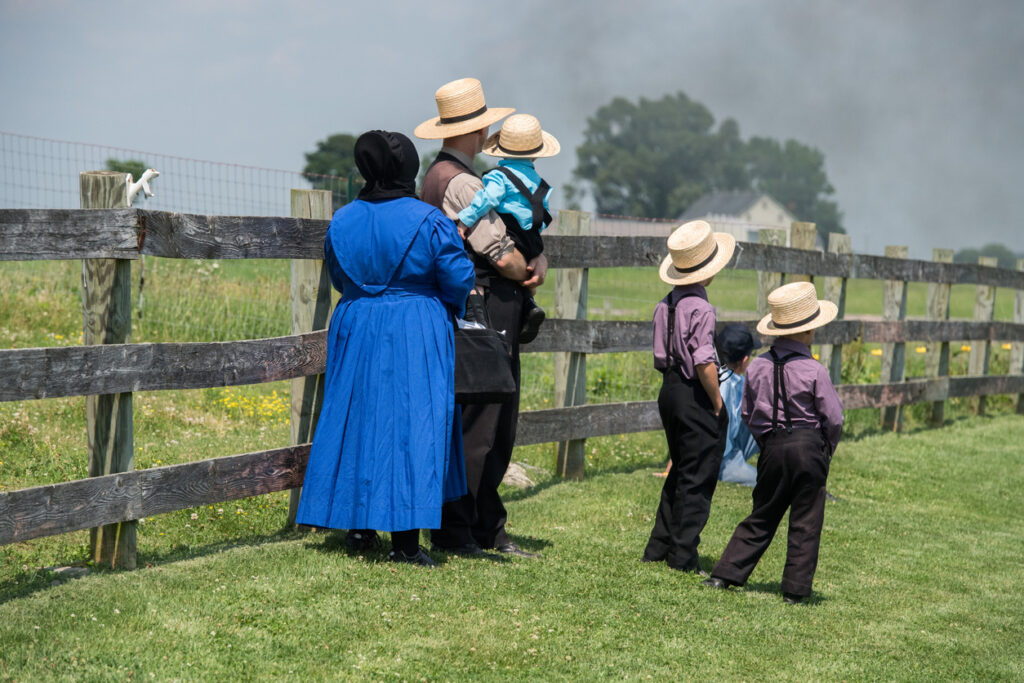
Grassy field, Amish family in straw hats, near wooden fence, sunny afternoon, editorial travel photo, adults and children.
©Image license via iStock

Studies show that children in traditional Amish farming communities have dramatically lower rates of allergies and asthma compared with the general population—only about 7 % test positive for common allergens. Scientists attribute this to early, constant exposure to farm microbes, animals and natural dust—a phenomenon called the “farm effect.”

If you’ve ever wondered how some kids seem almost allergy-proof, the Amish example highlights lifestyle factors that may provide clues.

Read more

11 Charming Small U.S. Towns for Older Travelers

Explore accessible and peaceful small towns that delight older travelers with culture and comfort.

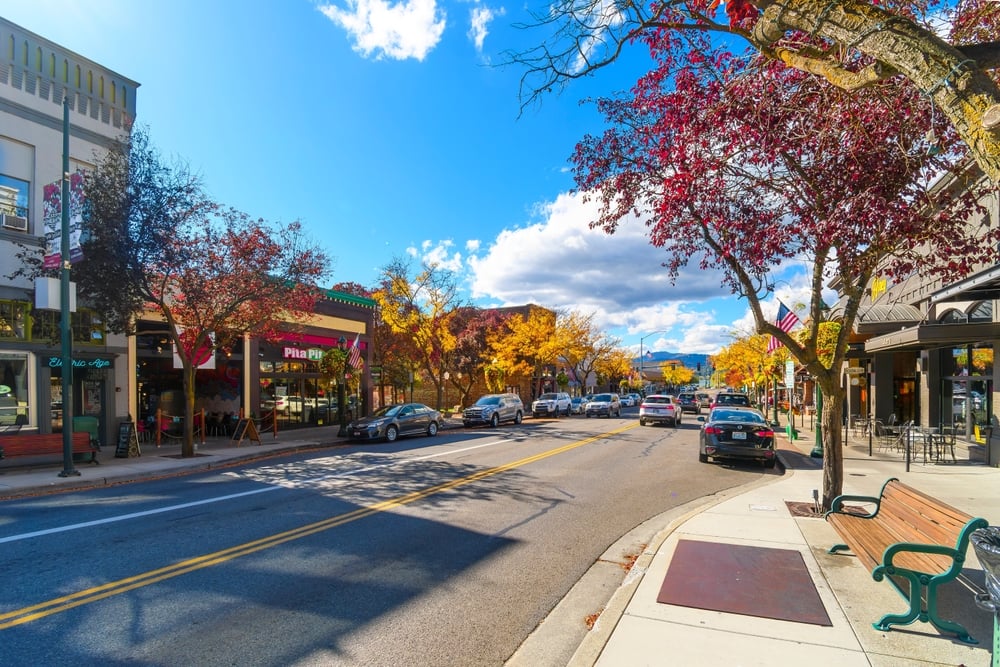
Small-town street, autumn trees, cars and shops line wide walk, bright blue sky, editorial travel photo, no people.
©Image license via iStock

Finding the perfect small-town destination can transform travel for older adults, combining ease with enriching experiences. These towns offer walkable streets, rich history, and local culture, creating a peaceful atmosphere ideal for relaxation. Accessibility, nearby medical facilities, and serene settings are prioritized to ensure comfort and safety. Whether seeking charming architecture, waterfront views, or vibrant arts scenes, these towns provide a balanced mix of engagement and tranquility for seasoned travelers.

Read more

Why Backpacking Appeals to Older Travelers

Backpacking offers older travelers freedom, culture, and health benefits in later life journeys.

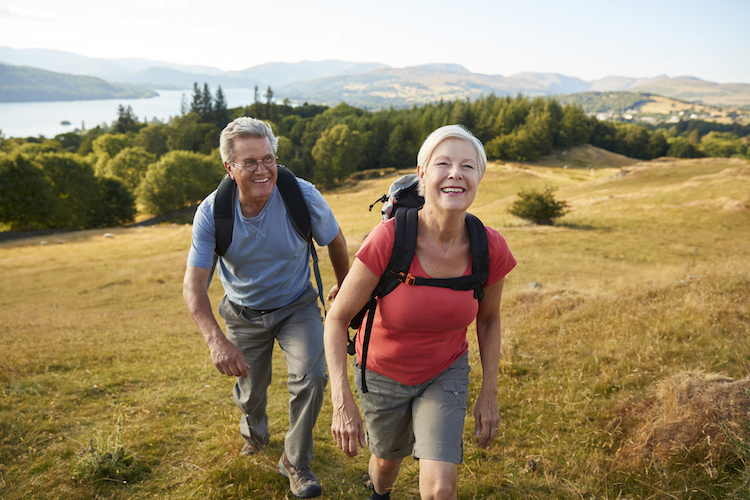
Hilly lakeshore trail, backpacking seniors, wide shot, afternoon sunlight, editorial travel photo, two people present.
©Image license via iStock

Backpacking is increasingly popular among older travelers who seek flexible, immersive, and budget-friendly adventures. This style of travel allows for a personalized pace, encouraging physical activity and fostering a sense of independence. By traveling light and embracing local cultures, older adults can enjoy meaningful experiences that promote mental and physical well-being. Ultimately, backpacking helps seniors reconnect with their curiosity and adaptability in new and enriching environments.

Read more

How To Soul Seach To Discover Your Higher Self

Finding your higher self starts with looking inward, not outward.

©Image license via Freepik

Feeling lost, stuck, or like something’s missing? That’s your soul nudging you to wake up and pay attention. Soul searching isn’t about sitting in a cave waiting for enlightenment—it’s about taking real, intentional steps to understand who you are and what truly matters. The answers aren’t out there; they’re inside you, waiting to be uncovered.

If you’re ready to connect with your higher self and gain clarity about your life’s direction, these nine powerful actions will help you get there.

Read more

Why Most People Hit a ‘Health Cliff’ at 75—and How to Avoid It

Researchers say there’s a sharp drop in health after 75 that most people never see coming.

Indoor gathering, older man in plaid smiling, supportive hands on shoulders, warm lighting, documentary style, with people.
©Image license via iStock

For many adults, the years between 70 and 75 feel steady—then everything changes. Mobility declines faster, energy wanes, and chronic conditions suddenly worsen. Doctors call this rapid downturn the “health cliff,” a point where the body’s resilience begins to collapse after decades of subtle wear.

But new research shows that this drop isn’t inevitable. With the right habits, it’s possible to stay strong and clear-minded well beyond 75.

Read more

Americans Are Fleeing California—Researchers Say These 3 Factors Explain Why

A mass migration out of California is reshaping America’s population map.

©Image credit via LAist

For decades, the Golden State symbolized prosperity and opportunity. Now, record numbers of residents are packing up and leaving — an exodus that’s transforming cities, housing markets, and entire regions of the country. Researchers say it’s not just about money or politics but a complex mix of affordability, safety, and quality-of-life concerns driving the shift.

California’s identity as a dream destination is changing, and the reasons go deeper than most people realize.

Read more

60+ New Airbnb Features Just Dropped—Including a Way to Connect With Other Travelers

Airbnb’s latest update turns travel into a social experience, not just a stay.

Living room entryway, blue suitcase foreground, couple mid-step, morning natural light, editorial travel photo, people.
©Image license via iStock

Airbnb just rolled out one of its biggest updates ever, adding more than 60 new features designed to make trips easier, smarter, and more connected. The changes range from smarter search tools to flexible payments, but the standout feature is social — a new way for travelers to meet, message, and build connections around shared adventures.

It’s part of Airbnb’s push to evolve beyond booking into a global travel community that connects people before, during, and long after the trip ends.

Read more

You’d Be Surprised How Many People Disappear in U.S. Parks

Thousands disappear in America’s parks each year, and the explanations rarely add up.

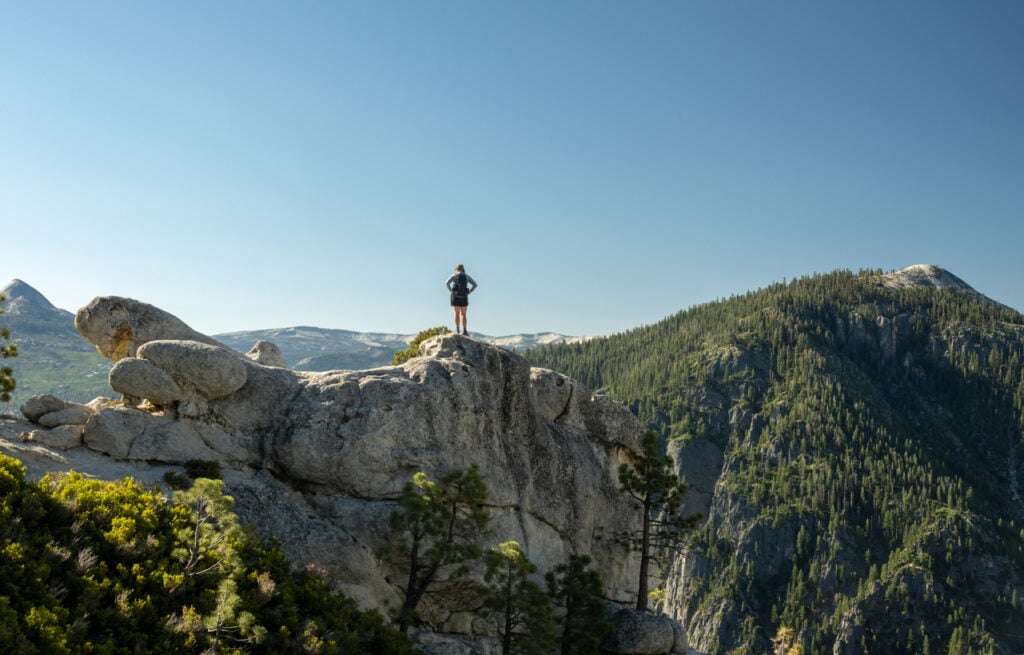
Mountain overlook, lone hiker foreground, wide vista framing, clear daylight, editorial travel photo, one person present.
©Image license via iStock

Every year, people vanish without a trace in national parks, forests, and wilderness areas across the U.S. Some are hikers who stray off the trail, others vanish under circumstances that defy logic. Despite modern tracking technology and widespread media coverage, many cases remain unsolved for decades.

The disappearances raise unsettling questions about how vast, wild, and unpredictable America’s wilderness really is — and what might be lurking within it.

Read more

Study Finds Link to Ultraprocessed Foods and Colorectal Cancer in Women Under 50

New research suggests everyday convenience foods may pose unexpected risks for younger women.

Hospital room, elderly woman with doctor, side view composition, natural light day, documentary style, two people present.
©Image license via iStock

A growing body of evidence shows that ultraprocessed foods could play a larger role in colorectal cancer development than previously understood. While past studies focused mainly on men, new findings reveal a troubling pattern among women under 50, particularly those relying heavily on ready-to-heat and ready-to-eat meals.

The connection isn’t just about calories or fat — it’s about how these foods interact with the gut, metabolism, and long-term disease risk.

Read more

Scientists Find a Frightening Link Between Loss of Smell and Early Death

Scientists say losing your sense of smell could quietly predict how long you’ll live.

Indoor setting, couple holding red wine glasses, close-up composition, soft natural light, editorial travel photo, with people.
Mature couple smelling the wine at home

New research has revealed a startling connection between a fading sense of smell and an increased risk of early death. Multiple long-term studies show that olfactory loss can predict mortality more accurately than some chronic diseases, including cancer and heart failure.

The findings suggest that your nose may be more than a sensory organ—it might be an early warning system for overall health and longevity.

Read more

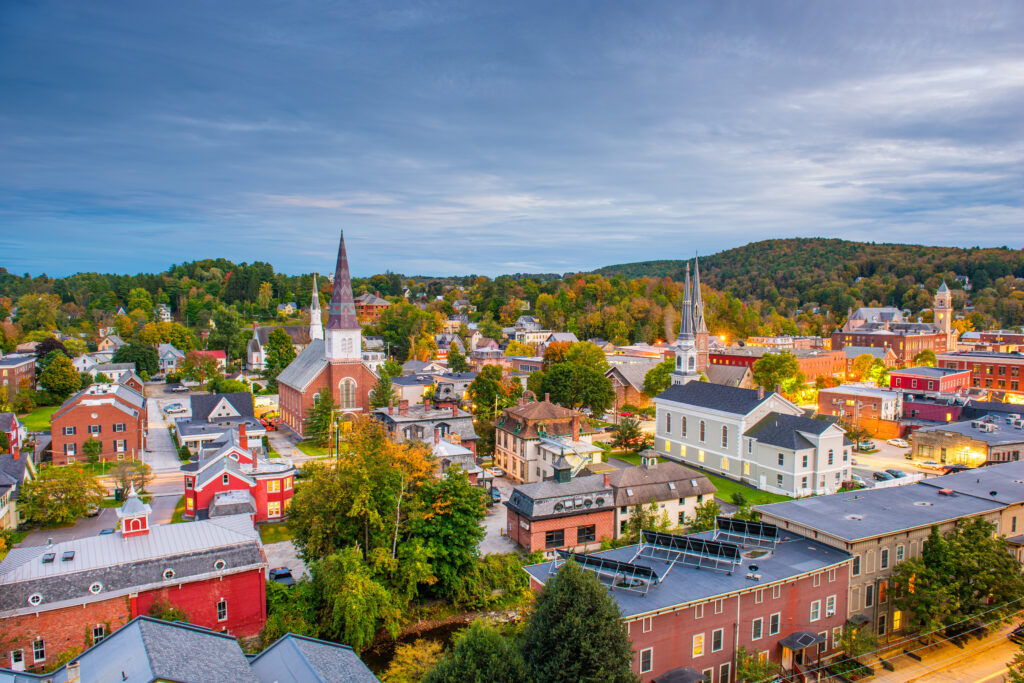
The Safest Places to Be in the U.S. If Everything Falls Apart

Explore U.S. locations that combine natural safety with community strength for survival situations.

Small town, illuminated church steeples, distant forested hills, cloudy twilight, editorial travel photo, no people.
©Image license via iStock

When disaster strikes, choosing the right place to be can make all the difference. The safest locations in the U.S. for surviving catastrophic events balance natural protection, resource availability, and strong community ties. Factors like proximity to fresh water, low population density, mild climates, and robust emergency infrastructure play key roles. Understanding these elements, based on expert guidance from FEMA, CDC, and USGS, helps individuals prepare thoughtfully for uncertain times.

Read more