The Coping Strategies People Use to Keep Going When Life Gets Tough

Resilience takes practice, but these small habits can help you show up for yourself daily

©Image license via Canva

Navigating emotional challenges is part of being human, but how we respond can shape our well-being. Coping strategies like creating routines, seeking support, and processing feelings equip us to face stress with more steadiness. Rather than avoid discomfort, these approaches help build resilience through presence, reflection, and connection. Whether you’re overwhelmed, grieving, or simply navigating life’s chaos, small habits can offer steady ground during even the roughest days.


Read more

Reason Why Some People Over 65 Choose to Keep Working That Aren’t About Money

Older adults often stay in the workforce to find structure, purpose, and continued connection.

©Image license via Canva

Retirement isn’t a one-size-fits-all decision, and for many people over 65, continuing to work offers more than just a paycheck. Whether it’s the need for routine, the desire for connection, or the drive to keep learning, older adults often find that work fulfills meaningful emotional and mental needs. Understanding these motivations can reshape how we view aging, purpose, and what it means to stay engaged later in life.

Read more

9 Types of Phrases That Seem Innocent But Actually Hide Cruel Intentions

These common phrases often sound harmless but quietly carry emotional sting, deflection, or control.

©Image license via Canva

Certain phrases can feel familiar or even polite on the surface, but their deeper messages tell a different story. Coated in casual language, these expressions often mask emotional manipulation, passive aggression, or even indirect control. Understanding what’s really being said can help you navigate conversations with more awareness and self-trust. The ability to recognize these verbal patterns is key to setting boundaries and maintaining healthier, more respectful communication in daily life.

Read more

8 Behaviors of Couples Who Are Just Going Through the Motions in Their Relationship

Recognizing patterns of emotional distance can help you reconnect before disconnection becomes the norm.

©Image license via Canva

Even the strongest partnerships can slowly shift into autopilot. When couples stop nurturing emotional intimacy, they may find themselves relying on routine rather than genuine connection. It’s not always obvious—many slipping points are subtle and quiet. From surface-level conversations to habitual distractions, recognizing early signs of distance in your relationship is vital. Noticing these behaviors is the first step toward making space for deeper communication, renewed closeness, and meaningful emotional support.

Read more

14 Everyday Things You Use That Have Different Names in the UK and the US

British and American English often name the same household items in surprisingly different ways

Light pink studio, man and woman close, matching reddish-brown shirts, soft light, editorial portrait style, people.
©Image license via iStock

Whether you’re traveling abroad or swapping stories online, language differences between British and American English can spark confusion over everyday objects. These names are more than quirks—they reflect cultural habits formed over generations. From pushchairs to flashlights, the words may change, but the items remain familiar. Learning the alternate terms adds a layer of clarity and can help you navigate conversations, shopping trips, or simple directions with a bit more ease.

Read more

13 Ways Boomers Accidentally Talk Down to People Without Realizing It

Avoiding certain phrases and habits can help boomers foster more respectful cross-generational conversations.

©Image license via iStock

Some everyday expressions and habits, often passed down through routine or tradition, can inadvertently come across as patronizing. Many Baby Boomers may not realize how certain ways of speaking feel to younger listeners. Even well-meaning advice or nostalgic stories can quietly signal condescension depending on tone or context. By becoming more mindful of language and delivery, it’s easier to maintain open, balanced conversations that honor experiences across generations without creating unintended barriers.

Read more

14 Times Strangers Cross the Line and How to Respond Gracefully

Strangers sometimes overstep social boundaries, but you can respond with poise and self-respect.

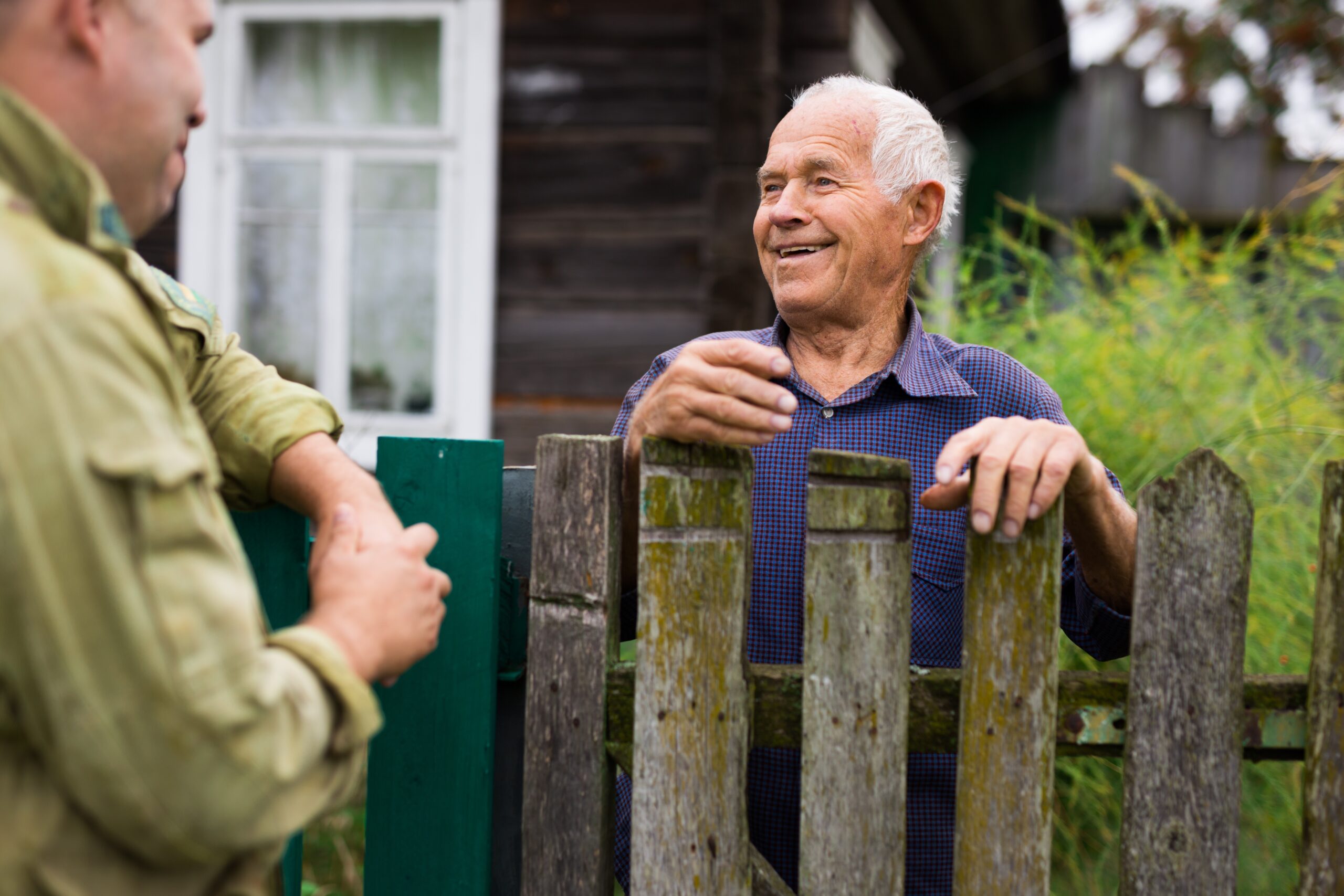
Rustic house exterior, elderly man smiling at a companion, wide-angle outdoor shot, midday light, editorial travel photo, people.
©Image license via iStock

Awkward encounters with strangers are more common than most of us expect. Whether it’s an unsolicited comment about your appearance or someone joining a private conversation uninvited, these moments can catch you off guard. The key is responding in a way that affirms your boundaries without fueling conflict. With a few thoughtful strategies, you can handle these situations calmly and assertively, protecting your space while maintaining dignity and grace.

Read more

Want to Sound Sharp, Not Old? Avoid These 12 Phrases That Make You Seem Older

A few dated phrases could be making your everyday speech sound older than you are

©Image license via iStock

Language evolves quickly, and some familiar phrases now carry signals of another era. If your goal is to sound sharp, current, and relatable, it helps to recognize expressions that unintentionally age your communication. From tech terms that belong in history books to slang that reads as parody, these verbal habits may undercut your credibility or connection. Knowing what to swap—or simply drop—can keep your conversations smooth, clear, and naturally in tune with today’s tone.

Read more

11 Skills Boomers Learned in Childhood That Help Them Succeed in Retirement

Simple skills learned early can set the stage for a confident and fulfilling retirement life.

Wood-paneled workshop, luthier at bench fixing violin, scattered tools, evening glow, documentary style, one elderly man.
©Image license via iStock

While retirement planning often focuses on finances, many boomers find that lifelong habits make just as much difference. Skills learned in childhood—like saving, cooking, or respectful conversation—build self-reliance and resilience that support a vibrant retirement. These early lessons foster mindsets and routines that help navigate new rhythms, maintain social ties, and manage daily life with ease. The value of these long-practiced habits often becomes even clearer as schedules slow and priorities shift.

Read more

Patriots and Politics: Why Coffeehouses Fueled the American Revolution

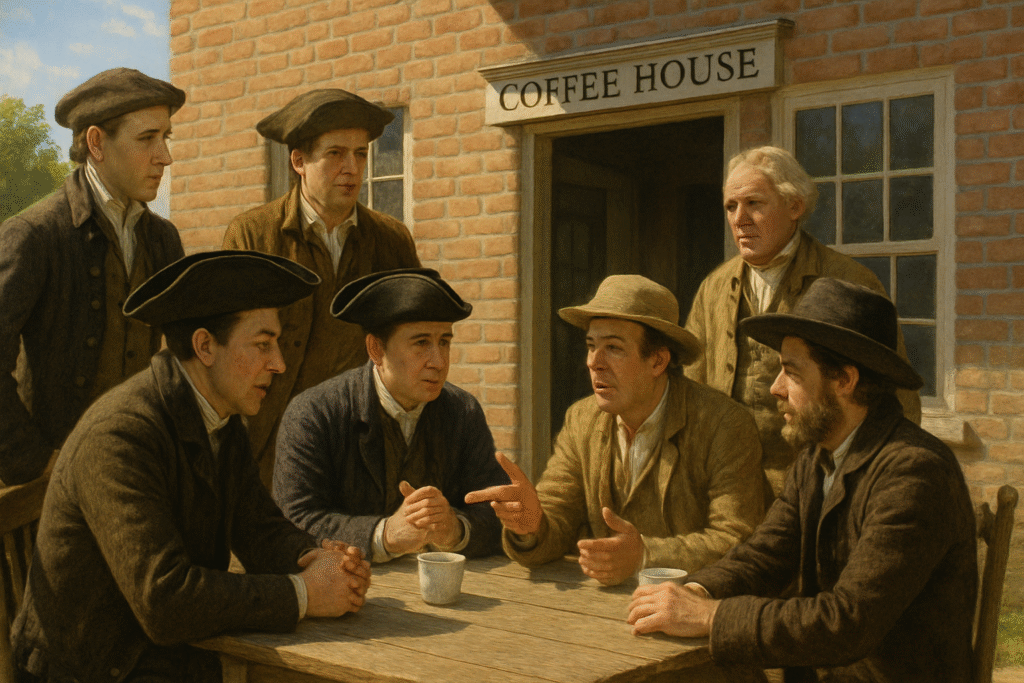
Coffeehouses gave colonial Americans a place to debate, organize, and quietly grow revolutionary ideas.

©Image license via Retiredom/ChatGPT

Before colonial America erupted into widespread rebellion, many of its boldest political ideas were stirred to life in coffeehouses. These social spaces were more than places to sip a hot drink—they offered neutral ground where people from all walks of life could meet, speak freely, and share printed materials that fueled emerging dissent. With caffeine sharpening minds and conversation flowing, coffeehouses became key engines of revolutionary thought and organization.

Read more

‘Just in Case’ Clutter That Is Draining Energy From Your Living Space

Everything has a purpose, but not everything has to take up room in your home.

©Image credit via Prescott Home Builders

Many of us hold onto everyday items out of habit, sentiment, or the idea that we might need them someday. Over time, though, these things quietly collect in drawers, closets, and corners, cluttering both space and peace of mind. Recognizing what no longer serves a real purpose is the first step toward a more open and functional home. If it’s been forgotten or unused for over a year, it may be time to let it go.

Read more

10 Boomer Money Mistakes That Still Left Them Richer Than Most Millennials

Why some financial missteps still led Baby Boomers to outpace Millennials in long-term wealth

©Image license via Pexels

Baby Boomers didn’t always make perfect financial decisions, but many still built lasting wealth. Their path was shaped by lower home prices, affordable college costs, and widespread job stability factors that are far less accessible to Millennials today. Even outdated habits like paying off a mortgage early or skipping credit cards sometimes paid off under different economic conditions. Understanding how context buffered their mistakes can help younger generations adapt smarter, more flexible strategies.

Read more

12 Classic Comedy Bits That Shaped a Generation

These groundbreaking comedy moments shifted the way we laugh, think, and see ourselves

©Image license via Wikipedia

From rapid-fire wordplay to sharply subversive impressions, comedic routines have long mirrored and influenced cultural shifts. The most iconic bits don’t just entertain, they resonate—reflecting our anxieties, our joys, and our contradictions. Whether through satire, physical gags, or bold character work, these legendary performances became more than punchlines. They shaped eras of entertainment and helped define comedic standards that echo across decades of television, film, and stand-up stages.

Read more

11 Little Phrases Likable People Use to Make Friends Anywhere

Simple, sincere phrases can help create meaningful connections in everyday conversations with new people.

©Image license via iStock

Making friends doesn’t always require grand gestures or perfect timing. Often, the right words at the right moment can open the door to connection. Likable people tend to use certain phrases that show warmth, interest, and humility; all of which help deepen casual interactions. Whether you’re at a networking event or chatting in line at the store, these expressions can help build rapport and invite easy, authentic dialogue.

Read more