Ron Clendenin is a seasoned SEO specialist with over a decade of experience helping businesses amplify their online presence and drive meaningful engagement. As the co-founder of Webnosis, Ron has built a reputation for his innovative strategies and deep understanding of search engine algorithms, making him a trusted partner for brands seeking to excel in the digital landscape.
Originally from the scenic beauty of Asheville, NC, Ron now calls sunny Southern California home. His love for the outdoors perfectly complements his analytical mind. When he's not optimizing websites or diving into data, you’ll likely find him exploring hiking trails, cycling along picturesque routes, or enjoying live music at local venues.
A self-proclaimed lifelong learner, Ron combines his professional expertise with a passion for personal growth. His move to Southern California has only fueled his enthusiasm for staying active and engaged with nature, a reflection of his commitment to living a balanced and fulfilling life.
Ron contributes regularly to Retirely, which he runs with his wife, Barrie, where they share insights and inspiration for seniors looking to make the most of their golden years. Our blog touches on personal growth, active living, and finding purpose in retirement, making it a go-to resource for a vibrant 55+ audience.
Whether he's crafting high-performing SEO campaigns, trekking through the hills, or curating playlists, Ron brings the same energy and passion to every aspect of his life. His contributions to Retirely.co mirror his personal values: staying curious, staying active, and staying connected to what matters most.
Across generations, the cost of staple goods and services has risen far faster than wages, creating a stark contrast between what baby boomers once received affordably or for free and what Gen Z must now budget carefully to obtain. From college tuition to concert tickets, these shifts reflect more than nostalgia—they underscore the lasting impact of policy, inflation, and evolving market forces on how each generation navigates adult life.
Millennial parenting often looks and feels different from the approaches boomers grew up with—less command, more conversation. At its core, this shift reflects evolving beliefs about child development, emotional intelligence, and individuality. While one generation stresses respect and structure, the other leans into communication and cooperation. The contrast doesn’t mean one is better, but it helps explain why today’s parenting choices include everything from gentle discipline to screen time guided by content, not clocks.
Long seen as the foundation of marriage, traditional husband duties are getting a second look from many in the Boomer generation. Rather than sticking to roles shaped by past expectations, some Boomers are choosing dynamics that reflect modern values and mutual respect. From financial decisions to emotional communication, these men are quietly rejecting outdated templates and opting for marriages built on shared responsibility and evolving definitions of masculinity.
Baby boomers came of age during a time of rising wages, accessible home ownership, and employer-backed pensions—factors that made wealth-building more attainable than it is for many today. While not all boomers are affluent, certain financial benefits from past policies and economic conditions continue to shape generational wealth gaps. Understanding these perceived imbalances can help foster more informed conversations about equity, mobility, and expectations across age groups.
Unemployment trends vary widely across the United States, shaped by local economies and dominant industries. States experiencing notable increases often face a mix of sector-specific challenges, such as workforce mismatch, slowed hiring, or shifts in consumer demand. Using data from sources like the Bureau of Labor Statistics and Federal Reserve, economists can pinpoint where and why labor markets soften. Understanding these variations helps policymakers, employers, and job seekers adapt to changing economic conditions at the state level.
Many seniors choose to remain in their suburban homes as they age, seeking familiarity and independence. The comfort of a familiar neighborhood, cherished memories tied to the house, and a sense of control over one’s surroundings often play a powerful role in the decision to age in place. The idea of giving that up can feel emotionally overwhelming, even unthinkable. This attachment to home is deeply human and deserves respect.
However, aging in place in suburbia can pose significant challenges to mental, physical, and social health. The very features that once made suburban living so ideal—privacy, space, and distance from urban stress—can turn into obstacles with age. From limited access to healthcare and fewer social opportunities to the mounting burden of home maintenance, the suburban lifestyle may not always be the peaceful sanctuary seniors envision for their golden years. It’s important to examine these realities with care and clarity.
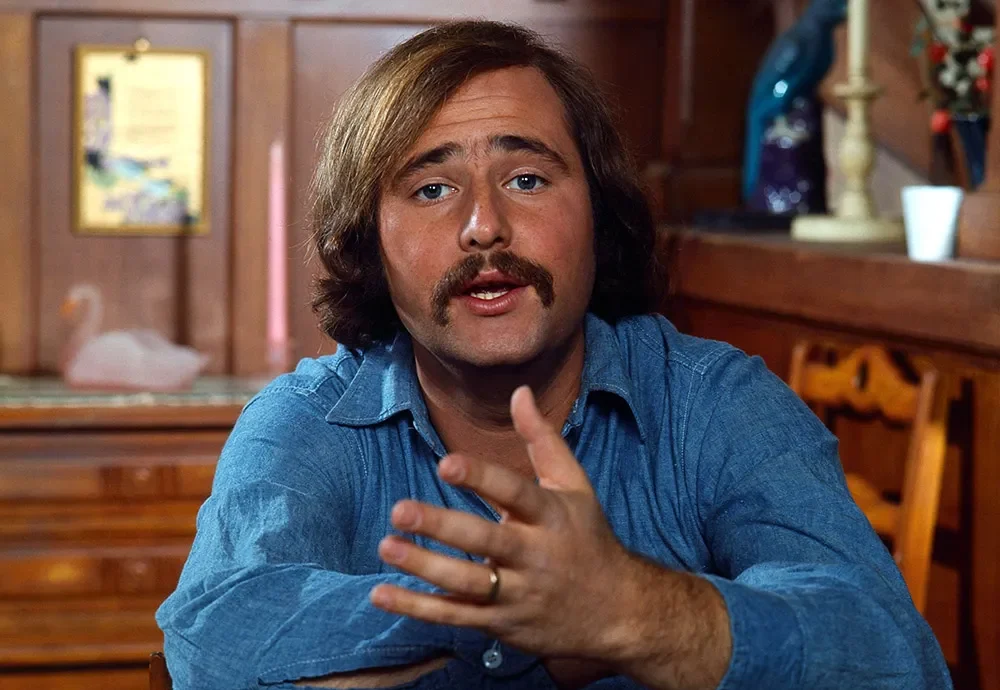
Reiner’s directing career reads like a guided tour through late twentieth-century American storytelling. He moved easily between comedy, romance, drama, and courtroom tension, often with the same confidence others reserve for a single genre. What connects his best work is a deep respect for character and conversation.
Following his tragic death, audiences and collaborators alike are reflecting on how singular his voice was in modern cinema. Reiner’s films did not rely on spectacle or gimmicks; they trusted scripts, actors, and pacing, and audiences rewarded that trust by carrying his lines and moments forward for decades.
Living under the shadow of a controlling parent can make it hard to define where your autonomy begins. The emotional patterns often run deep, tangled with guilt, obligation, and old family roles. But independence doesn’t require conflict or cutting ties—it starts with recognizing unhealthy dynamics and cultivating habits that reinforce self-trust. These strategies offer practical ways to establish emotional boundaries, shift communication, and prioritize your well-being without losing your voice or your connection.
How we relate to others over time can say more about our inner world than we realize. Recurring patterns in love—whether clinging tightly or pulling away—often stem from unresolved emotional experiences. These habits aren’t random; they reflect how past relationships shaped our sense of connection, trust, and self-worth. Noticing these behaviors can be the first step toward greater emotional awareness and creating healthier, more fulfilling bonds moving forward.
Waiting for a partner to change can feel like pressing pause on your own life. When conversations stall and patterns repeat, frustration tends to build, often with nowhere to go. But it’s possible to shift your focus without giving up entirely on the relationship. By clarifying your needs, setting boundaries, and investing in your own growth, you create space for stability and forward motion, even if your partner stays the same.
Paper checks are rapidly becoming a relic of the American financial system. Since the 1990s, check usage has plummeted by over 90% as consumers and institutions embrace the speed of the digital age. With processing costs rising and fraud rampant, the countdown to a cashless reality has officially begun.
The transition is no longer optional; it is inevitable. As banks and government agencies aggressively pivot toward instant transfers and digital wallets, the infrastructure supporting paper payments is crumbling. Americans must now adapt to a financial landscape where physical checks are obsolete and electronic transactions rule the economy.
Retirement opens the door to endless possibilities, but staying energized and engaged often requires deliberate action. While it’s tempting to slow down, adopting overlooked habits can reignite your zest for life. These habits not only keep your mind sharp and body active but also enrich your daily experiences.
Let’s explore 13 practical yet underrated ways to make the most of this exciting chapter of life.
When intimacy fades in a marriage, the effects often ripple through every aspect of life, leaving women grappling with feelings of loneliness, rejection, and confusion. It’s not just about physical closeness—emotional distance can erode trust, love, and the shared bond that once defined the relationship.
Understanding how this absence impacts you is key to finding solutions and restoring the connection you deserve.
As society continues to shift, an increasing number of individuals are choosing to embrace solo aging—not out of necessity, but as a conscious, empowering decision. This choice, often misunderstood by those who cling to traditional norms, is actually rooted in strength, clarity, and a desire to live authentically. Aging alone offers an entirely new paradigm for later life, one that is filled with personal agency, deep self-awareness, and boundless possibilities.