
A mass migration out of California is reshaping America’s population map.

For decades, the Golden State symbolized prosperity and opportunity. Now, record numbers of residents are packing up and leaving — an exodus that’s transforming cities, housing markets, and entire regions of the country. Researchers say it’s not just about money or politics but a complex mix of affordability, safety, and quality-of-life concerns driving the shift.
California’s identity as a dream destination is changing, and the reasons go deeper than most people realize.
1. The cost of living has become unbearable.

California’s high prices are no secret, but they’ve reached breaking point. Housing costs have soared so much that even middle-income families can’t afford to buy, and renting feels like treading water. Everyday essentials — groceries, gas, utilities — all cost significantly more than the national average. Many residents say they simply can’t make life work there anymore.
The exodus isn’t limited to the poor or struggling. Professionals with six-figure incomes are leaving too, looking for places where their salaries stretch further. In states like Texas, Arizona, and Tennessee, families can own homes, save money, and enjoy a lifestyle that once defined California itself.
2. Taxes are driving people toward lower-cost states.
California has some of the highest income and property taxes in the nation. For many, it’s a financial burden that outweighs the state’s advantages. As other states cut taxes and simplify regulations, the contrast becomes too hard to ignore. Retirees and business owners, in particular, are choosing states where their money goes further.
The migration isn’t just about escaping taxes — it’s about a sense of fairness. Many Californians feel the system penalizes success, rewarding spending and punishing saving. In the long run, it’s pushing wealth and entrepreneurship out of the state faster than policymakers anticipated.
3. Quality of life is declining in major cities.

Rising homelessness, traffic congestion, and crime have eroded California’s once-glamorous image. San Francisco and Los Angeles, once global icons of culture and innovation, now rank among the most expensive and frustrating places to live. Residents describe daily life as stressful and unpredictable, with public safety and cleanliness major concerns.
For many, the loss of community feels just as damaging as the cost of living. People are moving not just to save money, but to regain a sense of normalcy — a place where they can walk outside without worrying about car break-ins or tent encampments.
4. Remote work broke the geographic tether.

The pandemic made it clear that many jobs no longer require proximity to big cities. Once that realization set in, California’s appeal started to fade. Workers discovered they could keep their high-paying tech or finance jobs while living in smaller, cheaper states with more space and less stress.
Companies have adjusted too, offering remote-friendly policies that let employees relocate permanently. This flexibility has turned what used to be a career-ending move into a lifestyle upgrade, accelerating the state’s population loss in ways no one saw coming.
5. Natural disasters are changing how people think about safety.

Wildfires, droughts, and earthquakes have always been part of California life, but they’ve intensified in recent years. For many residents, fire season now feels like a year-round threat, and water restrictions are a constant frustration. Insurance costs have skyrocketed, and some companies have stopped offering coverage altogether.
These risks add emotional and financial strain that’s pushing people out. When homeownership comes with the stress of potential evacuation or loss, the “California dream” starts to feel like a gamble not worth taking.
6. Families are seeking better schools and safer communities.

Many parents say education quality and neighborhood safety have declined, especially in urban areas. Overcrowded classrooms, underfunded schools, and political battles over curriculum have made families reconsider where they want to raise children. Smaller states and suburbs now offer stronger education systems and a slower pace of life.
The move isn’t just about academics. Parents talk about wanting more stability and a sense of community — things they feel California has lost amid constant change, high costs, and social tension.
7. Politics and regulation fatigue are wearing people down.

California’s progressive policies attract some but repel others who feel overregulated and unheard. Strict building codes, energy mandates, and environmental laws make everything — from starting a business to renovating a home — slower and more expensive. Even supporters of the state’s ideals say bureaucracy has gone too far.
The political fatigue isn’t about partisanship as much as exhaustion. People are tired of navigating red tape just to live comfortably. For many, leaving the state feels like the only way to reclaim freedom and simplicity in daily life.
8. The cultural shift is redefining what “California” means.
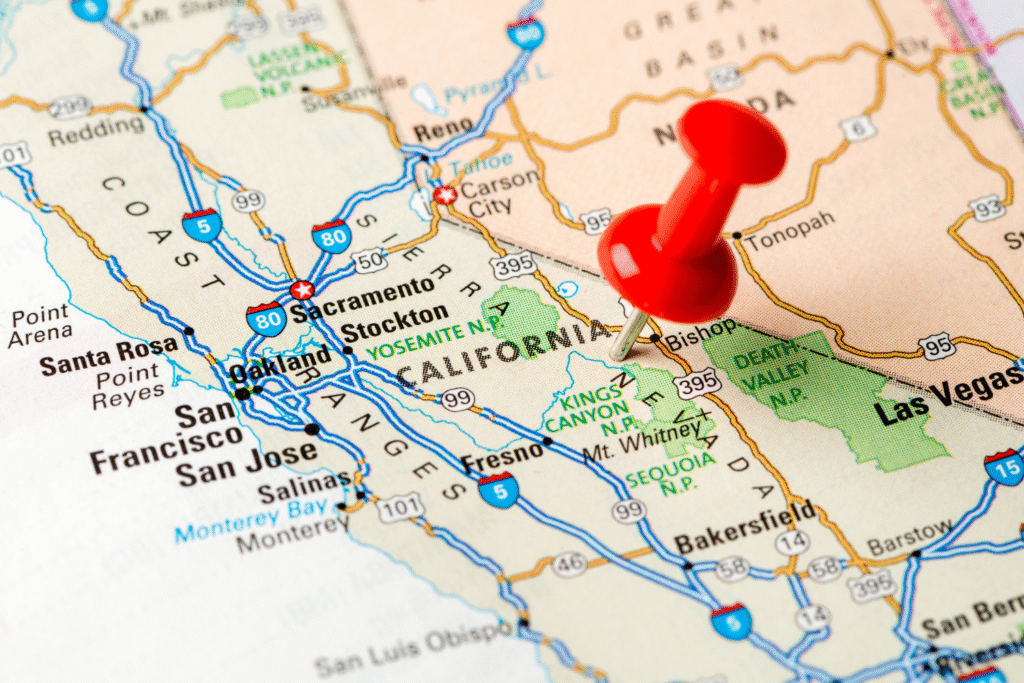
California once stood for optimism, creativity, and reinvention — but many feel that spirit has faded. The growing divide between wealth and poverty, combined with visible inequality, has replaced that golden image with frustration and fatigue. People are leaving not just for practical reasons, but because they no longer recognize the state they grew up in.
Yet, in a twist of irony, the same people leaving are exporting California’s culture and ideas to the states they move to. The dream isn’t dying — it’s just relocating, reshaping the American landscape in the process.