
Discover the unexpected twists, strange influences, and forgotten origins that shaped the way Americans talk today.

You’ve probably never thought twice about why people in different parts of the U.S. sound so wildly different—but the stories behind those accents are downright bizarre. Some were shaped by long-lost languages, others by isolated communities that refused to change, and a few even have roots in pirates and secret codes.
The way Americans talk today is a weird mix of history, culture, and pure happenstance. Get ready to uncover the strange and unexpected forces that shaped the voices around you.
1. The Southern drawl exists because English aristocrats refused to let go of their fancy speech.

When you think of the slow, melodic Southern accent, you probably don’t picture British royals—but you should. Early settlers in the South were heavily influenced by upper-class English pronunciation, which was softer, slower, and more drawn out. According to Promova, over time, it blended with African, French, and Scots-Irish speech patterns, creating the iconic drawl we know today. Funny enough, back in the day, the Southern accent was actually considered more “proper” than the way Northerners spoke!
2. The New York accent was shaped by Dutch settlers who couldn’t pronounce their R’s.

Ever wondered why New Yorkers drop their R’s and stretch their vowels? Blame the Dutch. Before the British took over in 1664, New Amsterdam (now New York City) was a Dutch colony, and their influence on the local speech stuck around. The accent then absorbed waves of Irish and Italian immigration, adding even more flair. That aggressive, fast-talking style? It’s just the city’s culture of hustle, competition, and, let’s be real—being a little loud.
3. The Boston accent happened because old-school English refused to evolve there.
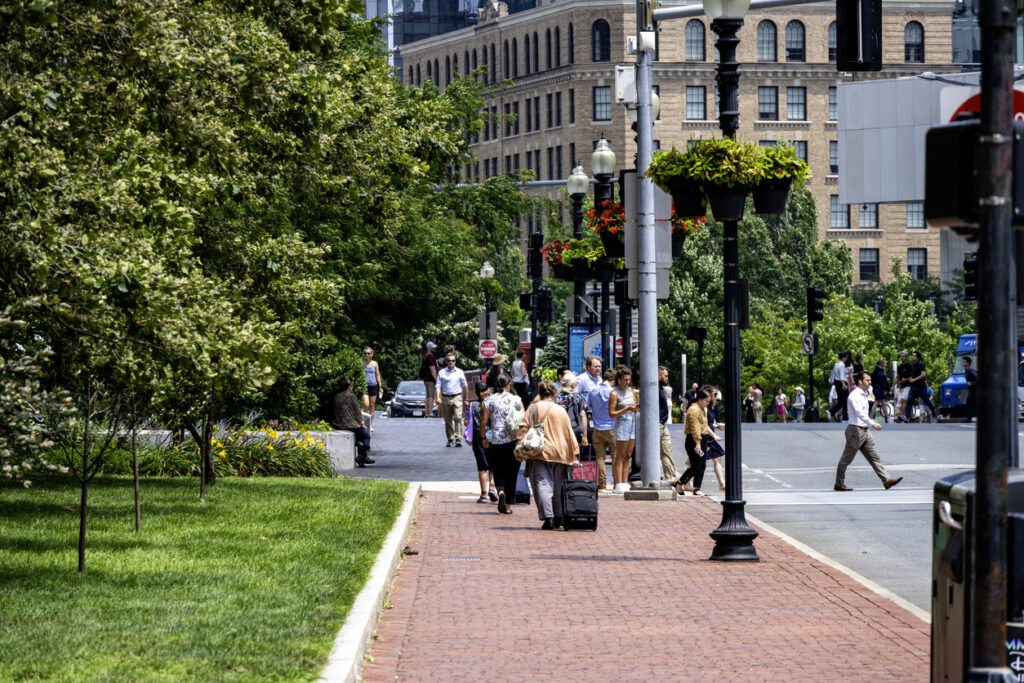
Boston still clings to speech patterns that England abandoned centuries ago. Back in the colonial days, British English dropped its R’s, and Boston held onto that feature even after England moved on. The accent also has a weird mix of Irish and Puritan influences, making it one of the most distinct in the country. If you’ve ever struggled to understand a hardcore Bostonian, just know—they’re basically speaking a time capsule version of English from the 1700s.
4. The Cajun accent exists because French-speaking outcasts built their own world in Louisiana.

Cajun English is one of the most fascinating accents in America, and it’s all thanks to a group of French exiles. The Acadians, who were forced out of Canada in the 1700s, settled in Louisiana and created their own unique culture. Their heavily French-influenced speech blended with Spanish, African, and Native American languages. The result? A rhythmic, almost musical way of speaking that makes you feel like you’ve stepped into a completely different country.
5. The Chicago accent is what happens when a dozen European languages collide.

That exaggerated “Da Bears” accent? It’s a mashup of Polish, German, and Scandinavian influences. Chicago was flooded with European immigrants in the late 19th and early 20th centuries, and their accents left a lasting mark. The city’s distinct vowels—like turning “hot dog” into “hat dahg”—come from those early settlers struggling to pronounce English words the way locals did. It’s proof that when a bunch of cultures mix together, language gets weird in the best way possible.
6. The Appalachian accent was preserved because mountain folk stayed isolated for centuries.

Ever heard someone from Appalachia and thought they sounded kind of…Shakespearean? That’s because the region’s accent holds onto old-school English pronunciations that most of the world dropped long ago. Thanks to the area’s rugged terrain, people in these mountains lived in relative isolation for centuries, keeping their unique speech patterns intact. The accent has strong Scots-Irish roots, along with some influence from Native American and African dialects. It’s one of the most authentic “time capsule” accents in the country.
7. The Valley girl accent exists because 1980s teenagers turned their slang into a lifestyle.

“Like, totally!” The Valley girl accent isn’t just an exaggeration—it actually comes from real speech patterns that developed in California’s San Fernando Valley. In the 1980s, teenage girls in the area popularized a style of talking that was heavy on up-talk (ending sentences like a question) and dramatic exaggeration. Pop culture and movies ran with it, and before long, it spread everywhere. The accent is still alive today, and honestly, it’s probably more influential than ever.
8. The Philly accent has roots in a weird mix of Irish and German speech patterns.

Philadelphia’s accent is one of the most distinct in America, and that’s because it comes from an unlikely mix of Irish and German influences. The result? A nasal-heavy sound where words like “water” become “wooder.” Philly speech is also famous for its unique phrases—where else will you hear “jawn” used for literally anything? If you’ve ever struggled to understand a hardcore Philly native, just know you’re listening to centuries of linguistic evolution at work.
9. The Minnesota accent is what happens when Scandinavians refuse to let go of their roots.

Ever noticed how Minnesotans stretch their O’s and sound almost Canadian? That’s because the state was heavily settled by Swedes, Norwegians, and Germans who brought their distinct way of speaking. Over time, their languages blended with English, creating the famous “Minnesota nice” accent. The unique speech patterns stuck around because of the area’s strong cultural identity. Even today, you can hear echoes of Scandinavian heritage in how people from this region speak. Uff da, that’s cool!
10. The Texas accent formed because cowboys and Southern aristocrats blended their speech.
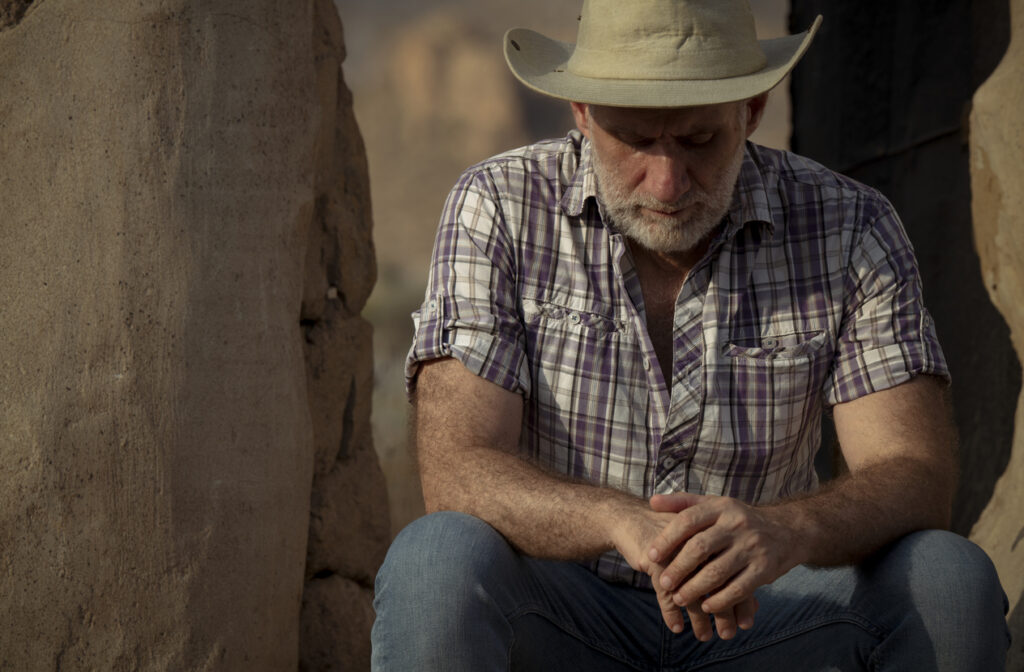
Texas English is a strange beast. It’s got that classic Southern drawl, but with an added cowboy twang that makes it unmistakable. Early settlers were a mix of Southerners, Mexicans, and German immigrants, and their languages all influenced the way Texans speak today. The accent’s slow, laid-back vibe fits perfectly with the state’s independent spirit. And yes, “y’all” is a real word—it actually comes from old Scots-Irish English, proving Texans have been making words cooler for centuries.
11. The Rhode Island accent is basically Boston with a splash of New York attitude.
Rhode Island might be tiny, but its accent is a beast of its own. It’s like Boston and New York had a linguistic love child—R’s disappear, vowels get stretched, and “coffee” somehow turns into “cawfee.” The state’s unique mix of Italian, Portuguese, and Irish influences gave it a speech pattern that doesn’t quite fit anywhere else. If you ever hear someone say they’re from “Rhodiland,” just know you’re witnessing some of the most underrated American dialect magic.
12. The Pittsburgh accent is proof that steelworkers created their own dialect.
Ever heard someone say “yinz” instead of “y’all”? That’s Pittsburgh’s signature accent, and it comes from the city’s blue-collar, immigrant-heavy roots. German and Scots-Irish settlers shaped the way locals speak, and their influence never faded. The steel industry also played a role—workers developed their own shorthand way of talking, which became embedded in Pittsburgh’s culture. The result? A one-of-a-kind accent that makes outsiders scratch their heads but makes Pittsburghers fiercely proud.
13. The Western accent exists because cowboys didn’t want to sound like city folk.
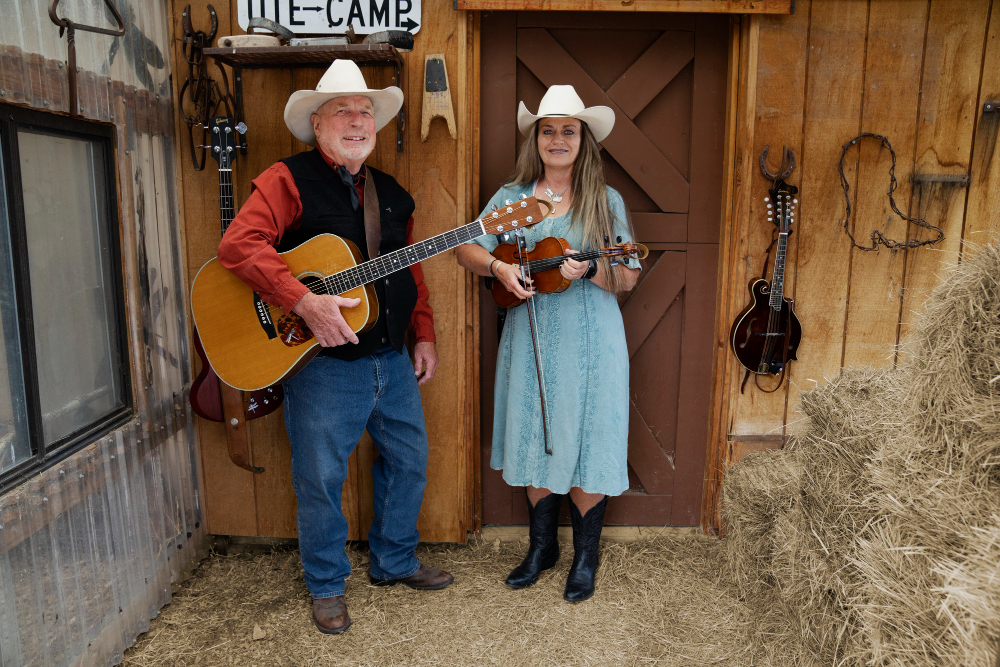
The Western accent—often mistaken for a neutral American accent—actually has a distinct history. It developed in rural areas where settlers wanted to distance themselves from the fancier speech of the East Coast. Influenced by Spanish, Native American, and frontier slang, it’s got a crisp, direct style that reflects the independent, no-nonsense attitude of the West. Over time, Hollywood popularized it as the “default” American accent, but in reality, it’s just as unique as any other.