
Scientists think a popular diabetes drug might be quietly reshaping the fight against cancer.
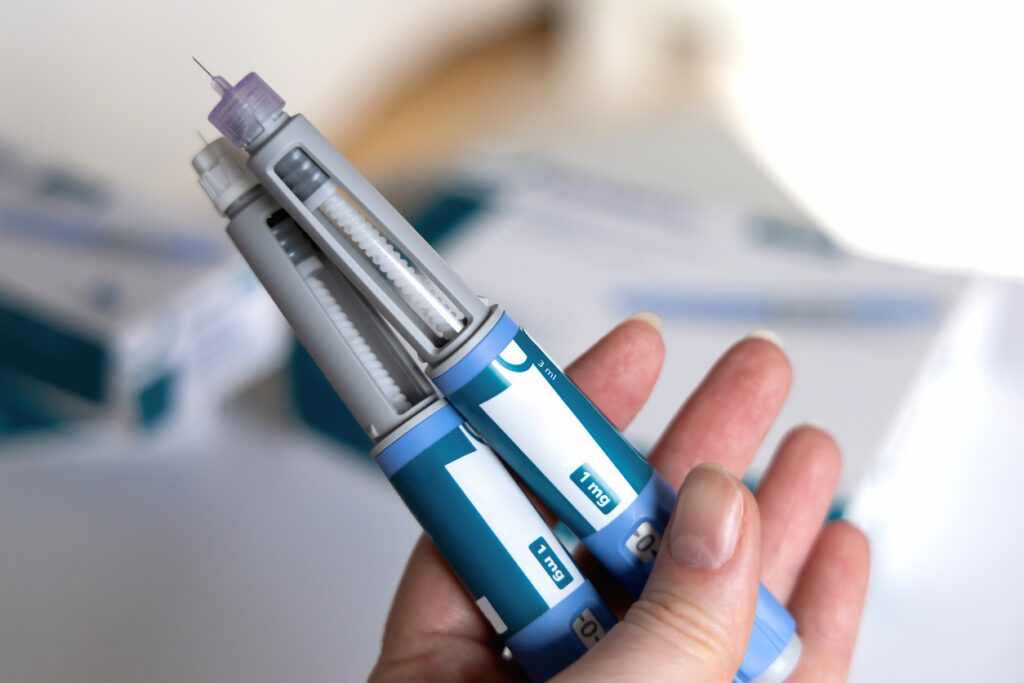
A groundbreaking new study suggests that drugs like Ozempic, originally designed for diabetes and weight loss, may have an unexpected bonus: cutting the risk of several major cancers. Researchers have found strong links between long-term use of GLP-1 medications and lower rates of colorectal, liver, and pancreatic cancers.
If confirmed, it could mark one of the most surprising side effects in modern medicine — one that redefines prevention itself.
1. The connection emerged in unexpected data.

The cancer link wasn’t discovered in a lab but in real-world patient records. When scientists analyzed millions of medical histories, they noticed something unusual: people taking GLP-1 drugs like Ozempic or Wegovy had significantly lower cancer rates than those on other diabetes medications. The data was too consistent to ignore, showing reductions across multiple cancer types.
These drugs work by regulating blood sugar and curbing appetite, but their effect on cancer wasn’t part of the original plan. It’s a striking example of how modern data mining can uncover hidden medical benefits — patterns that decades of traditional trials might have missed.
2. The drugs may reduce inflammation throughout the body.

Chronic inflammation is a known driver of many cancers, silently damaging DNA and fueling abnormal cell growth. GLP-1 drugs appear to calm that inflammation by improving metabolic health and reducing oxidative stress. Patients using them show lower levels of key inflammatory markers linked to tumor development.
In essence, these medications may be restoring balance at a cellular level. By easing the body’s constant state of low-grade inflammation, they create an environment where cancer cells struggle to thrive. What began as a way to stabilize insulin now looks like a quiet shield against one of humanity’s deadliest diseases.
3. Weight loss might only be part of the explanation.

At first, scientists assumed the reduced cancer risk came solely from the weight loss these drugs promote. But follow-up studies revealed something more complex. Even patients who didn’t lose much weight saw lower cancer rates, suggesting the drugs’ metabolic effects go far beyond fat reduction.
GLP-1 agonists seem to alter how the body processes sugar and fat, limiting energy sources that certain tumors rely on. This means the drugs might be changing internal chemistry in a way that starves cancer cells — a benefit hidden inside a prescription originally meant for diabetes.
4. Some cancers are more affected than others.

So far, the largest benefits appear in cancers connected to metabolism, including colorectal, pancreatic, and liver cancers. These are also among the most aggressive and difficult to treat, which makes the discovery even more striking. Researchers believe GLP-1 drugs disrupt the biological pathways that help these cancers grow.
By improving insulin sensitivity and reducing fat buildup in organs, the drugs may indirectly cut off the conditions these tumors need to thrive. While more research is needed, the early results hint at a new frontier — medications that prevent cancer not by targeting it directly, but by changing the terrain it depends on.
5. The discovery may rewrite how doctors view diabetes treatment.

If these findings hold up, they could shift the purpose of diabetes drugs entirely. Doctors might begin prescribing GLP-1 medications not just for weight control, but as preventive therapy for at-risk patients. The idea that managing blood sugar could also protect against cancer challenges traditional divisions between metabolic and oncological care.
For decades, diabetes and cancer have been treated as separate worlds. Now, they appear to be deeply connected. Medicine is slowly realizing that improving one system — metabolism — can cascade into protection for many others.
6. Researchers are already planning targeted trials.

Most of the current evidence comes from observational studies, but the results are strong enough to prompt clinical testing. Researchers are designing long-term trials to measure exactly how GLP-1 drugs affect cancer growth and recurrence. These studies will explore whether different doses or drug types produce specific anti-cancer effects.
If successful, they could open the door to entirely new treatment strategies. The goal isn’t to replace chemotherapy or surgery but to complement them with metabolic therapy. A medication once seen as routine could end up transforming oncology.
7. The finding underscores how interconnected the body really is.

What began as a treatment for blood sugar control may turn out to be a key to understanding how metabolism influences disease at every level. The potential cancer protection offered by GLP-1 drugs highlights how conditions like obesity, diabetes, and cancer aren’t separate battles — they’re chapters of the same story.
This discovery reminds scientists that the body doesn’t compartmentalize health the way medicine often does. Each system affects the next, and sometimes, the solution to one problem ends up quietly solving another. If evolution hides its wisdom in complexity, this might be one of the clearest examples yet.