
From outdated views to cringe-worthy comments, these habits are driving a wedge between generations.

Boomers, we need to talk. You might not even notice it happening, but a lot of your habits are quietly driving Millennials and Gen Z absolutely nuts. And no, it’s not just about your ongoing love affair with voicemail or your obsession with proper punctuation. What feels like ordinary, even endearing, behavior to you can sometimes come off as frustrating, outdated, or even a little cringeworthy to younger folks who live in a very different world than the one you grew up in.
Of course, every generation has its quirks. But when younger people roll their eyes or avoid certain conversations, it’s usually because they’re navigating a new reality that doesn’t always mesh with old-school ways of thinking. If you’re open to hearing it, some of these habits might surprise you—and maybe even help you connect a little better with the younger people in your life.
1. You Won’t Stop Complaining About “Kids These Days”

You probably don’t mean any harm when you reminisce about how tough things were back in your day. After all, you worked hard, faced real struggles, and came through it all stronger. But when every conversation circles back to how entitled or soft younger generations are, it starts to wear thin. Millennials and Gen Z have their own battles—crippling student debt, soaring housing costs, and a job market that barely keeps up with inflation. The world they’re navigating looks nothing like the one you entered as a young adult.
What might feel like harmless storytelling or harmless venting can easily come across as dismissive or judgmental. It unintentionally minimizes their challenges and feeds the narrative that they’re failing simply because they aren’t living life the same way you did. Instead of focusing on how things used to be harder, try acknowledging how their struggles are real too—even if they don’t include walking uphill both ways in the snow.
2. You Love Telling Everyone to “Call Instead of Texting”

There’s something comforting about hearing someone’s voice and having a real-time conversation. But for Millennials and Gen Z, phone calls can feel intrusive and stressful. Texting gives them space to gather their thoughts, respond when convenient, and avoid unnecessary small talk. When you suggest that a five-minute text exchange should be replaced by a full-on phone call, it feels like an outdated demand for their full attention on your schedule.
Younger generations are juggling nonstop notifications, work emails, and social obligations all day long. A phone call isn’t always relaxing—it can feel like another obligation. Instead of insisting they pick up the phone, consider respecting their preferred way of communicating. Schedule calls ahead of time if it’s something important or meaningful. They’ll appreciate the consideration and be far more likely to enjoy the conversation.
3. You Think Using Emojis Makes You “Cool”
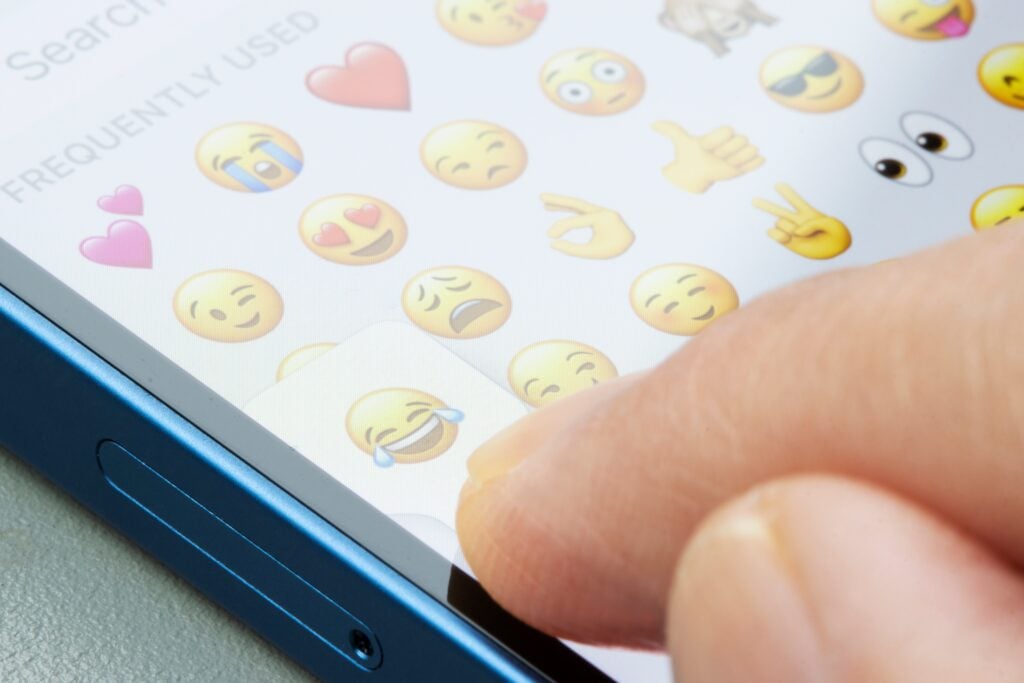
It’s great that you’re embracing the digital language of emojis, but sometimes your enthusiasm turns into overkill. Throwing in every smiley, heart, and dancing lady emoji might feel playful to you, but younger people often see it as excessive or even a little embarrassing. Emojis are meant to add flavor, not flood the conversation like confetti. When every text feels like a mini-parade of icons, it starts to feel less like casual communication and more like trying too hard.
Millennials and Gen Z often prefer a more minimalist, intentional approach to texting. They might use a single emoji to convey tone, humor, or sarcasm. Sending 15 laughing emojis in a row or peppering every sentence with symbols can dilute the message and make the conversation feel a little forced. Keep it simple, and you’ll find your texts feel more natural—and far less likely to earn an eye-roll.
4. You Won’t Stop Saying “Back in My Day”

There’s comfort in nostalgia. Remembering when gas was under a dollar, or when kids played outside until the streetlights came on, feels like a simpler, better time. But when you constantly bring up how great everything was back then, it can come off as dismissive of how complex and stressful life is for younger generations today. They’re not just battling rising costs—they’re facing climate anxiety, global instability, and the pressure of constant digital connection.
Hearing about how much better things used to be can feel like salt in the wound when many Millennials and Gen Zers are struggling just to stay afloat. They’re not rejecting your stories—they’re just overwhelmed by problems that your generation may never have faced. Share your memories when they fit the moment, but avoid turning every conversation into a lecture about how much easier young people have it now. Often, they don’t.
5. You’re Weirdly Proud of Not Knowing How Technology Works

It’s perfectly fine not to be a tech expert—most people aren’t. But proudly announcing that you’re “too old for this” or “don’t need to learn” can feel frustrating to younger people who’ve grown up immersed in technology. To them, it sounds like you’re refusing to meet them halfway, especially when technology is such a big part of how they communicate, work, and even maintain relationships.
When you act helpless with even basic tasks like updating apps or using a QR code, it unintentionally places the burden on them to be your constant tech support. While they’re usually willing to help, repeatedly asking for assistance with things you could learn creates unnecessary tension. Showing even a little willingness to adapt and learn new tools shows respect for their world—and might make them a lot more patient when you do need a hand.
6. You Write Facebook Comments Like They’re Letters

There’s something sweet about your thoughtful, fully composed Facebook comments. But writing “Dear Susan, It was wonderful seeing your lovely family last weekend. Love, Carol” on a casual post feels out of place to younger generations who view social media as quick and casual. They aren’t writing formal notes—they’re tossing out quick updates and memes between meetings or while waiting for coffee.
To Millennials and Gen Z, social media isn’t the modern version of handwritten correspondence—it’s more like an ongoing group text. Keeping comments light, casual, and brief helps bridge the gap and makes you feel more in tune with how they use these platforms. A simple “Loved seeing you!” or a quick emoji reaction says plenty without making them feel like they’re reading a holiday card on their timeline.
7. You Overuse Quotation Marks and Ellipses

You might think adding quotation marks or trailing off with ellipses gives your text a softer tone or adds emphasis. But to younger people, it often comes across as confusing, passive-aggressive, or even a little cryptic. When you write, “Looking forward to dinner… if you’re not too busy…”, it creates an awkward ambiguity that leaves them wondering what you’re really trying to say.
For Millennials and Gen Z, clarity is key. They grew up in an era of rapid, efficient digital communication, where mixed signals only create unnecessary stress. If you have something to say, just say it directly. Skipping the extra punctuation won’t make your message seem cold—it’ll actually make it easier for them to understand exactly where you stand without having to decode your intent.
8. You Love Forwarding Chain Emails

There was a time when chain emails felt fun, even magical—a little superstition to break up your inbox. But for younger generations, these messages are a relic of the early internet, and seeing “FWD: FWD: FWD: This Will Blow Your Mind” in their inbox instantly triggers dread. They’re not charming; they’re clutter.
Millennials and Gen Z are overwhelmed enough by work emails, spam, and notifications. Adding chain letters that promise good luck or warn of bad fortune if you don’t forward them feels like digital junk mail. While your intention is harmless, younger people would much rather you delete these messages than fill their inbox with unnecessary clutter. If you want to share something meaningful, send a personal message instead—it’ll carry more weight.
9. You Can’t Let Go of Outdated Slang

Using vintage slang like “groovy,” “far out,” or “the bee’s knees” might make you smile, but to younger generations, it can feel like a strange performance. What was once hip now feels like something from a retro costume party. It’s endearing in small doses but can get cringeworthy if you lean too heavily into the language of decades past.
Millennials and Gen Z are constantly inventing and discarding their own slang. They’re used to linguistic evolution happening at lightning speed. When you pepper conversations with outdated phrases, it can feel like you’re trying to sound younger rather than simply being yourself. Speak in your own voice—authenticity resonates far more than trying to mimic youth culture from any era.
10. You Insist on Cash Over Digital Payments

Cash may feel secure and tangible to you, but to younger people, it’s simply inconvenient. The days of splitting a dinner bill with crumpled $20 bills are fading fast. Venmo, PayPal, and tap-to-pay apps make splitting costs and making purchases effortless, especially in a world where many people no longer even carry a wallet.
When you insist on paying with cash or struggle with digital payment options, it forces everyone around you to accommodate a system they’ve largely moved past. While they’ll politely adapt, it creates a friction point that doesn’t need to exist. Embracing digital payments—even just learning the basics—signals a willingness to evolve and makes everyday transactions smoother for everyone involved.
11. You Think Millennials Ruined Everything

It’s become almost a running joke—Boomers blaming Millennials for the death of department stores, golf courses, or the diamond industry. But the reality is far more complicated. Millennials and Gen Z aren’t “killing” these industries; they’re simply reacting to an economy and lifestyle very different from what previous generations enjoyed.
Skyrocketing costs, stagnant wages, and global uncertainty have made many traditional milestones unreachable for younger generations. Homeownership, marriage, and luxury purchases aren’t always possible, even when deeply desired. Blaming them for not participating in systems stacked against them feels unfair and dismissive. Instead of assigning blame, try to appreciate the creativity and resilience they’re using to navigate a world they didn’t create.
12. You Overshare on Facebook

Social media offers a place to stay connected, but there’s a fine line between sharing and oversharing. Posting detailed updates about every doctor’s visit, meal, or minor inconvenience can feel overwhelming to younger generations, who often prefer curated, bite-sized content. To them, Facebook has become the realm of excessive personal updates, while they’ve moved on to platforms like TikTok or Instagram.
Oversharing can create unintended discomfort or even social fatigue. While you may find comfort in documenting daily life, younger people are often more selective about what they share and consume online. Keeping posts brief, light, and occasional shows an awareness of changing digital etiquette—and makes your updates more enjoyable for the audience who loves you.
13. You Think Everyone Wants Your Unsolicited Advice

Offering wisdom comes from a place of love. You’ve seen a lot, made mistakes, and want to help others avoid the same pitfalls. But unsolicited advice—especially when it arrives in the middle of someone venting—can feel dismissive rather than supportive. Millennials and Gen Z often just want to feel heard, not immediately coached.
Listening with empathy, without jumping straight to solutions, can be incredibly powerful. When they’re ready for advice, they’ll ask for it. Until then, simply being present, offering understanding, and respecting their autonomy shows that you trust them to figure things out while still being a safe place to turn when needed.
14. You Judge Them for Not Owning a Home

It’s natural to be proud of having purchased your first home decades ago, but times have changed dramatically. Housing prices have skyrocketed while wages remain stagnant, leaving many Millennials and Gen Zers priced out of homeownership altogether. What was once a rite of passage now feels like an impossible dream for many young adults.
Judging them for renting or forgoing homeownership entirely feels tone-deaf to their financial reality. Many are burdened with student debt, skyrocketing childcare costs, and unstable job markets. Instead of framing homeownership as a moral failing or personal flaw, acknowledge the systemic barriers that make it difficult. Your understanding will mean far more than another lecture about how cheap homes were in 1975.