
These timeless traditions are disappearing faster than anyone expected, and the clock is ticking to save them.

You may not have realized it, but some of the comforting traditions you grew up with are slipping away faster than anyone could have predicted. These weren’t just casual habits—they were the fabric of everyday life, shaping how we connected with one another and found meaning in the small things.
From family rituals to old-school joys that defined childhood, these parts of our cultural DNA are slowly vanishing. And once they’re gone, we might never get them back. If you’re someone who feels the tug of nostalgia or believes in preserving the little things that make life feel grounded, this list is your reminder to hold tight—and maybe even bring a few of these traditions back.
1. No One Really Sits Down for Family Dinners Anymore

There was a time when the dinner bell—or a call from mom—meant it was time to come together. Everyone had their spot at the table, and the TV stayed off while stories from the day were passed around like mashed potatoes. It wasn’t about the food as much as it was about the ritual—the pause in the day when the family checked in with one another.
Now, it’s more common to see people eating in shifts, grazing on snacks in front of screens, or grabbing meals to-go. The shared meal has become fragmented, and with it, that precious time of togetherness is slipping away. When families don’t gather at the table, they miss the subtle moments that create closeness—eye contact, laughter, and even those awkward silences that used to mean something, as mentioned by authors at HighlandSprings.
2. Handwritten Letters Are Practically Ancient History

Once upon a time, getting a letter in the mail was a thrill. You’d recognize the handwriting before even opening the envelope, and maybe you’d read it more than once, just to feel closer to the sender. Letters had weight—literal and emotional—and they were a slow, thoughtful way to stay connected.
Now, everything is instant. Text messages, emails, and social media DMs have taken over communication. They’re faster and easier, but they don’t hold the same warmth or intentionality. A handwritten letter is a gift of time and effort, and its absence in today’s world has made our connections feel a little more fleeting and a lot less personal, as reported by Melissa Kirsch in The New York Times.
3. Saturday Morning Cartoons Are a Thing of the Past
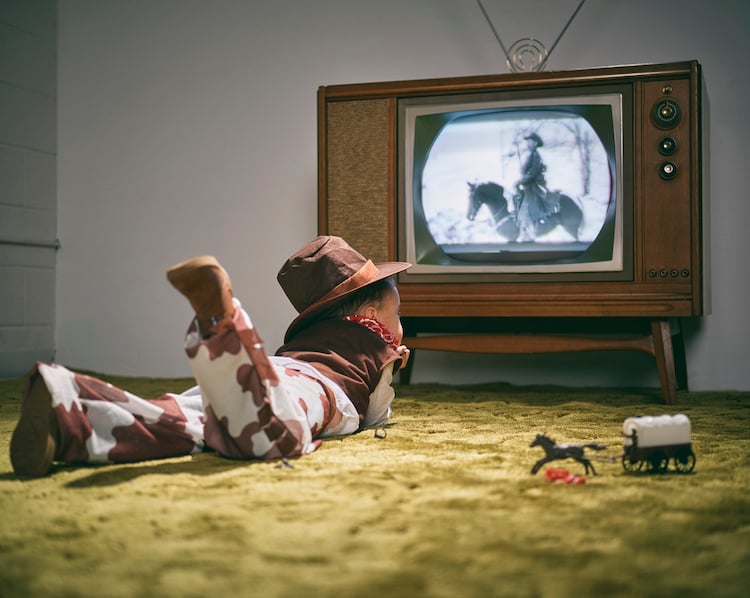
If you grew up in the ’70s, ’80s, or even the ’90s, you probably remember waking up early on Saturday with a bowl of sugary cereal and a lineup of cartoons you’d been looking forward to all week, John Toma of That 80s Dude shared. It wasn’t just about watching TV—it was a ritual, a reward, and a shared cultural moment.
Now that kids can stream anything anytime, that weekly anticipation is gone. There’s no need to wait, no excitement of flipping through the channels to find your favorite show. It’s all on demand, and while that’s convenient, something magical has been lost. Saturday mornings no longer carry that same charm or the communal experience of millions of kids watching the same thing at the same time.
4. Everyone Used to Know Their Neighbors—Now, Not So Much

Neighborhoods once felt like extended families. You borrowed sugar from next door, kept an eye on each other’s kids, and shared stories over fences or on front porches. There were block parties, potlucks, and the simple comfort of knowing someone had your back.
Today, many people don’t even know the names of those living just feet away. Garages go up and down without a hello, and digital lives take precedence over in-person community. The result? A growing sense of isolation and a loss of that neighborhood warmth that used to be a cornerstone of American life.
5. Drive-In Theaters Are Almost Completely Gone

There was something magical about rolling into a drive-in movie theater, tuning your radio, and settling in under the stars. Whether you were on a date, with your family, or just soaking in a bit of nostalgia, drive-ins felt special in a way multiplexes never could.
Sadly, most drive-ins have vanished, pushed aside by indoor theaters, streaming services, and changing real estate priorities. A handful still exist, kept alive by passionate fans, but for the most part, this once-quintessential American pastime is a fading memory. If you’ve never experienced a drive-in movie, now’s the time—it might be your last chance.
6. Kids Don’t Play Outside Like They Used To

It used to be that once school was out, kids disappeared outside until the streetlights came on. They rode bikes, climbed trees, got into harmless trouble, and invented games on the fly. It was messy, loud, and often unsupervised—and that’s what made it magical.
Today, outdoor play has been replaced by screens, structured activities, and helicopter parenting. It’s rare to see spontaneous games of tag or a group of kids building forts out of cardboard boxes. That free-range style of childhood created resilience, creativity, and friendship in a way modern pastimes just can’t replicate. And it’s quietly fading from view.
7. Family Road Trips Aren’t the Same Without Maps

Before GPS became standard, road trips meant unfolding an atlas across the dashboard, circling potential stops, and navigating with highlighters and instinct. Getting lost wasn’t a disaster—it was part of the adventure. Those moments of figuring it out together became part of the story.
Today’s road trips are straight-up efficient. Apps calculate the fastest route, tell you where to stop, and even suggest bathroom breaks. It’s all very helpful, but it strips away the shared problem-solving and surprise detours that used to define road travel. The spontaneity is gone, and with it, a big part of the joy.
8. Holiday Cards with Actual Photos Are Rare Now

Remember when checking the mailbox in December meant finding envelope after envelope of family updates, handwritten notes, and photo cards? Those holiday greetings were little time capsules, proudly displayed on refrigerators and mantels through the New Year.
Now, many people skip the physical card altogether. They post a quick update on social media or send a mass email. Sure, it saves time and money—but it also feels colder. There’s something about holding a card, seeing a family grow year by year, and reading a personal message that digital greetings just can’t replace.
9. Parades Are Losing Their Magic and Crowds

Parades used to bring entire towns together. People lined the streets, bundled up in blankets, and waved at marching bands, dancers, and colorful floats. Whether it was Thanksgiving, the Fourth of July, or a local celebration, parades were joyous and unifying.
These days, attendance is thinning. Virtual events, streaming coverage, and general disinterest have made many parades feel like a relic of the past. When the crowds disappear, so does the energy. Without community enthusiasm, the heart of these events fades—and what was once a highlight of the calendar becomes just another background event.
10. People Don’t Learn to Cook from Scratch Anymore

There was a time when cooking was a skill passed down with love. You learned how to make gravy without lumps, pie crusts that flaked just right, and stews that simmered all day. These weren’t just meals—they were memories wrapped in aroma and flavor.
But modern life is fast, and cooking from scratch has become a lost art. Meal kits, frozen foods, and takeout are the norm. Recipes aren’t shared at the stove anymore—they’re bookmarked on phones. And while convenience is nice, something rich and meaningful is being left behind in the rush.
11. The Tradition of Saying Grace Before Meals Is Fading Fast

For many families, saying grace was a moment of gratitude—a pause before diving into the meal that reminded everyone of what they had. Whether religious or simply reflective, it brought a calm, shared mindfulness to the table.
Now, that quiet tradition is slipping away. Meals are rushed, distractions are everywhere, and fewer families carve out that moment to give thanks. Even if you’re not spiritual, the act of pausing together before eating can ground a family in something deeper. Losing that simple ritual means losing an opportunity for presence—and a reminder to be grateful, even for the small things.