
They were once second nature, but now these simple acts of kindness and respect are practically extinct.
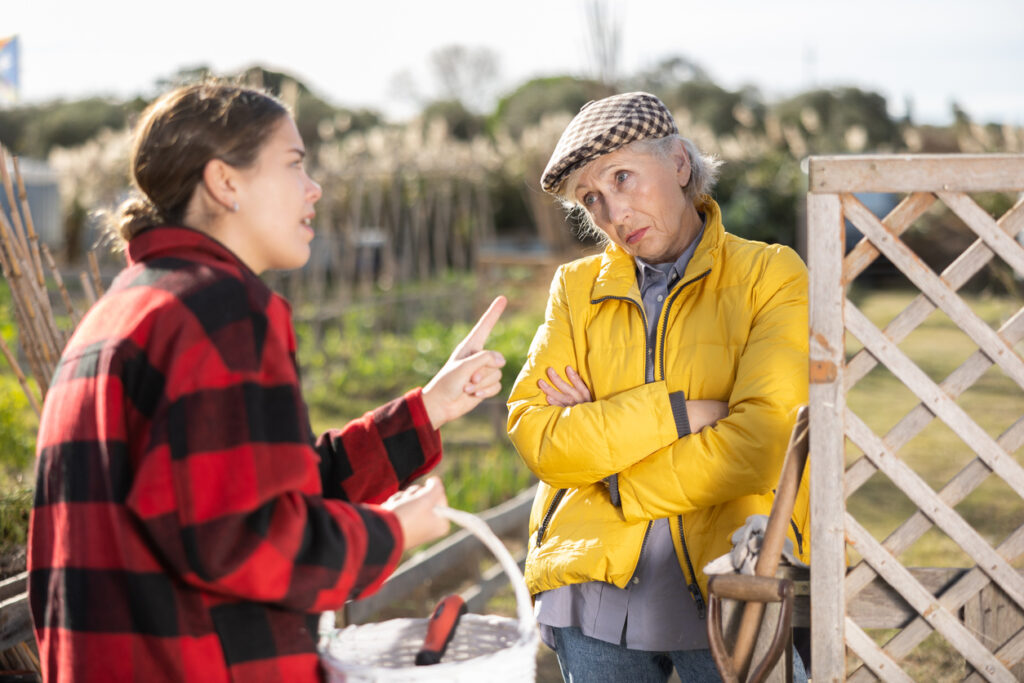
Have you noticed how basic manners seem to have vanished into thin air? You’re not imagining it—many of the courtesies Boomers grew up with are now considered old-fashioned or ignored altogether. From saying “please” and “thank you” to holding doors open, here are 11 once-common acts of respect that today’s younger generations just don’t seem to get.
1. Saying “Please” and “Thank You” Was Non-Negotiable

Remember when “please” and “thank you” were drilled into you from day one? Back then, it wasn’t just polite—it was expected. Now, those words seem like rare gems. You’ll often hear requests barked out without a hint of gratitude. It’s such a simple habit, yet it instantly makes someone feel respected and valued. Why let it fade?
2. Holding Doors Open Was Just the Right Thing to Do

There was a time when letting a door slam in someone’s face would’ve been unthinkable. Holding the door—whether for a stranger or a friend—was a silent way of saying, “I see you, and I care.” Today, though, it feels like everyone’s too distracted or in a rush. It’s a small gesture that makes a big impact.
3. RSVPing Wasn’t Optional—It Was Expected
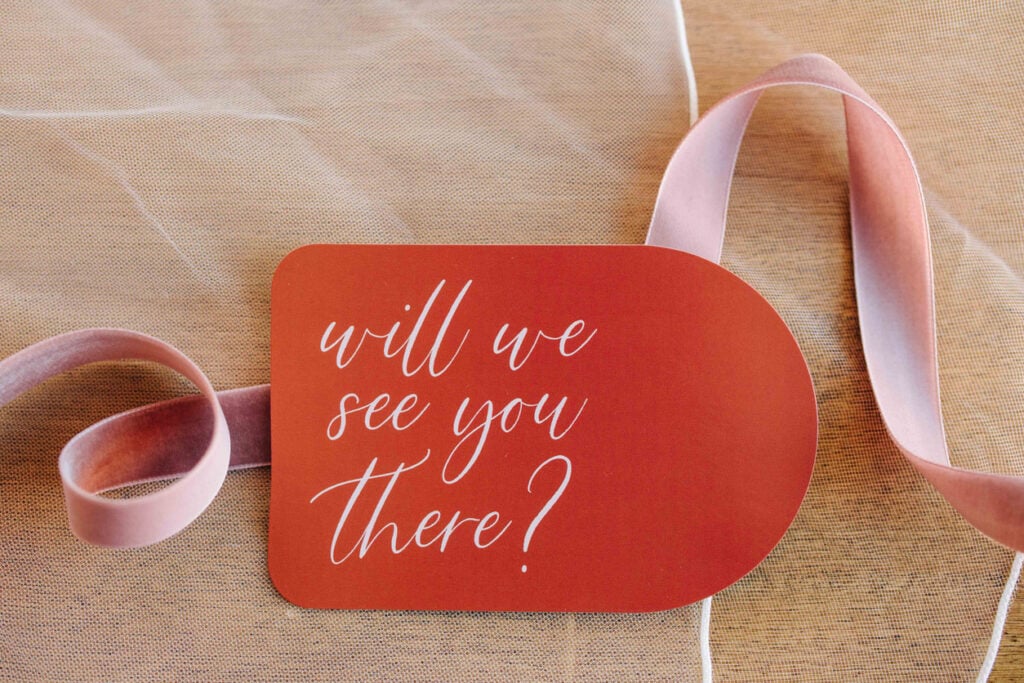
Back in the day, ignoring an invitation was considered downright rude. You were taught to respond promptly, whether it was a yes or no. Now, people ghost invites or show up unannounced. It’s not just frustrating; it’s inconsiderate. A quick RSVP doesn’t take long and shows respect for the host’s time and effort.
4. Apologizing When You Were Wrong Was a Must

Saying “I’m sorry” used to be a sign of strength and character. When you messed up, you owned it—end of story. These days, apologies are rare, or worse, insincere. Instead of accountability, you get deflection or silence. A heartfelt apology goes a long way in mending relationships and proving you care about the other person.
5. Being On Time Showed You Respected Others’ Time

Being late wasn’t a personality trait—it was rude. Growing up, punctuality was drilled into you because it showed respect for others. Today, it’s almost expected for people to arrive “fashionably late,” leaving everyone else waiting. It’s not just annoying; it’s disrespectful. Arriving on time says, “I value your time as much as my own.”
6. Writing Thank-You Notes Was a Sign of Gratitude

Once upon a time, sending a handwritten thank-you note was standard practice. Whether it was for a gift or a kind gesture, it showed you appreciated the effort. Now, a simple text (if that) has taken its place. While it’s better than nothing, it lacks the thoughtfulness that a heartfelt, handwritten note conveys.
7. Giving Up Your Seat for Someone in Need Was Common Courtesy

On a bus, train, or waiting area, if you saw someone elderly, pregnant, or struggling, you stood up—no questions asked. It was second nature. These days, many people stay glued to their screens, ignoring those in need. It’s a small sacrifice that makes someone else’s day easier, yet it’s often overlooked.
8. Listening Without Interrupting Was a Core Social Skill

When someone was talking, you listened. You didn’t cut them off mid-sentence or start thinking about your reply while they were speaking. Active listening showed you cared about what the other person had to say. Nowadays, conversations feel more like competitions, with interruptions being the norm. Genuine listening is a lost art.
9. Addressing Elders with Respect Was a Given

Calling someone “sir” or “ma’am” wasn’t just polite—it was a sign of respect. You wouldn’t dream of using someone’s first name without permission, especially if they were older. Today, those formalities have largely disappeared, and while some might say it’s progress, others feel it’s a loss of basic courtesy.
10. Cleaning Up After Yourself Was Just Expected

Leaving a mess behind—whether at a park, restaurant, or friend’s house—was unthinkable. You were taught to leave a space better than you found it. Now, it’s not uncommon to see trash left behind for someone else to deal with. Cleaning up after yourself isn’t just about tidiness; it’s about respect for others.
11. Saying “Excuse Me” Was How You Moved Through Life

Whether you accidentally bumped into someone, needed to pass, or interrupted a conversation, “excuse me” was a reflex. It wasn’t hard to say, but it smoothed over awkward moments and kept interactions polite. These days, people barrel through spaces and conversations without a second thought, making the world feel a little less kind.