
You won’t believe how many of these fears are completely unnecessary and holding you back.

Are you lying awake at night worrying about things that might never happen? It’s incredibly common to feel anxious as we age, but some of our biggest fears turn out to be wildly exaggerated. Growing older comes with challenges, sure—but the vast majority of these worries don’t reflect what actually happens. The problem isn’t aging—it’s how we let irrational fears shape our outlook.
This article tackles 12 common fears that plague people over 60—and explains why they don’t deserve an ounce of your energy.
1. What if I run out of money and end up broke?

This is one of the most persistent fears among older adults. While financial insecurity is a real issue for many, the idea that you’ll suddenly be penniless overnight is usually based more on anxiety than fact. Most people have at least some safety nets, like Social Security, pensions, or equity in their homes. Downsizing, cutting unnecessary expenses, or tapping into resources like Medicare and senior discounts can go a long way in creating financial peace of mind, as reported at AARP.org.
Instead of letting fear hijack your thoughts, focus on what you can control. Make a budget, talk to a financial advisor, and reassess your priorities. You might find that your money stretches further than expected once you’re no longer raising kids or commuting to work. Worrying without a plan just amplifies the stress, but intentional planning gives you power and options.
2. What if I get sick and no one will take care of me?

Illness is never welcome, and yes, age increases some health risks. But the assumption that you’ll be completely alone in those moments is rarely accurate. Most people have more support around them than they realize. Whether it’s family members, friends, neighbors, or community care services, there are often networks ready to step in. Plus, advances in healthcare and senior services have made it easier than ever to stay at home longer, as stated at MayoClinic.org.
Instead of fearing abandonment, consider how you can build a reliable support system now. Let people in, accept help when it’s offered, and stay involved in your community. Practicing healthy habits, eating well, and staying active are powerful steps to reduce your risks. Preparation, not panic, is your strongest ally here.
3. What if I lose my independence and have to move into a nursing home?
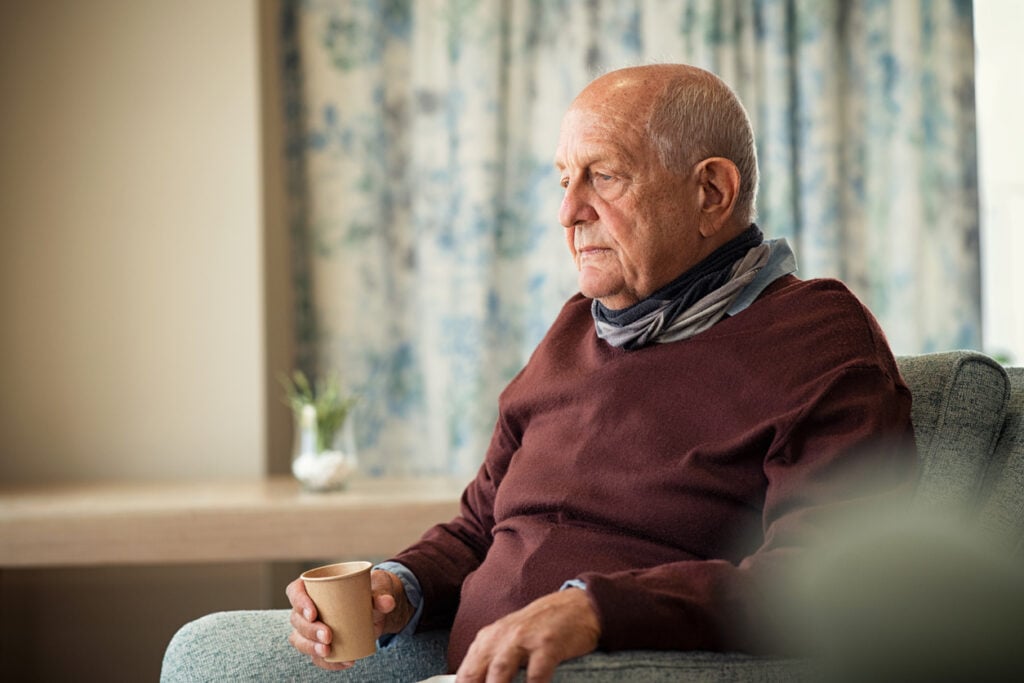
Losing independence is a deeply emotional fear—but it’s not a guaranteed part of growing older. Many seniors live independently well into their 80s and 90s. Home health aides, smart home technology, and mobility tools have made it far easier to stay in your own space safely. Aging in place is not only possible—it’s increasingly common and supported by policy and innovation, as mentioned at HealthinAging.org.
Even if help is needed down the road, the stereotype of the depressing, institutional nursing home is outdated. Many assisted living communities now offer vibrant environments that promote autonomy and social engagement. By investing in your health now and being proactive, you can dramatically increase the odds of staying in control of your life.
4. What if I become irrelevant and invisible to others?

It’s easy to feel like society has forgotten about you, especially when media and pop culture are hyper-focused on youth. But being older doesn’t make you invisible—it gives you depth, wisdom, and a lifetime of experiences that others can benefit from. Age often brings a kind of clarity and self-assurance that younger people envy.
Rather than shrinking back, this is the perfect time to show up more fully. Stay curious. Keep learning. Get involved in causes or activities that matter to you. Relevance isn’t something society hands you—it’s something you assert by continuing to engage meaningfully with the world around you.
5. What if my mind starts slipping and I lose my memory?

The fear of cognitive decline can loom large, but it’s not an inevitable outcome. Many older adults maintain excellent mental clarity well into their final decades. Genetics play a role, yes, but lifestyle choices are hugely influential. Keeping your brain active through reading, puzzles, social interaction, and even learning new skills helps keep those mental gears turning.
Don’t let fear turn into resignation. Instead, commit to keeping your mind sharp through intentional habits. Regular physical activity, a healthy diet, and adequate sleep all support brain health. Dwelling on decline only drains you—choose to invest your energy in growth and resilience instead.
6. What if I lose all my friends and end up lonely?

Friendships can change, but that doesn’t mean you’ll be left behind. Many older adults form deep, meaningful connections in their later years—sometimes stronger than those from earlier stages of life. Whether through volunteering, clubs, religious groups, or social classes, opportunities for connection are everywhere if you’re open to them.
Instead of focusing on what you’ve lost, look toward what you can create. Reconnect with old friends. Introduce yourself to neighbors. Initiate conversations at the dog park or community center. Loneliness is real, but it’s also reversible. Taking small steps toward social interaction can open the door to fulfilling new relationships.
7. What if my body starts to fall apart and I can’t do what I love?

Your body will change, but aging doesn’t automatically mean being sidelined. You may not be running marathons, but that doesn’t mean you can’t enjoy long walks, gentle yoga, or dancing in your kitchen. Physical activity just needs to evolve with your body—not vanish altogether.
Adaptation is the key to staying engaged. Focus on what your body can do rather than mourning what it can’t. There are countless stories of people discovering new passions—like swimming, tai chi, or gardening—later in life. The joy of movement doesn’t have to end; it simply needs to be reimagined.
8. What if my family stops wanting me around?
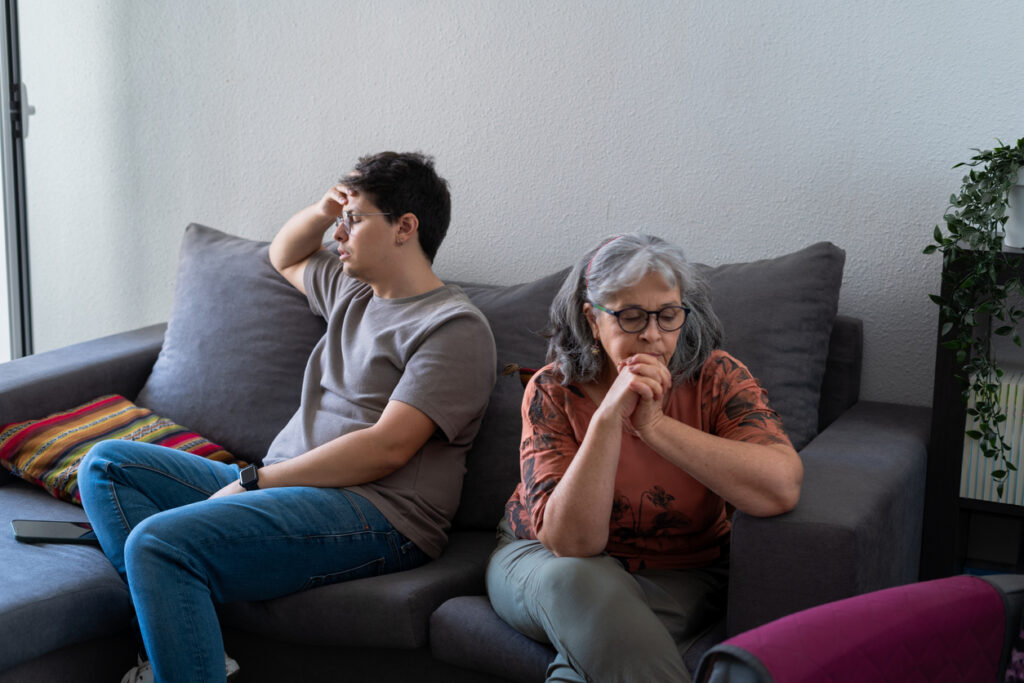
Families go through changes, but being excluded isn’t always as likely as you fear. Many older adults play cherished roles in their families—as caretakers, storytellers, mentors, and emotional anchors. Even if your adult children are busy, that doesn’t mean you’re not needed or wanted.
Nurture relationships by staying in touch, being present, and sharing love without strings attached. Be open about how you feel, and offer your time or wisdom without expectations. Relationships are living things—they need attention and honesty to thrive. If you show up authentically, your presence will continue to matter deeply.
9. What if I’m not ready to face the idea of death?

Thinking about death can feel overwhelming, but it’s also one of the most human things we can do. Fearing it doesn’t stop it—it only distracts from living fully now. Accepting our mortality allows us to be more intentional with the time we have left and often leads to deeper gratitude for life.
Instead of pushing the fear away, try reflecting on what gives your life meaning. What legacy do you want to leave? What brings you joy right now? Death doesn’t have to be the enemy—it can be a quiet motivator to make each day a little more beautiful, connected, and true to who you are.
10. What if I have nothing to offer the world anymore?

Purpose doesn’t expire with age—it evolves. Just because you’re retired or no longer in the workplace doesn’t mean your contributions no longer matter. The wisdom you’ve gained through decades of life is something only you can offer. Whether it’s volunteering, mentoring, or simply showing kindness, you have an impact.
If you’re feeling adrift, start small. Ask yourself what energizes you or what others often seek your advice about. Lean into what you love and let that guide your next chapter. The world still needs you—sometimes even more now than ever before.
11. What if I don’t look the way I used to?
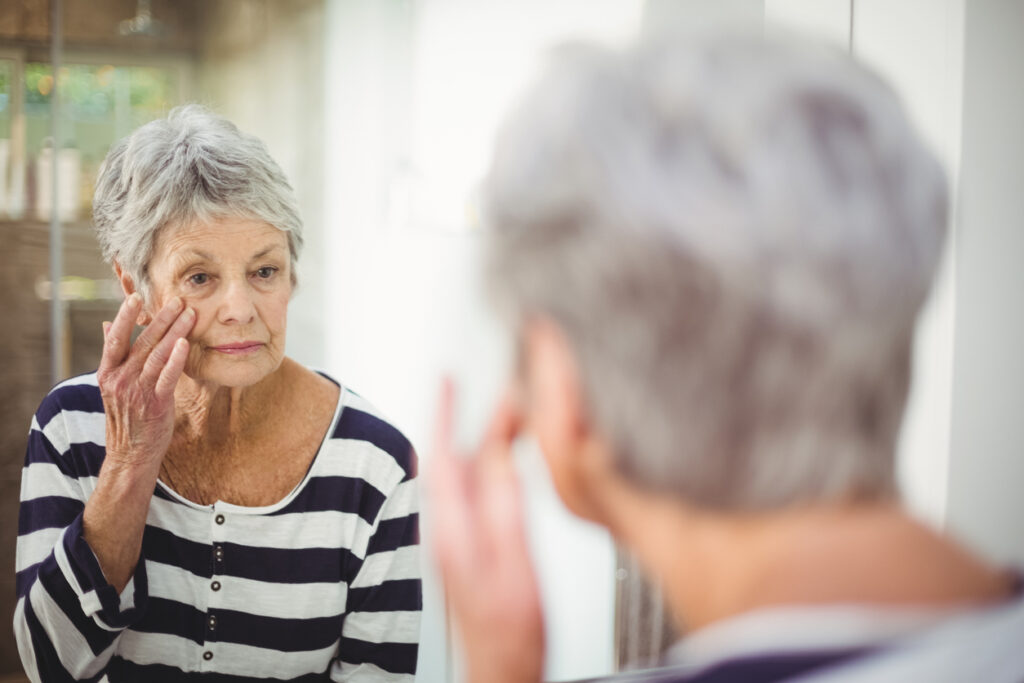
Aging changes our bodies—but it doesn’t take away our worth. Wrinkles, gray hair, and shifting shapes are signs of a life lived, not flaws to hide. While beauty standards can be relentless, real beauty is tied to confidence, authenticity, and presence—not youth.
It’s okay to miss your younger self, but don’t let that longing overshadow the richness of who you are now. Dress in a way that makes you feel great. Smile. Stand tall. Take care of yourself not to chase the past, but to celebrate the present. There’s power in owning your age and showing the world what self-respect truly looks like.
12. What if I regret how I lived my life?

Regret can sneak in when you least expect it—but it doesn’t have to define you. Everyone has chapters they’d rewrite if they could. But that doesn’t mean the story is over. You still have time to grow, repair, and create meaning from your experiences.
Look at regret not as failure, but as insight. What do you want more of? What do you want to let go of? Use that awareness to shift your path now. Your life isn’t set in stone—you’re still the author of what comes next. So start writing with courage, compassion, and hope.