
Why self-doubt, regret, and self-criticism as you age are more common than you think.
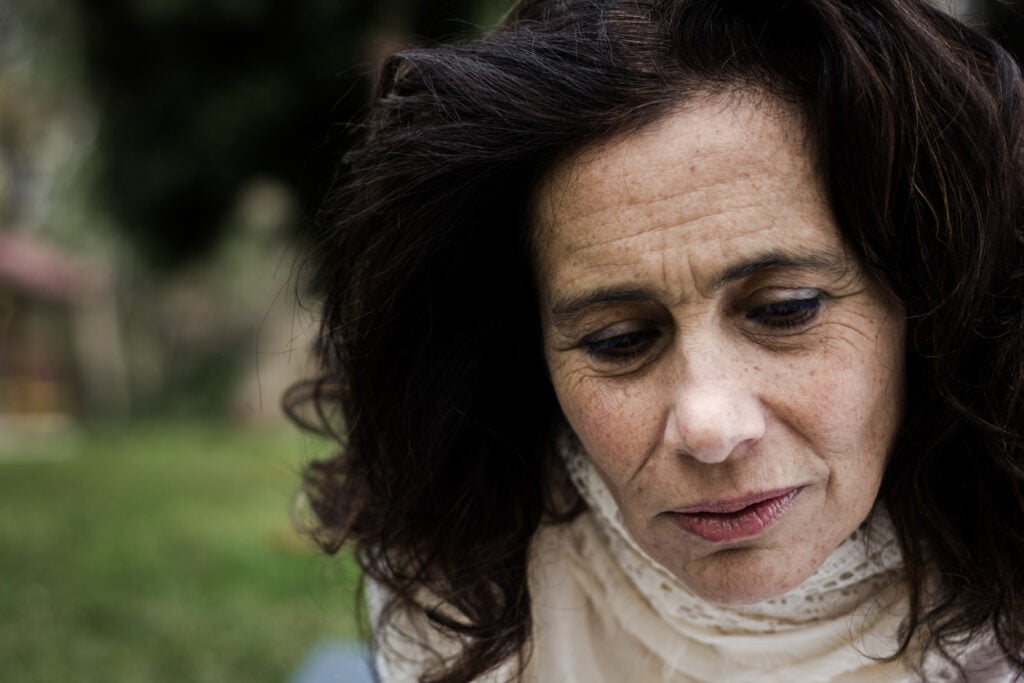
Ever catch yourself thinking, “I hate who I’ve become”? You’re far from alone—especially if you’ve reached your 60s. This chapter of life tends to stir up an emotional cocktail of regret, self-doubt, and even harsh self-criticism. For many, the pace of change in health, relationships, purpose, and identity hits harder than expected. The quiet space after retirement or after children have grown can leave room for unresolved feelings to echo louder than ever before.
But before you start to spiral, take a breath and remind yourself: countless people your age feel this way too. And there’s nothing inherently broken about you for having these thoughts. In fact, there are deeply human reasons why these emotions surface more frequently at this stage of life. The good news? You can confront and soften them with awareness, compassion, and some honest reflection.
1. You Can’t Stop Replaying the Mistakes You Made in Your Past

Those bad decisions and missed chances still haunt you, don’t they? Whether it’s a career you regret or a relationship you couldn’t fix, it feels like you can’t move on, as mentioned by Phillippa Perry at The Guardian. But here’s the thing: almost everyone in their 60s carries some form of regret, and it’s a heavy burden only if you let it be.
To shift this mindset, practice self-compassion. Make peace with your past by focusing on what you’ve learned from those experiences. Consider journaling or therapy as ways to unpack and release those lingering feelings of guilt or failure.
2. You Feel Like You’re Running Out of Time to “Fix” Your Life

At 60, the future might feel more limited than it once did, which can make you panic. You look back and think, “What if I don’t get a chance to do better?” This urgency is real, but it’s also common. Remember, you still have the power to change your path, even now.
Instead of focusing on what’s left undone, set small, achievable goals that align with your current values. Embrace the mindset that every day offers a fresh start, and it’s never too late to make meaningful changes, as reported by the authors at The Conversation.
3. You’re Comparing Yourself to People Who Seem to Have It All Together

It’s easy to scroll through social media and think, “Why does everyone else seem happier and more successful than me?” But comparison is a trap, and the reality is that nobody’s life is as perfect as it seems. Most people have their struggles—you just don’t always see them.
To break free from comparison, limit your time on social media and focus on your own journey. Practice gratitude by writing down things in your life you appreciate, according to Allison Lieberman at Choosing Therapy. This can help shift your attention from what others have to what you already do.
4. Your Body Isn’t What It Used to Be and It’s Messing with Your Confidence

Aches, pains, weight gain, or just feeling like you’re not as energetic as you once were—it’s frustrating! It’s natural to feel down when your body doesn’t cooperate, but it’s important to remember that aging is universal. And while you might not have the same physical abilities, you can still find joy and strength in different ways.
Instead of focusing on what you’ve lost, think about how you can care for your body now. Gentle exercise, better nutrition, and regular stretching can make a huge difference in how you feel, both physically and emotionally.
5. You Feel Invisible to the World—and It Hurts

As you get older, it can feel like people stop seeing you. Society tends to overlook seniors, especially women, and that invisibility can really mess with your self-esteem. But just because others don’t always acknowledge your worth doesn’t mean it’s not there. Your experience and wisdom are invaluable, even if the world doesn’t always recognize it.
You can reclaim your sense of presence by asserting yourself in new ways. Get involved in activities or causes that allow you to shine. Surround yourself with people who appreciate and respect you for who you are now.
6. You’re Stuck in a Rut and Don’t Know How to Get Out

Routine can be comforting, but it can also feel like a prison. After decades of the same thing, it’s easy to feel stuck in life, wondering if anything will ever change. But the truth is, even small changes—trying a new hobby or meeting new people—can breathe new life into your routine.
Start by shaking up one area of your life, whether it’s learning a new skill, joining a club, or traveling to a new place. These small adjustments can reignite your curiosity and zest for life.
7. You Regret the Way Certain Relationships Turned Out

Whether it’s a friendship that drifted apart, a child you feel disconnected from, or a marriage that isn’t what you hoped for, relationship regrets hit hard in your 60s. But the good news is, it’s not too late to mend those bonds. Open communication and effort can still make a big difference.
Reach out to someone you’ve lost touch with and start a conversation. Healing a relationship takes time, but even small gestures, like a call or a letter, can open doors to reconciliation and renewal.
8. You Feel Like You Didn’t Achieve Your Full Potential

Maybe there were dreams you never chased or goals you didn’t reach, and now it feels like it’s too late. That feeling of “I could’ve done more” can eat away at your happiness. But here’s a secret: it’s never too late to start something new. People in their 60s still accomplish amazing things—why not you?
Refocus on what matters to you now and set new, realistic goals. Whether it’s volunteering, learning a new language, or starting a side project, the possibilities are endless when you give yourself permission to dream again.
9. You’re Mourning the Loss of the Person You Used to Be

Aging can make you feel like you’ve lost touch with the younger, vibrant version of yourself. You might look in the mirror and think, “Who is this person?” It’s natural to grieve for your younger self, but instead of focusing on what’s gone, try embracing who you are now, with all the wisdom and experience you’ve gained.
Celebrate the new version of yourself by focusing on what’s still possible. Take pride in your accomplishments and the knowledge that only comes with age. Reinventing yourself can bring newfound joy and fulfillment.
10. You Feel Disconnected from Your Passions and Purpose

It’s not uncommon to lose sight of what excites you as life goes on. Maybe the things that once drove you don’t anymore, or maybe you’re struggling to find new passions. But it’s never too late to rediscover what lights you up. The key is to stay curious and open to new experiences.
Take time to explore what excites you now. It could be something completely different from your earlier interests, and that’s okay. The more you experiment, the more likely you are to find something that fills you with purpose again.
11. You’ve Lost Touch with Friends and Feel Isolated

Friendships can fade over time, and before you know it, you might feel like you’re all alone. Loneliness is a serious issue in your 60s, but the good news is, it’s never too late to rebuild connections. Reach out to old friends or join new social circles—you’d be surprised how many people are in the same boat, craving connection.
Don’t wait for others to make the first move. Be proactive in rekindling old friendships or building new ones through social activities, volunteering, or even online communities for seniors.
12. You’re Financially Stressed and It’s Weighing You Down

Money worries don’t magically disappear with age. In fact, for many people, financial stress gets worse in their 60s. Whether it’s unexpected expenses or not having the retirement savings you hoped for, money problems can feel overwhelming. But with proper planning and support, you can still regain control of your financial situation.
Meet with a financial advisor to reassess your situation and create a plan that works for your current needs. You’d be surprised how much peace of mind can come from even small changes in budgeting or investment strategies.
13. You Feel Like You’ve Been Living for Others and Forgot Who You Are

Maybe you spent decades putting everyone else first—your spouse, your kids, your career—and now you’re left wondering, “What about me?” It’s easy to lose yourself in the roles you’ve played, but this can be your time to focus on you. Rediscovering who you are and what makes you happy is an empowering journey.
Start by identifying your interests and what makes you feel fulfilled. Carve out time just for yourself each week to explore those things. Reclaiming your identity might be the most rewarding adventure you’ll take.