
These childhood challenges will make you wonder how Boomers made it through!
You won’t believe what some retirees had to put up with as kids! From jagged metal slides and chemical-laced classrooms to being left completely unsupervised for hours, Baby Boomers grew up in a world that today’s safety-conscious parents would find downright alarming. The challenges they faced weren’t just occasional—they were a regular part of everyday life that shaped them into the resilient generation they are today.
While younger generations might gasp at some of these experiences, for Boomers, they were simply the norm. Whether it was walking miles alone to school, getting sunburnt on purpose, or memorizing phone numbers by heart, the obstacles they overcame were woven into the culture of the times. Here are 12 jaw-dropping ways Baby Boomers navigated a childhood that was anything but cushioned.
1. Boomers Endured Lead Paint and Asbestos in Their Everyday Lives
Growing up in homes and schools built before modern safety standards, Boomers were constantly surrounded by dangerous materials like lead-based paint and asbestos, as mentioned by Bebe Nicholson at Medium.com. These substances were found in walls, ceilings, insulation, and even toys. No one thought twice about the thick layers of lead paint on cribs or asbestos tiles underfoot—it was just the way buildings were made, and parents weren’t warned of the long-term effects.
Many Boomers didn’t realize the extent of their exposure until years later when the health risks of lead poisoning and asbestos-related illnesses came to light. But by then, the damage was often done. The idea that kids today can’t even bring certain lunchboxes to school without safety testing would have sounded absurd to a Boomer child who spent their early years chewing on painted windowsills.
2. Boomers Did All Their Research at the Library—No Internet, Just Card Catalogs and Mimeograph Machines

If you had a school report to write as a Boomer, your first stop wasn’t Google—it was the local library. You’d walk in, head straight for the massive wooden card catalog, and flip through drawers of alphabetized index cards to find the right book. Then, if you were lucky enough to locate it on the shelves, you’d jot down notes by hand from its yellowed pages or make a copy using the library’s mimeograph machine, as shared by writers at The Boomer Insight.
The process was long, smelly, and messy. Those purple-inked, alcohol-scented mimeographs stained your fingers and often blurred the text, but they were all you had. There was no way to ask Siri a question or bookmark a site for later. Everything took longer and required far more patience, which Boomers had to learn whether they wanted to or not.
3. Boomers Got the Paddle at School, and Parents Were Totally Fine With It

Back in the day, school discipline often came with a wooden paddle and zero tolerance for backtalk. Teachers and principals had the authority to spank students, and they didn’t hesitate to use it. Boomers remember being called to the front of the class or sent to the principal’s office for a paddling—and it wasn’t a secret or scandal, as stated by Dannica Ramirez at BuzzFeed.
What’s more, parents didn’t get upset. In fact, many supported the punishment, believing it was necessary to maintain respect and order. Some kids even got a second round at home. The concept of corporal punishment being considered abusive or traumatic didn’t enter public discussion until much later, and for Boomers, it was just another lesson in “tough love.”
4. Boomers Were Taught to Fear “Stranger Danger” but Still Hitched Rides
There was a strange contradiction in how Boomers were raised: on one hand, they were repeatedly warned about strangers, but on the other hand, hitchhiking was a completely normal way to get around. Kids might be told “don’t talk to strangers,” and yet still climb into a stranger’s car with a thumb out and a hopeful smile.
Especially in small towns and rural areas, hitching a ride was seen as practical rather than dangerous. It wasn’t uncommon to see teens or even pre-teens accepting lifts from unfamiliar adults, trusting that their community was generally safe. Looking back, many Boomers are amazed at how casual everyone was about something we now consider highly risky.
5. Boomers Walked to School Alone—No Matter How Far or How Young
Boomers didn’t get door-to-door rides in SUVs or trackable apps to monitor their journey to school. Instead, they walked. Whether it was two blocks or two miles, in the rain, snow, or blazing heat, kids were expected to get themselves to class on foot. There were no carpools, no protective gear, and definitely no adult chaperones.
Some Boomers started this solo journey as young as six years old. It wasn’t seen as neglect—it was a rite of passage. Parents trusted their kids to figure it out and didn’t hover over them or worry every moment. The sense of independence this instilled in Boomers is something many still carry with them today, but to modern parents, it sounds downright unthinkable.
6. Boomers Were Left Home Alone for Hours, and Nobody Blinked an Eye
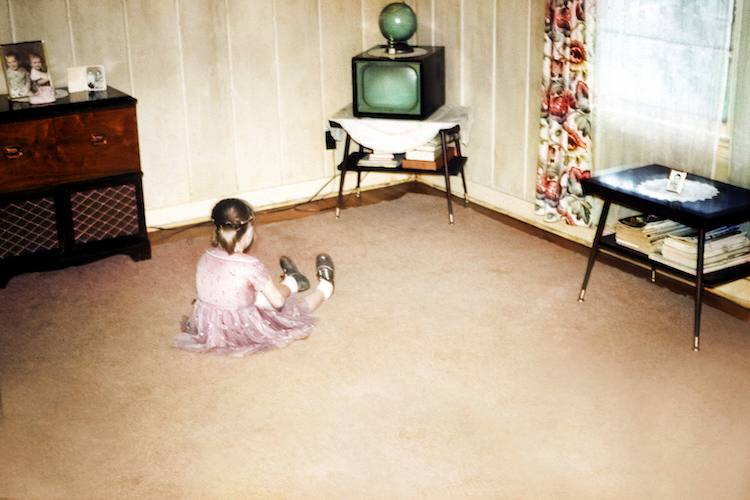
The term “latchkey kid” was practically invented for the Boomer generation. With both parents often working and no after-school programs, it was entirely normal for kids to come home to an empty house. They let themselves in, made a snack, watched TV, and figured out how to entertain themselves until dinner.
There were no cell phones to check in, no neighbor watch apps, and no safety nets beyond maybe a landline phone list. It was assumed that if anything happened, the kid would deal with it. Many Boomers now reflect on how much self-reliance they developed during those lonely hours—and how unprepared today’s children might be for the same scenario.
7. Boomers Sunbathed Using Coconut or Baby Oil—SPF? What’s That?

If you were a Boomer looking to get a golden tan, you didn’t reach for sunscreen—you reached for baby oil or coconut oil. The goal wasn’t to protect your skin but to cook it to the perfect bronze. Lying out for hours under the sun was considered glamorous, and peeling sunburns were seen as just part of the process.
Unfortunately, all that sun worship came with a price. Many Boomers later faced skin issues, premature aging, or even skin cancer as a result of those carefree tanning sessions. SPF wasn’t widely known or available, and warnings about UV damage were rarely taken seriously. It was all about looking good, no matter the future consequences.
8. Boomers Were Regularly Told to “Walk It Off” When They Got Hurt
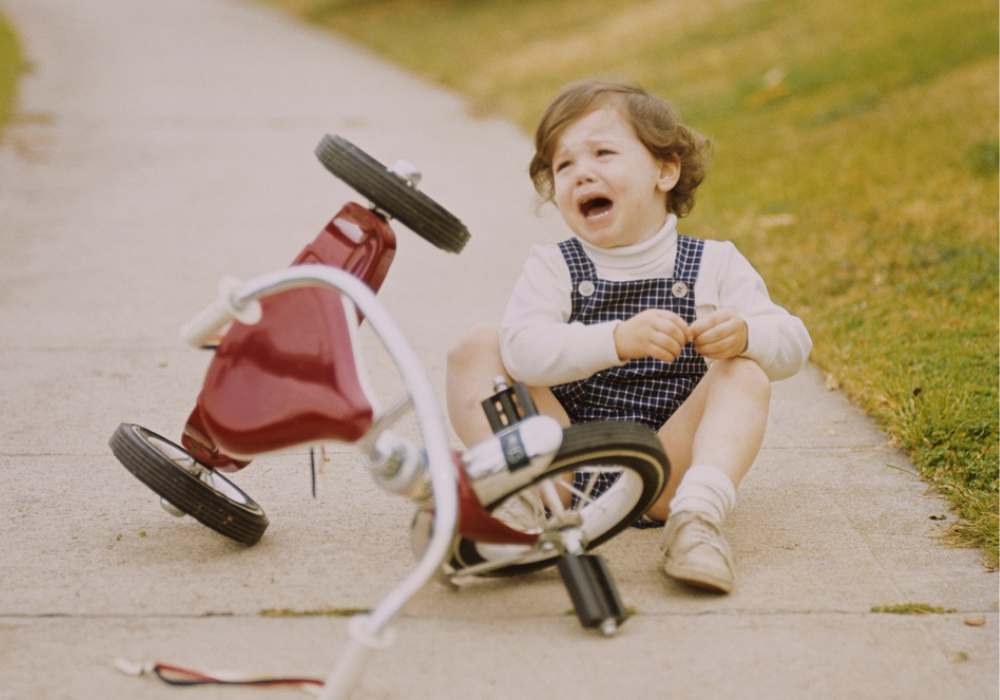
Skinned knees, twisted ankles, and even mild concussions were often brushed off with a simple “walk it off.” Boomers were raised to tough it out, and sympathy was in short supply. Unless you were bleeding profusely or had a bone sticking out, most adults assumed you’d be fine—and expected you to prove it.
This mindset wasn’t about cruelty—it was about grit. Kids were taught not to complain and to keep going no matter what. Today’s focus on mental health, rest, and recovery would have been seen as mollycoddling. Boomers grew up with resilience as their only real medicine, whether it was physical pain or emotional stress.
9. Boomers Had Limited Access to Medical Care, and House Calls Were a Big Deal
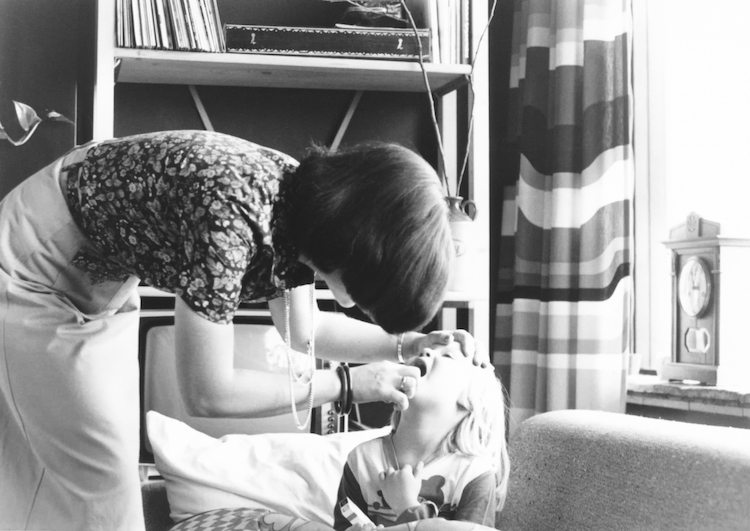
For most Boomers, a visit to the doctor wasn’t something that happened at the first sniffle. Medical care was often reserved for serious illnesses, and minor ailments were treated with rest, chicken soup, or old family remedies. You didn’t run to urgent care—you waited it out.
When a doctor did come, it was usually for a house call, complete with a black leather bag and a quiet authority. These visits were rare and somewhat revered. Seeing a physician outside a hospital was a big deal, and families often gathered around in hushed tones. It’s a far cry from today’s virtual appointments and 24-hour clinics.
10. Boomers Shared Everything with Their Siblings, Including Bedrooms

Privacy was a luxury few Boomers had growing up. Most children shared bedrooms with at least one sibling—sometimes more. Clothes, toys, and even toothbrushes were often communal. Squabbles over space were frequent, but there wasn’t much choice in the matter.
This forced closeness fostered both deep bonds and plenty of rivalry. It also taught Boomers how to compromise, negotiate, and manage conflict from a young age. The concept of having “your own room” wasn’t a given. For many, the idea of personal space didn’t exist until they moved out or got married.
11. Boomers Had to Memorize Phone Numbers—No Smartphones or Speed Dial

If you wanted to call someone as a Boomer, you had to know their number by heart. Everyone had a little address book—or a good memory—and kids were expected to memorize the digits of friends, family members, and emergency contacts. There were no shortcuts, just rotary dials and busy signals.
This practice wasn’t just a memory exercise—it was essential. Losing a phone number meant you were out of luck. Boomers developed strong recall skills and a sense of responsibility when it came to communication. In contrast, today’s kids often can’t even recite their own parents’ numbers, relying on digital devices for everything.
12. Boomers’ Moms Smoked and Drank While Pregnant—And No One Batted an Eye
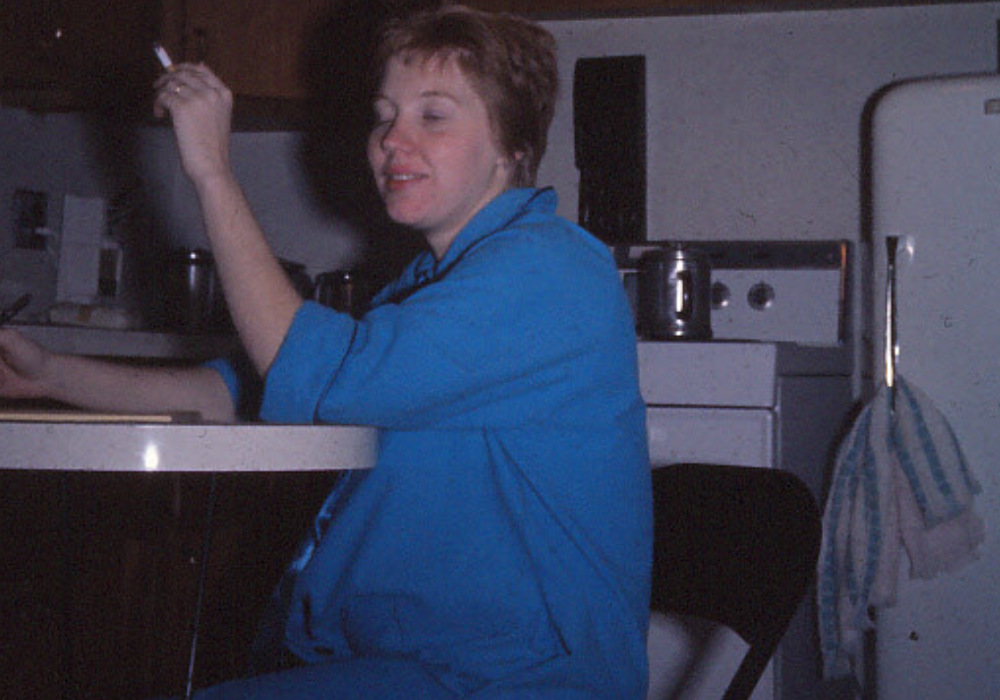
Back in the ‘50s and ‘60s, pregnancy didn’t come with endless rules. Many expectant mothers continued to smoke cigarettes and enjoy the occasional cocktail without concern. Boomers grew up seeing their mothers light up or pour a drink with a baby bump and never thought it was strange.
The health risks associated with prenatal smoking and drinking weren’t fully understood or publicized, so it wasn’t seen as harmful. In fact, doctors sometimes even recommended alcohol to calm nerves. It’s shocking by today’s standards, but for Boomers, it was just another example of how different—and often dangerous—the world was when they were young.