
Subtle underground changes suggest pressure is slowly building beneath the volcano.
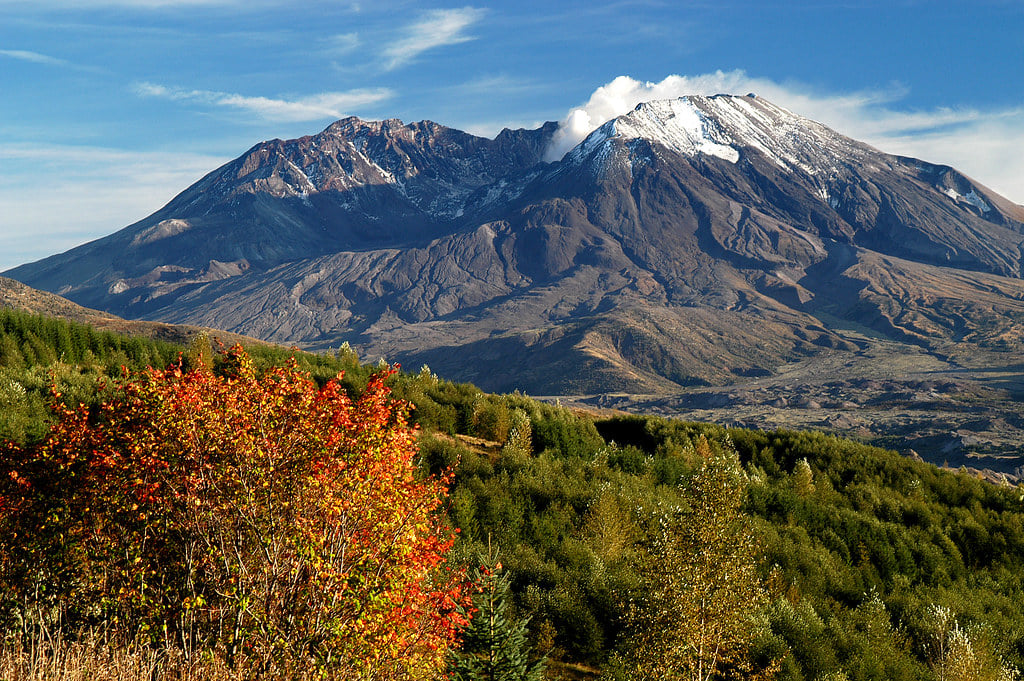
Mount St. Helens has been quiet for years, but that does not mean it is inactive. Scientists continue to monitor the volcano closely, tracking subtle changes that are not visible to the naked eye.
Recent research shows the volcano is slowly recharging beneath the surface. These shifts are not a sign of an imminent eruption, but they do offer an important reminder that the system is still very much alive.
1. Mount St. Helens continues to rebuild beneath its crater.
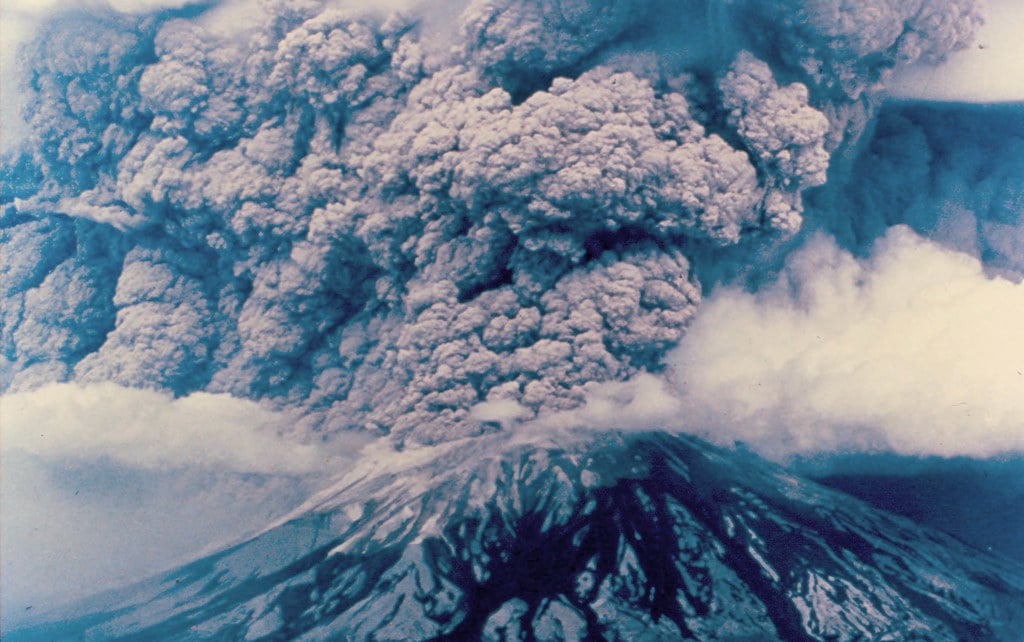
After the 1980 eruption, the volcano entered a long period of recovery. Since then, scientists have observed gradual changes deep below the surface. These include magma slowly accumulating in underground chambers.
This process is part of a natural volcanic cycle. Over time, molten rock moves upward and begins to refill the system. While this rebuilding phase is expected, it still requires careful monitoring to understand how the volcano is evolving.
2. Scientists have detected ground swelling in recent years.
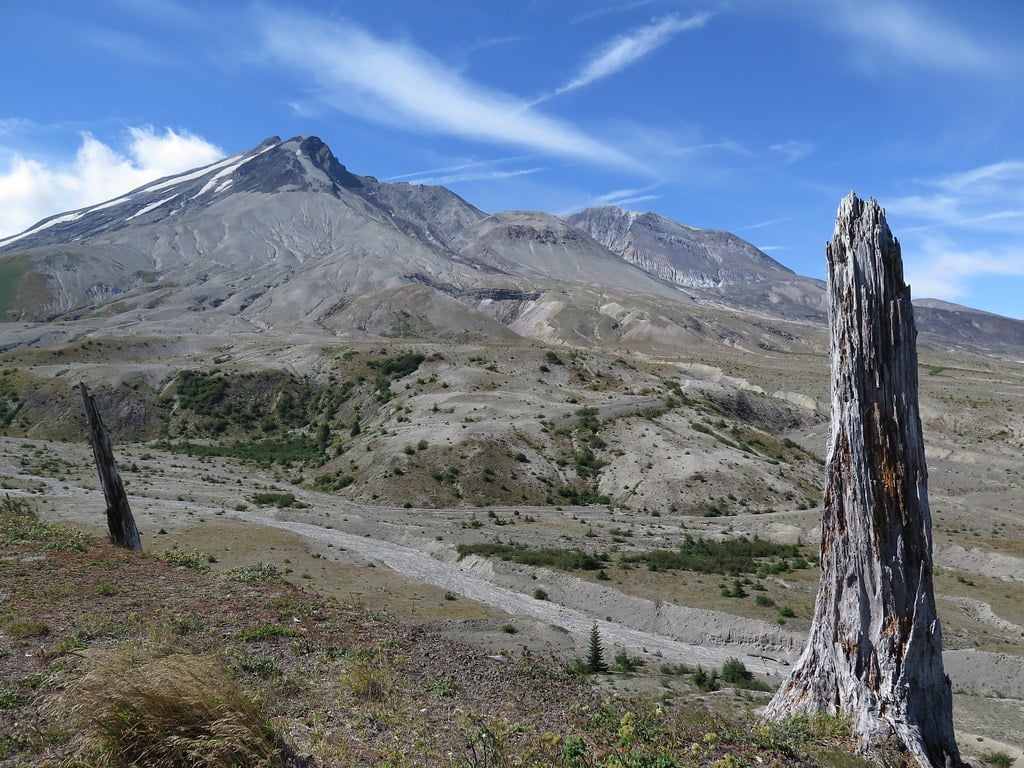
Using satellite data and ground instruments, researchers have identified slight inflation around the volcano. This means the ground is subtly rising as pressure builds below.
These changes are small and slow, often measured in millimeters. Even so, they provide valuable clues about what is happening underground. Swelling can indicate that magma or gases are moving within the system.
3. Earthquake activity offers another important clue.
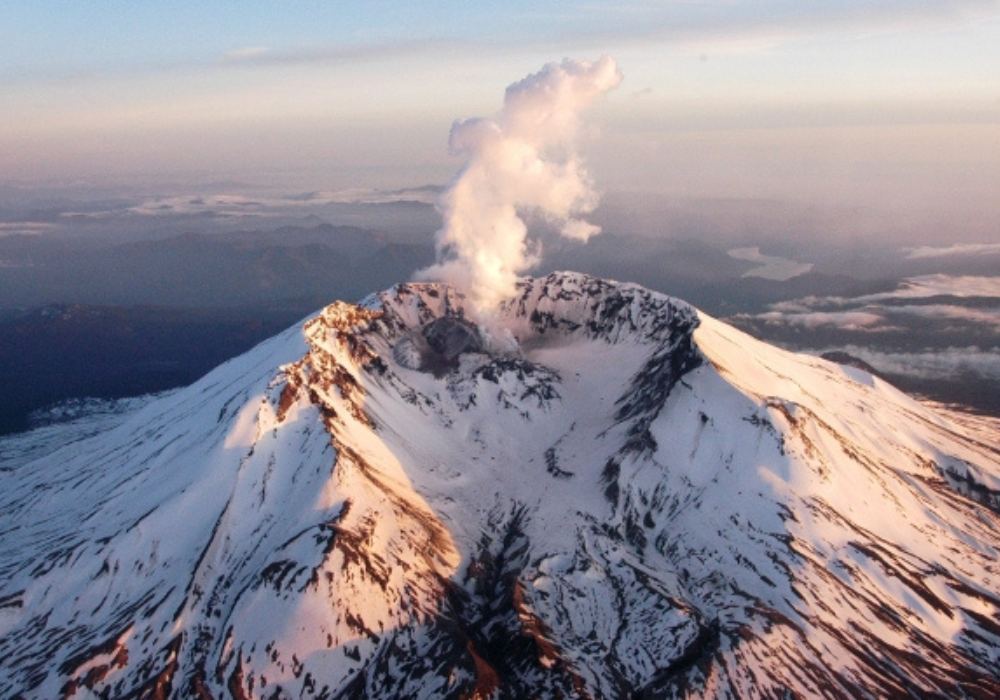
Mount St. Helens regularly experiences small earthquakes. These are usually too minor to be felt, but they are closely tracked by monitoring stations.
Clusters of these quakes can signal movement of fluids beneath the surface. Scientists study their depth and frequency to better understand how magma and gas are shifting underground.
4. A growing magma reservoir is likely forming below.
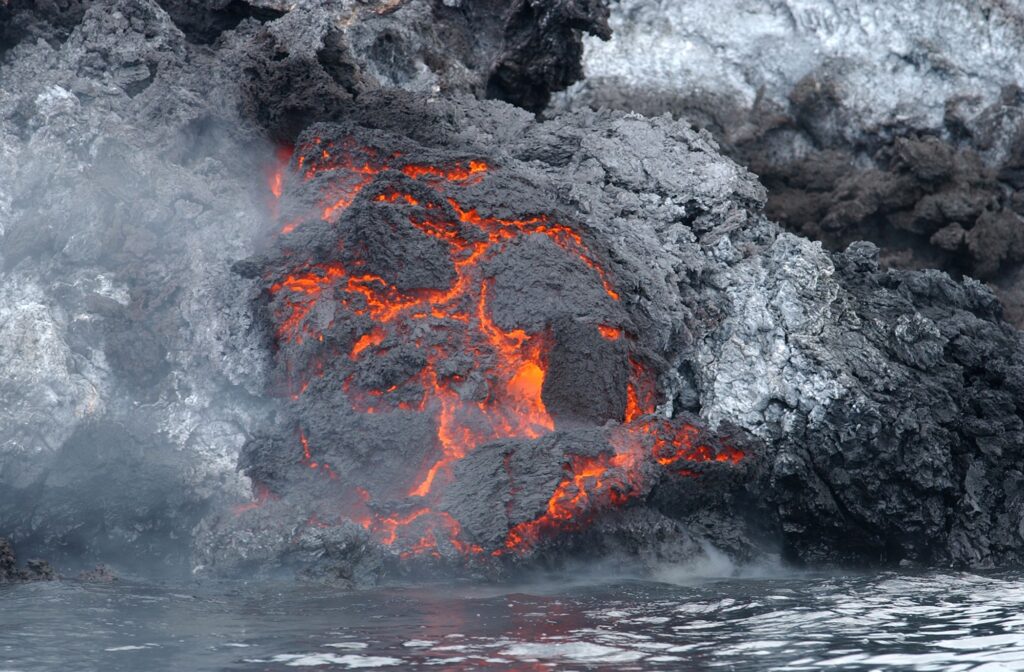
Geophysical studies suggest that molten rock is gradually collecting in a reservoir beneath the volcano. This does not mean an eruption is near, but it shows the system is recharging.
Magma reservoirs can take years or even decades to develop. Understanding their size and location helps scientists assess long term volcanic behavior and potential future activity.
5. Gas emissions help reveal what is happening below ground.
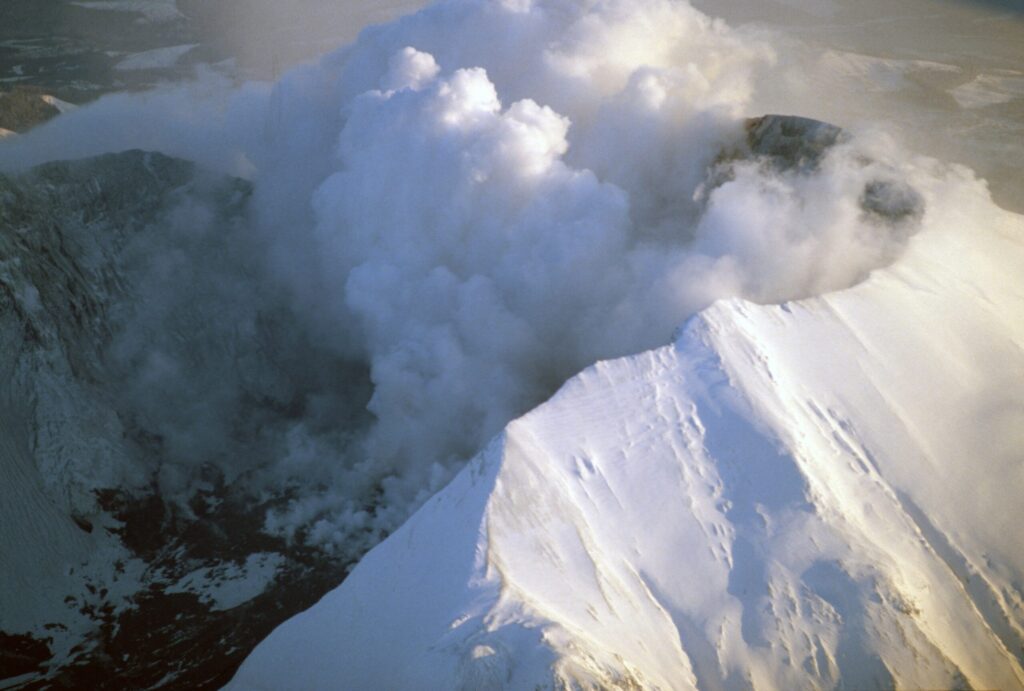
Volcanoes release gases like carbon dioxide and sulfur dioxide, even when they appear quiet. At Mount St. Helens, these emissions are monitored for changes.
An increase in gas output can suggest rising magma or shifts in pressure. Stable levels, on the other hand, often indicate that activity remains relatively calm for the time being.
6. The lava dome has grown during past activity cycles.
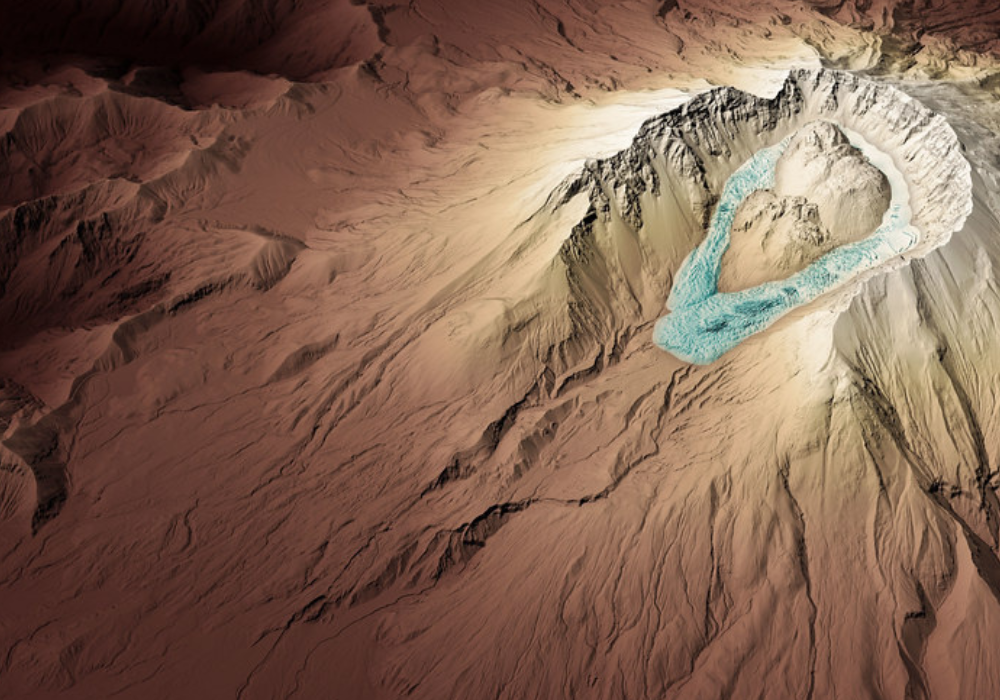
Between 2004 and 2008, Mount St. Helens produced new lava that formed a dome inside the crater. This growth happened without a major explosive eruption.
That event showed how the volcano can release pressure in different ways. Dome building is one possible outcome of magma rising slowly to the surface.
7. The volcano is part of an active volcanic region.
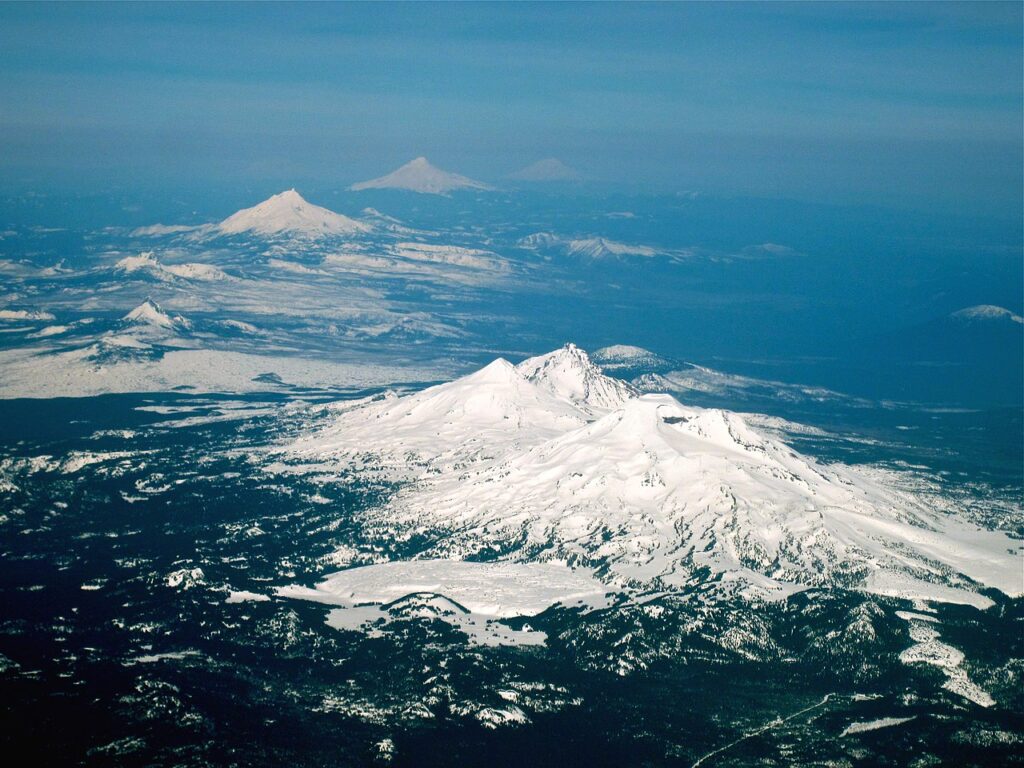
Mount St. Helens sits within the Cascade Range, an area shaped by tectonic activity. This region contains several active volcanoes formed by the subduction of one tectonic plate beneath another.
That larger geological setting plays a role in how magma is generated and moves. It also means Mount St. Helens is part of a broader system that remains active over long periods.
8. Monitoring technology has improved significantly over time.
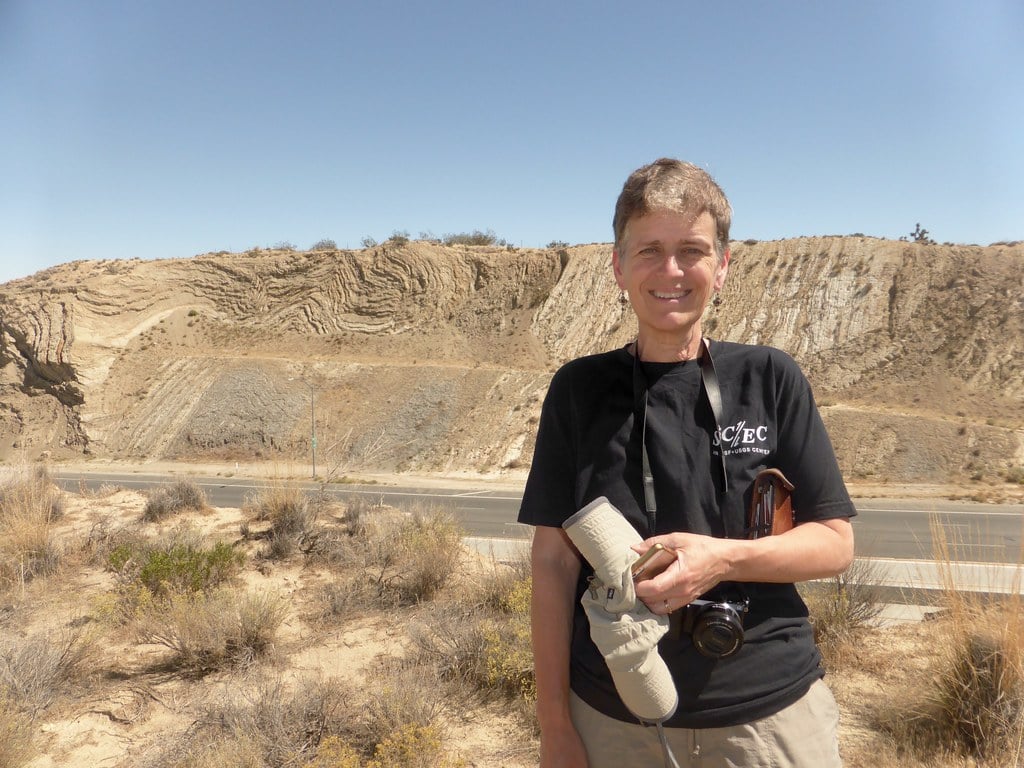
Scientists now use advanced tools like GPS, satellite imaging, and seismic networks to track changes at the volcano. These technologies allow for more precise and continuous observation.
Better data helps researchers detect patterns earlier and respond more effectively. It also improves the accuracy of forecasts, even when changes are subtle.
9. Current activity levels do not indicate an immediate eruption.

Despite the signs of internal change, experts agree there is no evidence that an eruption is imminent. The observed activity falls within normal background levels for an active volcano.
This distinction is important. A volcano can show signs of movement without posing an immediate threat, which is the case at Mount St. Helens today.
10. Scientists focus on long term patterns, not single signals.
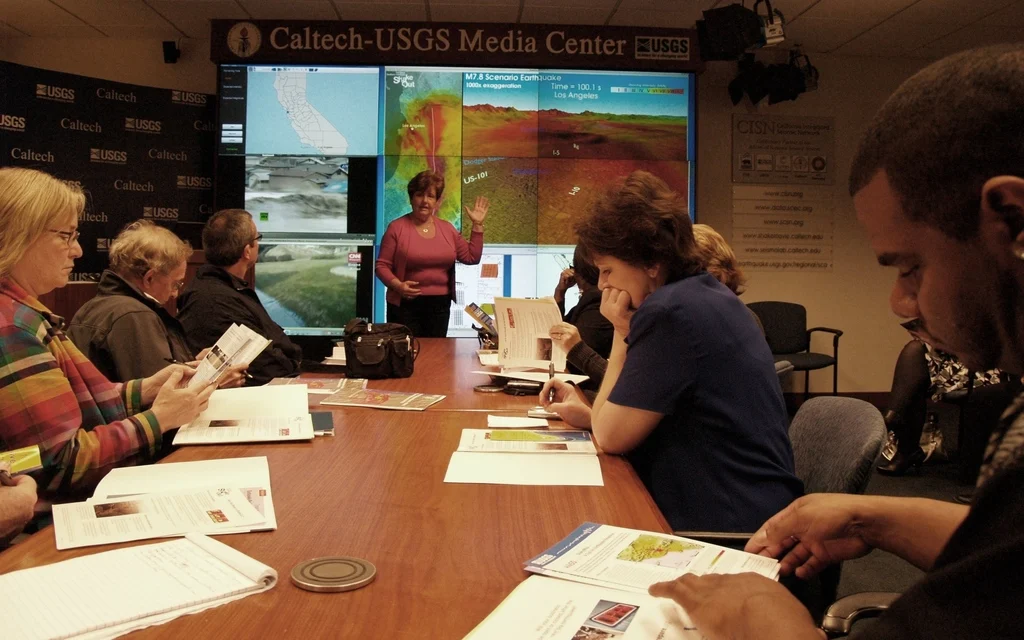
No single measurement can predict an eruption on its own. Researchers look at multiple data points together, including earthquakes, gas levels, and ground movement.
By studying trends over time, they can better understand how the volcano behaves. This approach reduces uncertainty and helps avoid false alarms based on isolated changes.
11. The volcano remains active even during quiet periods.
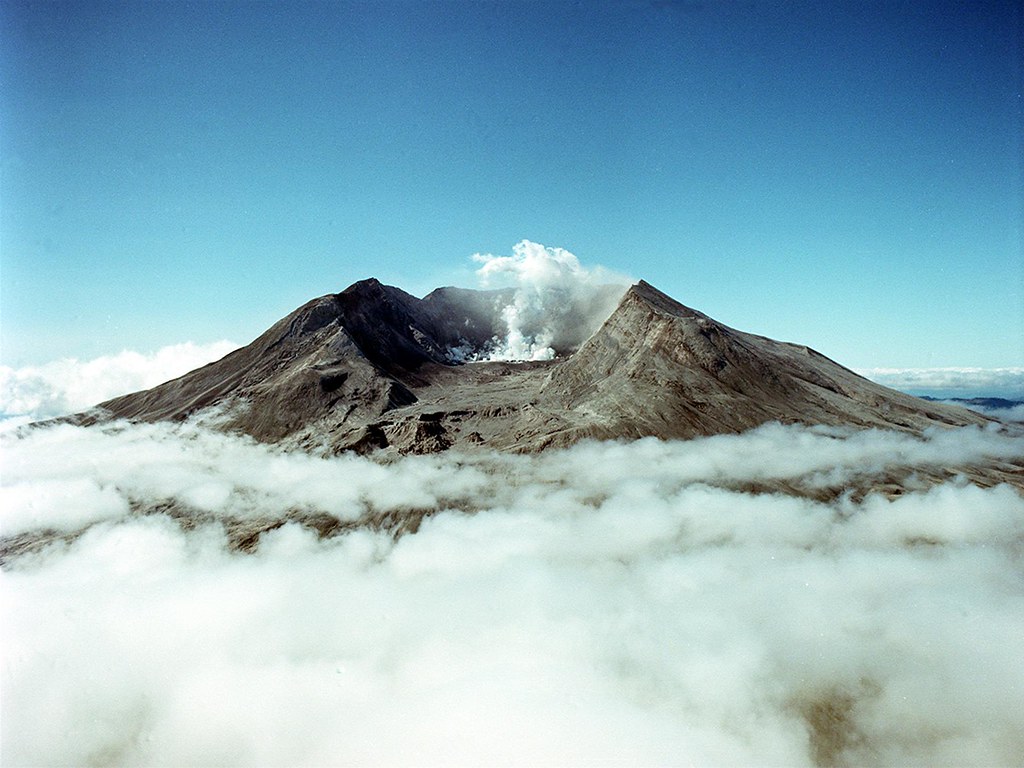
Mount St. Helens may appear calm, but it is still an active system. Activity beneath the surface continues even when there are no visible signs above ground.
That ongoing process is why scientists remain watchful. Understanding these quiet phases is just as important as studying eruptions, since they reveal how the volcano prepares for future activity.