
From checkout screens to everyday services, tipping requests are showing up where people least expect them.
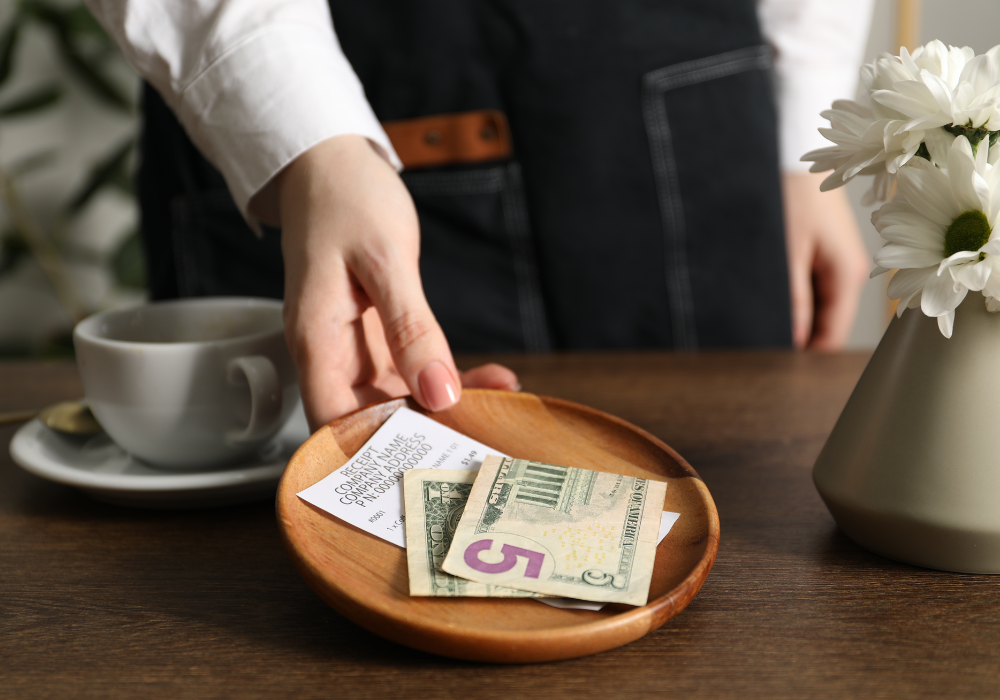
You’ve probably noticed it happening more and more. You go to pay for something simple, and suddenly there’s a tip screen staring back at you. It can catch you off guard, especially in places where tipping never used to be part of the experience.
It is not just your imagination. Tipping requests have expanded into all kinds of everyday transactions, leaving many people unsure of what is expected. Here are some of the most common places where tipping is starting to show up and why it feels so different now.
1. It starts with the coffee shop checkout screen
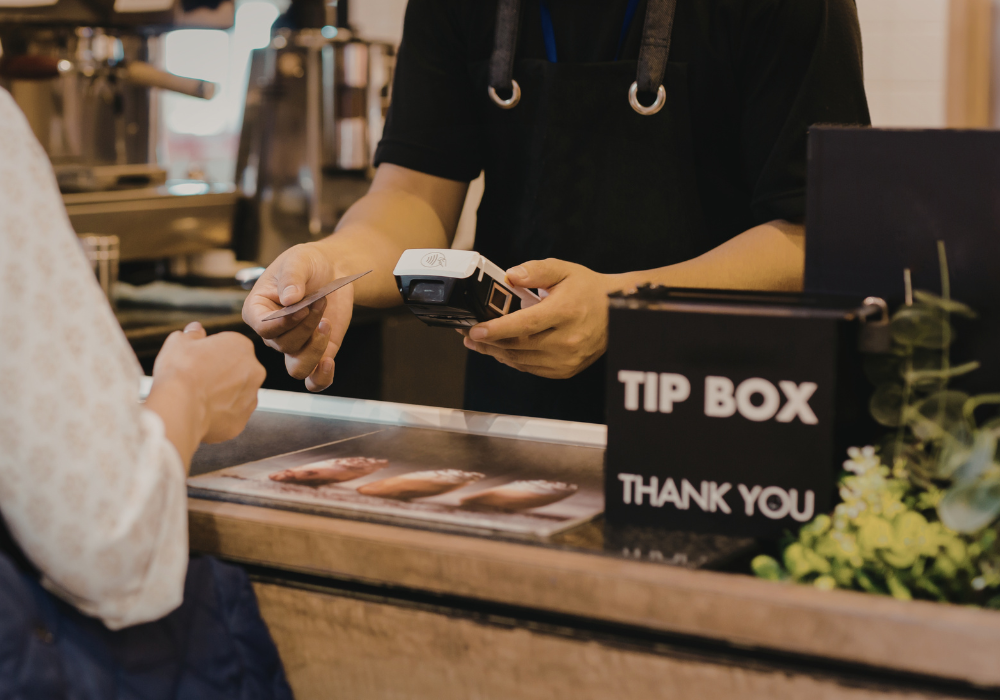
You order a simple coffee, tap your card, and suddenly a screen asks if you want to tip. The suggested amounts are already filled in, often starting higher than expected.
This moment can feel awkward. Someone is standing right there, and it is hard not to feel a little pressure to choose something.
What used to be a loose tip jar has become a structured prompt. The experience feels more formal, and for many people, a lot more uncomfortable.
2. Then it shows up at fast casual restaurants
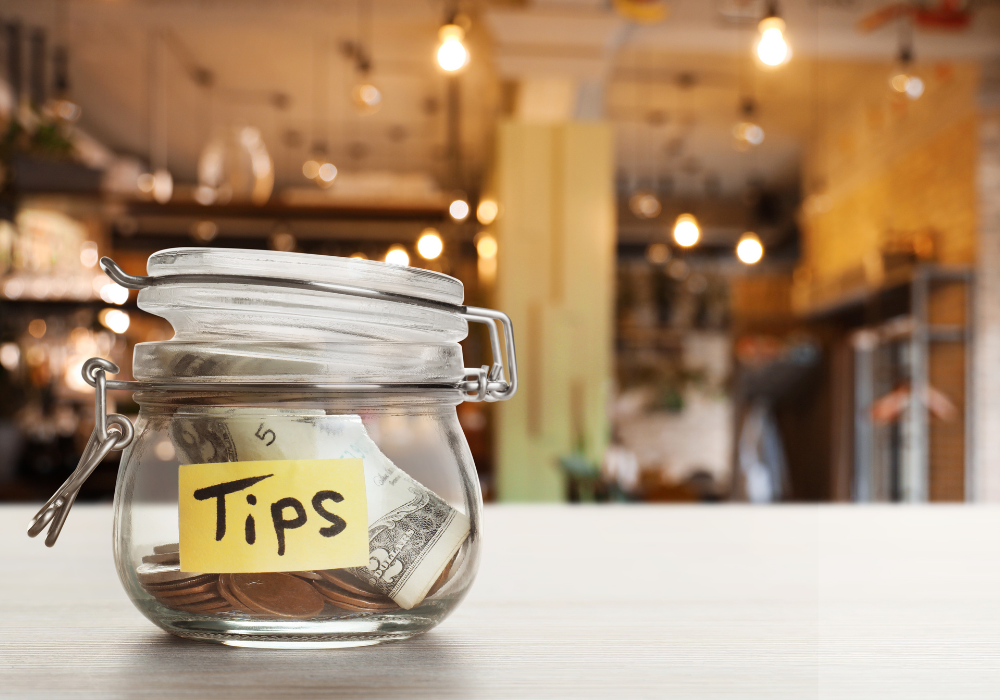
Places where you order at the counter and pick up your own food are now asking for tips as part of checkout. There is no table service, but the prompt still appears.
This shift has blurred the lines. People are not always sure if tipping is expected or optional.
The result is hesitation at the register. Many customers feel caught between wanting to be fair and not fully understanding what they are tipping for.
3. Even takeout orders now come with a tip prompt

Picking up food used to be simple. You paid, grabbed your order, and left. Now, tipping is often built into the payment process.
Some people are happy to tip for the effort behind preparing the order. Others feel unsure since there is no direct service involved.
This creates a gray area. Expectations vary widely, and customers are left to figure it out on the spot.
4. Food trucks are following the same pattern
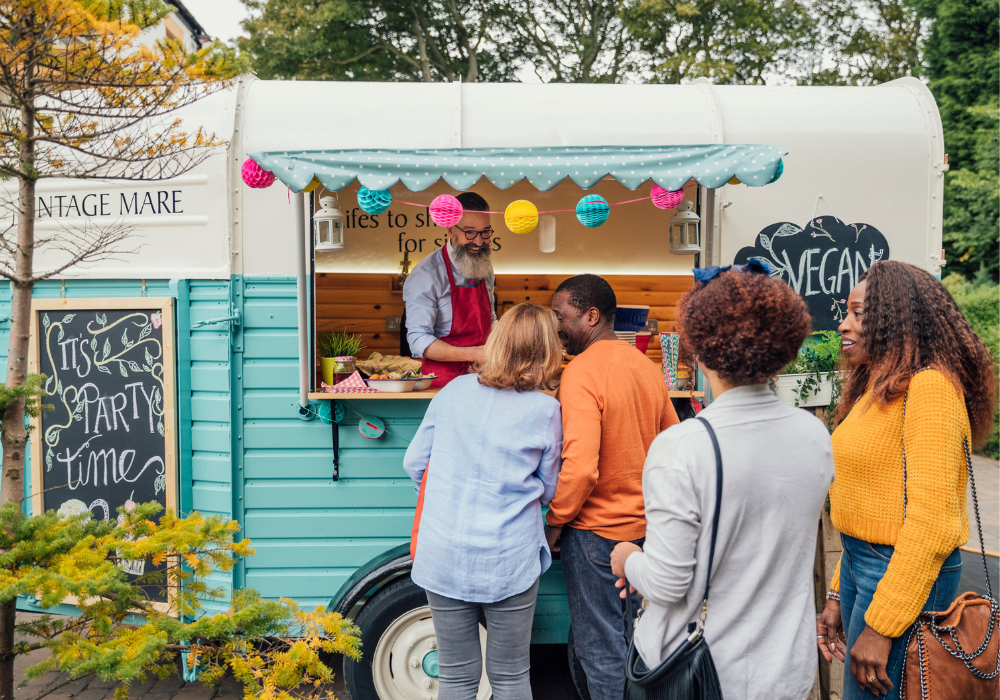
Food trucks have always had a casual, quick-service vibe. Now many use digital payment systems that include tipping prompts by default.
The interaction is brief, but the question still appears. It can feel surprising given the informal setting.
As more trucks adopt these systems, tipping becomes part of the norm. Even in traditionally low-pressure environments, the expectation is starting to grow.
5. Retail stores are starting to ask too
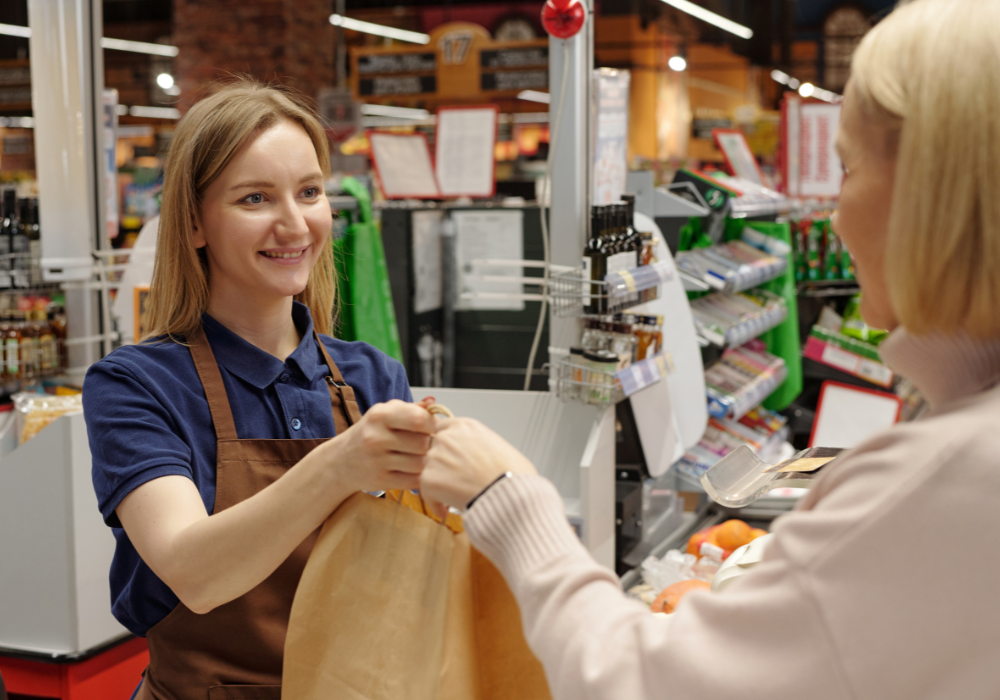
In some small shops, especially boutiques, tipping prompts are now appearing at checkout. This is new territory for many shoppers.
There is usually no added service beyond ringing up the purchase. That makes the request feel unexpected.
For customers, it can create confusion. The traditional rules of tipping do not clearly apply, which makes the decision feel less straightforward.
6. Self-service kiosks are adding the question
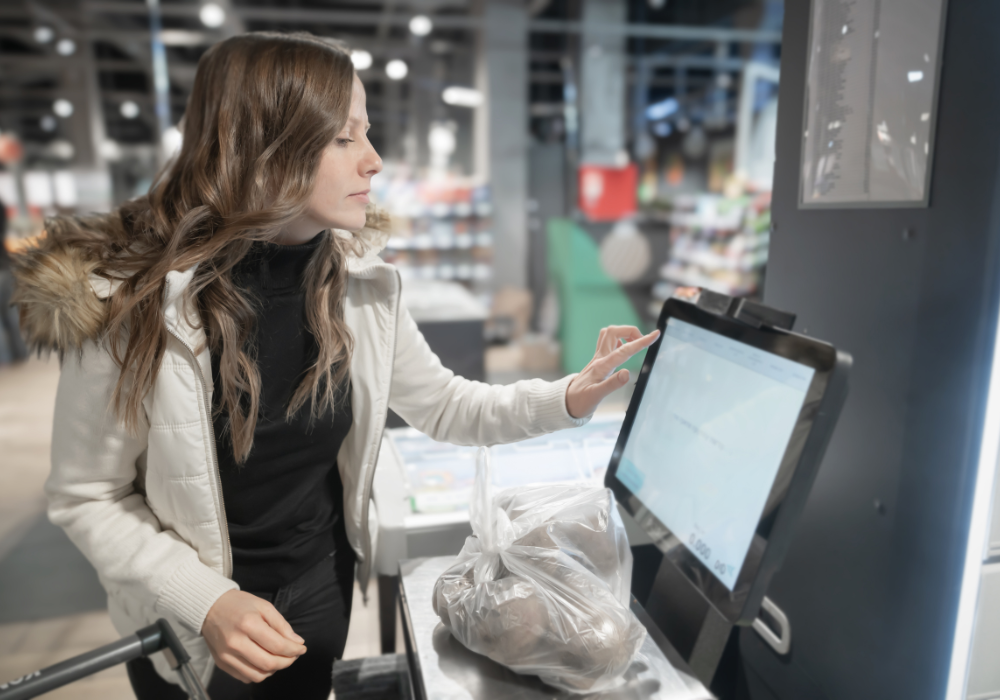
You might place your order on a screen with no employee interaction at all. Then, right before payment, a tip option appears.
This is one of the most surprising shifts. There is no direct service, yet the system still asks.
It highlights how widespread tipping prompts have become. Even automated experiences are now part of the trend, which can feel a bit puzzling.
7. Delivery apps have changed expectations
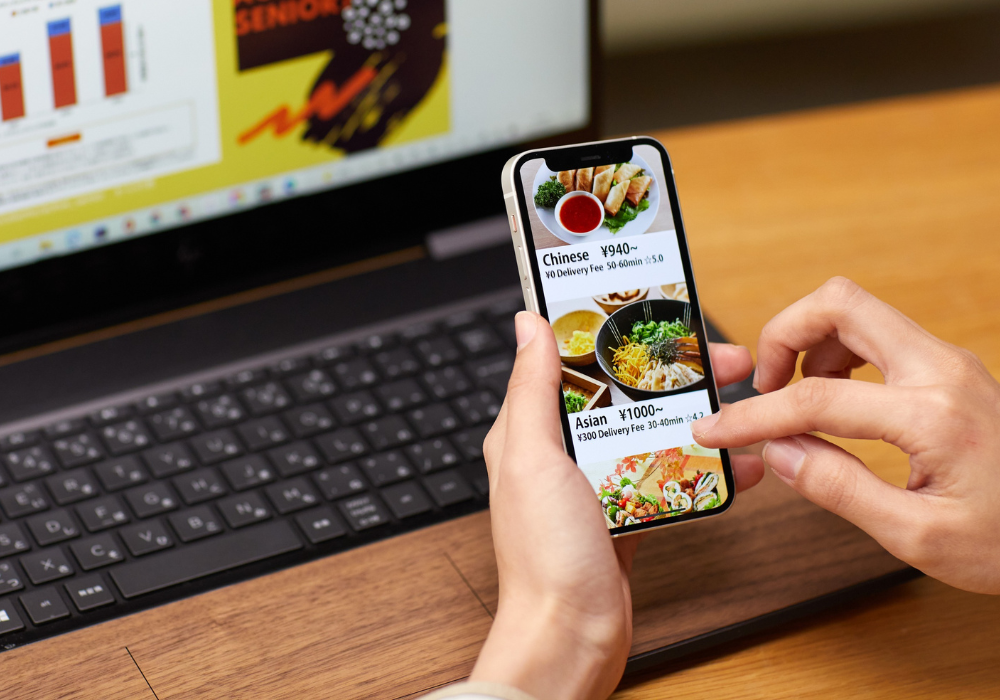
Food delivery apps often suggest a tip before your order even arrives. The amounts are preset and sometimes higher than expected.
This shifts the timing of the decision. You are tipping in advance, without knowing how the service will turn out.
Many people still tip generously for delivery drivers. At the same time, the structure can make the process feel more like an obligation than a choice.
8. Ride services continue to nudge for tips
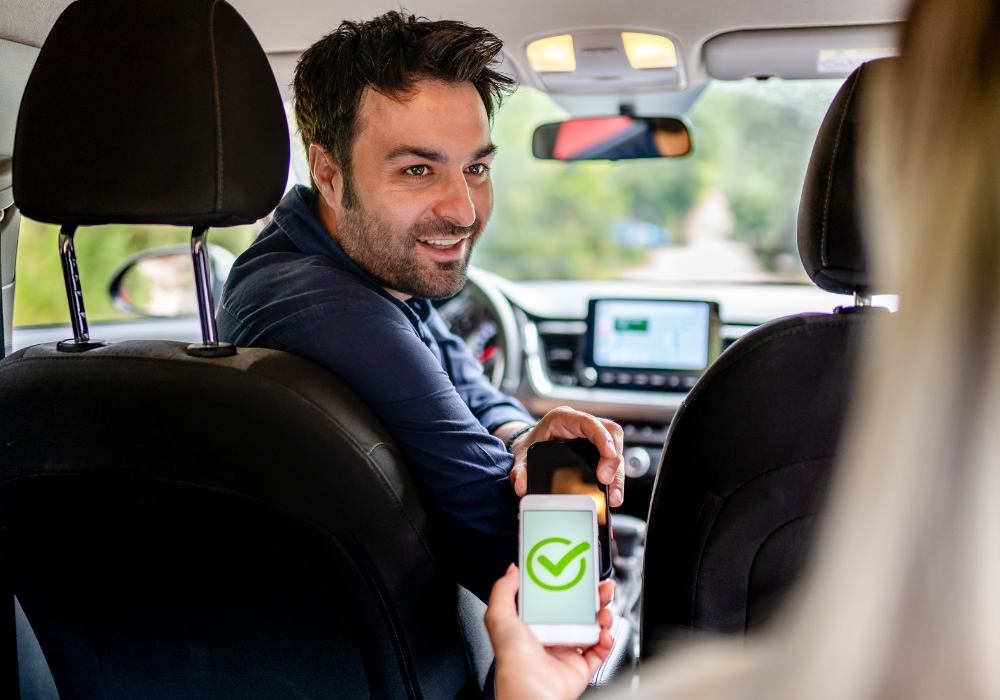
Rideshare apps make tipping easy, but they also remind you repeatedly after the ride ends. Notifications can linger until you respond.
This creates a subtle pressure to act. It is convenient, but also persistent.
Over time, these reminders shape behavior. Tipping becomes part of the routine, even if it was not something you thought about much before.
9. Home services are becoming less clear
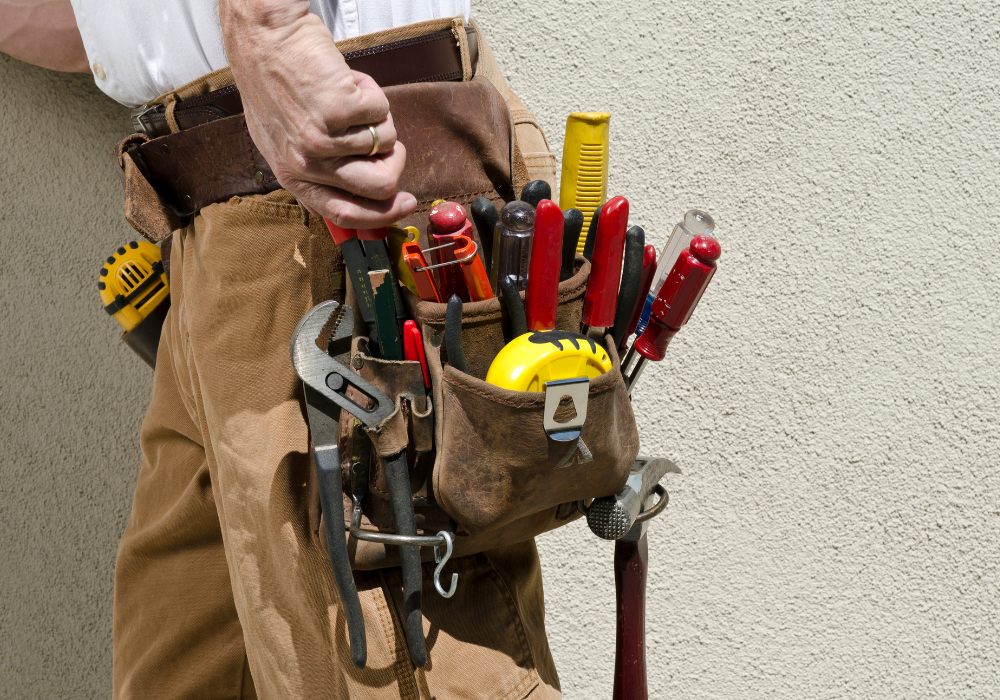
Services like cleaning, maintenance, or repair visits sometimes include tipping suggestions or expectations that are not always obvious.
Traditionally, these services were priced to include labor. Now, some customers feel unsure if an extra tip is expected.
That uncertainty can make the experience feel awkward. Without clear norms, people are left guessing what is appropriate.
10. Subscription and service platforms are testing tips
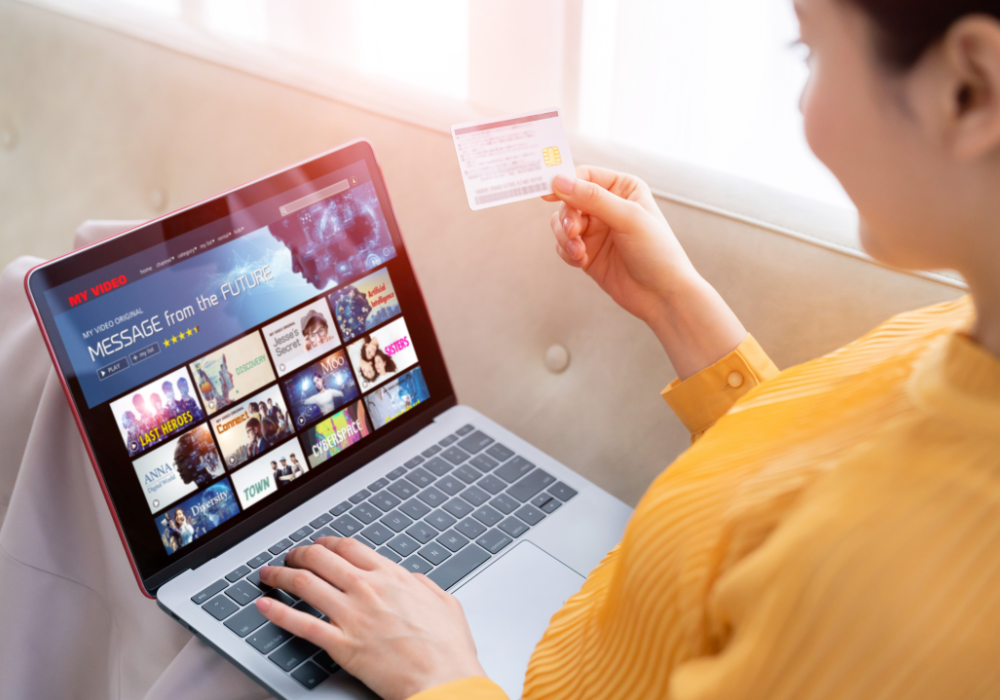
Some digital platforms and service-based apps are experimenting with tipping features. These can appear after a service is completed or even during checkout.
This expands tipping into spaces that were once strictly transactional. It changes how people think about paying for services.
As these features become more common, expectations may continue to shift. For now, many users are still figuring out how they feel about it.
11. It all adds up faster than you think

Each individual tip might seem small, but over time they add up. A dollar here and a few dollars there can quickly become a noticeable expense.
This is why more people are paying attention. The frequency of tipping requests has increased, not just the amounts.
Understanding where and why you are being asked to tip can help you make more intentional choices. In the end, it is about deciding what feels right for you.