
Act quickly to keep your family and pets safe.
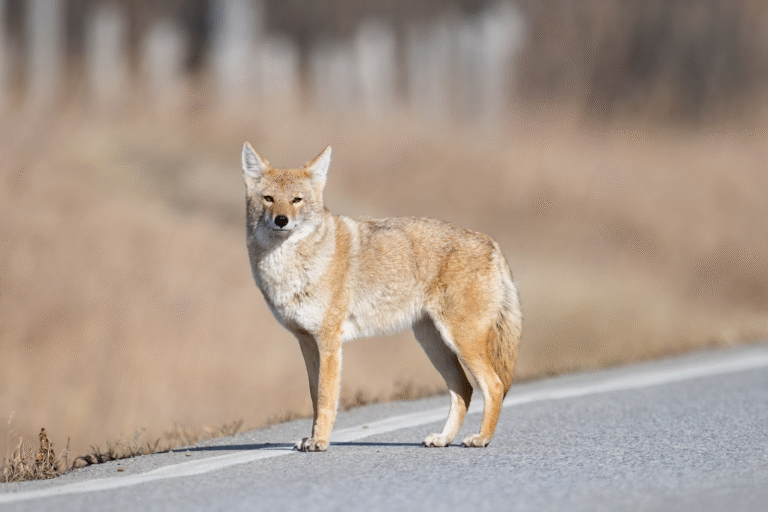
Seeing a coyote stand its ground on your property triggers a primal alarm in your brain that is hard to ignore. These clever adapters are usually shy, but they are becoming far too comfortable in our neighborhoods. You need to know how to reclaim your space without causing unnecessary harm.
Taking the right steps immediately ensures the animal leaves and learns not to come back. A calm but firm response makes all the difference for your safety.
1. Make yourself appear much larger than you are.

Coyotes are smart predators that quickly calculate risk before acting. You need to disrupt their assessment by expanding your physical presence immediately. Raise your arms high above your head or open your jacket wide to create a massive silhouette. This visual trick makes you look like a formidable threat rather than easy prey and changes the power dynamic instantly.
Never crouch down or curl up because that signals weakness. Standing tall commands respect and tells the animal you are in charge here. Even if you are scared, projecting physical dominance is the surest way to make them retreat.
2. Make as much noise as you possibly can.

Silence is your enemy during a wildlife encounter because it suggests you are passive. You need to be loud and aggressive to startle the animal into leaving. Yell firmly, clap your hands, or bang pots together if you have them nearby. The sudden eruption of sound is usually enough to break their confidence and send them running.
This strategy is called hazing and helps maintain their natural fear of humans. If you stay quiet, they might get curious and come closer. Keep up the racket until they have completely cleared the area and moved on.
3. Do not turn your back or run away.

Your instinct might scream at you to sprint for the door, but that is a dangerous mistake. Running triggers a chase response in predators that is hard for them to resist. You must fight that urge and stand your ground to show you are not a victim. Facing them keeps you in control of the interaction.
Back away slowly while keeping your eyes on the animal if you need to move. Turning around leaves you vulnerable and invites them to investigate closer. A controlled retreat proves you are aware and ready to defend yourself if needed.
4. Pick up small children or pets immediately.

Toddlers and small dogs look like prey to a coyote scouting for a meal. You should scoop them up instantly to remove that temptation from ground level. This action consolidates your group and makes everyone look like one larger, intimidating unit. It also stops your pet from barking or lunging, which could provoke a defensive fight.
Holding them close prevents a panicked dash that could lead to a tragedy. Once they are safe in your arms, you can focus on scaring the intruder. This simple step drastically reduces the danger for the smallest members of your family.
5. Throw small objects in the animal’s direction.
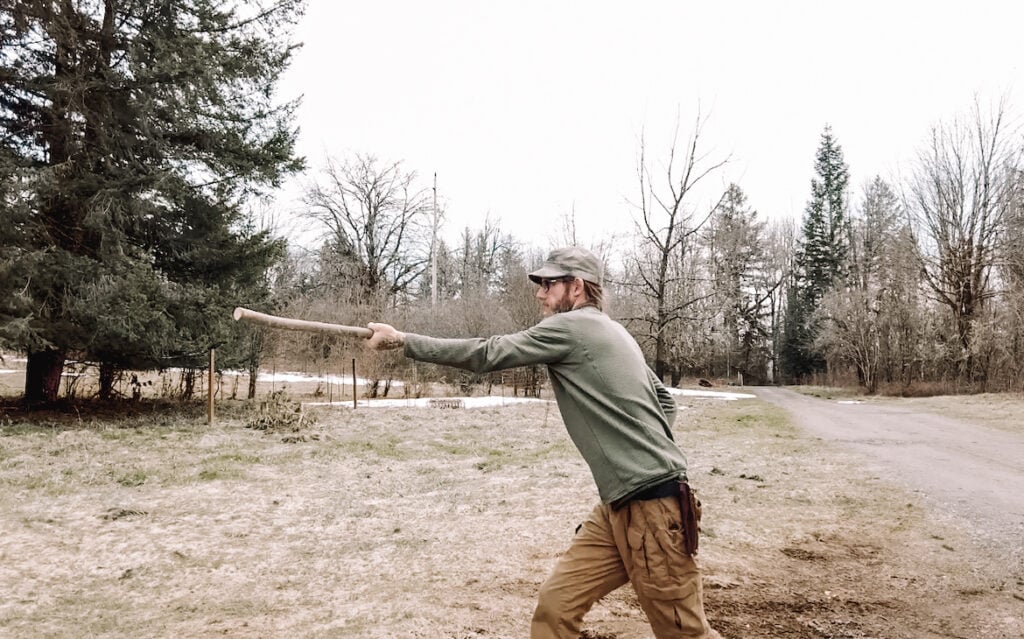
If the coyote is stubborn and refuses to leave, you need to escalate your warning. Grab nearby items like sticks, rocks, or tennis balls and toss them toward the animal. You do not need to hit them to be effective, but you must show you can reach them from a distance to assert dominance.
This physical interaction creates a hostile environment they will want to avoid. Aim near their feet to startle them with the impact. It reinforces the message that your yard is not a safe place to loiter and that you will defend it.
6. Spray the animal with a water
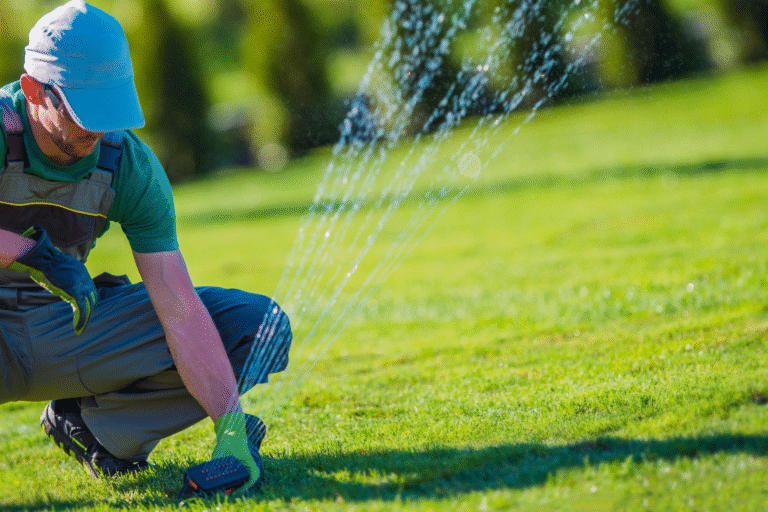
Water is an excellent deterrent because it is shocking but completely harmless. If a hose is within reach, spray a stream directly at the intruder. The cold sensation and the hissing noise of the water usually send them running instantly. It provides a way to touch them physically without getting too close to danger.
Consider using motion-activated sprinklers if this happens often. These devices work even when you are not home to guard the perimeter. Creating a negative association with your lawn teaches them to stick to the woods and leave your property alone.
7. Maintain eye contact without staring aggressively.
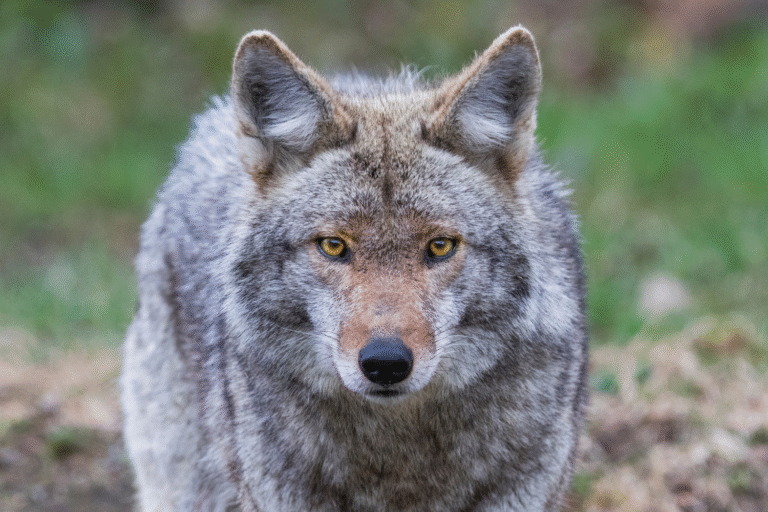
You want to let the animal know you see it without issuing a direct challenge for a fight. Look at the coyote to communicate awareness and confidence. This prevents it from feeling invisible or sneaking closer to investigate. A steady gaze tells them you are alert and watching their every move.
Avoid locking eyes intensely if the animal seems cornered or defensive. A softer focus allows you to track them while avoiding an escalation. Most coyotes just want an easy path and will leave if they know they have been spotted by a human.
8. Remove any immediate food sources.
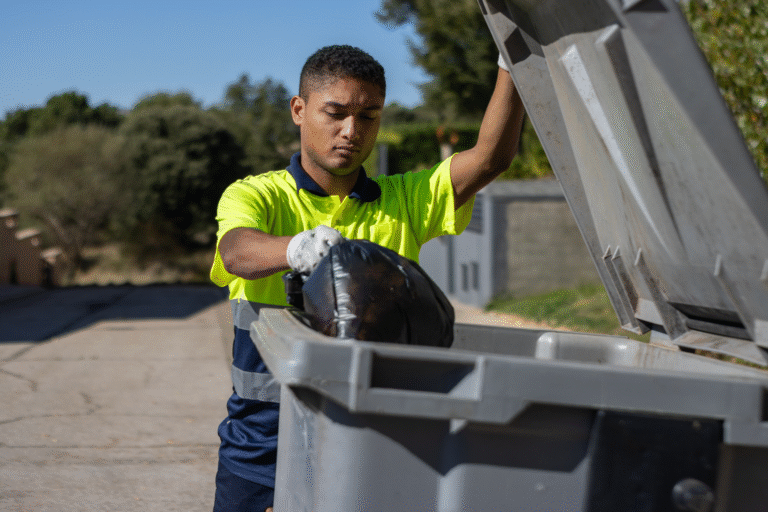
Hunger is the main reason these animals venture into suburban yards. You need to scan your property for anything edible like pet food, fallen fruit, or unsecured trash. Even the smell of a dirty grill can pull them in from miles away. Removing the buffet is the best way to stop them from returning.
Bring pet bowls inside and secure your garbage bins with tight lids. If you feed birds, keep the ground clean to avoid attracting rodents that coyotes hunt. Making your yard food-free makes it boring and not worth the risk.
9. Check your yard for potential hiding spots.

Coyotes love overgrown areas where they can rest or stalk unseen. Take a walk around your home and look for dense bushes or open spaces under decks. These spots offer shelter that makes them feel comfortable staying near your house. You want to eliminate these cozy nooks to keep them moving along.
Trim back heavy vegetation to open up sightlines across the yard. Board up access to crawl spaces so they cannot den under your porch. A clear and exposed yard feels unsafe to a predator and encourages them to find cover elsewhere.
10. Inspect your fences for gaps or dig holes.

A fence is only useful if it is secure, and coyotes are experts at finding weak points. Walk the perimeter to check for loose boards or holes dug underneath the barrier. They can squeeze through small openings if they smell something interesting on the other side. You must act to close these gaps.
You might need to bury wire mesh at the base to stop them from digging under. Coyote rollers on top can prevent them from jumping over. Reinforcing your defenses forces them to work too hard to get in, which usually convinces them to give up.
11. Report aggressive behavior to animal control.
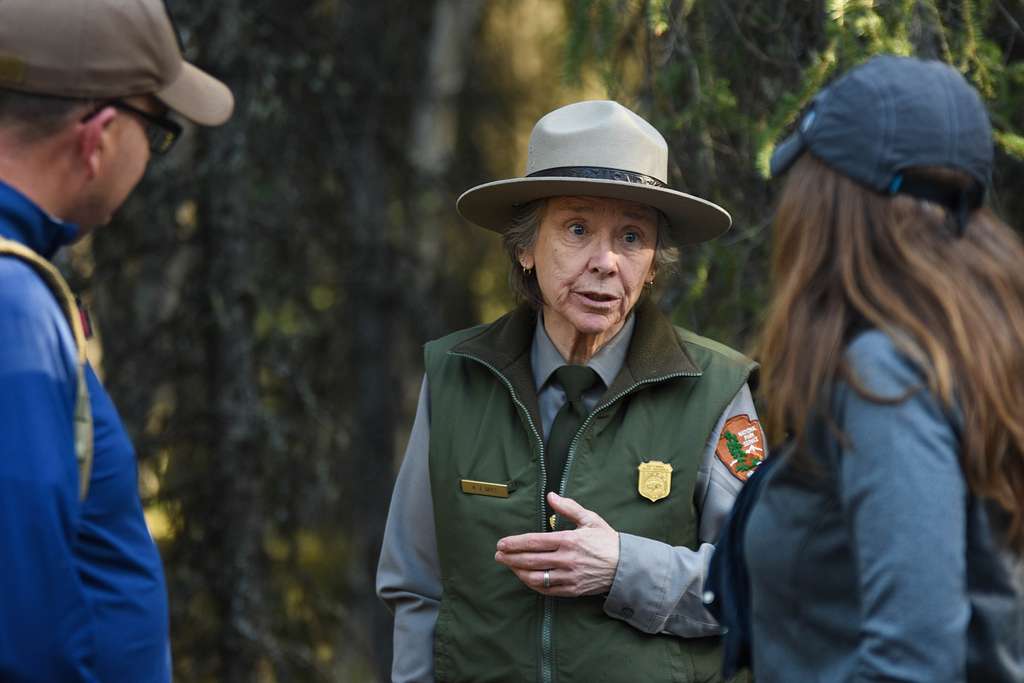
Most encounters end quickly, but you must recognize when an animal is acting strangely. If the coyote growls, stalks you, or looks sick, you are dealing with a bigger problem. Aggression toward humans is not normal and requires professional intervention. Do not try to manage a sick animal on your own.
Call your local wildlife officials to report the time and location of the incident. Your information helps them track dangerous behavior patterns in the area. Experts can decide if the animal needs to be removed to protect the neighborhood from potential harm.