
Many once-standard chores helped Baby Boomers build practical discipline and patience at home

Household chores were more than routine for many Baby Boomers—they were early lessons in responsibility, follow-through, and attention to detail. From ironing shirts to raking leaves, these domestic tasks demanded consistency and personal investment. For Gen Z, technology and shifting family dynamics have changed how these lessons are passed down. Understanding how traditional chores shaped work habits can help bridge generational perspectives on accountability, effort, and practical life skills.
1. Ironing clothes regularly instead of relying on wrinkle-release sprays.
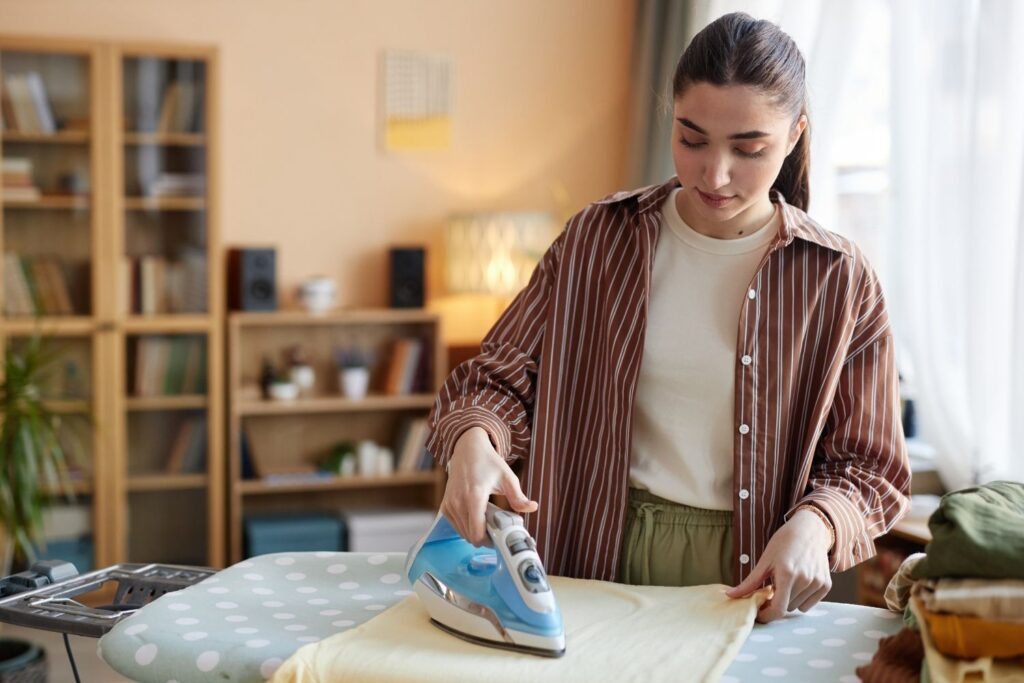
A hot iron and stiff ironing board once sat near many Baby Boomer laundry piles. Clothes were pressed, creases were aligned, and each shirt took time and attention. Wrinkle-release sprays may be convenient, but they skip the hands-on practice that reinforced patience and follow-through.
When pressing a cotton blouse or lining up the pleat in wool trousers, the expectation was care—not shortcuts. That repetition taught consistency, even if the task stretched longer than expected. For someone raised this way, a crisp collar could reflect how they approached a long-term project later on.
2. Washing dishes by hand after every meal without a dishwasher.

Before dishwashers became a fixture, washing plates by hand marked the close of every meal. Sinks filled with murky water and the scent of lemon soap, and each piece clinked softly as someone rinsed and stacked. It was a built-in rhythm of responsibility.
The routine demanded teamwork or individual focus—and few got excused. Drying glasses with a cotton cloth or scrubbing dried pasta meant engagement with the consequences of mess. Skipping the task wasn’t an option, so punctuality, follow-through, and respect for shared space quietly took root after dinner.
3. Mowing the lawn weekly with a manual push mower.

Manual push mowers don’t roar like gas-powered ones; they hum and chatter with effort. Moving one across a patchy suburban lawn required strength, rhythm, and patience—especially when the blades jammed on a twig. For Boomers, yard work doubled as exercise and grounding.
Unlike battery-powered models that glide smoothly, these old mowers gave feedback through resistance and sound. That uphill sensation—both literal and figurative—often translated to persistence in the workplace later. For some, pushing through tall grass felt similar to staying up late to finish a report.
4. Hanging laundry to dry outside instead of using a dryer.

Laundry lines once stretched across backyards like soft scaffolding, with shirts flapping and clothespins clacking in the breeze. Dryers weren’t always an option, especially before evening when a new rain might strike. Hanging each item took attention—and a weather eye.
Aside from energy savings, this task tethered people to the outdoors and helped build patience. A sagging towel or crooked sheet needed adjusting mid-dry. Facing the elements, understanding timing, and working around the sun’s schedule created subtle lessons in anticipating problems without instant fixes.
5. Polishing shoes before school or work events as a routine task.

Before events, polished shoes weren’t optional. A dab of petroleum jelly, a horsehair brush, and a cloth in hand, Boomers knelt near the door buffing gently until the leather gleamed. It wasn’t glamour—it was expected readiness.
A scuffed heel or dull toe suggested carelessness in appearances and planning. Learning to prep the small details—even something as simple as footwear—meant showing respect for the moment. That small habit often echoed later during report edits, meeting prep, or job interviews.
6. Sweeping floors daily instead of using robotic vacuums.

Daily sweeping wasn’t simply about clean corners—it followed muddy boots, pet shedding, or crumbs from toast near the couch. A broom and dustpan sat in the corner of the kitchen or back hall, handled without comment each evening.
Robotic vacuums now glide under cabinets on timers, but they don’t teach spatial awareness or routine attention. Regular sweeping trained the eye to scan for mess without prompting. Catching out-of-place debris before it spread mirrored future behaviors like monitoring deadlines before they pile up.
7. Sorting and folding laundry by family member without mixing items.
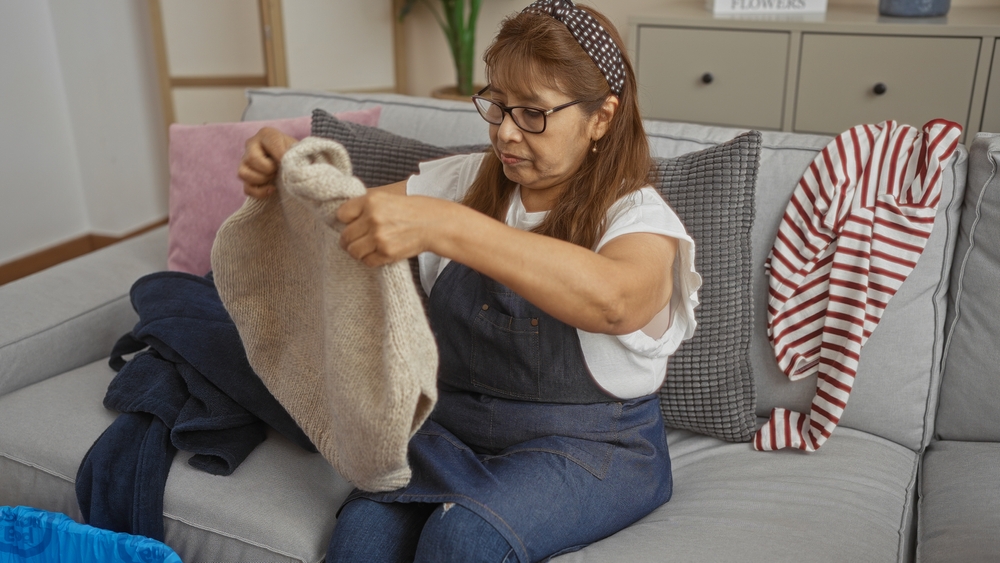
Sorting laundry wasn’t just about colors and whites—it meant understanding ownership and order. Towels went in one pile, James’s socks in another, and Mom’s blouses folded with care. Mixing them up earned a disapproving glance or a do-over.
Today’s households may be looser in personalization, but the older process taught sensitivity to others’ property and boundaries. Doing one’s part correctly—without shortcuts—nurtured accountability in shared spaces. It mirrored professional settings where attention to detail and respecting roles keep a system running smoothly.
8. Cleaning windows inside and out without hiring a service.

Cleaning windows meant hauling out a stepladder, soapy water, and rolled newspaper. Removing smudges inside and streaks outside took elbow grease and clear weather. Many Boomers spent a Saturday morning wiping glass until light came through clean.
Professional services may handle this now, but the tactile act once linked effort with visible change. Seeing fingerprints disappear mirrored the satisfaction of solving a problem through persistence. The task pushed people to tackle uncomfortable or tedious parts of upkeep—skills later useful in long-term planning or team projects.
9. Raking leaves and bagging them for pickup by hand.
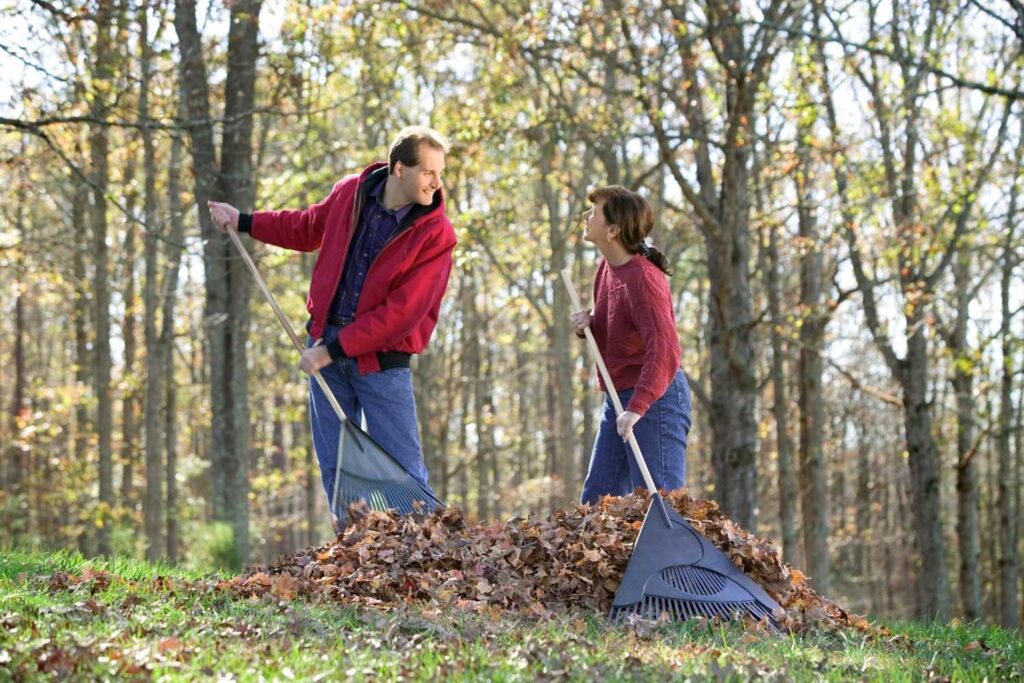
Fallen leaves rarely vanished on their own. With a metal rake in hand, Boomers carved neat piles from crunchy scatter after every gust. Thick gloves and paper bags came next, with the satisfying rustle of cleanup in progress.
Gas-powered blowers now do the bulk of the work quickly, but the original task trained physical endurance and steady pacing. Raking wasn’t just repetitive; it timed with the season’s shift. Learning to adjust to nature’s pace and do one’s share—even on chilly days—reflected reliable follow-through in every setting.