
Classic habits like morning walks and family dinners quietly support the brain’s long-term resilience

Many daily routines that Baby Boomers embraced decades ago are now backed by solid brain science. From waking early to maintaining regular mealtimes, these habits encourage cognitive health through structure, social connection, and gentle physical activity. While they may seem old-fashioned, their lasting value lies in how they reduce mental clutter and build mental flexibility. Today, experts recognize that steady, mindful patterns can help protect the brain as it ages.
1. Waking up early to start the day with quiet focus.

Early-morning wakeups align with natural circadian rhythms, which guide alertness and energy levels throughout the day. Brain scans show that cognition peaks earlier for older adults, making earlier starts better timed for focus-intensive tasks like planning.
In homes where the coffee percolator burbled before sunrise, early quiet moments offered a pause before busier hours took over. That mental stillness supports focus and lowers cortisol levels, giving the brain space to transition smoothly from rest to action without a jolt of stress.
2. Eating a hearty breakfast before heading into daily responsibilities.

A full breakfast with protein, fiber, and complex carbs fuels the brain in both immediate and lasting ways. Glucose from whole foods helps support memory consolidation and attention, especially in the first part of the day.
In many kitchens, a plate of scrambled eggs or a bowl of oats set the tone. People could ease into thinking clearly without jittery spikes or hunger dips, and that rhythmic nourishment helps stabilize mood and cognitive stamina into the afternoon.
3. Taking regular walks to get fresh air and mental clarity.

Walking improves blood circulation, which delivers steady oxygen and nutrients to brain tissue. Repeated studies link regular walking to greater hippocampal volume, especially important for memory maintenance in aging brains.
Many Boomers strolled their neighborhoods without realizing the cognitive layer that came with each block. Movement at a natural pace, coupled with sensory input like breeze or birdsong, interrupts mental overactivity and gently resets attention spans without requiring focused effort.
4. Reading the newspaper each morning to stay mentally active.
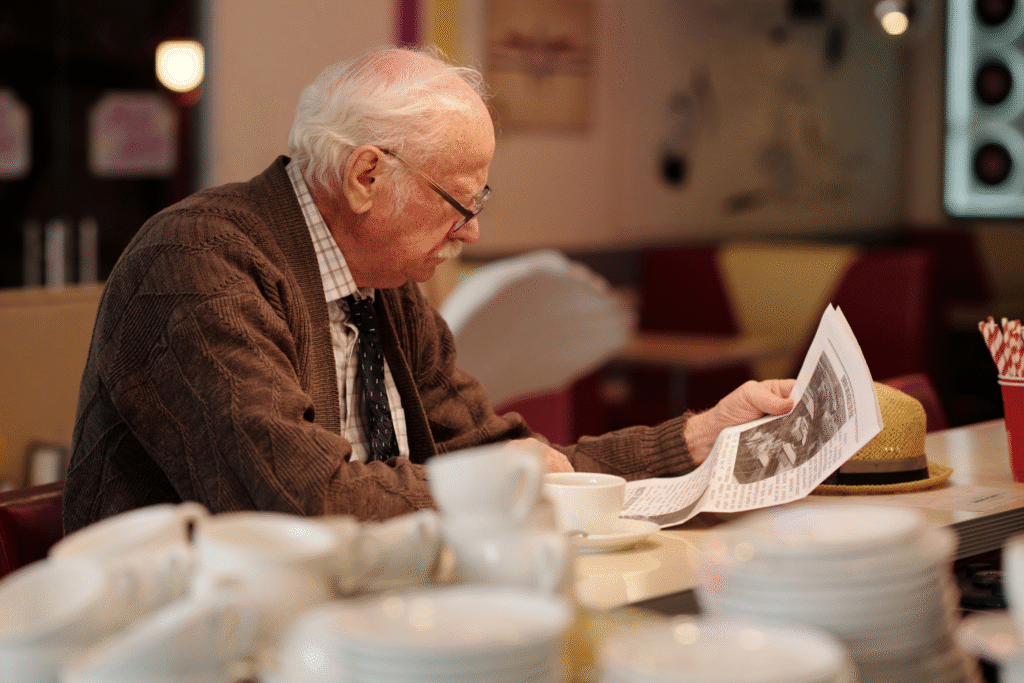
Reading a physical newspaper builds a daily habit of sustained attention and information processing. Unlike scrolling, print reading engages different parts of the brain that support memory and comprehension.
Spreading open a broadsheet engages more of the visual field and cues tactile memory. The mix of stories—global news beside the local weather—invites mental switching without rushing, reinforcing an active and flexible cognitive style over time.
5. Maintaining a consistent bedtime to support restful sleep.

The brain clears metabolic waste during sleep, and that process works best on a steady sleep-wake cycle. Going to bed around the same time each night strengthens sleep architecture and deep-stage quality.
For many Boomers, bedtime followed a familiar ritual—turning off the television, brushing teeth, then settling into a cool, quiet room. That regularity helps anchor internal clocks, lowering risk for cognitive disruption from inconsistent sleep patterns or late-night stimulus overload.
6. Making time for hobby projects that require hands-on focus.

Hands-on hobbies like woodworking or knitting activate regions tied to sensory coordination and sustained focus. Brain imaging shows that engaging in tactile projects supports working memory and emotional regulation.
Toolboxes and sewing kits weren’t just leisure, they were anchors for presence. Concentrating on each stitch or measurement offers the same mental benefits as some forms of meditation, keeping neural pathways strong through repetition with purpose.
7. Writing lists to stay organized and reduce decision fatigue.

List-making eases cognitive load by transferring future tasks from memory to record. This externalization frees up mental space and strengthens recall by creating a roadmap the brain revisits.
Scribbled lists stuck to refrigerator doors gave Boomers structure without mental clutter. Writing and reviewing simple bullet points requires planning effort, which in turn supports executive function—the set of skills that help manage time, attention, and decision-making.
8. Sitting down for family meals without digital distractions.

Gathering at the family table fosters emotional bonding and buffers stress, which supports healthier brain aging. Shared meals also give structure to the day and reduce chaotic, fragmented eating patterns linked to mood and concentration issues.
A plate passed across a Formica table did more than nourish the body. That undistracted social contact keeps verbal fluency strong and reinforces interpersonal cues like empathy and timing, both of which protect against isolation-related cognitive decline.
9. Tending to household chores as a built-in form of movement.

Chores like sweeping, raking, or folding laundry qualify as low-intensity movement, which supports brain plasticity through steady cardiovascular support. Consistent movement helps regulate mood by increasing blood flow and reducing stress-related inflammation.
Boomers often folded bedsheets or mopped floors without calling it exercise. Those repeated physical routines act as grounding tasks that turn idle time into mind-body alignment, energizing the brain without overstimulation or pressure to perform.