
Generational tastes shift as classic Southern comfort dishes fade from younger potluck tables.

From deviled eggs to baked macaroni and cheese, traditional Southern potluck dishes have long anchored family gatherings, especially for Baby Boomers who learned these recipes by heart. But as Gen Z brings different values and flavor preferences to the table, many of these comfort foods now make fewer appearances at communal meals. Understanding why some dishes persist while others fade sheds light on how food traditions evolve, one potluck at a time.
1. Classic deviled eggs with a sprinkle of paprika on top.

Deviled eggs follow a simple logic: hard-boiled yolks mashed with mayonnaise and mustard, then piped back into halved whites. The paprika dusting on top is more tradition than seasoning, a visual signal that someone’s aunt brought the good batch.
Many Boomers learned to make them without a recipe, from trays balanced on church tables or covered in plastic wrap at family reunions. For some younger guests, though, even the word ‘deviled’ sounds dated, and the dish has quietly slipped from the potluck spread.
2. Slow-baked macaroni and cheese with a crispy breadcrumb crust.
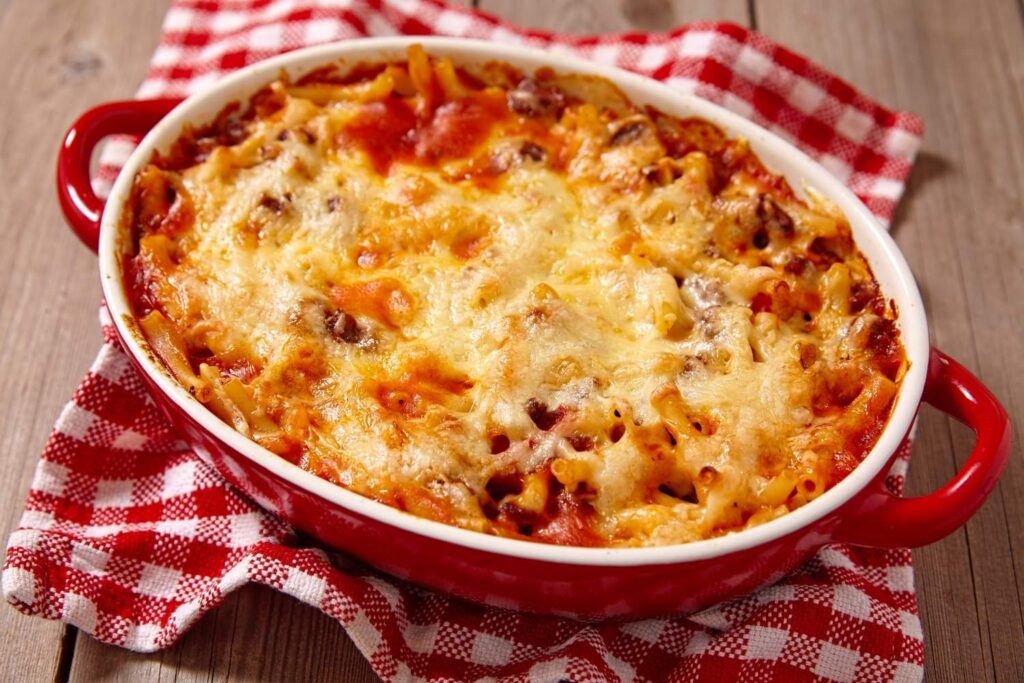
Slow-baked macaroni and cheese relies on custard-style thickening—milk, egg, and cheddar that bind in the oven over time. A golden topping of buttered breadcrumbs signals it’s the baked kind, not stove-top or boxed.
While Gen Z eats plenty of mac and cheese, the baked version reads more like a supper club side than a comfort staple. Convenience and dietary tweaks, like dairy-free swaps, push the original further from weeknight tables.
3. Tangy three-bean salad dressed in sweet vinegar glaze.
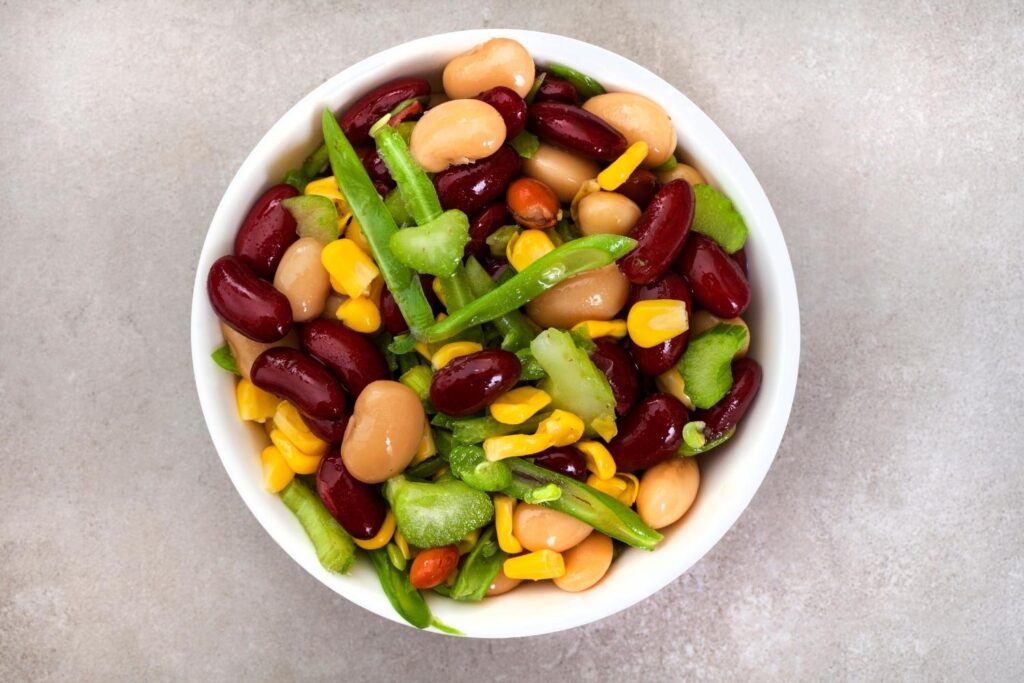
A three-bean salad begins with canned green, wax, and kidney beans, stirred with sliced onions and dressed in sweet-sour brine. The result chills in a glass bowl, colors layered like a summer picnic flag.
The dish once appeared at every backyard spread, often from a relative who ‘didn’t cook.’ Today’s younger hosts may lean toward fresh grains or roasted vegetable salads, leaving this tangy trio mostly untouched unless someone revives it for nostalgia.
4. Creamy ambrosia salad with coconut, marshmallows, and fruit.
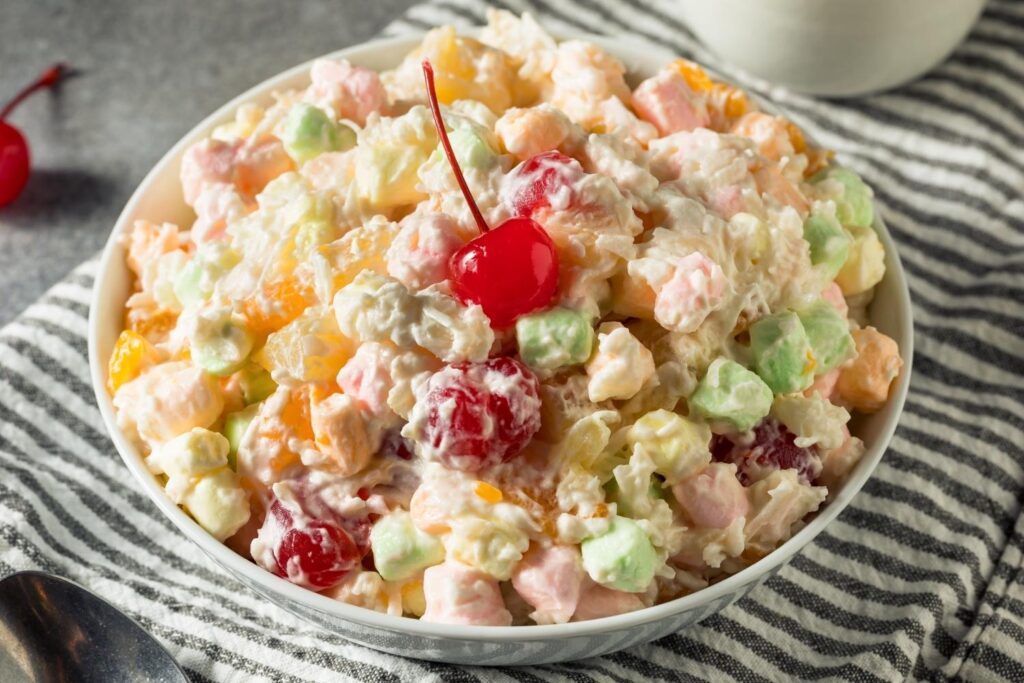
Ambrosia lands somewhere between side and dessert, suspended in whipped topping with mandarin oranges, crushed pineapple, mini marshmallows, and flaked coconut. Served cold, it clings to plastic bowls with a dreamy pastel glow.
Once prized for its festive look and easy prep, it’s now a curiosity for those raised without Cool Whip as a pantry essential. Texture plays a role—in a world of chia puddings and fruit bowls, ambrosia’s sweetness and squish feel unfamiliar.
5. Buttermilk cornbread baked in a cast iron skillet.

Buttermilk cornbread takes shape in a cast iron skillet, where hot fat sears its base into a tawny crust. The crumb stays tender but firm, built less on sugar and more on stone-ground grit.
To older Southerners, it’s essential alongside beans or greens. Younger cooks may lean toward sweeter, box-style cornbread muffins or skip it altogether for tortillas or sourdough. Some even pass on cornbread entirely, calling it dry or dense before trying the skillet kind.
6. Pineapple-cheddar casserole that blends sweet and savory flavors.

Sweet crushed pineapple and sharp cheddar cheese blend under a cracker topping in a casserole that surprises first-timers. The salty, sweet, and warm layers don’t match modern expectations—but they work.
A regional specialty with roots in community cookbooks, it can puzzle guests unfamiliar with warm fruit-honoring traditions. Gen Z, taught to separate savory from dessert, may pass it by in favor of more straightforward pairings—or simply pause at the name.
7. Cold pea salad with bacon, onion, and shredded cheese.
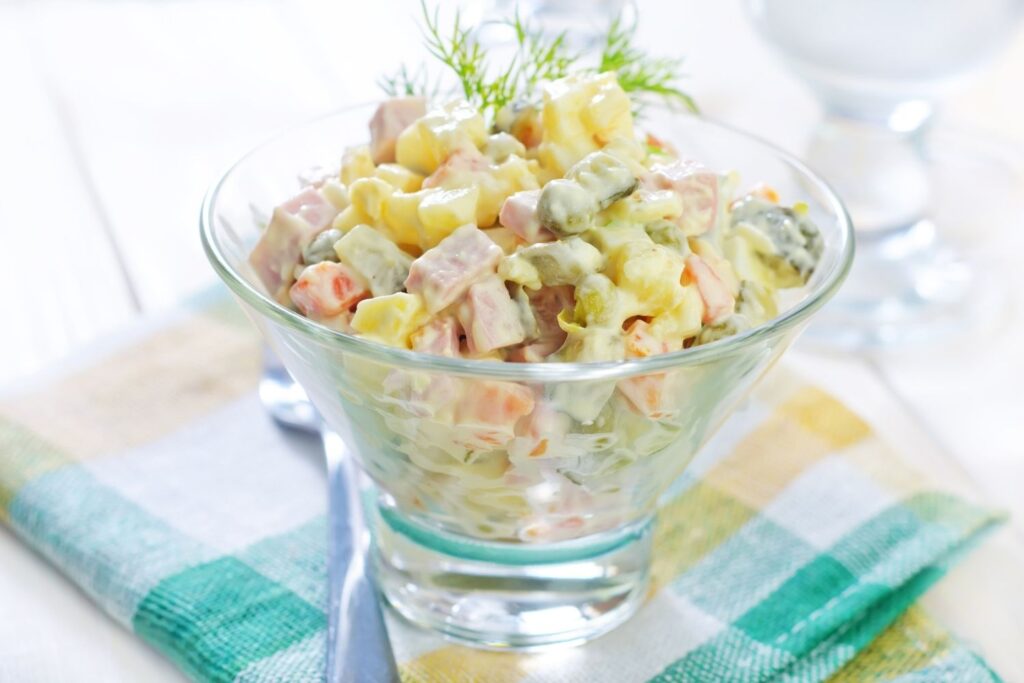
Cold pea salad combines crisp peas—often still slightly icy—with mayonnaise, shredded cheddar, diced onion, and bacon crumbles. It’s a dish built on contrast: creamy dressing with crunchy pops.
For Baby Boomers, it’s a refreshing counterpoint to heavy meat mains, tossed together from pantry leftovers or freezer bags. Many younger eaters who prize fresh vegetables and lighter dressings find it out of sync with updated sensibilities, or simply miss it entirely unless introduced by family.
8. Banana pudding layered with wafers and whipped topping.

Banana pudding gets its layers from vanilla wafers, sliced bananas, and whip-topped custard—sometimes real meringue, sometimes instant mix. Served chilled in a glass dish, it spoons like soft cake.
In households where it was always made from scratch, it represented care and celebration. Yet processed versions and changing dessert habits have nudged it out of focus. Gen Z may favor single-serve treats or fruit-forward alternatives, leaving banana pudding to linger mostly in memory.
9. Chicken and rice casserole with condensed soup and herbs.

In chicken and rice casseroles, condensed soup melts into a gravy that binds parboiled rice with shredded chicken and green herbs. Baked until bubbly, it forms a soft, savory middle with crisp corners.
Seen often at church suppers or funerals, the dish comforts through its simplicity and yield. Today’s younger adults may steer away from canned soup bases or find the texture too uniform, preferring layered flavors or grain bowls that demand a different type of prep.