
These once-popular snacks and treats highlight how nostalgia and privilege often snacked side by side

Food can be a time machine, and for some, that trip back includes glossy wrappers and niche grocery finds that never made it into everyday pantries. Discontinued snacks tied to wealthier childhoods tell stories beyond sugar and salt—they reflect branding strategies, access to specialty retailers, and the buying habits of households with disposable income. Though off shelves now, these foods linger in memory as edible status symbols wrapped in foil, plastic, or neon-colored dye.
1. Oreo O’s cereal that made breakfast feel like dessert every morning.
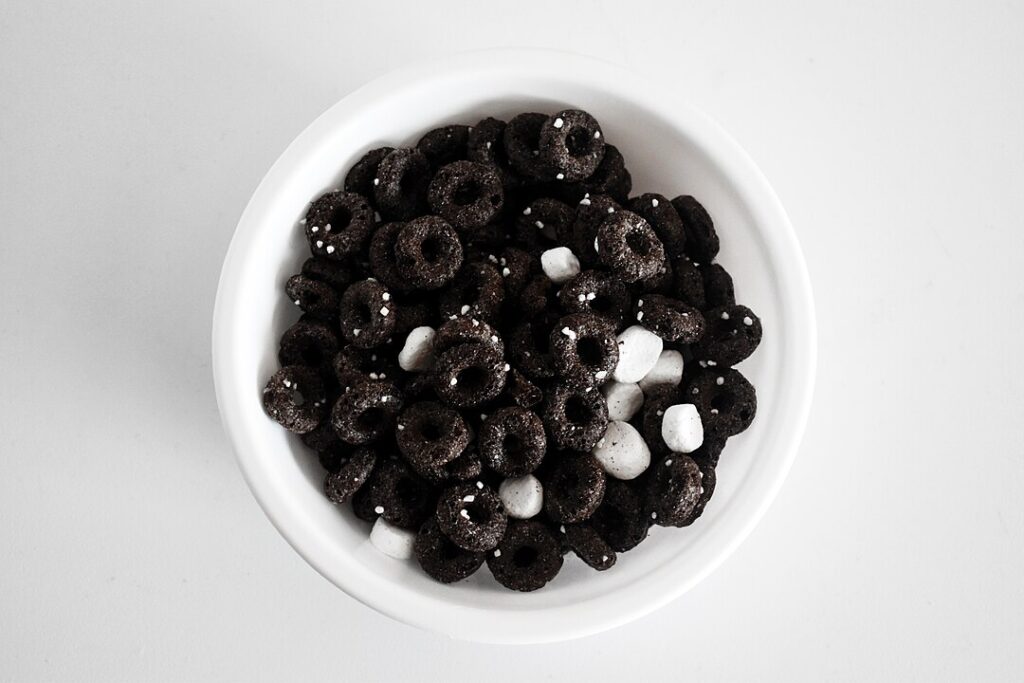
Oreo O’s launched with a flavor profile that blurred the line between breakfast and dessert, combining chocolatey cereal loops with cream-flavored sugar dust. For many kids, cracking open a box meant permission to eat cookies at 7 a.m.—sanctioned indulgence boxed in foil.
In upscale kitchens with cereal organizers and glass milk pitchers, Oreo O’s signaled comfort with sugar-forward branding. Limited distribution and cost kept it off many pantry shelves, but in certain households, it was a staple as familiar as orange juice or sliced melon on weekdays.
2. Kudos granola bars that felt like candy in your lunchbox.
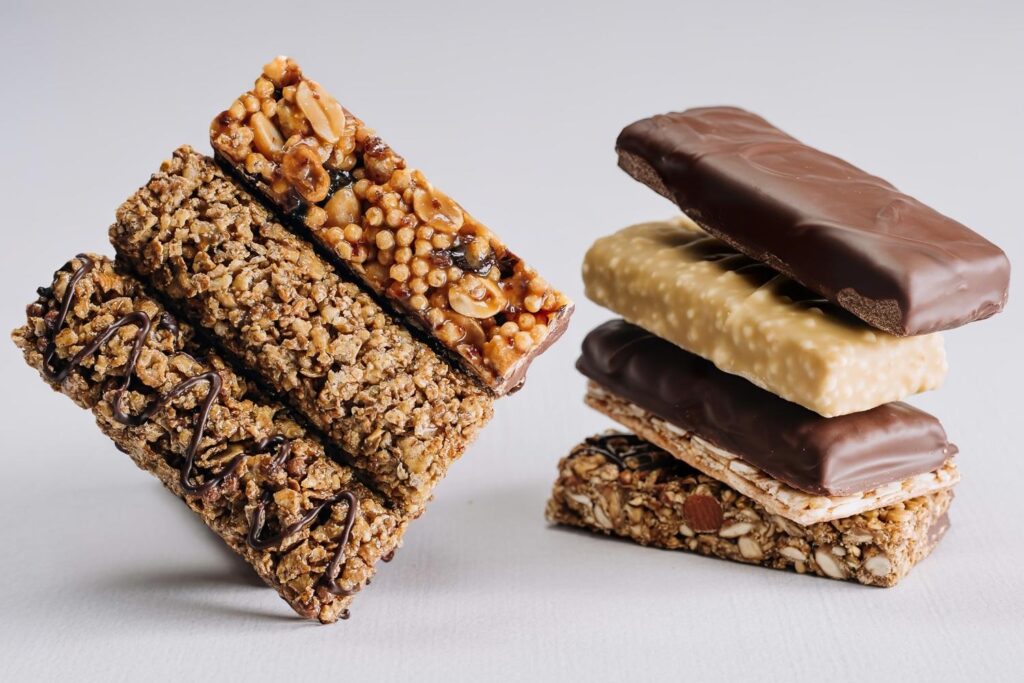
Kudos bars arrived in the ’80s with a shiny wrapper and a pitch that blended health claims with candy bar flavors. Coated in milk chocolate and studded with M&M’s or Snickers bits, they sat neatly between dessert and disguise.
In affluent school cafeterias, a Kudos bar often accompanied branded thermoses and fruit cut into cubes. More than a snack, it became a marker of foresight—something a parent chose to include, not just throw in. Its disappearance tilted lunchboxes back toward the ordinary granola bars it once outshone.
3. Squeezit drinks in wild colors that made hydration an event.

Squeezit turned fruit-flavored drink into performance with its accordion-shaped plastic bottle that kids could twist and squeeze mid-sip. Often bright neon—electric blue, lime green—it blended novelty with nostalgia before vanishing from shelves.
Households with built-in basement fridges or mini snack pantries often stocked multi-packs, aligning hydration with convenience and flair. On car rides or pool deck breaks, the drink added a sense of agency; you didn’t just gulp, you squeezed—and that tactile joy tended to cost a bit more.
4. PB Crisps with a sweet crunch kids begged parents to stockpile.

PB Crisps landed with a shell that crunched like a cookie but cracked open to reveal thick peanut butter filling. Part candy, part cereal, part misfit, they came in a resealable pouch that rarely made it beyond two sittings.
Often spotted in homes where pantry baskets were sorted by snack category, PB Crisps filled a niche that plain peanuts or crackers couldn’t—mouth-coating richness packaged with humor. Their sudden discontinuation left gaps in both memory and the snack aisle, especially among those who had the means to rebuy.
5. Butterfinger BB’s that disappeared faster than you could reach for more.
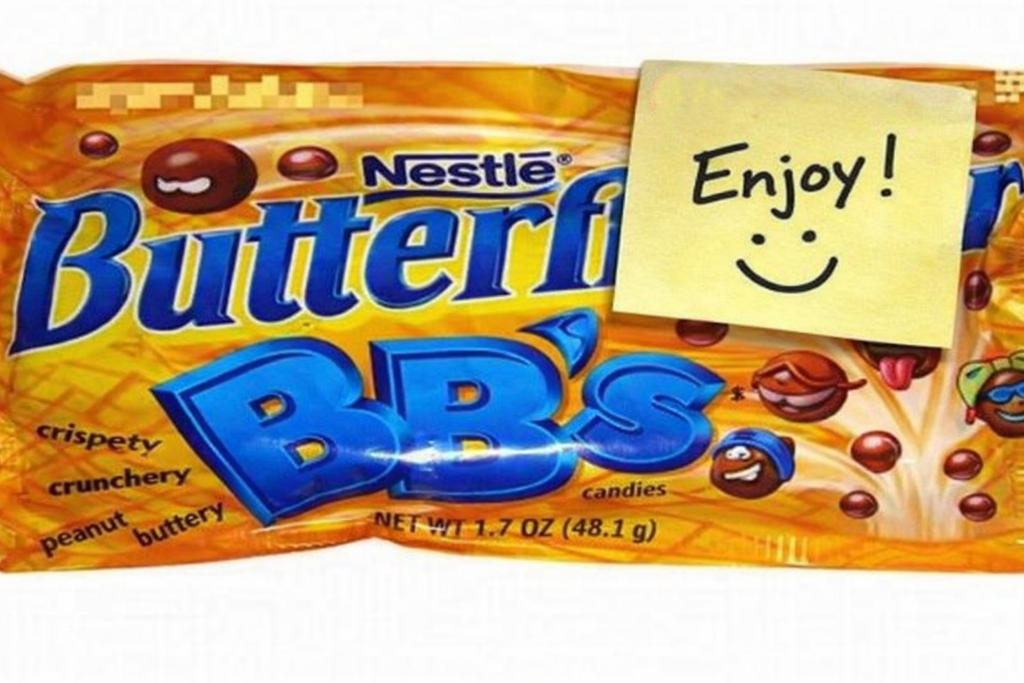
Butterfinger BB’s were miniature, marble-sized versions of the original bar—hard to resist and harder to stop eating. Each bite packed the same flaky crunch but without the mess, which turned the candy into an anytime option rather than a dessert-only treat.
Found in glove boxes and private after-school nooks, BB’s lent themselves to stealthy snacking and generous handfuls. Affluent households favored them for birthday party bowls and movie-night trays, where their bite-sized packaging matched the curated settings and quick consumption meant they vanished fast.
6. Tan M&M’s you traded before the blue ones took their spot.
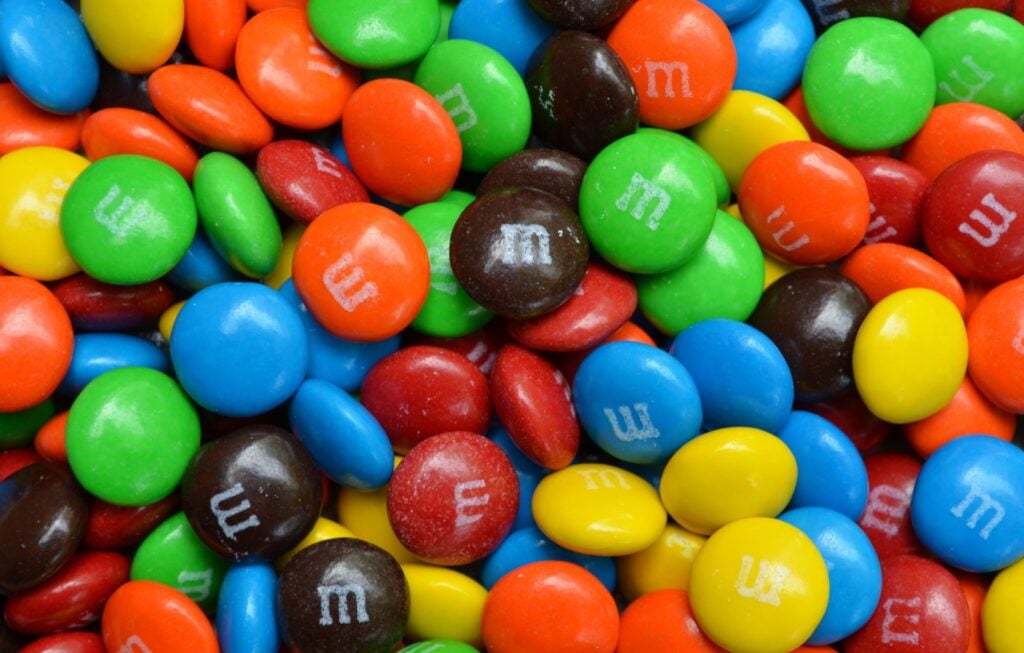
Tan M&M’s were once a standard color before fans chose blue in a high-profile vote. Flat in hue and slightly less photogenic, tan pieces lacked the bright pop of their candy-coated siblings but carried the same classic flavor.
In households that tracked corporate changes like sports stats, the shift was a small earthquake. Kids who remembered tan M&M’s from imported party mixes or crystal candy jars sometimes hoarded the last bags long after they disappeared from most shelves, preserving flavor and format alike.
7. Jell-O Pudding Pops that somehow made freezer burn taste good.
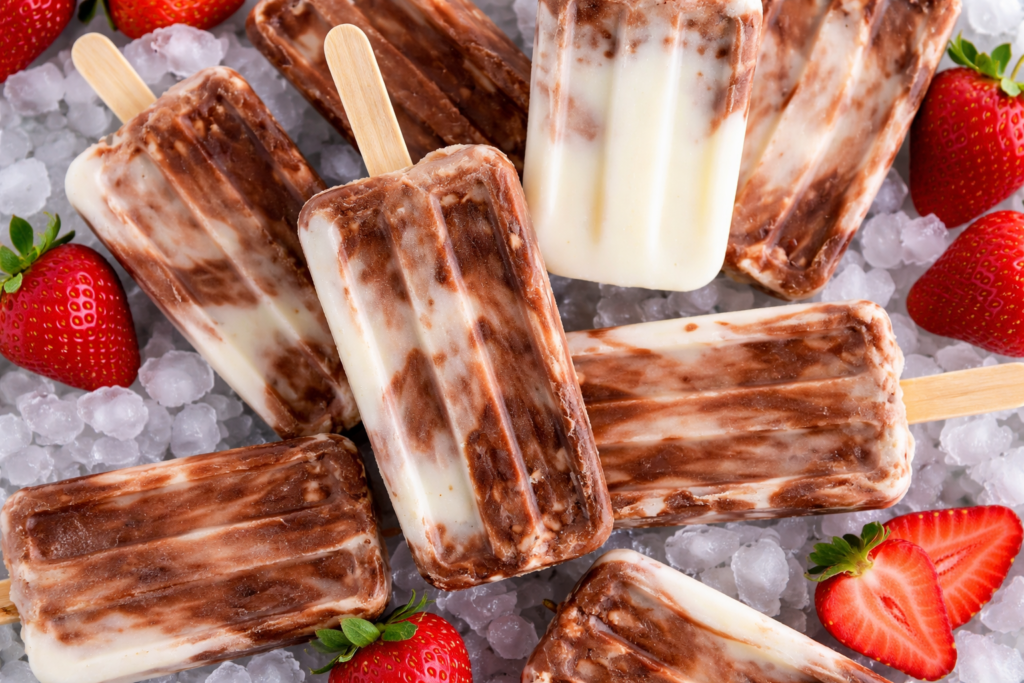
Jell-O Pudding Pops balanced icy texture with creamy flavor that clung to the tongue longer than most freezer snacks. Originally sponsored by celebrity faces, they came in stripey cardboard boxes that froze into a familiar slab shape by dinnertime.
In homes with upright freezers and preferred-brand loyalties, stocked pudding pops meant dessert on command. Melty but rich, they made sense of the contrast between cold dessert and warm air, helping wrap up summer nights or reward music practice with a chocolate-vanilla twist.
8. Hi-C Ecto Cooler that turned juice boxes into playground currency.
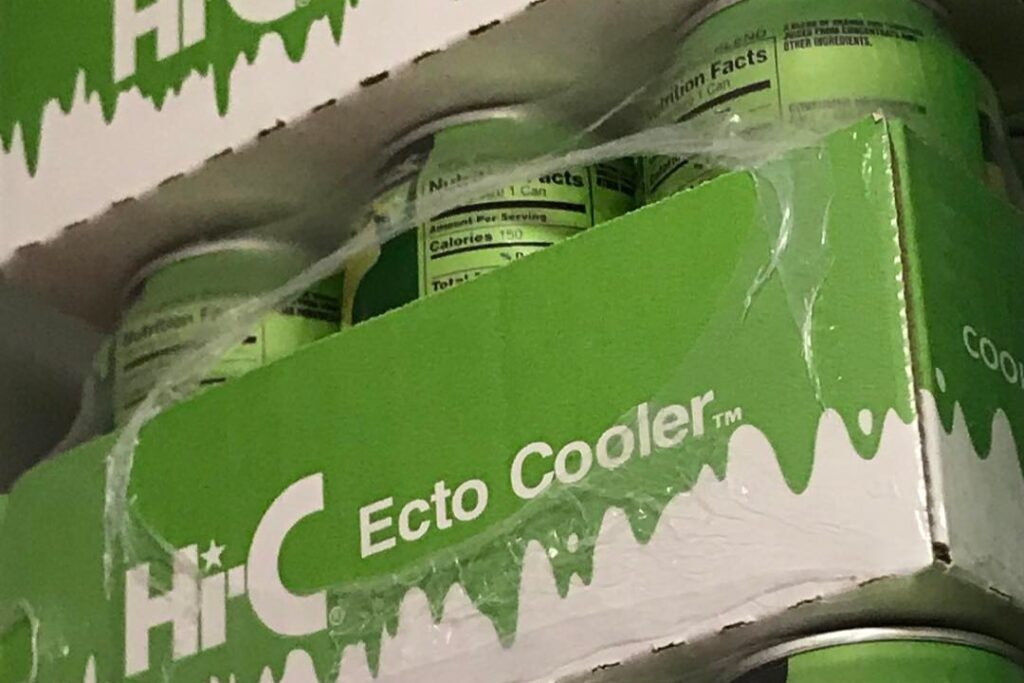
Hi-C Ecto Cooler wasn’t just juice—it was franchise branding in a greenish blend of citrus flavor linked to a blockbuster film. Packaged in rectangular drink boxes, it delivered a neon stain to kids’ tongues and a memorable zing to lunch tables.
The drink’s tie to a movie meant parents had to act before stock ran out—a familiar dance in moneyed households tuned into pop culture. By appearing in lunchboxes with licensed pencil cases and cartoon-themed thermoses, Ecto Cooler became a form of currency flavored with citrus and strategy.
9. Dunkaroos with frosting so sweet it doubled as a bribe.
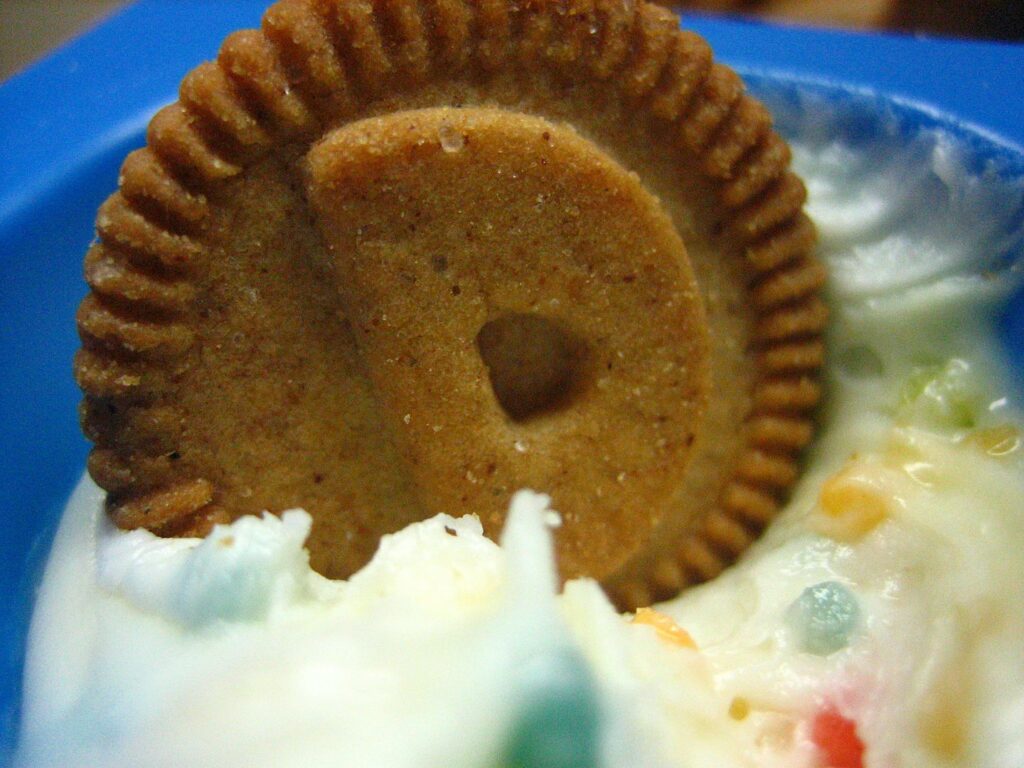
Dunkaroos paired dry, kangaroo-shaped cookies with a side of sugary dip, usually vanilla or chocolate frosting thick enough to sculpt. Each package functioned as a kit, blending tactile snack play with flavors loud enough to rival dessert.
More common in homes where pantry shelves carried branded, segmented plastics, Dunkaroos offered the thrill of portioned sweetness with a hint of rebellion. Kids proudly modeled how much frosting belonged on each dunk, outlining preferences shaped as much by access as by appetite.
10. Trix yogurt that looked like a science experiment and tasted incredible.

Trix yogurt came swirled with clashing colors—neon pinks next to bright greens—which made each peel-back moment feel like opening an art project. Despite its candy-like hue, it held the iconic cereal’s fruity notes in chilled dessert form.
Often kept in mini-fridges in carpeted basements or tucked into insulated lunch totes, the yogurt stood out. Kids learned that the unusual coloring didn’t signal spoilage but instead meant parents had bought the brand-name version, not the store substitute—a tiny distinction full of social weight.