
What felt like everyday basics to boomers now stretch Gen Z’s wallets and expectations

Across generations, the cost of staple goods and services has risen far faster than wages, creating a stark contrast between what baby boomers once received affordably or for free and what Gen Z must now budget carefully to obtain. From college tuition to concert tickets, these shifts reflect more than nostalgia—they underscore the lasting impact of policy, inflation, and evolving market forces on how each generation navigates adult life.
1. Affordable college tuition that didn’t require massive student loans.

College tuition once cost less than a used car, even at public universities. Baby boomers often paid their way through school with part-time campus jobs, avoiding today’s dependence on large student loans and financial aid packages that rarely come close to covering total costs.
Decades of rising tuition have reshaped that path. A minimum wage shift at a downtown cafe can no longer cover a semester’s textbooks, much less a full tuition bill—leaving many Gen Z students with lasting debt before their first career job starts.
2. Free public parking in most cities and suburban centers.
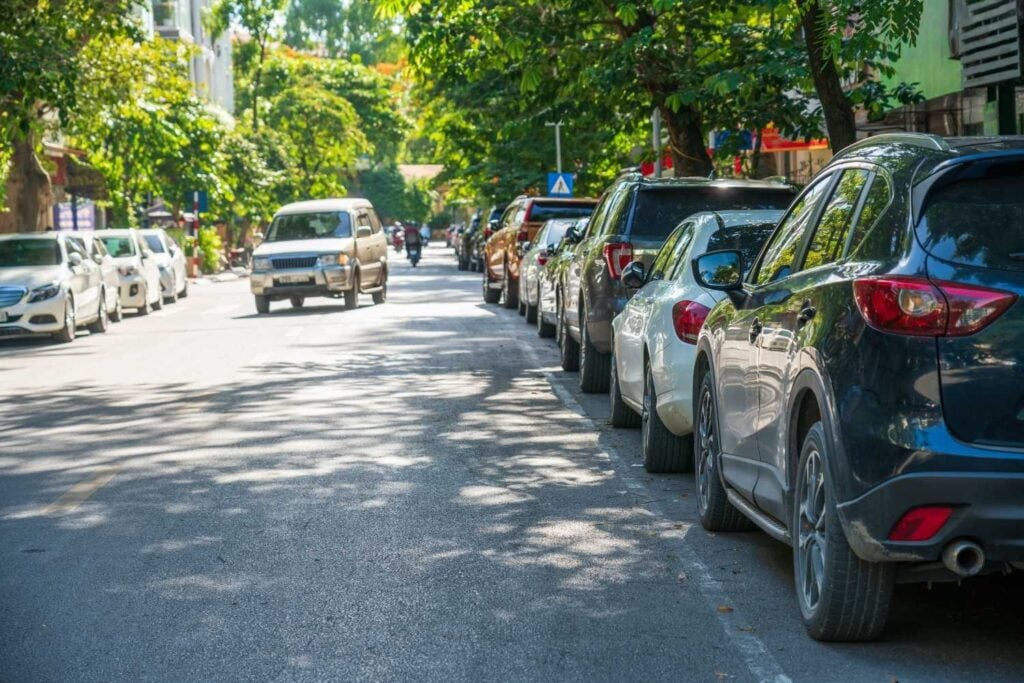
Public parking once meant pulling into a downtown spot without fumbling for coins or phone apps. Most cities and suburbs offered ample street parking free of charge, with lots outside libraries, post offices, and grocery stores available at no cost.
As urban planning shifted and land values soared, parking became its own micro-industry. Meters, permits, time limits, and hefty fines are now baked into errands, transforming what was once background convenience into a calculated line item in many daily routines.
3. Low apartment rent even in major metropolitan areas.

Rent for a one-bedroom apartment in vibrant neighborhoods used to leave room for savings. Boomers often found long-term leases near job hubs or campuses that cost a small fraction of their monthly earnings—no roommates, no side gigs required.
In major cities today, that balance has tipped. Rent consumes over 30% of income for many Gen Z adults, even in outer districts, pushing household formation later and making basic independence feel more like a financial milestone than a given.
4. Inexpensive movie tickets without extra fees for premium formats.

Movie tickets once meant a single-screen local theater with a velvet curtain and a flat price. A night out cost less than a fast food combo, and add-ons like reclining seats or digital projection weren’t part of the equation.
Today’s multiplexes charge extra for reserved seating, 3D formats, or luxury lounges—tweaks meant to enhance experience but not affordability. For many young adults, spontaneous movie nights now require checking budget apps alongside showtimes.
5. Health insurance that came with stable full-time jobs.

Full-time jobs in the postwar decades came tethered to sturdy benefits. Health insurance often kicked in automatically after a short probation period and covered major needs—from checkups to hospital stays—with low premiums and simple paperwork.
That expectation has frayed. Many Gen Z workers juggle short contracts, gig roles, or internships that don’t offer benefits, making crucial coverage feel more like a luxury than a workplace standard. Getting sick brings not just worry, but financial strategy.
6. Cheap fast food meals that didn’t require a budget strategy.

Fast food chains once advertised full meals for a dollar, with no tricks buried in fine print. Fries, burger, drink—that simple combo provided dependable nourishment on a tight schedule or budget with little mental math involved.
Now, base prices come stripped down while value menus shrink or disappear. App-only deals and loyalty programs fill the gap, asking Gen Z customers to do more digital work just to coax out a still-affordable lunch between classes or shifts.
7. Free plastic bags at grocery and retail checkout counters.
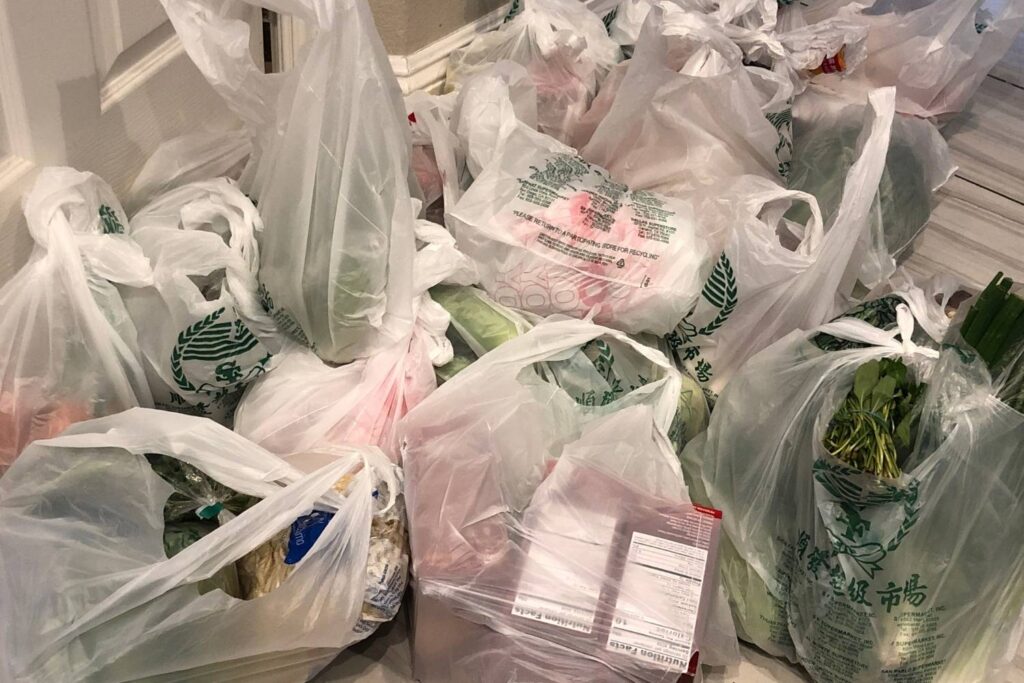
Plastic bags used to be automatic at checkout. Whether at a grocery chain or clothing boutique, clerks handed them over without comment, and customers rarely paused to think about bag counts or storage.
Shifts in policy and environmental awareness changed that default. Gen Z grew up with five- or ten-cent surcharges, reusable tote expectations, and viral clips of turtles with straws—all shaping a new normal where the simple act of carrying purchases now requires intentionality.
8. Reasonable home prices within reach of a single income.

A single income once covered a starter home in many U.S. metro areas. A young worker, even without college debt, could afford a modest bungalow near public schools or transit stops after a few years of saving.
Housing prices have far outpaced median wages, especially for Gen Z. Even strong dual incomes can struggle to compete with all-cash offers, investor bidding wars, or limited inventory—turning old sitcom plots about house keys into something closer to aspirational fiction.
9. Gasoline that cost less than a cup of diner coffee.

Gas cost less than a diner coffee for much of the 20th century. Fill-ups could be casual—a few crumpled bills for a near-full tank—especially before global oil markets and emissions policy tightened supply and raised distribution costs.
For today’s drivers, especially younger ones commuting long distances or using older cars, fuel is no longer background noise. Groceries, work shifts, even social plans may hinge on gas prices more than they would for previous generations with lower historical baselines.
10. Concert tickets that didn’t need payment plans or giveaways.

Tickets to major acts often hovered just above record prices. Catching a stadium tour or theater revival rarely required budgeting months in advance or signing up for lottery waiting lists—it was accessible, even at the last minute.
For Gen Z fans, fees, presales, and resale markets dominate the experience. Tickets now resemble luxury goods, with layered pricing and bots scooping up seats before fans even log on. Attending a concert may require spreadsheets, reminders, and sometimes, a compromise.
11. Cable TV packages that didn’t charge for basic national channels.
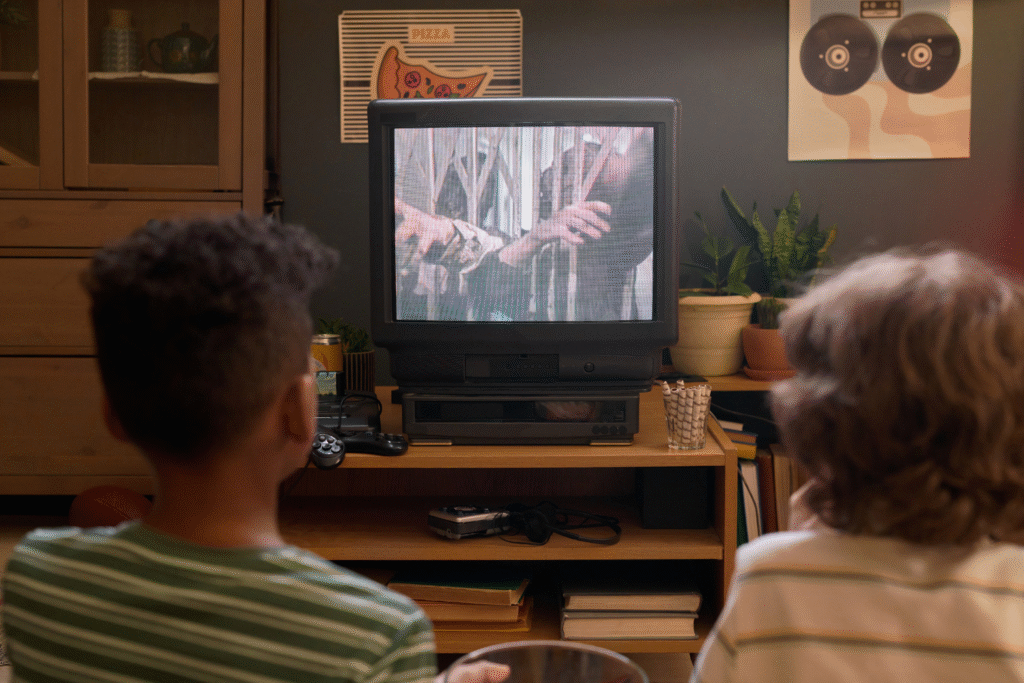
Basic cable once delivered a full roster of national channels for one modest monthly fee. Families gathered for game shows, sitcoms, and nightly news without tiered packages or digital interfaces requiring passwords and sync options.
The streaming world grew up in parallel with Gen Z. Now, accessing major networks may involve multiple platforms, device limits, and bundled subscriptions that blur the line between watching news and managing a tech stack. What came standard now feels segmented and stacked.