
Hand gestures do more than fill space—they boost clarity, connection, and personal expression.
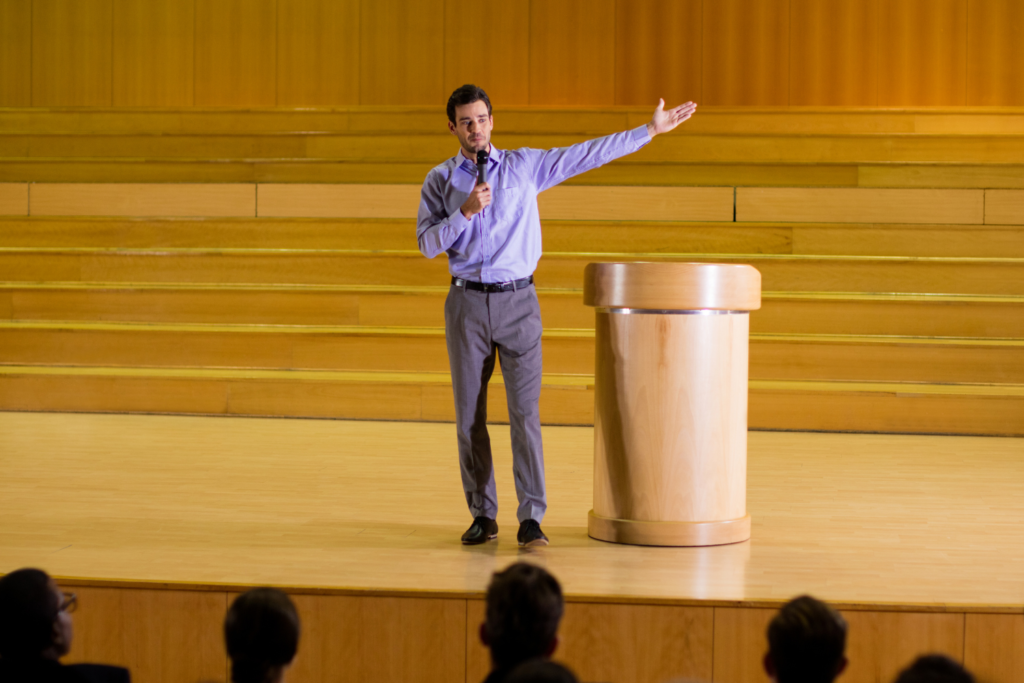
Hand movements aren’t just embellishments—they’re integral to how we communicate and relate. Thoughtful gestures can help clarify complex ideas, build trust, and hold a listener’s attention without saying a word. Far from being distracting, they often support memory and enhance your presence in conversations. Understanding how to use your hands effectively adds another dimension to your communication style, making everyday interactions smoother and more engaging for everyone involved.
1. Boosts listener engagement by adding visual cues to your message.
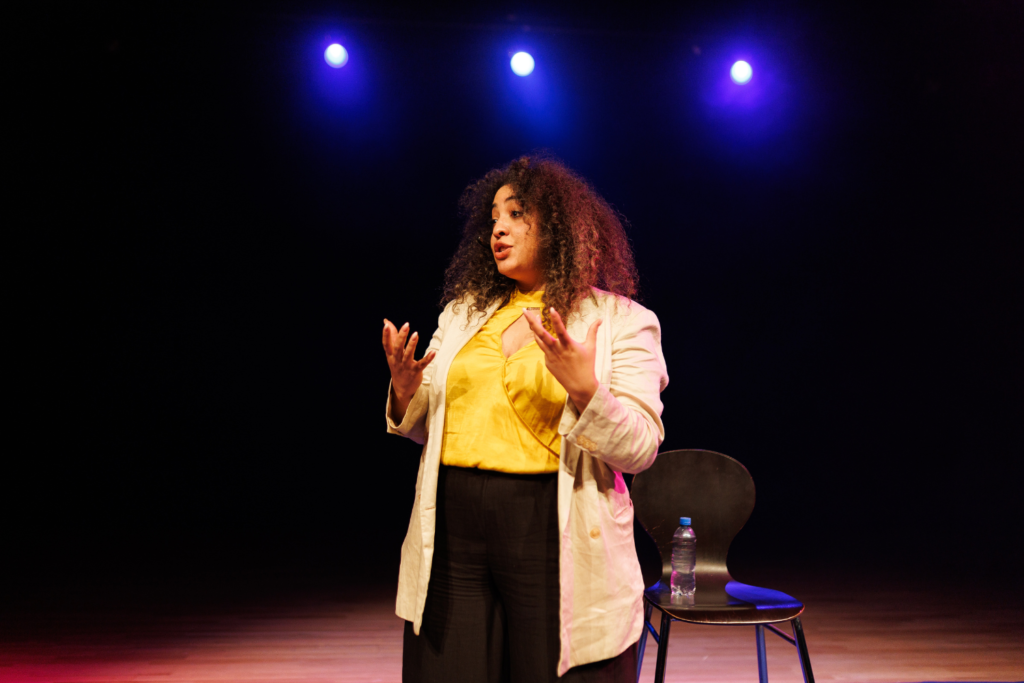
Eye contact holds attention, but hand movements give the eyes something to follow. Nonverbal cues like gestures guide listeners through your words, keeping them mentally present in the room instead of drifting elsewhere.
During a casual lunch or a work meeting, subtle gestures—palm sweeps, finger counts—can make your message easier to track. People absorb language better with visual support, and hands offer that calmly, without screens or slides. A simple nod or raised hand can keep the whole room leaning in.
2. Helps clarify complex ideas through simple, instinctive movement.

When speech grows technical or abstract, the body often jumps in to help. Instinctive gestures help break down layered ideas into shapes, sizes, or timelines your listener can visualize.
Describing a three-step process with three fingers or tracing a circle to represent a cycle connects the physical to the conceptual. Even without formal training, most people follow hand cues quickly. It’s the same instinct that lets you follow directions better when someone points than when they just describe.
3. Builds trust by making your communication feel more authentic.

Gestures can cue sincerity. When someone speaks with open palms or honest, steady gestures that match their tone, the words often feel less rehearsed—and more grounded.
Trust tends to strengthen when body language aligns smoothly with speech. An unmatched or stiff delivery—like saying, “I hear you,” while arms stay crossed—can rattle the signal. By contrast, a relaxed gesture mirroring your spoken warmth adds quiet context. Small movements make character visible.
4. Reinforces your words and strengthens the meaning behind them.
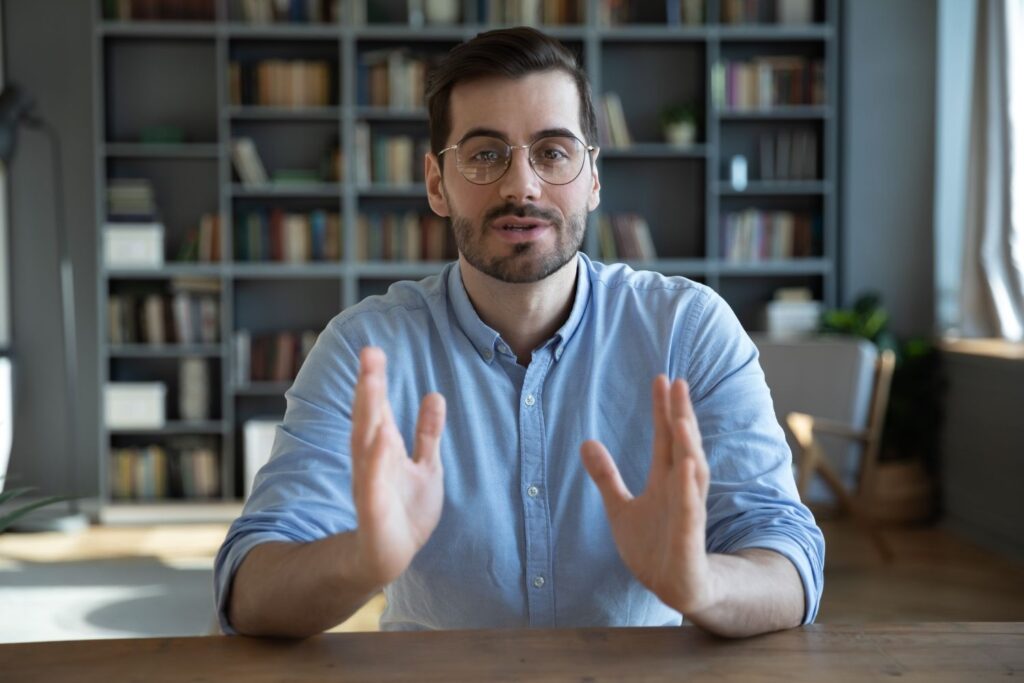
Body language helps tie a verbal thread. Maybe the point isn’t complicated, just easy to lose in the shuffle—emphatic gestures place bold underlines beneath the key parts so they stick.
For example, a firm hand chop as you say, “That’s the priority,” sharpens the listener’s takeaway. The action-harmony makes statements feel more permanent. Without it, even clear language can flatten. But with it, words walk off the page.
5. Increases your confidence by channeling nervous energy productively.

Moving your hands feeds kinetic energy somewhere useful. Instead of spilling into a shaky voice or restless leg, nervousness flows into motion that reinforces what you’re saying.
Even a calm speaker often benefits from expressive gestures. They lend rhythm, give structure to pacing, and keep posture engaged instead of frozen or slouched. In that moment, using your hands quietly reminds you: you’re anchored, you’re fluent, you’re ready.
6. Signals enthusiasm and passion through visible physical expression.

When emotion runs high, hands help carry it. A delighted clap, a quick push gesture—these kinetic expressions give form to passion and help convey personal investment.
Flat delivery can drain energy from meaningful ideas. But visible engagement—especially hand gestures—tells others you care about your subject. In small settings like a dinner table or larger ones like presentations, natural motion draws attention without demanding it. The passion feels shared rather than staged.
7. Enhances memory and recall while explaining detailed information.

Moving while explaining something not only helps others understand—it helps you remember. Physical gestures engage more brain areas than speech alone, anchoring facts and ideas with motion.
When teaching a process or recounting details, motion builds memory hooks for everyone involved. Think of someone gesturing a timeline while describing events—the sequence settles faster. That physical cue can later trigger recall, for both speaker and listener, even days later.
8. Makes your presence more dynamic during personal or group talks.

Stillness doesn’t always read as poise. In group conversations, light gesturing makes a speaker more noticeable and easier to follow. The room sees your meaning, not just hears it.
Posture, arms, and hands create deliberate contrast with the background—a gesture lifts an idea forward. Whether seated at a roundtable or standing in a crowd, even modest physical cues draw attention where words point. Presence becomes visible, not just audible.
9. Encourages connection by reflecting natural emotional responses.

Natural emotional reactions often show up in our hands before our mouths finish forming words. A quick clench, flutter, or lift reveals engagement or concern even before speech lands.
Others often pick up on those tics without realizing. It’s a subtle exchange. The mirrored response—like someone leaning forward in kind—can deepen rapport. That trace of shared feeling, passed through motion, smooths over words and grounds mutual empathy.
10. Aids storytelling by creating rhythm and visual structure.

A well-timed gesture gives narration shape. Just as a conductor’s hand steers tempo, gestures add structure—not just form, but feeling—to the turns in a story.
Think of a hand spread wide to describe a vast storm, then tightened into a point to signal the eye of it. Moments land harder with visual pacing. The rhythm of your hands keeps the listener oriented without overt instruction. The story flows, and they stay with it.
11. Supports persuasion by making arguments feel more deliberate.
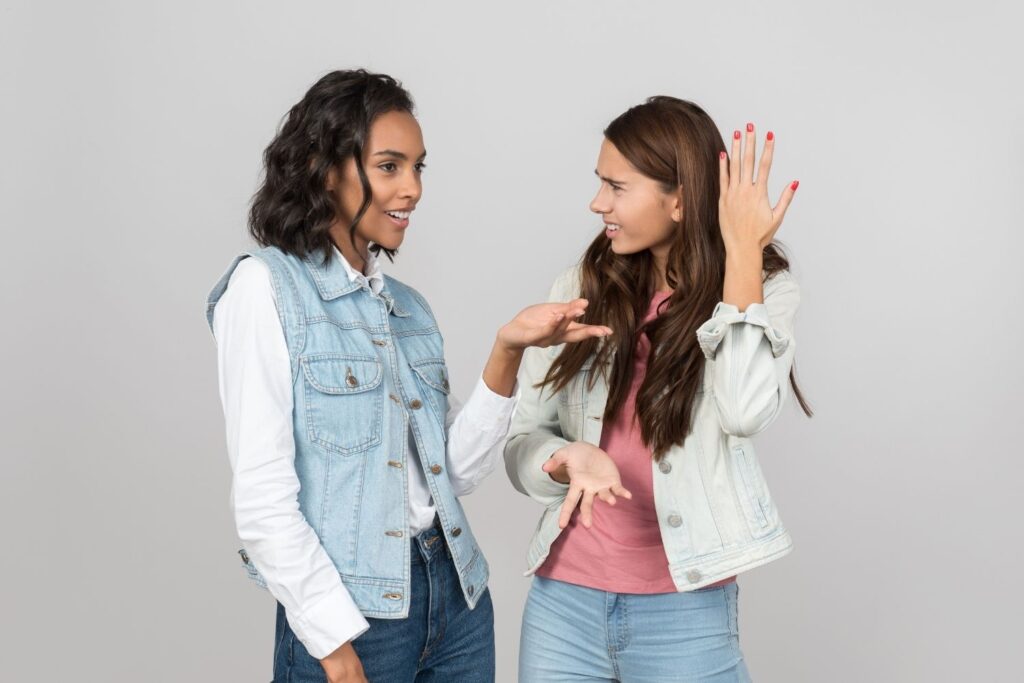
Gestures help pace arguments, placing emphasis where logic needs weight. When a speaker adds matching movement—firm but measured—it bolsters the idea without extra words.
The action reinforces intention. A raised hand to pause or a selective underline gesture during a key point lends clarity and control. Even when tempers rise, a grounded gesture suggests restraint and composure. The message becomes easier to accept when the delivery feels considered.
12. Helps bridge language gaps with clear, relatable gestures.

Words can fall short across dialects, fluency levels, or vocabulary gaps. In those moments, clear gestures step in to bridge meaning: framing a shape, miming an action, signaling yes or no.
Picture a traveler asking for directions by tracing a circle with one finger, referencing a roundabout. Even without shared grammar, the meaning lands. Hand cues operate across language systems with surprising accuracy, realigning communication where speech alone once stalled.