
Millennial parents are discovering that real-life child-rearing demands more flexibility than they expected

Many millennials entered parenthood with clear ideas about what they’d never do—only to find themselves doing exactly those things. From screen-time concessions to snack-based negotiations, these shifts are less about broken promises and more about adapting to life with kids. Parenting rarely goes by the book, and millennial caregivers are learning to embrace the humor and contradictions that come with growing families. It turns out flexibility might be the defining hallmark of modern parenting.
1. Bribing their kids with snacks to get out the door.

Snack bribery feels like a parenting cliché, but it turns out to be surprisingly effective when backpacks won’t zip and someone’s lost a shoe. The tactic works partly because it taps into basic motivation—few things speed up sock application like a pack of cheddar bunnies.
Even the most principled parents—those who once swore off food-based bargaining—find themselves tossing granola bars with practiced flair. At 8:03 a.m. with school doors closing soon, ideals often take a back seat to sanity and speed, especially in a kitchen where applesauce pouches are stashed like currency.
2. Letting screen time run long just to finish a cup of coffee.
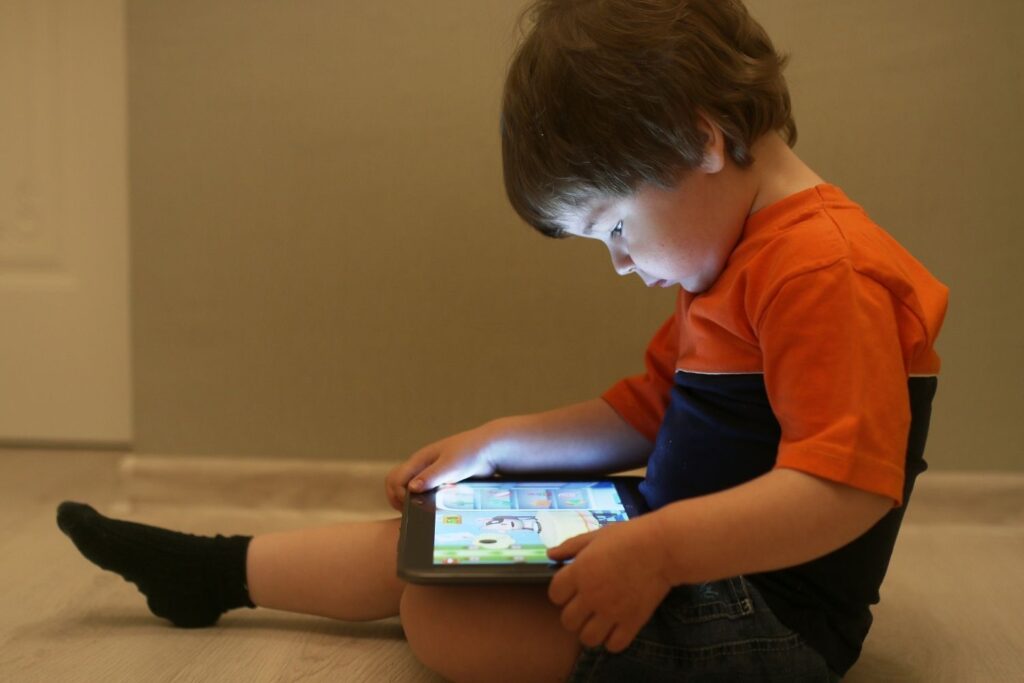
Extra screen time tends to sneak in under the guise of a five-minute break. A paused cartoon or looping song holds attention just long enough to stir cream into coffee without an interruption or spill. It’s a small trade for a whisper of calm.
Millennial parents who once vowed to raise screen-minimal kids often recalibrate those plans during morning chaos. What begins as a rare exception may evolve into a dependable routine, especially when an episode’s runtime aligns perfectly with a chance to regroup before unloading the dishwasher.
3. Saying things like because I said so with total conviction.

“Because I said so” once sounded like the empty decree of overwhelmed adults. Now it rolls off the tongue with startling clarity after hearing twenty “whys” in four minutes. The phrase draws a line when reasoning gives way to fatigue or safety or both.
Flexing verbal authority feels at odds with gentle parenting aspirations, yet repetition has power limits. Over time, worn-out logic gives way to short, sharp conclusions—particularly in parking lots, crowded aisles, or bedtime standoffs where firmness beats a negotiation gone sideways.
4. Sneaking vegetables into meals like it’s a covert operation.
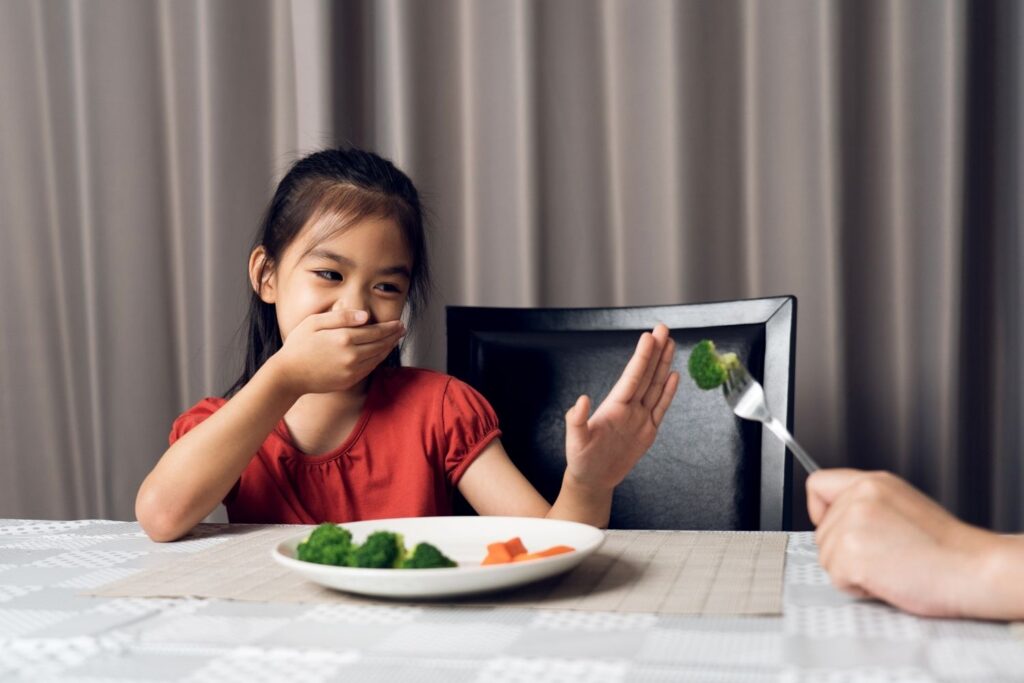
Blending spinach into muffins or pureeing carrots into marinara starts with skepticism. Still, the spoonful of sweet potato tucked under cheese becomes a quiet victory when plates come back empty. It’s sneaky, a little absurd, and sometimes the only way salad happens.
Even parents who once dreamt of honest food conversations find themselves reaching for immersion blenders and muffin trays. Hidden produce becomes a strategy less about lying, more about compromise—especially when tiny mouths reject anything green unless it’s shaped like a dinosaur.
5. Using baby talk in public without realizing it.

Out in public, the words shift without warning: toesies, ducky, ouchie. Baby talk emerges uninvited, often mid-checkout or playground chat. A tone reserved for board books suddenly wraps around every interaction like a linguistic security blanket.
High-minded language goals fade fast when response matters more than grammar. With toddlers, businesslike diction rarely works. Instead, a singsong chatter takes over, particularly in grocery aisles or waiting rooms, where a single squeaky word can prevent a spiraling meltdown by lifting the mood just enough.
6. Carrying way too many wipes for every possible situation.

The humble wet wipe starts as a mild convenience and soon becomes indispensable. It cleans faces, handles spills, polishes shoes, and occasionally rescues smartphones. A diaper bag once meant for essentials swells with carefully zipped pouches until it rattles when shifted.
Even minimalist parents find themselves stockpiling refills after a few snack explosions or garden dirt episodes. What began as a just-in-case item spirals into full-blown preparedness, the kind best illustrated by a person pulling out a wipe to disinfect a public bench before opening a juice box.
7. Showing up to school events wildly overdressed or underprepared.
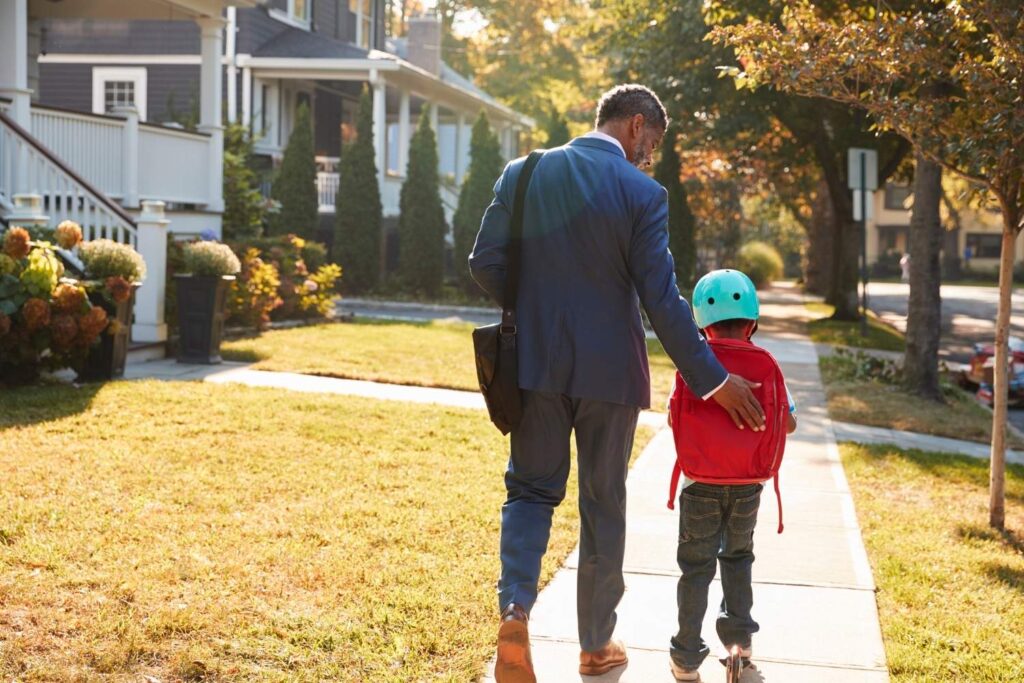
A parent might arrive at the school fun run clad in office attire, towering over tie-dyed volunteers. Another shows up with bedhead and a coffee cup, unaware of the clipboard they were supposed to bring. Both feel like they missed a memo.
Millennials raised on curated calendars and outfit planning sometimes meet school events with offbeat execution. What once seemed like future-ready organization melts into last-minute guesswork, enhanced by the unpredictable rhythms of family breakfasts, missing sneakers, or forgotten costume days.
8. Turning the car into a karaoke stage during errands.
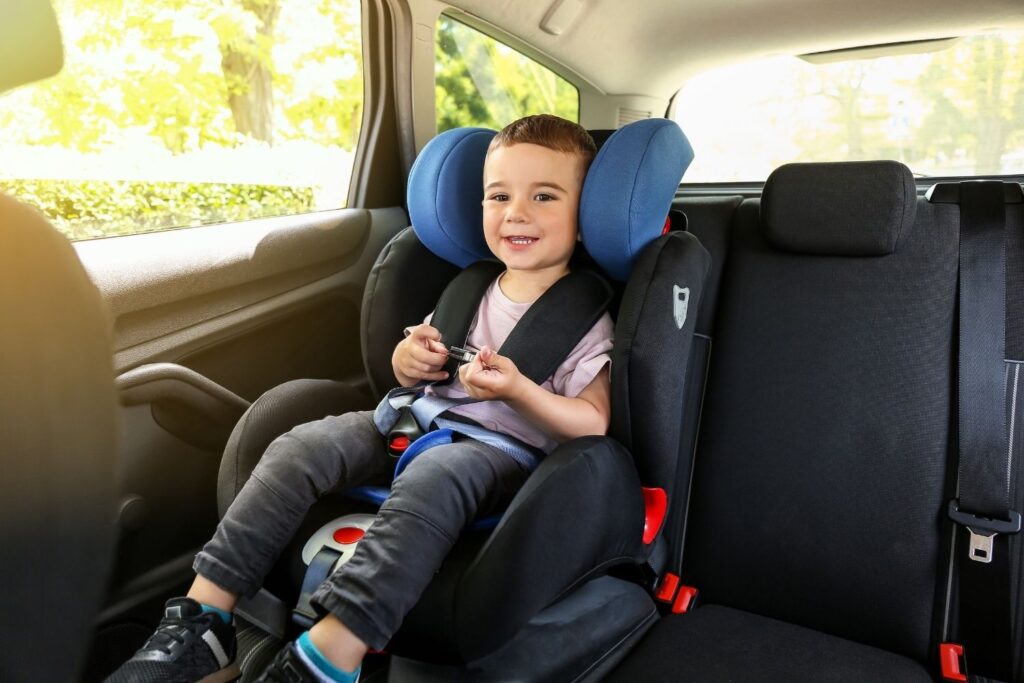
The family car transforms into a concert venue when the right playlist hits. A sippy cup rattles in the cupholder while voices belt out movie theme songs in harmony, slapping the armrest for percussion. The chaos feels oddly therapeutic.
Parents who once vowed quiet contemplation behind the wheel surrender to rhythm and rhyme in traffic. Road-trip car karaoke becomes less about performance and more about surviving detours with some joy intact—especially when the backseat DJ insists on the same track for the third time.
9. Whisper-yelling in public moments like a seasoned pro.

Public discipline now comes in hushed tones stretched thin with urgency. The whisper-yell—a sharp hiss paired with intense eye contact—delivers a clear message while avoiding drawn-out drama. It’s less about volume, more about control in a crowded café or echoing hallway.
Many parents discover the quiet scold after one too many side-eyes from strangers during a toddler standoff. The switch from measured sentences to breathy authority feels oddly natural—like a skill picked up unconsciously, like sliding a stroller through a half-open door without stopping.
10. Posting way too many kid updates after swearing they wouldn’t.
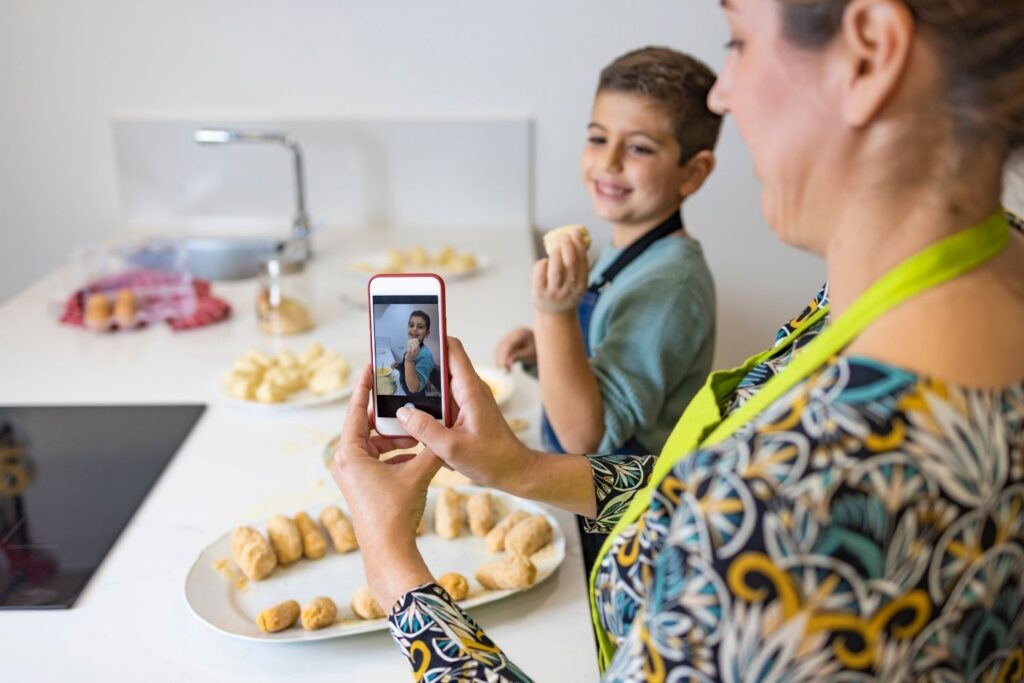
The feed fills with milestone photos: gummy smiles, spaghetti-smeared cheeks, sidewalk chalk triumphs. Posts spill over despite every promise to keep family moments private. Sharing becomes reflex, tied to a need for connection more than applause.
People who swore to keep their kids offline inch over the boundary in slow degrees. A single birth announcement leads to monthly snapshots, then captions packed with personality. The irony isn’t lost—but in a life shaped by early digital fluency, oversharing feels oddly comforting, even communal.