
Small, repeated purchases add up fast when you confuse convenience or emotion with real need

From novelty mugs to that fourth body wash on your bathroom shelf, many common items end up in our carts not because we need them, but because we’re used to buying them. These purchases often feel harmless in the moment, yet chip away at space, budgets, and mental clarity over time. Recognizing habit-based buying helps break the cycle, making room for more intentional choices—with fewer forgotten gadgets or untouched candles getting in the way.
1. Extra sets of bedsheets you rarely use but keep buying.
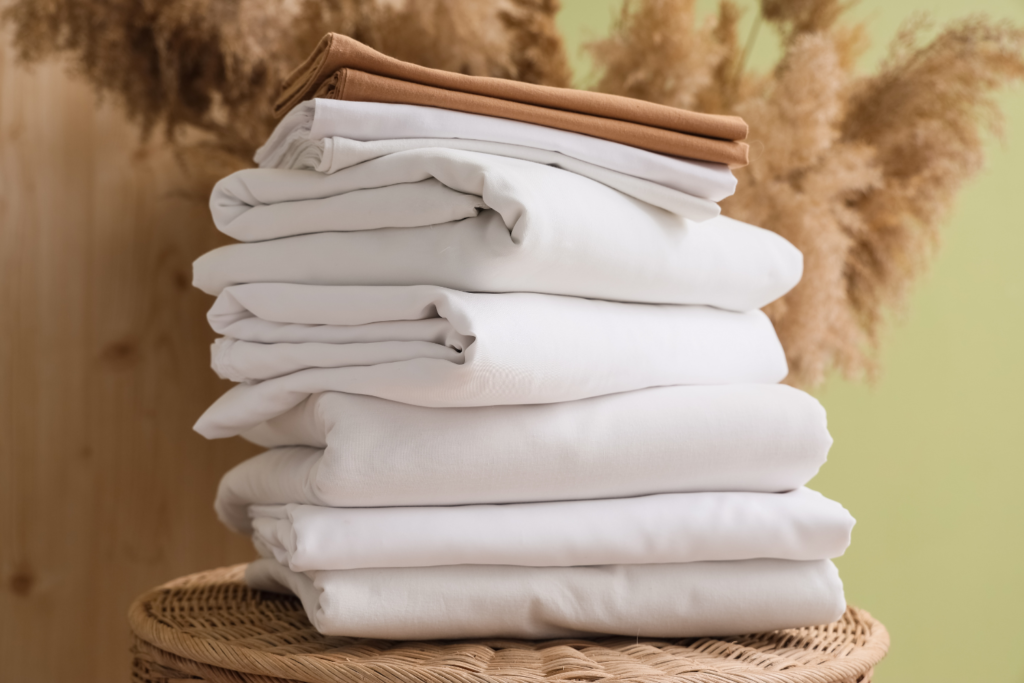
Cotton percale or linen—extra bed linens often stack up without purpose. People pick them up during sales or when styles shift, not because the guest room demands a refresh. The drawer fills, but the washing schedule rarely expands.
Once folded and filed away, most of those extra sheets live out quiet lives untouched. A deep blue flannel set might feel cozy in the store, yet months later, it still sits behind crisp white ones used on repeat. The comfort they promise doesn’t always translate into actual use.
2. Novelty coffee mugs that fill cabinets without adding real value.

Holiday slogans, quirky animals, and pastel patterns—novelty mugs lean on charm. They appeal in the moment but fade into clutter after the first pour. The kitchen shelf becomes less about coffee and more about crowded ceramics.
Far from boosting your morning ritual, most extras end up rotated to the back. A flamingo mug with tiny sunglasses might feel delightful once; after that, it’s more visual noise than utility. Meanwhile, the same two sturdy mugs handle the daily brew without complaint.
3. Scented candles that gather dust more than create ambiance.
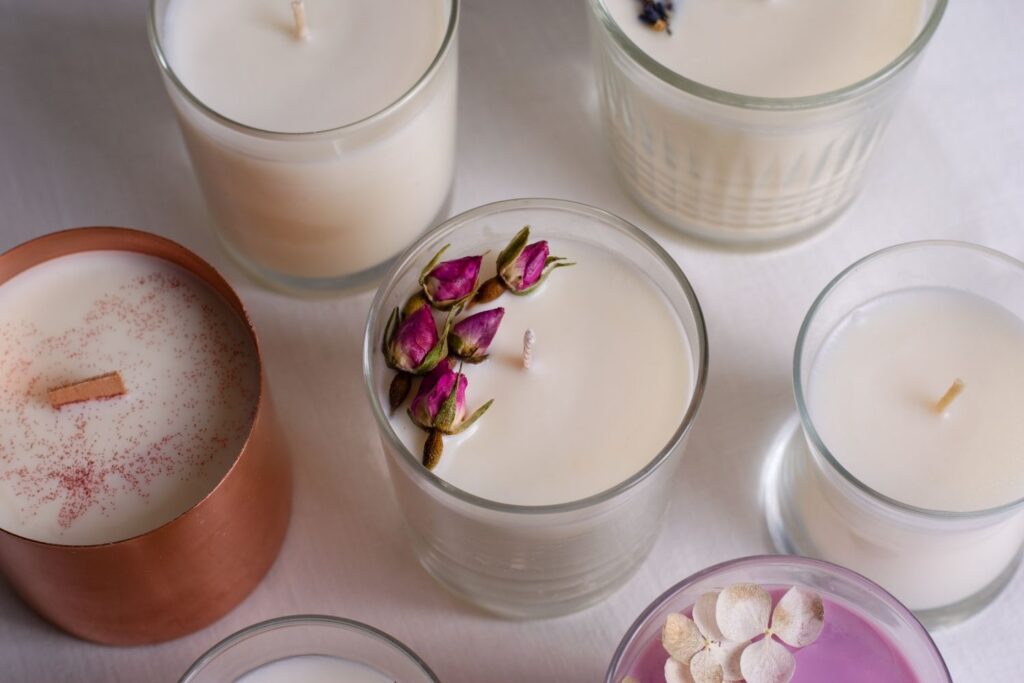
Layers of lavender, pine, or ocean breeze often offer more packaging than presence. Scented candles lure with calm promises, even when your spaces don’t need more fragrance. Many stay unlit, even unopened.
One soft pink candle might look beautiful on a sideboard but still gather dust for months. The idea of cozy ambiance sells easily, yet our daily routines rarely include striking a match just to scent a hallway. A wick can remain intact for years.
4. Duplicate phone chargers you forgot you already owned.

Chargers tuck into drawers and travel bags with the best intentions. People grab new cords when one isn’t handy, forgetting the extras already coiled around. These backups multiply quickly.
You might toss one into your desk or glove compartment, just in case. But eventually, they outnumber the devices they’re meant for. A jumble of identical white cords near the outlet tells the story: not planned purchases, just momentary fixes now fossilized in plastic.
5. Decorative pillows that rotate out more than they get used.
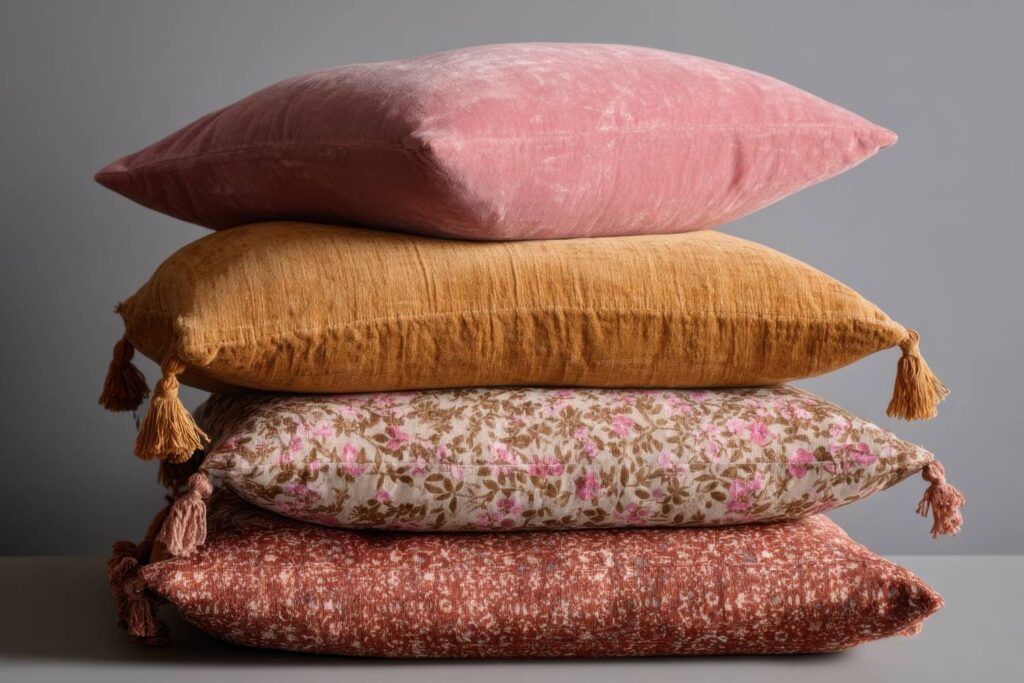
Pillows with tassels, sequins, or loopy embroidery often arrive to freshen a space. They rarely stay long on the couch. Seasonal colors or trending textures urge repeat buys that outpace function.
Soon, closets store more cushions than couches can seat. That ochre velvet square looked stylish in September but doesn’t work with spring florals. Rotating decor offers novelty, but the pile it leaves steals space and mental clarity with each swap.
6. Overly specific kitchen gadgets that only do one job.

A cherry pitter or avocado slicer solves one tidy task with flair. Problem is, many tools live for that one headline job. After a few uses, they tumble behind spatulas and measuring spoons.
Occasional utility doesn’t always justify a drawer’s worth of space. That spiralizer you used twice for zucchini noodles now just slides around during the dinner rush. Specialized tools often lose their shine when simpler tools already cover the basics well enough.
7. Trendy skincare tools that promise more than they deliver.

Cold rollers, gua sha stones, and light therapy wands promise lifted skin and heavenly rituals. One by one, they end up tucked beside half-used sheet masks. The draw of novelty can outpace everyday use.
What starts as hopeful self-care can blur into bathroom clutter. A rose quartz tool might feel sleek and cool against the skin, but without routine, it’s sculpture more than skincare. They’re purchased for the dream of transformation, not for daily application.
8. Bulk stationery you stock up on but never actually finish.

Notebooks, pens in ten colors, or themed sticky notes stack fast. There’s a belief that better supplies spark better organization. Yet unopened packs settle into drawers, untouched once the novelty fades.
That pale yellow notepad with gold foil edges might have felt motivating at the checkout. Months later, it’s under last year’s planner and duplicates still shrink-wrapped. For many, it’s the idea of productivity that drives the buy—less so the need for another blank page.
9. Storage bins that just hold more things you don’t need.

Plastic bins, rattan baskets, and stackable crates feel like solutions. They often end up as semi-permanent homes for clutter. When the goal shifts from organizing things to containing them, the real issue gets obscured.
A wide gray bin labeled “random cords” can feel like progress. In truth, it delays decision-making about what belongs. Purchased in a burst of tidying energy, these containers quietly expand storage without reducing volume, camouflaging excess instead of controlling it.
10. Branded tote bags from shops you rarely visit anymore.

Canvas totes from boutique markets or bookstore events multiply quickly. Meant as eco-friendly alternatives or souvenirs, they often exceed what one person can reasonably rotate. End result: a crumpled pile trapped behind a closet door.
The bold print from that downtown bakery’s 10-year anniversary looks punchy but barely sees daylight. While a few totes may rotate into grocery runs, most become soft clutter. Their usefulness peaks at purchase, then declines with every ignored grab on the way out.
11. Bathroom products you buy before finishing the last bottle.

Half-full shampoo bottles, forgotten body washes, and backup conditioners line bathroom shelves. New scents or sleek packaging trigger impulse buys long before the current supply runs out. The cycle repeats before old products get used up.
A peach-scented body scrub might appeal on a stressed-out day but then languish next to the last citrus one. As bottles align along the ledge, function mixes with aesthetics, and necessity gets lost. Over time, the shelf becomes collection rather than care routine.