
Many boomers who head for the countryside share values that reflect purpose, patience, and self-reliance.

Leaving the city for a quieter life in the countryside is a choice many baby boomers are making, and it often marks more than just a change of scenery. While each move is personal, patterns emerge among those who make this shift. From downsizing and rediscovering nature to adjusting to new social rhythms and slower systems, their motivations and experiences reveal a thoughtful approach to aging, community, and what truly matters in daily life.
1. Deep appreciation for peace and quiet over urban hustle.

Traffic noise fades into memory when backed by a screen door instead of a siren. Many baby boomers who leave the city feel drawn to stillness—not just silence, but the slower rhythm of evenings without deadlines and streets without horns or exhaust.
In that quiet, a different kind of attention grows. Crickets replace car alarms, and conversations stretch out without being swallowed by noise. For some, a porch swing and a thermos of coffee offer more focus than a crowded café or open-plan office ever did.
2. Willingness to downsize and embrace a simpler pace of life.

Seeking less, they often trade square footage for ease. That doesn’t always mean tiny houses, but smaller kitchens, one-story homes, or fewer closets reflect a deliberate shift toward simpler, more manageable spaces with fewer moving parts.
The change isn’t purely practical. Letting go of extra rooms or unused dining sets can feel unexpectedly freeing, like finally closing a chapter. One couple swapped three floors and two stairlifts for a single sunlit living room and a woodstove, and never looked back.
3. Strong desire for a closer connection with nature.

Living near trees instead of scaffolding reshapes daily life. Boomers drawn to the countryside often crave sensory contact with the land—fresh pine bark underfoot, morning fog that softens fence lines, the feeling of real weather moving across a wide sky.
For many who move, outdoor time becomes part of the routine rather than a special trip. They might walk among oaks after breakfast or watch deer at dusk from the kitchen window, noticing small changes with the same quiet interest once reserved for crowded crosswalks.
4. Practical mindset about home maintenance and outdoor chores.
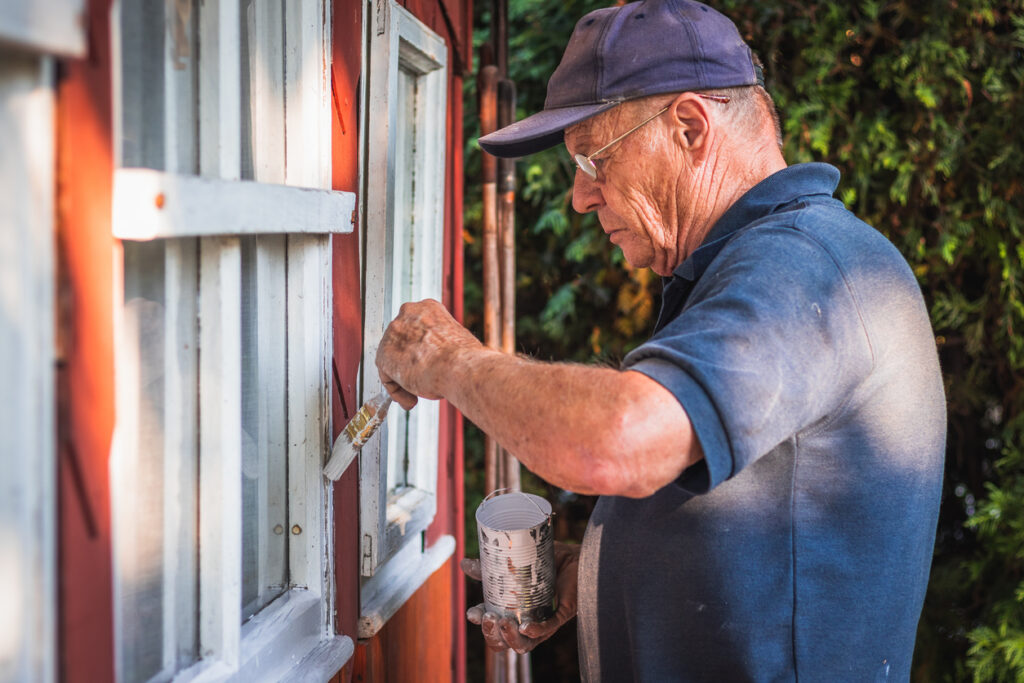
Country living doesn’t mean idle days. A leaky shed roof or overgrown path doesn’t fix itself, and many new rural homeowners tackle these head-on. They’re used to responsibility—just shifting gears from spreadsheets to split logs or broken gate latches.
That switch can feel both grounding and surprising. One former executive now shovels snow before breakfast and patches fences by hand, finding satisfaction in work whose results show up not in meetings, but in apple harvests or dry boots.
5. Openness to building friendships in smaller communities.

New neighbors might wave from the post office or chat in line at the feed store. Many boomers moving rural relish sincere community over surface interaction, reaching out in small but steady ways to anchor new relationships.
Friendship grows differently in small towns. Instead of big events or fast introductions, bonds form through repeated contact—helping stack firewood, passing down a casserole recipe, or checking in after a loud storm—until familiarity becomes trust.
6. Confidence in navigating new routines and unfamiliar settings.

Years of city navigation—subways, deadlines, shifting schedules—build resourcefulness. When boomers land in unfamiliar rural settings, they often lean on that same confidence to pick up new skills, learn the land, and adjust their pace without losing their footing.
Comfort with change becomes a steadying force. Whether figuring out propane delivery or local bylaws, they see unfamiliar routines not as burdens but as puzzles to solve—like adapting to dirt roads after decades of elevator buttons.
7. Patience with slower services and fewer nearby conveniences.

Waiting isn’t new, but the type of patience changes. Deliveries may take longer, cell service might fade behind hills, and businesses close earlier, yet boomers who relocate often accept slower systems with surprising calm.
What once felt urgent can shift. For one former nurse, the post office’s limited hours meant planning ahead—and reduced stress. Fewer options sometimes mean fewer distractions, letting focus fall on weather, neighbors, or a favorite chair by the window.
8. Nostalgic enjoyment of traditions and rural living.
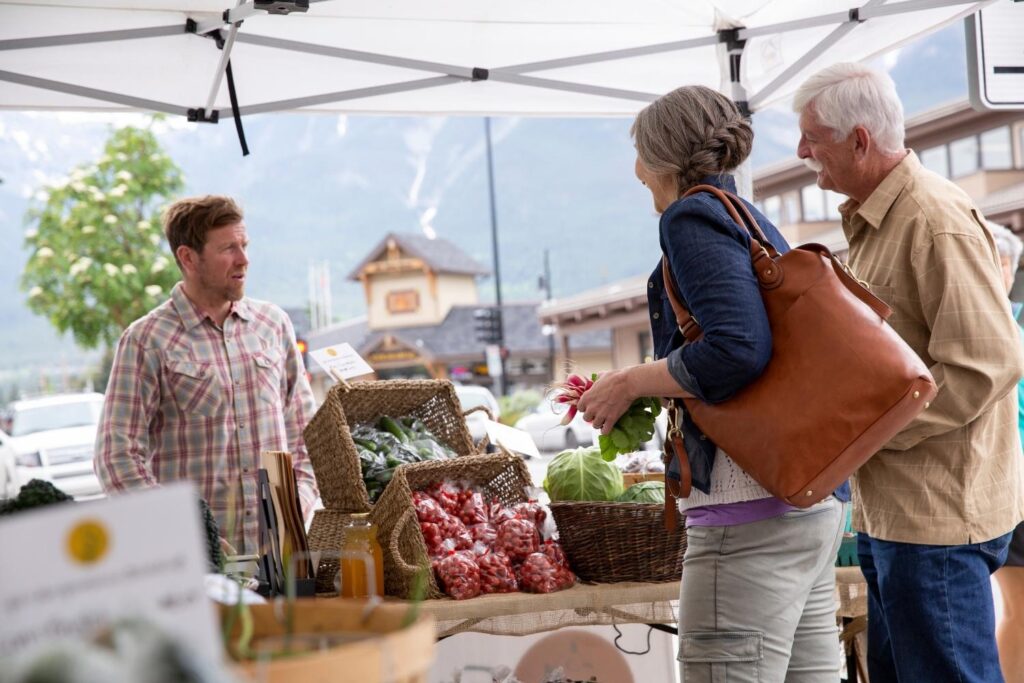
Fondness for weekend antiques markets or traditional recipes often deepens after the move. Boomers who settle in rural areas may renew their connection to slower, rhythmic ways of doing things—from seasonal fairs to hand-churned ice cream at a local fundraiser.
Nostalgia doesn’t mean resistance to change. Instead, it’s a filter—choosing what to carry forward, like Sunday suppers or canning tomatoes, without replicating the past. Many find comfort in rituals that anchor modern days with tactile reminders of earlier ones.
9. Curiosity about gardening, local crafts, or small-scale farming.

Living where fresh eggs come from the coop next door, boomers often develop new interests anchored to the land. For some, that means raised-bed gardening; for others, beekeeping or learning a neighbor’s method for canning peaches.
These pursuits offer more than aesthetics. They engage hands and minds, blending utility with creativity. Tending sprouts or weaving baskets becomes part of daily life—not as hobbies set apart, but as part of the same rhythm as feeding the cat or chopping onions.