
Discipline standards have shifted as modern parents rethink authority, emotion, and childhood behavior

Many boomers grew up under strict rules that reflected the values of their time—obedience, stoicism, and deference to authority. But parenting philosophies have changed, often reshaping what’s considered normal behavior or worthy of discipline. Practices once seen as disrespectful or dramatic are now treated as chances for connection and growth. By understanding these generational shifts, parents and grandparents alike can better appreciate how cultural norms and household expectations continue to evolve.
1. Encouraging open conversation instead of insisting on quiet obedience.

Mid-century discipline often rewarded compliance more than curiosity. Children were expected to follow directions with little explanation, especially in public or around guests, where quietness was equated with respect. Speaking out or questioning authority—even with polite words—could lead to immediate reprimand or consequences.
Gradually, many families began treating open conversation as a skill rather than a threat to authority. Around kitchen tables or during homework sessions, children were encouraged to share thoughts and ask questions. Instead of punishing talking back, modern parents may see it as an early sign of independent thinking or self-advocacy.
2. Respecting a child’s emotions rather than dismissing tears as drama.

In many boomer-era homes, tears rarely earned sympathy. Adults often labeled crying as a ploy or weakness, especially for boys, and children were told to ‘toughen up’ or ‘stop the drama’ with little interest in why they were upset.
Now, emotions are more likely seen as signals rather than disruptions. A child crying after a hard day at school may be heard rather than scolded, with parents recognizing that emotional learning builds resilience. The tissue box doesn’t just dry tears—it sometimes opens conversations that deepen trust.
3. Using positive reinforcement instead of relying solely on punishment.

Punishment once stood as the standard response to mistakes; misbehavior brought grounding, chores, or spanking in many boomer households. Few parents focused on rewarding good behavior with intention, viewing discipline more as correction than coaching.
Today, many families balance expectations with encouragement. A child who cleans up without asking might not hear only ‘it’s your job’ but also receive recognition. Stickers on charts, extra bedtime stories, or simply saying ‘thank you’ reflect a shift: reinforcing what’s right, not only addressing what’s wrong.
4. Allowing kids to question rules and express disagreement calmly.

In the past, questioning rules often registered as disrespect. Children were expected to conform quickly, with little room for negotiation, no matter how reasonable their arguments or how calmly they spoke.
Contemporary parenting often makes space for dialogue. A fifth-grader might ask why bedtime’s at eight and receive an explanation instead of discipline. Authority still exists, but it may rest more on earned trust than unquestioned power. A civil disagreement isn’t grounds for punishment—it’s often seen as part of growing up.
5. Giving children privacy rather than insisting everything be shared.

For boomers, privacy wasn’t a given. Diaries might be read, phone calls could be monitored, and anything in a bedroom was generally considered accessible to parents. The belief was that children had little to hide—and even less of a right to.
Many modern caregivers approach privacy as a conduit for trust. A tween with a closed door may not signal secrecy but independence. While safety remains paramount, the act of knocking before entering often reflects a respect for boundaries rather than parental detachment.
6. Listening to a child’s side before jumping to conclusions.

Older discipline often hinged on adult perception. If a child got into trouble at school, parents commonly assumed the teacher’s story was complete and accurate. Kids knew explaining themselves after a misstep might not change the outcome.
Shifts in parenting styles have opened more room for context. A parent may now pause and ask what happened before reacting. Listening doesn’t guarantee the child was right, but it often reshapes the conversation—moving it from accusation toward understanding without erasing accountability.
7. Supporting creative expression over strict discipline in hobbies or play.

Strict boundaries once applied to play: coloring within the lines, practicing piano the correct way, even dressing dolls with care. If a hobby didn’t follow an adult’s standards, it might be discouraged or corrected on the spot.
Parenting today often favors exploration over precision. A child taping cardboard to their sneakers to become a robot might get applause, not correction. Discipline hasn’t disappeared, but it now makes more space for creative detours that weren’t always welcomed in earlier generations.
8. Teaching by example instead of using fear or shame as tools.
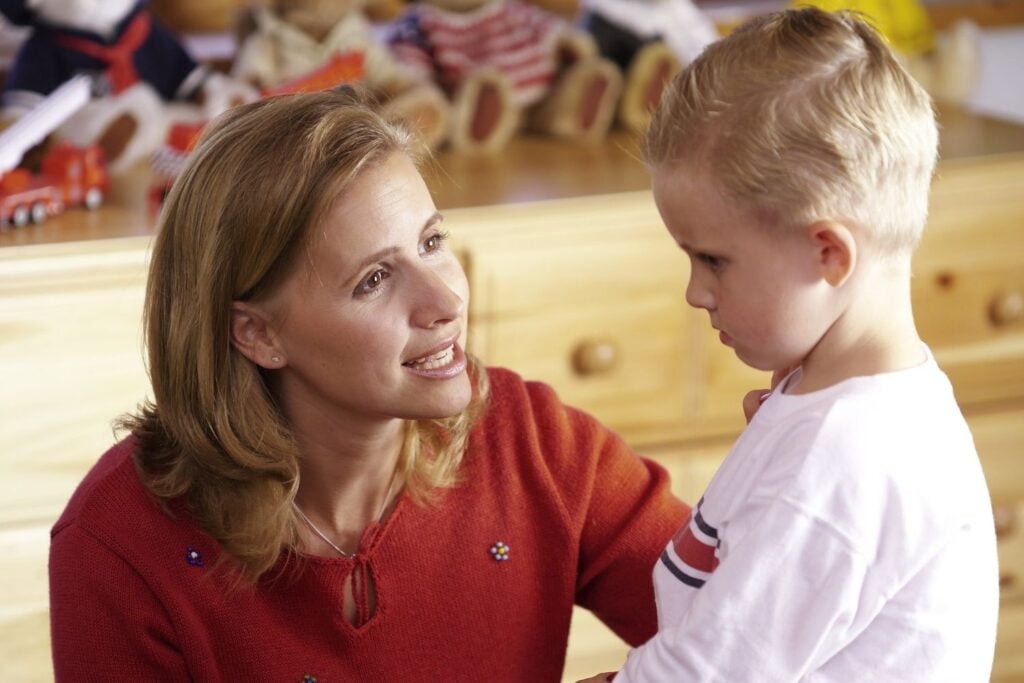
Some parents once wielded shame as a behavior tool: calling out a mistake in front of company or invoking guilt with phrases like ‘you should know better.’ Fear, too, played a role in keeping kids in line when explanations ran thin.
Parenting norms have shifted toward modeling behavior rather than demanding it. Rather than saying ‘don’t yell’ while yelling, adults may choose to lower their voice intentionally. Children tend to absorb what they observe, and for many families, calm actions now speak louder than harsh words.
9. Valuing rest and free time instead of constant productivity.

Full calendars weren’t always expected of children. Still, lingering ideas about work ethic meant idle time could raise eyebrows—too much sitting around sounded like laziness. Some kids spent weekends doing chores or joining endless extracurriculars.
More families now guard unstructured time as part of balance, not inactivity. A lazy afternoon with sidewalk chalk or a quiet moment in a treehouse isn’t wasted—it’s recovery. Where boomers felt boredom should be fixed, some parents now see it as space for creativity to take shape.
10. Encouraging emotional honesty rather than promoting emotional toughness.

Emotional toughness once stood as a family value. Children were taught to ‘get over it’ and press on, especially when emotions felt inconvenient or messy. Sensitivity wasn’t celebrated; stoicism often took its place.
Now, homes may embrace emotional honesty as a sign of maturity. A child voicing anxiety before a dentist visit might get a validating ear instead of being brushed off. The shift doesn’t glorify distress—it values naming feelings so they don’t quietly grow into larger issues.
11. Acknowledging children’s opinions instead of treating them as irrelevant.

Opinions once held little weight in many boomer households. Adults issued decisions without consulting children, and dissent might be brushed aside as naïve or disrespectful. The family structure resembled a chain of command, not a discussion circle.
In more current settings, children’s perspectives may inform decisions, especially in everyday matters like meal planning or weekend plans. While boundaries still exist, treating kids’ input as meaningful helps foster cooperation and confidence. It doesn’t mean the child leads—but they’re no longer voiceless.