
Some everyday Boomer behaviors puzzle or amuse grandkids raised on swipe culture and speed

Generational habits often reflect the tools and values of the time, which can shift quickly as technology and social expectations change. Many Baby Boomer routines once seen as practical or polite now strike their grandkids as outdated or oddly formal. From phone etiquette to home organization, what was once second nature can now invite quiet chuckles or well-meaning teasing from younger family members raised in a different digital rhythm.
1. Insisting on calling instead of texting for quick updates.

Phone calls once served as the fastest path to connection, but now they often feel intrusive for brief updates. A short text can serve the same purpose without demanding immediate attention or filling quiet moments with unnecessary rings.
Many younger people associate unexpected calls with emergencies or awkward pauses. In a world of group chats and voice memos, dial tones seem excessive for announcing small news, like a changed arrival time or quick question about groceries.
2. Using formal sign-offs in every single email.

Traditional email sign-offs—like ‘Sincerely’ or ‘Warm regards’—add a formal layer that once signaled professionalism. But in daily, casual exchanges, such phrasing can read as stiff, especially when paired with a one-line message sent from a smartphone.
To someone skimming emails between meetings or classes, the extra flourish can feel more theatrical than thoughtful. A simple dash and name often does the trick, especially when the conversation isn’t formal to begin with.
3. Complaining about self-checkout machines at the store.

For longtime shoppers, self-checkout stations often feel impersonal or prone to glitches. Squinting at touchscreens while juggling produce stickers and barcodes can seem more hassle than help.
Younger customers, used to scanning everything from concert tickets to coffee shop points, rarely blink at the kiosks. To them, the occasional hiccup is part of the process—like waiting for a soda machine to finish fizzing.
4. Printing out directions even with GPS on the phone.

Relying on printed directions brings a sense of control, especially for those who navigated road trips long before digital maps. A folded sheet on the passenger seat doesn’t buffer or drop signal.
Yet to many younger drivers, carrying paper instructions feels like packing a pager alongside the phone. Navigation apps adjust mid-route, whereas a printed detour often means stopping to figure things out all over again.
5. Saving plastic grocery bags in a giant kitchen drawer.
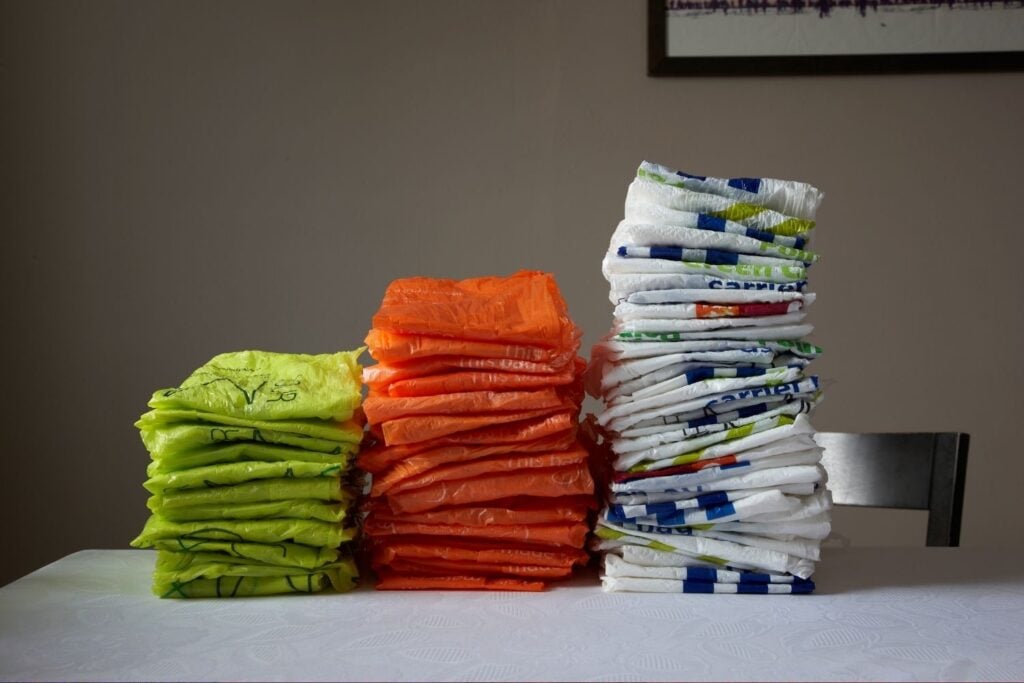
Having a drawer stuffed with grocery bags once meant readiness—lined bins, protected shoes, impromptu lunch totes. But seen through newer eyes, the pile often blooms like a plastic puffball taking over precious space.
Many younger households lean on reusable totes or bagless deliveries. The crinkly stash signals a habit formed during a time when plastic was plentiful and tossing it felt wasteful rather than problematic.
6. Saying “Let me Google that” out loud every time.

Saying “Let me Google that” out loud once sounded tech-savvy, signaling curiosity and eagerness to find facts fast. Now, it often draws smiles because the phrase states the obvious in a voice-search world.
To Gen Z, it can feel like narrating the start of brushing one’s teeth. The action is useful, but announcing it can seem more about performance than information.
7. Keeping a landline and insisting it’s more reliable.
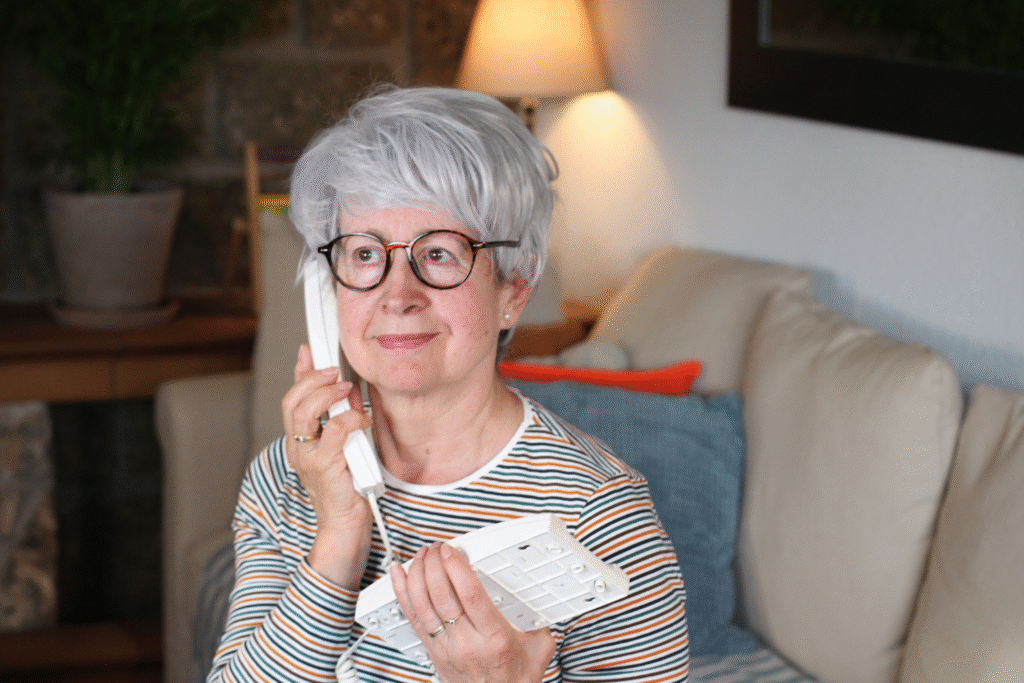
A landline telephone once stood as a sturdy home fixture, known for fewer dropped calls and clearer audio. But in an era dominated by mobile plans and video chats, it often sits silent beneath a layer of dust.
Younger generations tend to view it as decorative rather than essential—like a lace doily under glass candy. Nostalgia may linger, but the need rarely does.
8. Watching the evening news religiously at the same time.
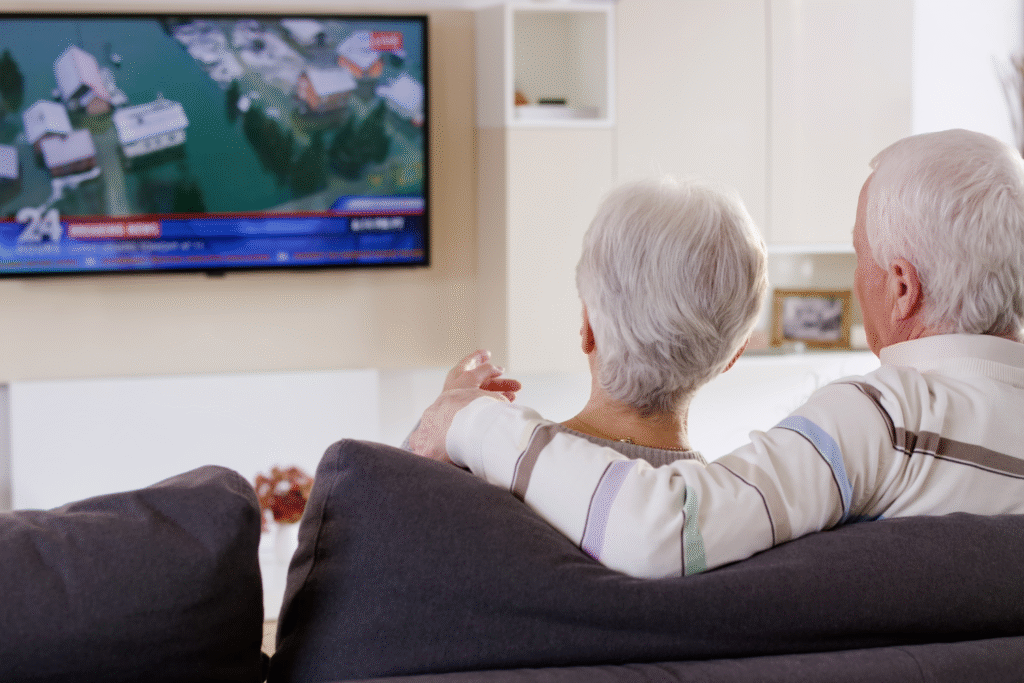
The evening news, once a nightly lighthouse of information, now competes with endless newsfeeds and updates. Anchors in suits and dramatic music cues set a predictable rhythm that some find comforting.
But younger viewers often scroll headlines in seconds, skipping weather segments and stock tickers. Keeping appointment viewing feels rigid when most headlines hit home screens before dinner even starts.
9. Wearing socks with sandals around the house or outside.
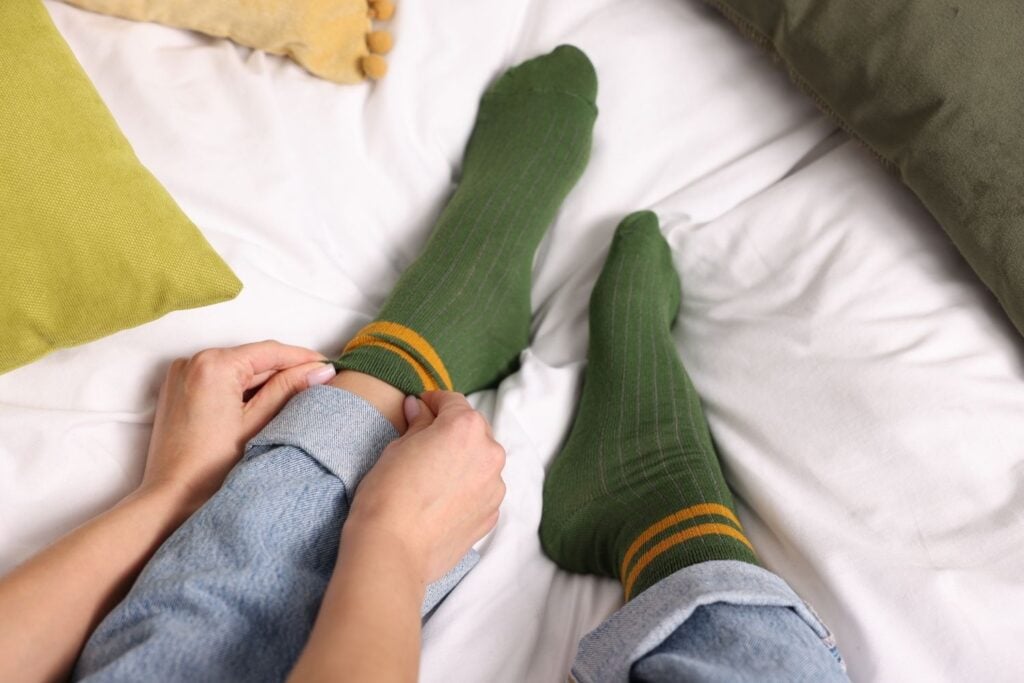
Socks nestled inside sandals offer comfort, grip, and a sense of home—even on a quick walk to the mailbox. To the Boomer foot, this pairing often simply makes sense.
Among grandkids, it usually sparks smirks or selfies sent to friends. The combo reads more as fashion blooper than footwear logic, landing somewhere between endearing and eye-roll-inducing.
10. Forwarding email chain letters with outdated advice or jokes.

Forwarding email chains with dated jokes or pastel-hued advice slides once fed inboxes with feel-good snacks or seasonal reminders. But glossy fonts and Comic Sans now trigger a quiet cringe.
Younger relatives often skim the subject line and hit delete before opening. The gesture feels outdated, like gifting a VHS of motivational quotes when a meme takes half a second to share.
11. Buying paper maps just in case the wifi goes out.

Paper maps in glove boxes once meant freedom—untethered by towers, safe from draining batteries. A stiff fold and bright red highway line offered tactile backup.
Now, to younger drivers, maps often seem like analog puzzles that can’t recalculate when traffic hits. Watching a friend squint under dome light feels quaint in the age of turn-by-turn navigation through earbuds.
12. Displaying encyclopedias prominently on the living room shelf.
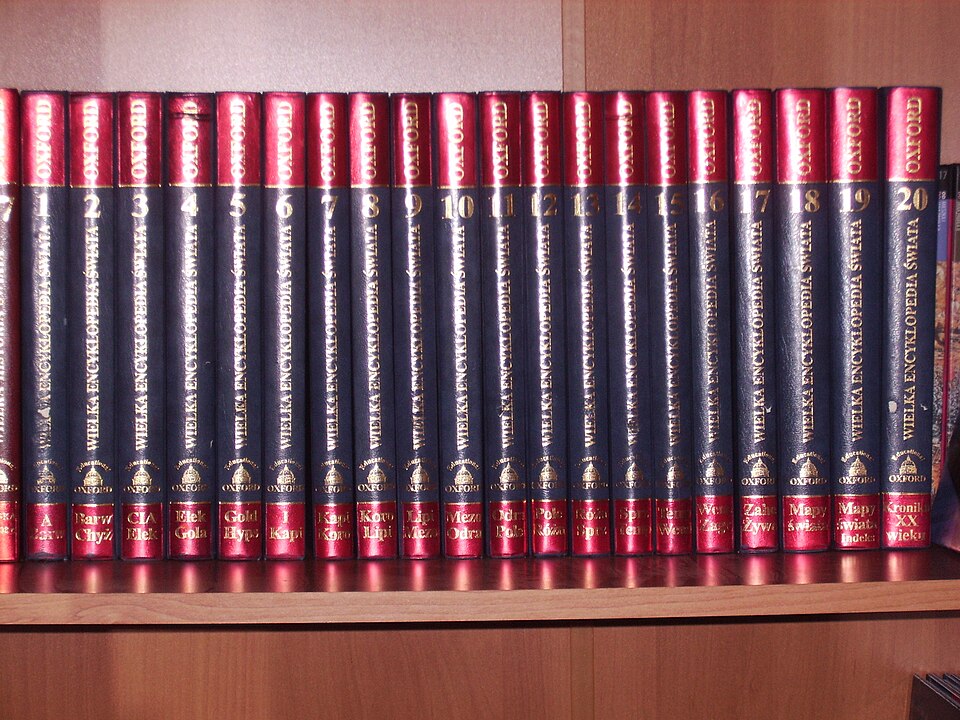
Encylopedias once shone on family shelves, their gold-lettered spines elevating any room with a promise of knowledge. A full set suggested curiosity, education, and academic pride.
But now, younger visitors see them as decorative relics—monuments to an era before search bars. They gather more dust than use, photogenic but functionally retired.
13. Expecting thank-you notes to be handwritten and mailed promptly.

A handwritten thank-you letter can feel like a warm, personal gesture passed through time. Ink against card stock, a real address—it completes a cultural circuit.
Yet modern life moves fast, and younger generations often favor quick acknowledgments via group texts or social stories. Pausing to find a stamp may now feel more like homework than etiquette.