
Coffeehouses gave colonial Americans a place to debate, organize, and quietly grow revolutionary ideas.
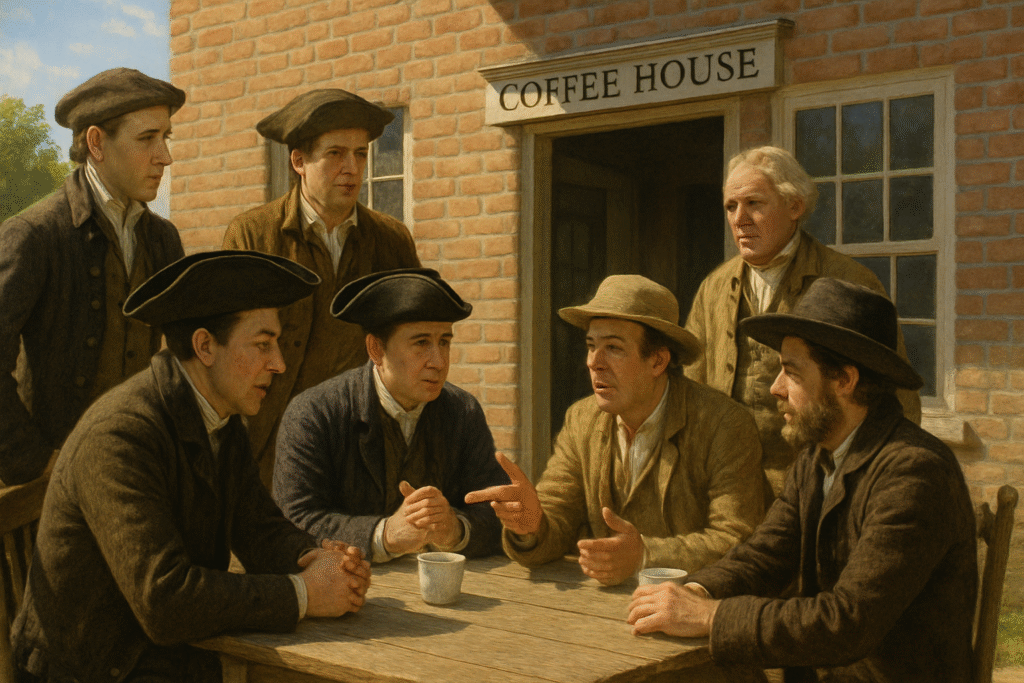
Before colonial America erupted into widespread rebellion, many of its boldest political ideas were stirred to life in coffeehouses. These social spaces were more than places to sip a hot drink—they offered neutral ground where people from all walks of life could meet, speak freely, and share printed materials that fueled emerging dissent. With caffeine sharpening minds and conversation flowing, coffeehouses became key engines of revolutionary thought and organization.
1. Coffeehouses offered a rare space for open political discussion.
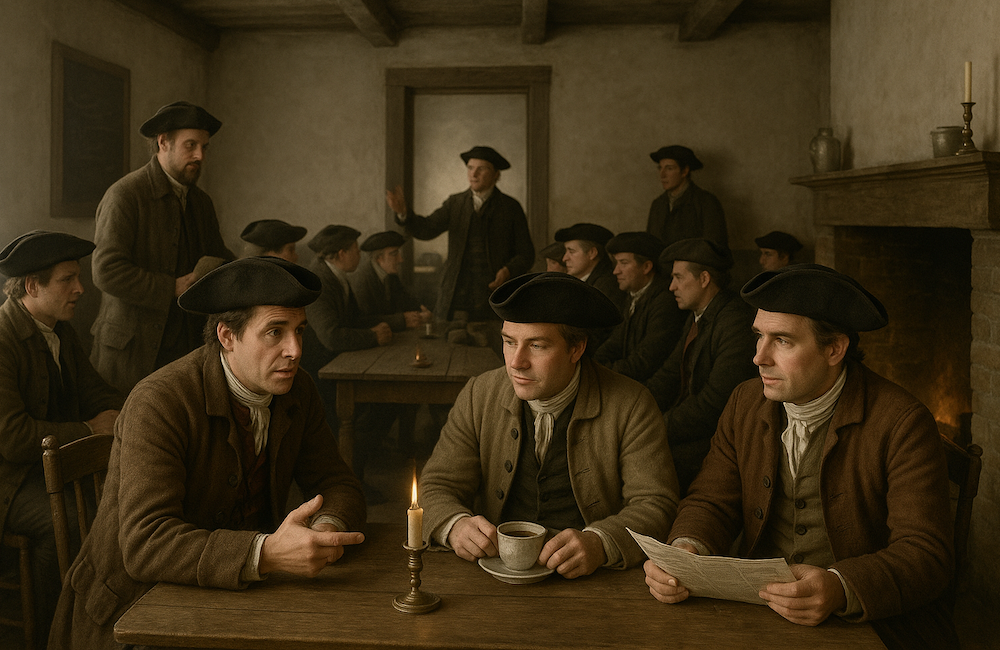
In colonial cities, coffeehouses functioned less like cozy cafés and more like civic squares indoors. Each one buzzed with conversation, drawing merchants, artisans, and printers into impromptu discussions that might veer from cargo shipments to taxation policies over shared tables and straight-backed chairs.
Unlike taverns, which were often rowdy and drink-fueled, coffeehouses encouraged clarity and extended exchange. Men debated King George’s edicts or dissected letters from the Continental Congress, testing ideas aloud in a room full of critical ears. Within these walls, political courage took conversational root.
2. Patrons shared newspapers and pamphlets between sips and debates.
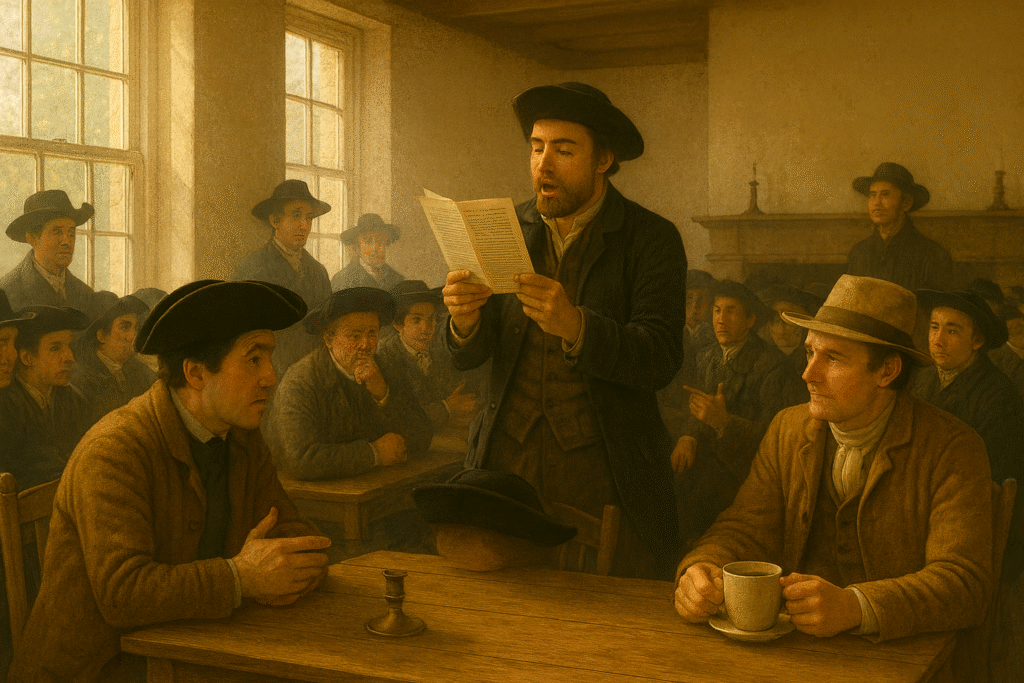
Few households in colonial America could regularly afford printed news, and postal delivery moved slowly beyond major cities. Coffeehouses filled the gap by offering communal access to broadsheets, pamphlets, and handwritten notices propped beneath glass or nailed to a wooden post near the hearth.
Shifts in policy or new editorials passed from hand to hand, often debated aloud as soon as the ink dried. One person’s pamphlet became another’s talking point, converting printed material into moving conversation. The oral rhythm of reading aloud gave pamphlets a second, more persuasive life.
3. Caffeine fueled long conversations about liberty, power, and reform.

Unlike ale or wine, which dulled the senses, coffee sharpened them. Served hot and strong in ceramic bowls, it brought alert minds to the table—creating the right tempo for prolonged engagements with lofty or difficult ideas, including concepts like natural rights or civil liberty.
The stark contrast between colonial hardship and Enlightenment ideals spurred animated, hours-long discussions that might have fizzled elsewhere. Caffeine kept the tone brisk and the focus intact. One man’s lecture on John Locke might spark another’s idea for a protest in the square.
4. These spaces welcomed bold thinkers from different walks of life.
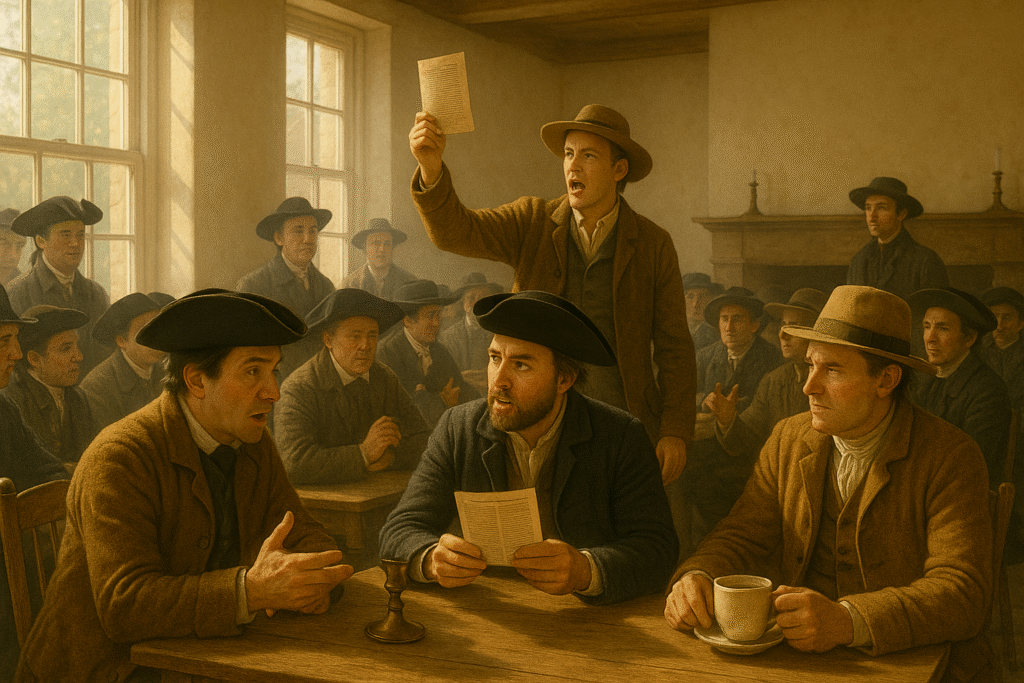
Side by side at long tables, printers, shopkeepers, sea captains, and students argued fiercely—then refilled their cups. Coffeehouses didn’t require rank or introduction. A fisherman’s worry about tariffs held the same floor as a lawyer’s critique of Royal charters.
That openness helped fresh ideas break through old social boundaries. Sentences that started as disagreement often turned to shared opinion, especially as grievances against British control grew. A carpenter’s story of unfair trade laws might get picked up by a newspaper editor seated just three stools away.
5. Coffeehouses blurred class lines in ways taverns never could.
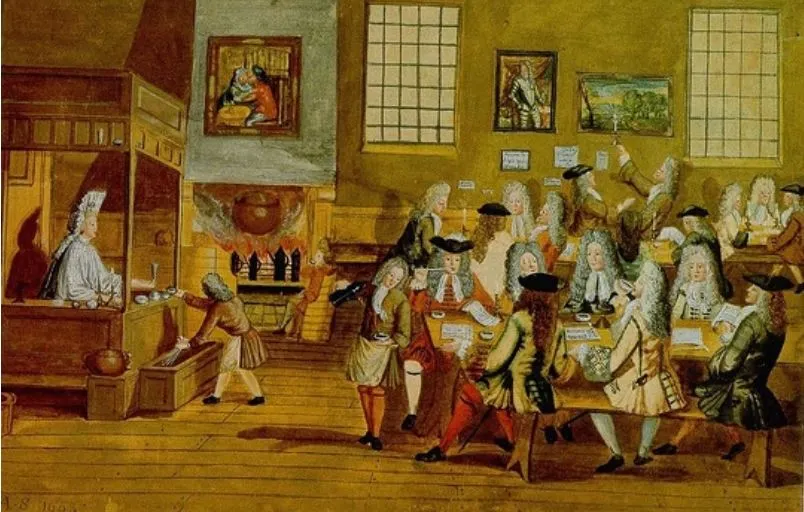
Taverns, associated with drink and brawls, often split patrons by trade, class, or regiment. Coffeehouses curated a different mood—quieter but still electric—where clockmakers rubbed elbows with bookbinders and landowners listened to traveling lecturers without formal intros.
Without the distractions of gambling or loud music, the coffeehouse environment kept things focused. Discourse took the place of diversion. It became a rare setting where ordinary men could talk policy with elites and not be ignored. That kind of access accelerated the blending of public sentiment.
6. Revolutionary ideas spread quickly across busy coffeehouse tables.
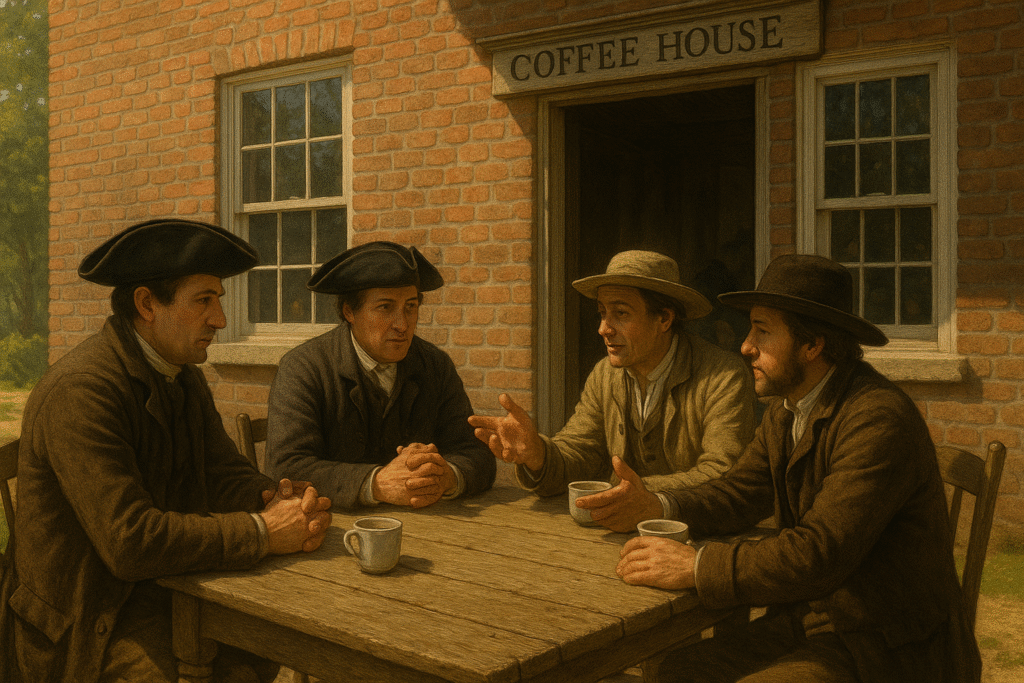
With each new visitor, an idea moved faster. A conversation sparked in Boston might reach Philadelphia in days, thanks to travelers who carried not just goods but arguments and slogans. Coffeehouse talk wasn’t idle—it moved with real-world speed and reach.
Maps of colonial trade often mirrored the spread of revolutionary rhetoric. One phrase from a Charleston pamphlet, unpacked over a midday cup, could later guide a night meeting in New York. Talk had traction. The more tables it passed over, the more persuasive it became.
7. They became unofficial headquarters for local resistance organizers.
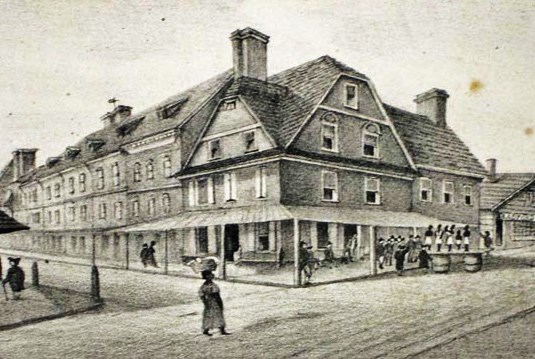
Colonial patriot groups didn’t start with offices—they started with tables in the backs of coffeehouses. Once men trusted each other enough to speak plainly, they used these spaces to sketch plans, assign messengers, and track British troop movements by word-of-mouth reports.
There was no formal sign on the door, but regulars knew where to find their allies at noon. The line between informal chat and resistance strategy blurred fast. Maps unrolled beside sugar bowls; whispers traveled from back booth to front door with quiet urgency.
8. Intellectuals found common ground in caffeine and common cause.
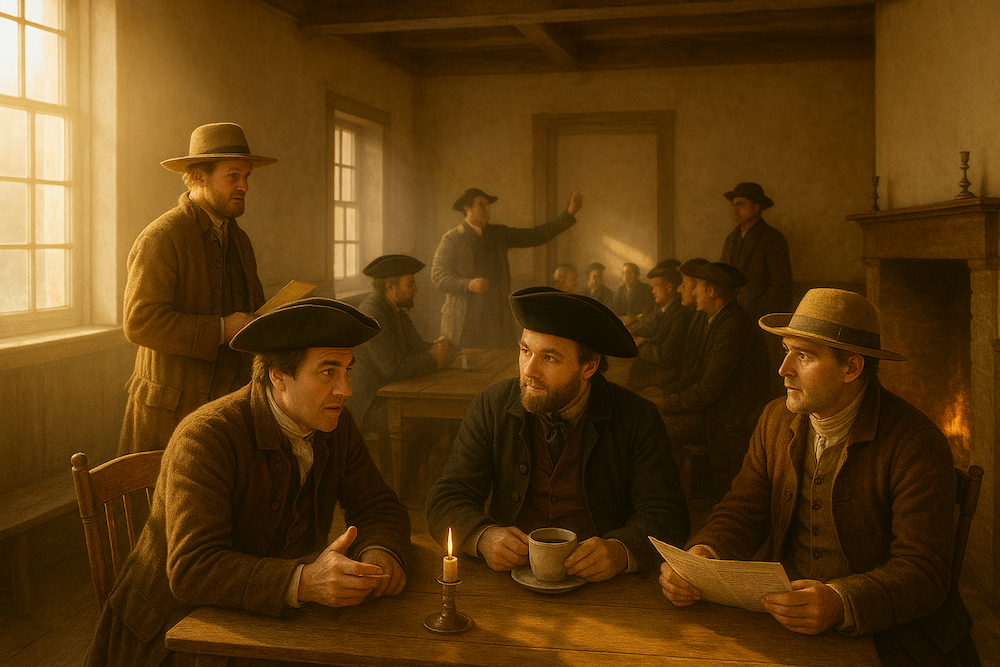
Ideas from Locke or Rousseau didn’t always arrive formally—they landed quietly, folded in pockets or read aloud near an empty fireplace. Coffeehouses gave thinkers a soft-landing spot, a setting where big theory could stretch its legs around lived colonial experience.
Arguments became more powerful when cross-checked by personal hardship. A scholar’s talk about sovereignty found weight when mirrored with a farmer’s loss of grain to taxes. Shared caffeine mixed with shared grievance, anchoring lofty goals in daily worry and building a path toward collective action.
9. Coffeehouses fostered quiet rebellion through conversation and community.
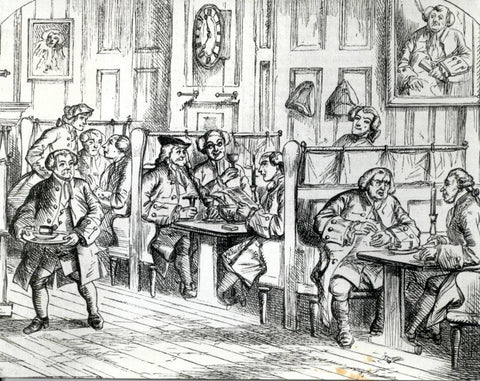
Not all revolutions shout. Some begin with hushed voices over warm porcelain. In places like Green Dragon or City Tavern’s quieter sections, men nudged each other from mild frustration to shared resistance with gentle persistence fueled by repeated, reasonable talk.
Community built in layers—through nods of agreement, shared readings, and the common rhythm of restocked mugs. That steady reinforcement created a strong, informal bond. As noise outside grew, those quiet hours spent in conversation helped prepare many for louder risks ahead.