
Emotional foundations like trust, joy, and resilience support a child’s lifelong learning and growth

What children feel in their earliest years deeply shapes how they grow, relate, and learn. Beyond academic milestones or good behavior, it’s consistent emotional experiences that form the foundation for lifelong development. When parents nurture a child’s sense of safety, curiosity, and self-worth, they’re doing more than caregiving—they’re building emotional strength. These core feelings help children not only navigate challenges but also find meaning and connection in the world around them.
1. A sense of safety that supports their emotional and physical growth.
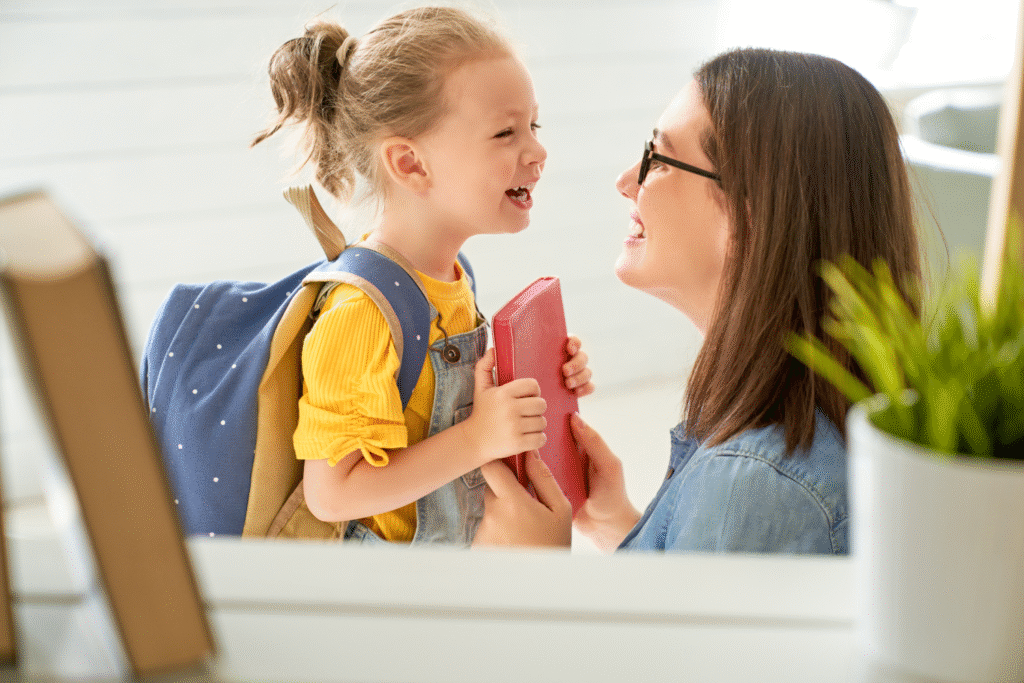
Young children build emotional foundations through repeated moments that feel safe and predictable. Secure environments, both physical and emotional, help regulate stress responses and give kids the footing to explore their world without fear.
Steady routines, warm voices, and reliable caretaking—like the silent comfort of a favorite blanket—let a child associate the world with stability rather than chaos. That foundation shapes later confidence and openness to learning.
2. Confidence in their ability to try, learn, and solve problems.

Children develop confidence not from perfection, but from meeting challenges with effort and seeing small wins add up. When parents show belief in the child’s ability to try, fail, and try again, it lays the groundwork for self-motivation.
Take a toddler stacking blocks. When frustration builds but encouragement stays gentle and consistent, trying again becomes possible—and success, however wobbly, becomes a spark for growth.
3. Belonging within their family, school, and wider community.

Feeling accepted in different spaces helps children connect their identity to something larger than themselves. Belonging isn’t just about presence; it involves active recognition—being seen, heard, and respected within a group.
In a classroom, this may look like a group art project where each contribution earns space on the bulletin board. That simple gesture affirms inclusion, especially in moments when a child might otherwise doubt their place.
4. Trust that their needs will be heard and respected.
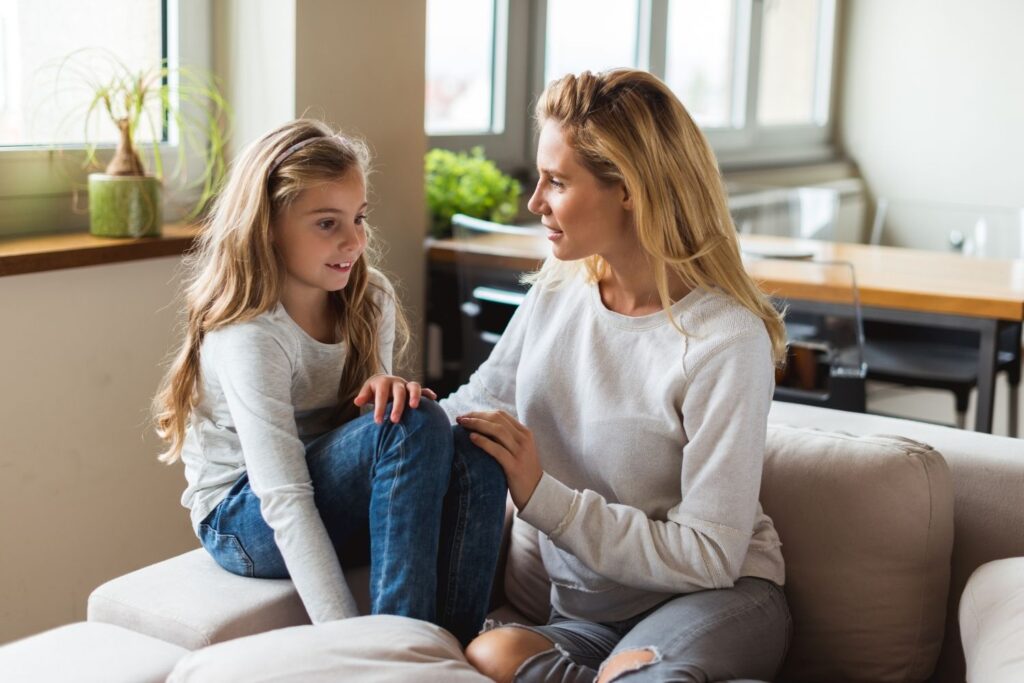
Trust grows when children repeatedly experience respect in small, consistent ways. If their feelings are met with calm attention instead of dismissal, it tells them that their inner world matters.
A scraped knee followed by careful listening—not brushing it off with a quick “you’re fine”—teaches them early that honesty about discomfort won’t be ignored. That trust then extends into how they speak up, explore, and relate to others.
5. Joy in everyday moments, big and small.

Childhood joy springs from noticing, not acquiring. Whether blowing soap bubbles on the porch or laughing mid-story, children wired for emotional attunement will more fully register and remember delight.
Joy needs space to appear: a break in schedule, a silly face, an unhurried snack at the kitchen table. When adults slow down enough to join in that light-hearted moment, kids internalize joy not as reward, but as right.
6. Curiosity about the world and their unique place in it.

Curiosity fuels a child’s drive to understand, adapt, and grow. It shows up in questions that multiply—often breathlessly—as soon as they first glimpse a snail or wonder how toast browns.
When their efforts to explore are met with encouragement rather than correction, the world feels more inviting. That invitation shapes their identity as a learner, tuned more to wonder than right answers alone.
7. Pride in their efforts, not just outcomes.

Pride rooted in effort, not results, teaches kids that progress matters more than trophies. It lets them connect satisfaction to hard work, not to applause from others alone.
Watching a child beam after tying their own shoes reminds us that pride grows not from perfection, but from ownership. That day’s loops might be uneven, but their confidence tightens along with the laces.
8. Calm during challenges, knowing support is nearby.

Challenges become less overwhelming when children sense that help is nearby but not overpowering. When support feels sturdy yet unobtrusive, it models staying grounded in the face of frustration.
On a stormy morning with misplaced homework and spilled cereal, a calm presence who briefs the plan instead of rushing to fix everything shows stability. That response builds internal calm by offering external reassurance without erasing the struggle.
9. Love that feels steady, unconditional, and visible.

Love becomes a secure core when it feels consistent in tone, time, and attention. A child doesn’t need flawless parents—only ones who show up, listen closely, and respond with warmth across changing moods.
Even on difficult days or in moments of correction, love that stays visible—like a note in a lunchbox or a hand held quietly—signals permanence. That steadiness tells the child they are cherished, not just managed.