
Everything has a purpose, but not everything has to take up room in your home.
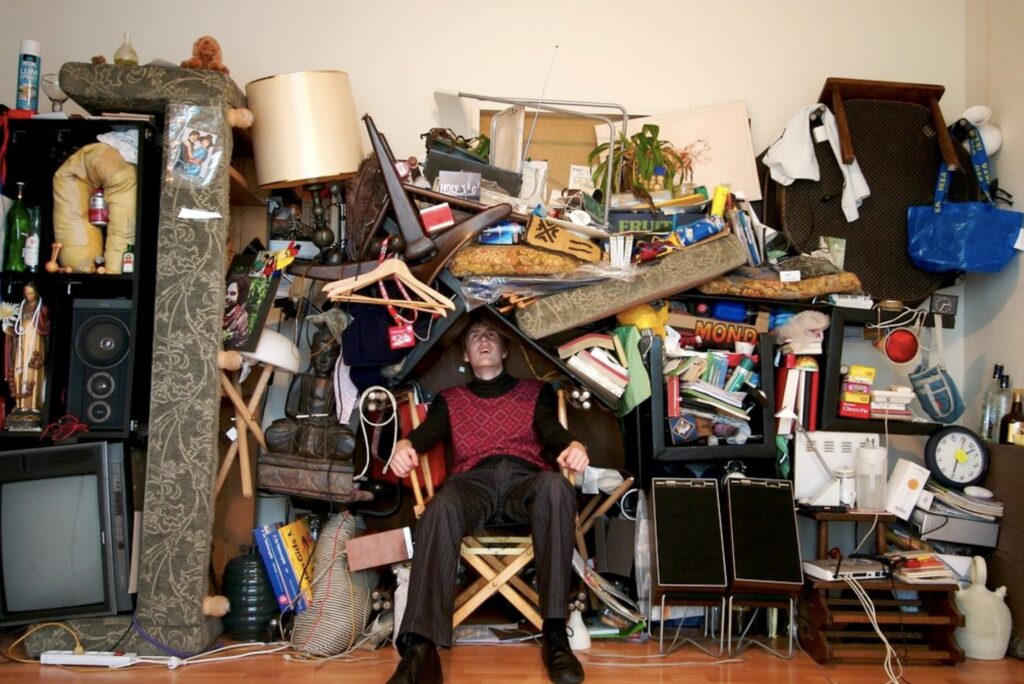
Many of us hold onto everyday items out of habit, sentiment, or the idea that we might need them someday. Over time, though, these things quietly collect in drawers, closets, and corners, cluttering both space and peace of mind. Recognizing what no longer serves a real purpose is the first step toward a more open and functional home. If it’s been forgotten or unused for over a year, it may be time to let it go.
1. Expired makeup you stopped using but still haven’t thrown out.
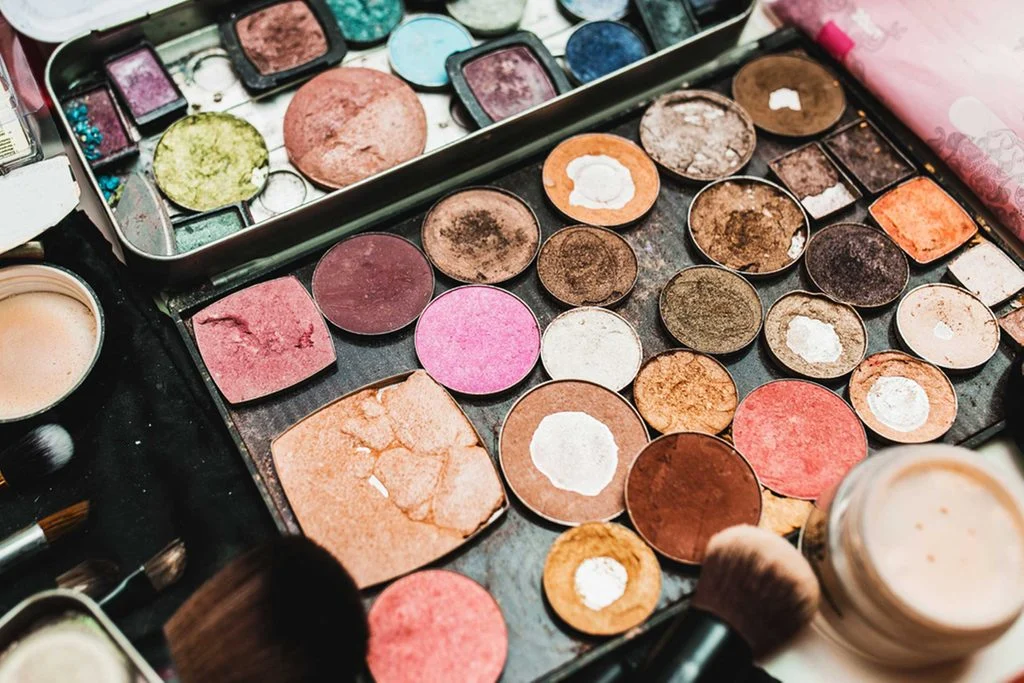
Found at the bottom of bathroom drawers and purses, expired makeup often sticks around long after it’s safe or effective. Beyond just clumping or separating, old formulas can dry out your skin or cause redness, especially near sensitive areas like the eyes.
Even if it was your favorite brand or came in eye-catching packaging, products past their prime lose potency and risk contamination. That glittery lipstick from a holiday party three years ago? It’s not aging like wine. Makeup doesn’t last forever, even when unused.
2. Old chargers for gadgets you no longer own or use.

Tangled cords for long-gone cameras and outdated phones often hide in bins, waiting for devices that won’t return. Their connectors—mini USBs, proprietary plugs—once mattered, but now serve no purpose unless you own a museum of vintage electronics.
Under beds or in desk drawers, they gather dust and confuse future cable hunts. When you grab the wrong cord for the fifth time while trying to charge your tablet, clutter has clearly outpaced convenience. A charger without a companion becomes excess, not backup.
3. Gift bags and ribbons from past celebrations piling up in drawers.
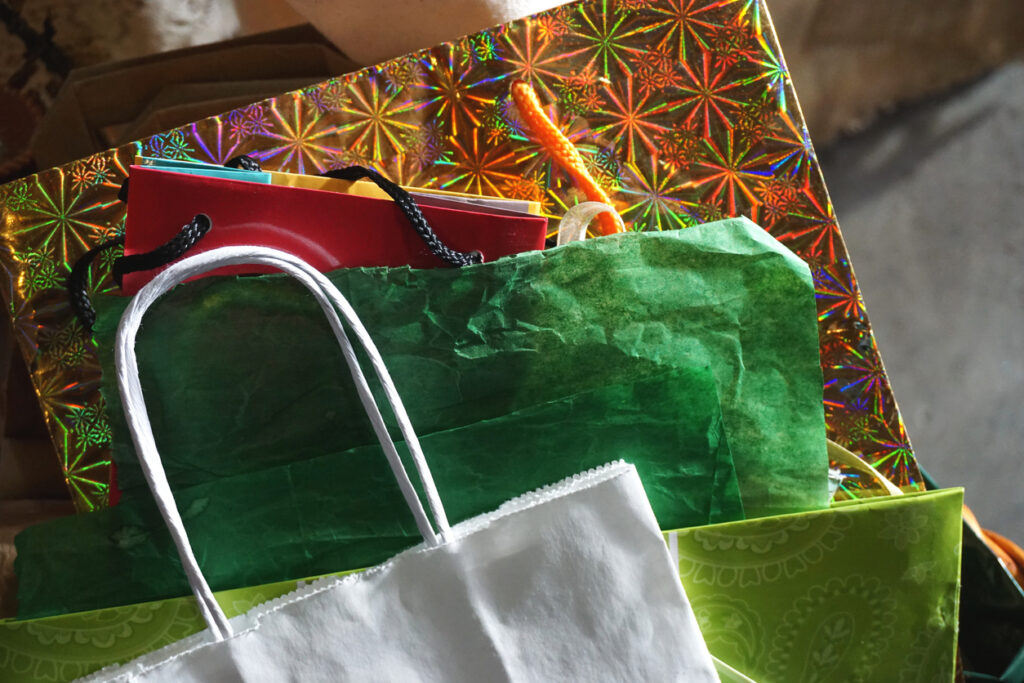
After holidays and birthdays, gift bags and ribbons tend to multiply, crumpled and crammed into drawers with sentimental residue. Shiny foil or cartoon prints may seem too nice to toss, which is how an overflowing stash quietly takes root.
Months later, when shelves groan under the weight of mismatched tissue and short bits of curling ribbon, reuse becomes unlikely. The volume makes it harder to find anything useful. A drawer meant for a few reusable bags ends up storing indecision more than supplies.
4. Single socks waiting endlessly for a mate that won’t appear.

One sock without a partner signals laundry limbo, but a dozen singletons crowding a basket create quiet chaos. They wait indefinitely, companions lost to washing machines or hotel room carpets, making the drawer a memorial to things that once matched.
Folded neatly or tossed aside, lonesome socks rarely get a second act. As their mates stay missing, the pile grows stale. Drawer space meant for practical pairs turns into a holding pen for hope, tucked behind everyday routine.
5. Takeout condiments tucked away in a kitchen drawer for later.
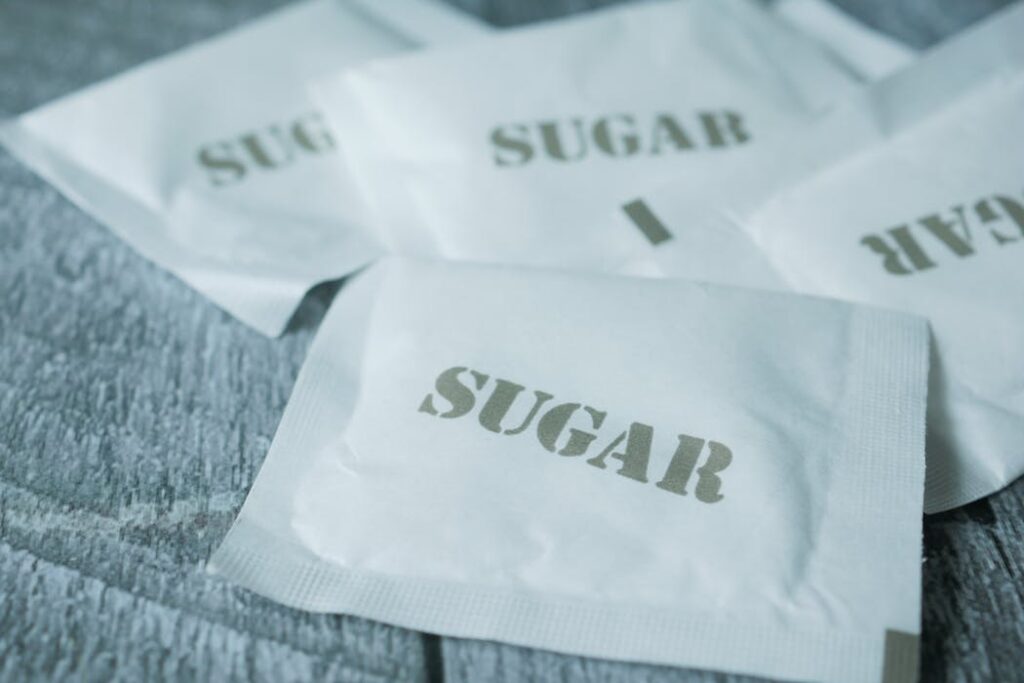
Those ketchup packets and soy sauce sleeves shoved into a drawer were future toppings once. Sealed in foil or plastic, they linger far beyond their expected cameo on a plate of fries or a leftover spring roll night.
Time turns them sticky or brittle, and their labels fade to illegibility. A dozen packets crowding a drawer edge mean you reach for one clean utensil and grab three sachets instead. Eventually, their convenience clutters the very space built for function.
6. Stacks of old magazines saved for recipes or ideas you forgot.
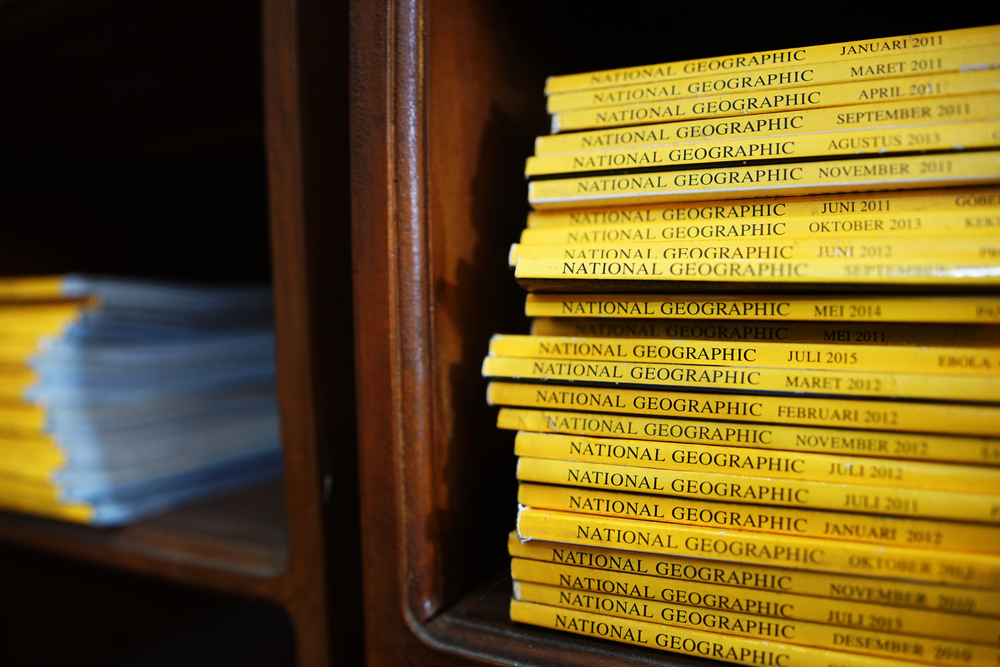
Stacks of glossy magazines promise inspiration—recipes, home ideas, workouts—but mostly sit unopened under coffee tables or in baskets. Their covers fade while their usefulness fades faster. Digital archives now carry the clippings people once tore from pages.
Even in a neatly tied bundle, they weigh more than they’re worth, especially when the articles inside refer to trends long passed. That dessert you meant to try in 2016? If you haven’t yet, the moment likely moved on. Magazines don’t age into manuals.
7. Unused candles gathering dust on shelves for a perfect moment.
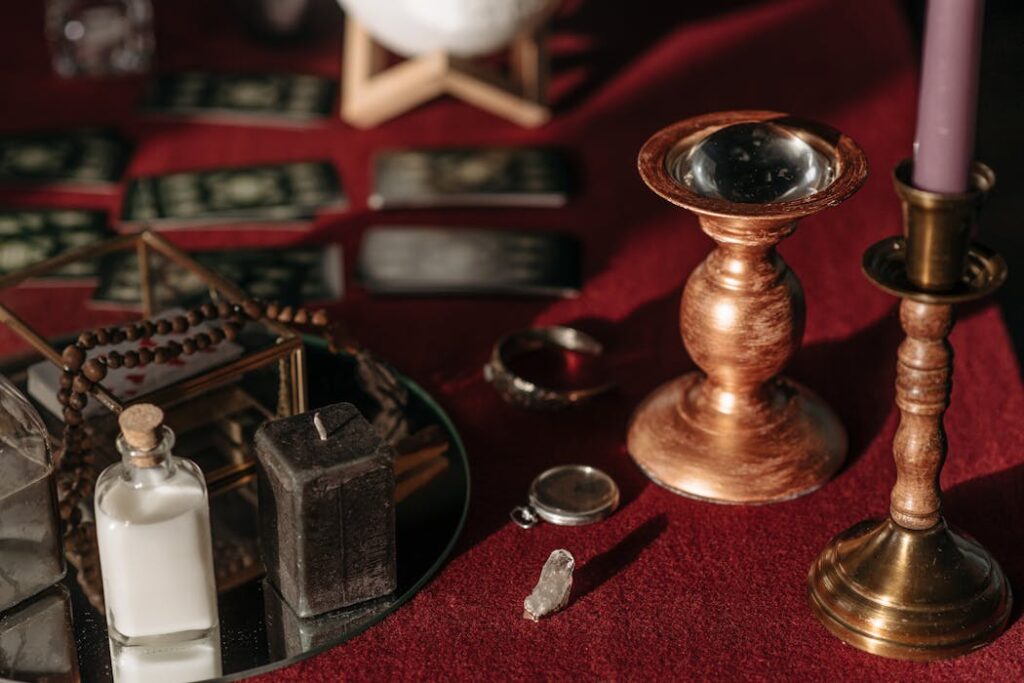
A smooth wax pillar in sea-glass blue sits untouched on a bookshelf, waiting for the right dinner or quiet night. Multiply that by five or six—gifts, mood boosts, seasonal finds—and suddenly shelves host a small wax archive.
Scented or unscented, candles can melt slightly in summer heat, attracting dust along their ridges. Even carefully stored ones lose their charm when too many compete for attention. A moment that never feels quite perfect can leave them unused year after year.
8. Broken jewelry you’ve meant to fix but never quite prioritized.
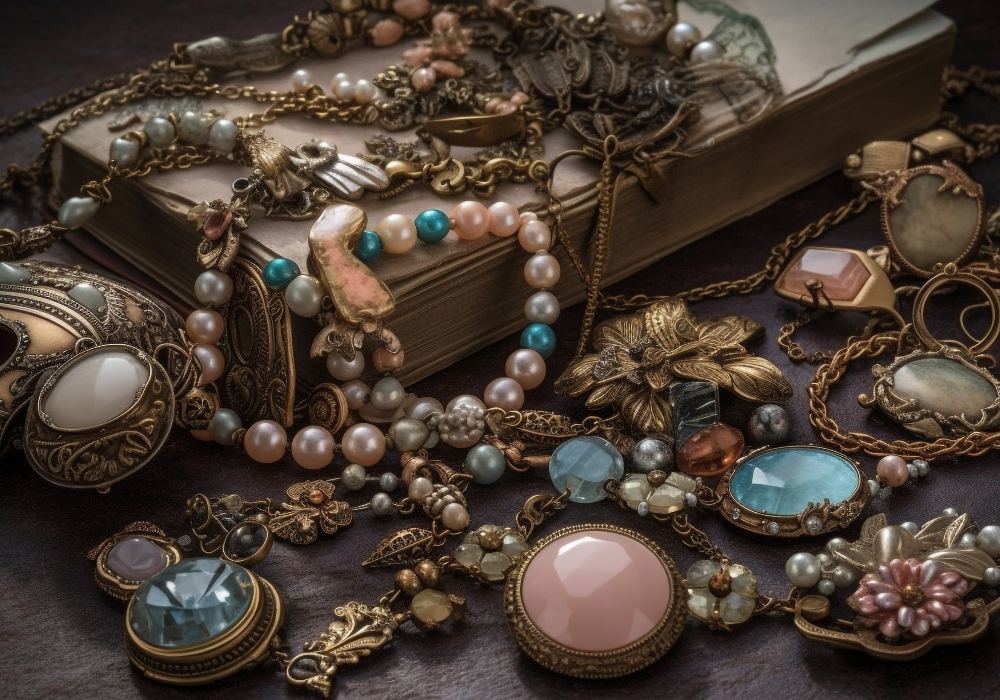
A tangled gold chain or a watch with missing links often hides in tiny boxes or dresser corners. Each broken piece seems fixable—someday—so it stays, promising future repairs that rarely move up the list.
Weeks stretch into years, and the small velvet box becomes a forever home instead of a pit stop. Few jewelers take on minor fixes without cost, and sentiment rarely matches effort. A broken clasp doesn’t keep time; it quietly interrupts it.
9. Mystery cords in boxes you plan to organize someday.
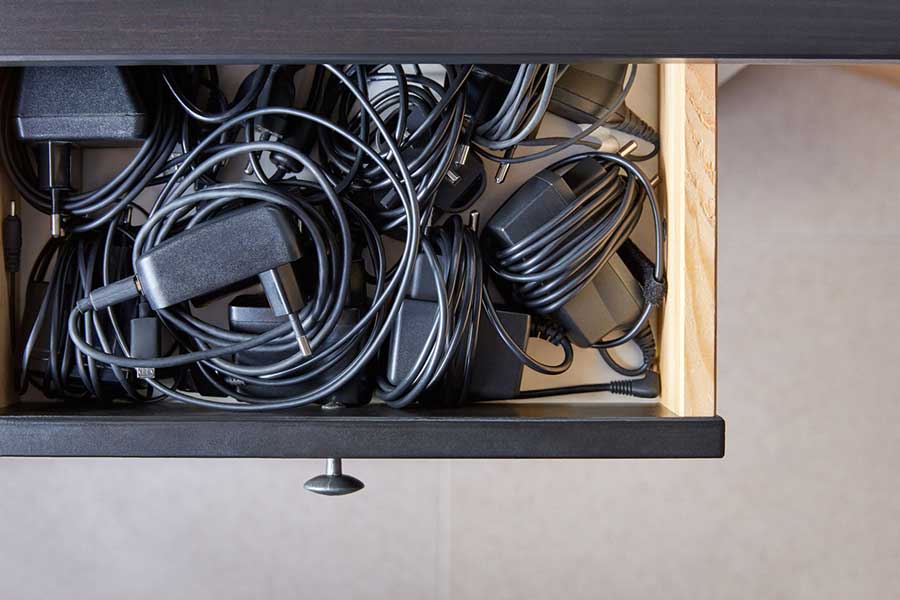
A box labeled “wires” in the hall closet holds small puzzles with unknown uses—black cables, splitters, adapters. Without clear markers or corresponding electronics, they create a guessing game each time you clean or move.
Even helpful intentions fade when mystery becomes norm. An hour spent sorting through them adds more confusion than clarity. When everyday plugs get tangled with unused tech artifacts, access gets harder, not easier. Storage loses efficiency one random cord at a time.
10. Outdated user manuals for products you already donated or replaced.
Printed user manuals come thick with diagrams and warnings, useful once and often saved just in case. But after the toaster dies or the stroller gets donated, those instruction booklets skew toward irrelevance.
They stay because paper feels permanent—but so does clutter. A shelf filled with outdated guides makes it harder to find one that still matters. Manuals were written for machines now in someone else’s garage or a landfill. Their quiet weight adds up quickly.
11. Half-finished craft supplies from projects that lost momentum.

Trays and boxes of beads, yarn, or scrapbooking edges sit half-finished in closets, frozen mid-idea. Creativity sparked the purchase, but time and energy didn’t always show up to match.
Even neatly stored in plastic bins, partial craft supplies suggest possibility more than purpose. As projects fade from memory, their components occupy space and whisper about undone plans. A felt flower here, a glue stick there—they collect dust while waiting for momentum that rarely returns.
12. Travel-sized toiletries accumulated from hotels you meant to use.

Hotel soaps, trial-size shampoos, and tiny lotions tuck easily into carry-ons, then hide in drawers back home. They look useful while traveling but pile up quietly in bathrooms and under sinks.
Each one seems practical, but together they create clutter, not readiness. Seldom used, they share space with full-size products. A plastic basket under the vanity fills with rows of items too small for daily use yet too visible to ignore. Portability becomes the problem.
13. Clothes that don’t fit but you’re keeping just in case.

Pants one size down or suits from another decade linger in closets with quiet expectation. Some still wear tags; others show creases from long-ago try-ons. They wait for a milestone that never got scheduled.
Behind every hanger is a small calculation—hope or guilt, never pure utility. The space they take could serve clothes that meet you where you are now. Keeping clothes for a possible future body reshapes your present space around who you used to be.