
Strangers sometimes overstep social boundaries, but you can respond with poise and self-respect.

Awkward encounters with strangers are more common than most of us expect. Whether it’s an unsolicited comment about your appearance or someone joining a private conversation uninvited, these moments can catch you off guard. The key is responding in a way that affirms your boundaries without fueling conflict. With a few thoughtful strategies, you can handle these situations calmly and assertively, protecting your space while maintaining dignity and grace.
1. A stranger comments on your body without being asked.

Uninvited remarks about someone’s body often come coated in false compliments, but they disregard personal boundaries all the same. Whether it’s about weight, height, or tattoos, these comments shift attention to physical traits that weren’t open for discussion.
The abruptness of that shift can leave a person frozen in place, like pausing mid-step in a crosswalk. Even casual delivery—one stranger to another in line at the post office—doesn’t erase its impact. Respect relies on knowing what isn’t yours to label.
2. Someone asks about your relationship status in a public setting.

Questions about relationship status in public settings blur the line between curiosity and overreach. They often arrive under the guise of banter or small talk, especially at social events or waiting areas where conversation feels expected.
But intimacy isn’t owed to someone at a water cooler or bus station. The question forces private life into public view, often assuming there’s a story to explain. Silence or refusal to answer can feel awkward, but it protects emotional space left vulnerable by familiarity’s tone.
3. A person touches you in a familiar way without permission.

When someone reaches out to touch your arm, shoulder, or back without asking, the gesture skips past social consent. It may come with a smile or soft voice, but physical contact without permission still crosses a line.
A crowded subway or casual gathering doesn’t erase the discomfort. That brief hand on your wrist might linger in memory longer than the conversation itself. The problem isn’t the gesture’s intent—it’s the assumption of access.
4. Someone listens in and joins your private conversation uninvited.

Eavesdropping that turns into participation can feel disorienting. A private exchange—across a brunch table or along a park bench—suddenly expands to include someone who was never invited, flattening intimacy into spectacle.
The language of closeness doesn’t translate well to an uninvited audience. Calling out a joke or offering opinion rewrites the emotional script mid-scene. Even friendly interjections can feel hijacking when the boundary of personal exchange has been steadily blurred.
5. A stranger criticizes your parenting style in passing.

A glancing comment about parenting in grocery store aisles or coffee shop lines often lands with more sting than intended. Whether it’s about screen time, snacks, or how a child speaks, these remarks wrap opinion in passing judgment.
The sensory overload of public errands amplifies the sting—fluorescent lights, beeping scanners, spilled crackers. A stranger may feel entitled to react, forgetting they’ve stepped into a private relationship mid-moment. Few things feel more invasive than being policed during an already strained second.
6. Someone makes assumptions about your job or income without knowing you.

When someone speculates about your job, status, or income upon first meeting, the interaction shifts from social to transactional. These assumptions can echo stereotypes or class cues—from how someone dresses to where they shop.
That moment in the checkout line or gym entrance becomes less about greeting and more about assessment. Whether it’s meant as curiosity or coded compliment, the subtext often hinges on comparison. The dynamic tilts from mutual respect to quiet scrutiny.
7. A person offers unsolicited advice about your appearance or choices.

Unsolicited advice often dresses itself in concern, especially when directed at personal choices or appearance. From comments about haircut styles to career changes, strangers may frame opinion as helpful when it wasn’t invited.
A shared elevator or waiting room can become stage and audience at once. Spoken lightly, the suggestion may carry weight all the same. Each remark presumes that improvement—or correction—was needed, even where confidence or comfort had already taken root.
8. Someone tries to discipline your child at a public place.

Correcting another person’s child in public brings more than discipline; it shifts authority. Whether it’s about using an indoor voice or touching store shelves, a stranger stepping in can override trust built within a family.
Even in spaces like playgrounds or markets, where children roam semi-freely, that sudden insertion marks a boundary breach. The gesture implies judgment, often without knowing the child’s needs or context—just a flash point of behavior misunderstood as misbehavior.
9. A stranger takes photos of you without asking first.
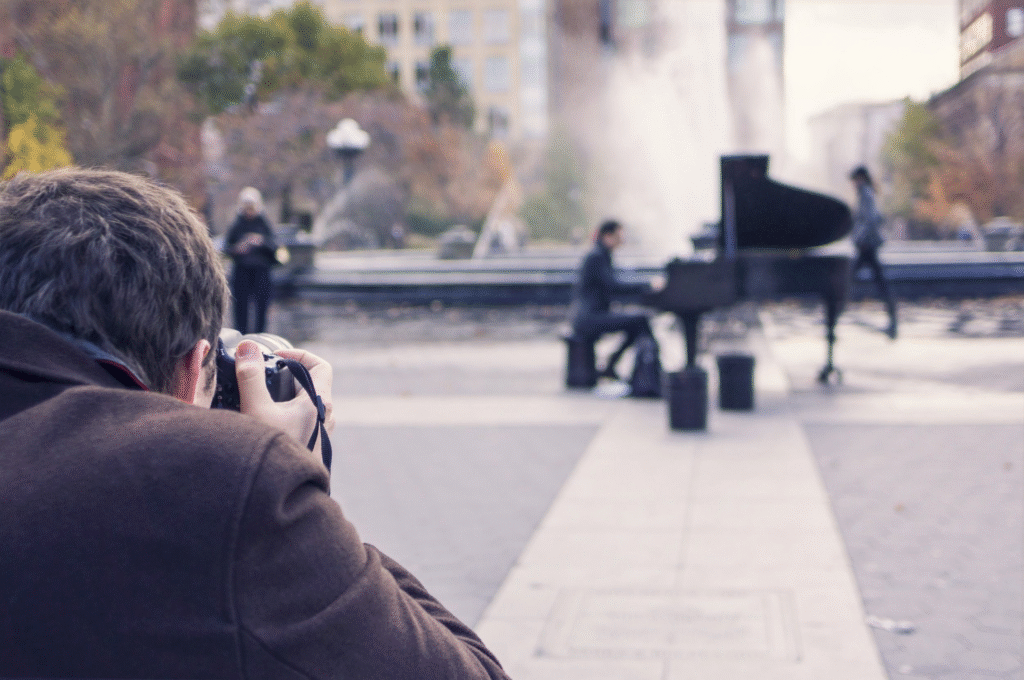
Candid photography in public may be legal, but taking a stranger’s picture without asking often feels intrusive. Without warning, a casual moment—a laugh, a posture—gets claimed for someone else’s lens.
Busy plazas and festivals often blur privacy lines. Still, when someone’s face or figure becomes part of a stranger’s content, it moves from shared space to uninvited attention. The discomfort doesn’t lie in being seen, but in being chosen without consent.
10. Someone comments on your groceries or purchases at checkout.

Comments about groceries or clothing at checkout often come offhand, but they can feel exposing. Whether it’s about the contents of your cart or brands you favor, those words turn everyday decisions into curiosity fodder.
Public spaces like supermarket lines compress personal rhythms into shared time, making private habits momentarily visible. Even seemingly harmless remarks—about frozen meals or candles—can feel too familiar. The issue isn’t always judgment; sometimes, it’s simply being noticed too closely.
11. A person questions your food choices at a restaurant or cafe.

Food commentary at restaurants often passes for conversation, especially when choices appear unfamiliar or nonconforming. Strangers may raise eyebrows over portion sizes, substitutions, or dishes they wouldn’t order themselves.
Unlike chatting about menu options with a bartender, these nudges often emerge from neighboring tables, offering opinion where appreciation or silence might serve better. A plate isn’t a personality quiz. Such moments risk turning nourishment into negotiation, unnoticed into scrutinized.
12. A stranger makes personal jokes as if you’ve known each other.

Personal jokes from strangers signal mismatched intimacy. The tone may be teasing, or the remark may mimic humor shared between close friends, but framed without context, it often jars instead of connects.
Whether it unfolds on a plane or in a theater lobby, the forced familiarity leaves little room for comfort. The listener is cast into a role they never accepted, caught between politeness and confusion. What amuses one party strains another.
13. Someone grabs or moves your belongings without permission.

Grabbing a bag, shifting a chair, or moving someone’s umbrella without asking may seem functional, but it cracks unspoken agreements about permission. Even short-term contact with personal items deserves a quick ask.
A book bag nudged under a café table may hold valuables or, just as often, the weight of trust. The gesture’s casualness doesn’t soften its intrusion. Ownership isn’t just about objects—it’s about agency around them.
14. A person pries into your health or personal habits in public.

Inquiring about someone’s health or habits—like supplements, sleep, or weight—can seem supportive when done by a friend. From a stranger, it tilts toward uncomfortable terrain. The question often arrives with assumptions buried beneath sympathy.
Public settings like waiting rooms or checkout counters offer too little space for private context. An observation about complexion or energy levels may intend empathy but land as exposure instead. What begins as concern can sound like surveillance.